It’s exciting to buy a new constructed home. You’re not simply buying a house; you’re putting money into a future that is created from the ground up to fit modern life. But before building starts or contracts are signed, there is one critical financial step: earnest money.
This tutorial will explain everything you need to know about earnest money when buying a house, including how much you need and what happens to it at closing. We’ll talk about what earnest money is used for in new construction, how it protects both buyers and builders, and what to look for in your earnest money agreement.
Earnest money is like a good-faith deposit. It lets the builder or seller know that you really want to buy the house. When you sign a purchase agreement, you must put earnest money into an escrow account that is controlled by a third party who is not involved in the deal, like a title firm or lawyer.
Think of it as a promise to pay. Putting down earnest money shows that you’re not just looking around; you’re ready to go through with the deal. This payment is especially crucial for new construction homes because builders often start planning and putting money into the project as soon as contracts are signed.
The amount changes based on the builder, the region, and the state of the market. Most of the time, earnest money for a new construction home is between 1% and 5% of the buying price. If you were buying a $400,000 house, for example, you could put down between $4,000 and $20,000. In competitive markets, builders may ask for bigger deposits to make sure purchasers are serious. Some high-end builders or custom house projects may ask for much more, sometimes up to 10%. Your earnest money agreement will spell out the actual amount, so make sure you read it carefully.
When builders construct a new home, they are taking on a lot of risk. They plan your work, materials, and time based on how committed you are. If you give them earnest money for new building, they will know you won’t just walk away.
Buyers also benefit from earnest money. It locks in the agreed-upon price and guarantees your spot in the building schedule. If the market is going up, this can save you thousands of dollars compared to waiting and buying later.
After you sign the purchase contract, you need to put earnest money into an escrow account. This makes sure that the money is safe until closing. Escrow protects both sides: the builder knows you’re serious, and you know your money won’t be wasted.
Different ways to pay. Some buyers provide a check, while others send money directly. Always check the provisions of the escrow in your earnest money agreement to avoid fraud or misinterpretation.
A lot of buyers want to know what happens to earnest money when the deal is done. The good news is that earnest money isn’t an added cost; it goes toward your purchase. The deposit goes toward your down payment or closing expenses when you close. For instance, if you owe $20,000 as a down payment and have already put $10,000 in earnest money, you only need to deliver the last $10,000. Because of this, earnest money is a very important aspect of your total financing plan. It doesn’t get lost; it only moves from escrow to your property purchase.
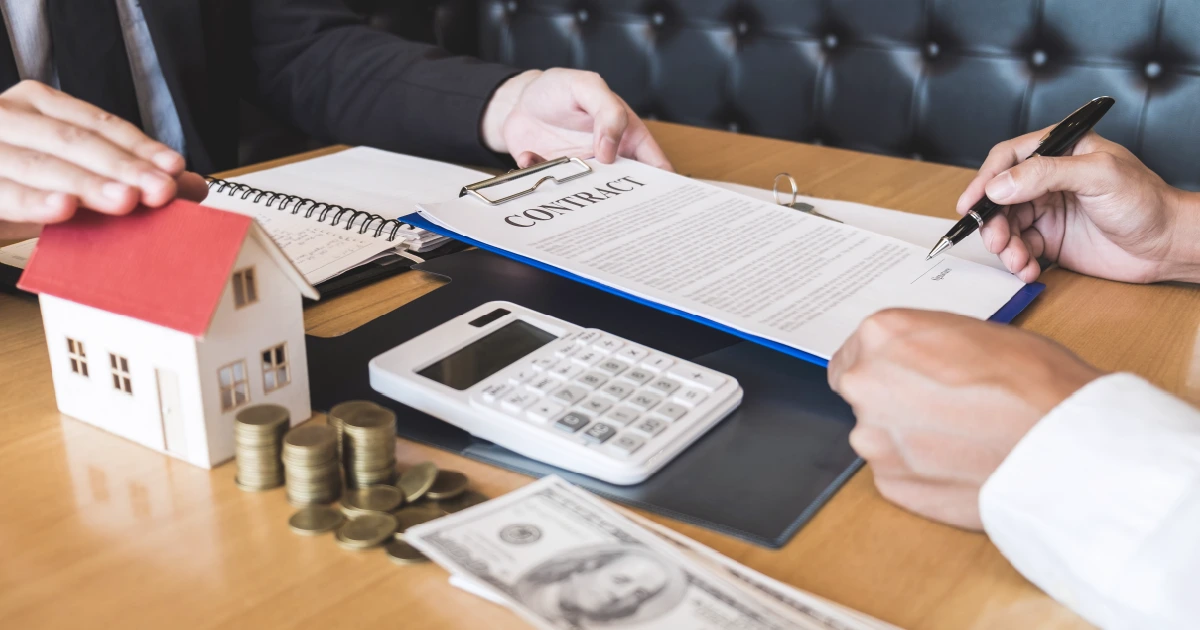
The terms of the deposit are spelled out in your earnest money agreement. It says how much is needed, when and how it must be paid, when it can be returned, and how it will be used at close. Agreements for new building often have conditions that must be met. You might be able to get your money back if the builder doesn’t finish the house on time or doesn’t follow the agreed-upon plans. On the other hand, the builder may keep the deposit if you back out without a good cause.
One of the major worries customers have is that they may lose their good faith money. It depends on the conditions in your contract. If financing falls through despite your best efforts, if the builder doesn’t produce as promised, or if inspections show severe problems, you may be able to get your money back. If you change your mind without a good reason, miss dates in the agreement, or don’t get financing because you weren’t careful, you may lose your deposit. This is why it’s so important to read your earnest money agreement thoroughly. It keeps you from losing money you didn’t expect to.
A lot of purchasers mix up earnest money with a down payment. Even though both are part of the transaction, they have different uses. Earnest money is a deposit that shows you are serious about buying the house and is held in escrow until the closing. A down payment is a bigger payment paid at closing that lowers the loan amount. The money you put down as earnest money will eventually go toward your closing fees or down payment. So even though they are different, they work together to get the money.
It’s important to make a budget early. Include earnest money in your savings strategy so that the deposit requirement doesn’t surprise you. It’s also vital to know what conditions you need to meet in order to get a refund. Working with renowned builders makes ensuring that contracts are clear and escrow processes are safe. Keeping records like receipts, contracts, and escrow confirmations gives you piece of mind. Lastly, don’t be afraid to ask questions. Knowing what earnest money is when buying a house and how it applies to your circumstance will help you feel more at ease during the process.
In cities with a lot of demand, like Seattle, Austin, or Denver, builders may ask for bigger deposits. When there is a lot of competition, buyers generally want to know how much earnest money they need. In these situations, putting down additional earnest money might make your offer stronger and show that you are serious. But balance is very important. Don’t push yourself too much. Make sure the amount fits your budget and is safe because of the eventualities in your earnest money agreement.
A lot of buyers think that earnest money is an added cost. In reality, it goes toward your purchase. Some people think it’s always refundable, but it depends on the terms of the contract. People also often think that earnest money is the same as a down payment. They are connected, yet they have different uses. Knowing these differences will help you confidently go through the procedure.
At its heart, earnest money is a way for the buyer and builder to trust each other. This trust is important for new construction. Builders put in money and time long before you move in, and buyers put in money long before the property is finished. Putting down earnest money makes you a partner. Both sides know the other is serious, which lowers the risk and makes transactions go more smoothly.
It’s exciting to buy a new built home, but there are some special financial measures you need to do. Knowing what earnest money is when buying a house, how much you need, and what happens to it at closing will help you become ready.
The earnest money agreement is the plan for this process. It explains how earnest money for new building works, when it should be deposited, and when it might be returned.
In the end, earnest money is more than just a deposit; it’s a sign of commitment. It keeps builders safe, gives buyers peace of mind, and makes closings go smoothly. If you plan your budget intelligently, read contracts attentively, and ask the correct questions, you’ll be able to go through the process with confidence and receive the home of your dreams.