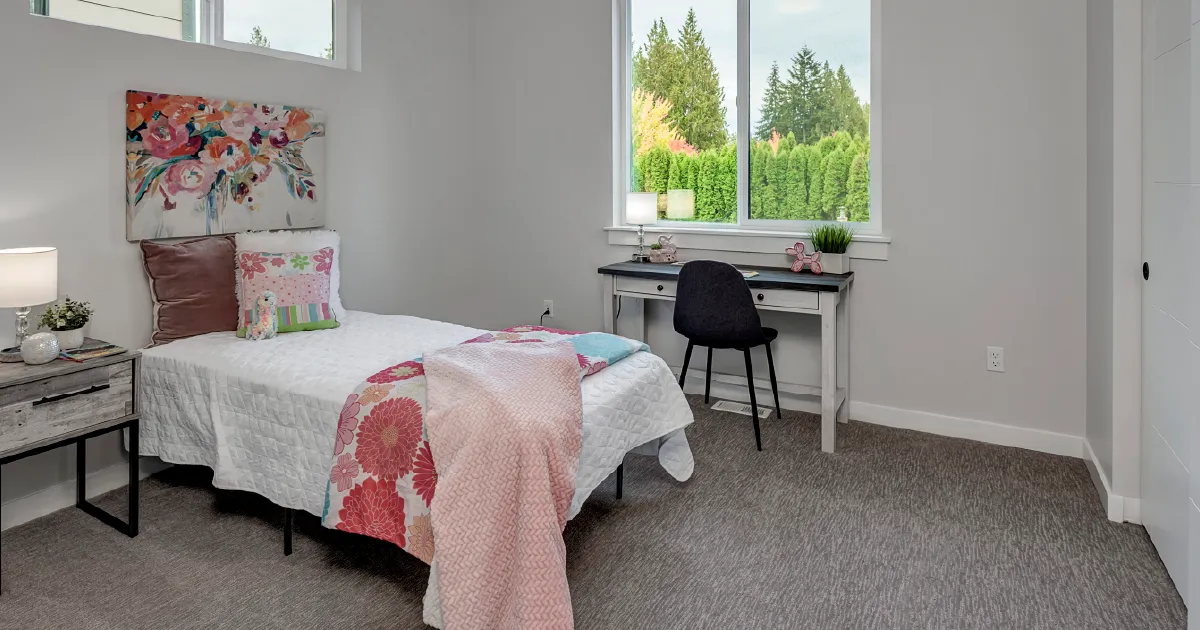
Moving into a brand-new home is one of those moments people imagine for years. You picture how your mornings will start, how the light will fall through the windows, and what that first quiet evening will feel like.
And then you move in—and sometimes, a few small things don’t feel quite right.
These aren’t major problems. But they’re the kind of details you notice more once you’re living there—when your routines begin and your expectations settle in.
It’s also when many homeowners quietly think:
“I wish I had taken a closer look before closing.”
That’s exactly where the final walkthrough comes in.
Often called a pre-closing walkthrough or new home walkthrough, this step isn’t just a quick formality before you get your keys. It’s your time to walk through your home with fresh eyes, ask questions, and make sure everything feels right before it officially becomes yours.
When you approach it with intention—and with a clear final walkthrough checklist—this moment can make a real difference in how confident and comfortable you feel on move-in day.
By the time you reach this stage, you’ve already made a lot of decisions. Floor plans, finishes, upgrades—it’s been a journey.
The walkthrough is where it all comes together.
This is your opportunity to:
It’s not about looking for flaws. It’s about making sure your home reflects what you were promised—and what you envisioned.
Many buyers also choose to schedule a new construction inspection around this time. While that’s done by a third-party professional, your home inspection walkthrough with the builder is more personal. It’s about your experience of the home—how it looks, feels, and functions for you.
Your pre-closing walkthrough usually takes place a day or two before closing.
At this point:
This timing gives you a clear picture of what you’re stepping into—without delaying your closing.
At MSR Communities, we believe this stage of the journey should feel thoughtful—not rushed.
From your first visit to your final walkthrough, every step is a chance to ensure your home reflects what matters most to you.
You don’t need to overthink this—but coming prepared helps you feel more in control.
Here’s what many homeowners find useful:
More than anything, give yourself permission to slow down. This is one of the few times you’ll walk through your home before it’s filled with furniture, boxes, and everyday life.
Your builder or representative will guide you through the home, usually room by room.
It’s a conversation as much as it is a review.
They’ll show you how things work—your thermostat, appliances, and electrical panel. You’ll open doors, turn on faucets, and test switches.
Some moments will feel technical. Others will feel surprisingly personal.
Because somewhere between checking outlets and running the shower, you’ll start to picture your life there more clearly.
Let’s keep this simple and practical. You don’t need to be an expert—you just need to be observant.
Before heading in, take a few minutes to look at the exterior.
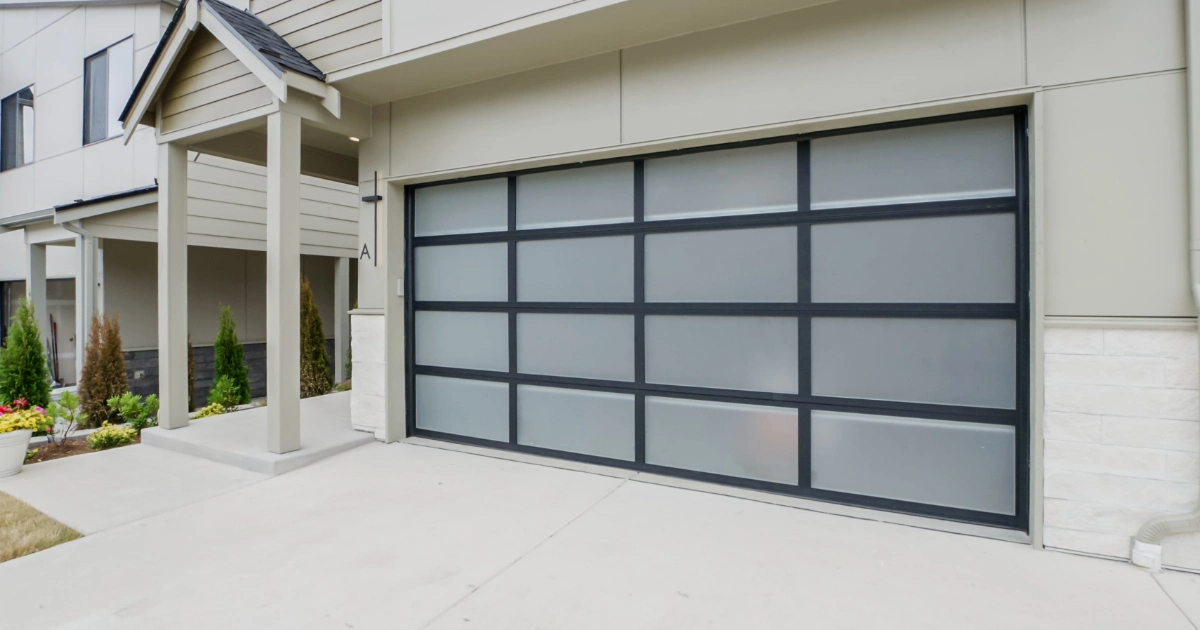
Notice the driveway, the paint, the way the landscaping has been finished. Does everything look complete? Does it match what you expected?
It sounds basic, but it matters.
Open and close each door. Make sure locks feel secure and handles turn smoothly. Small alignment issues are easier to fix now than later.
This is where many small details show up.
Walk slowly. Let your eyes adjust. You might notice minor paint variations or small marks. These are common, and this is the right time to point them out.
Open them. Close them. Lock them.
Pay attention to how they move and seal. Windows play a big role in comfort, even if it’s not something you think about every day.
The kitchen is one of the most used spaces in any home, so give it a little extra attention.
Make sure everything feels solid and works the way it should.
Turn on every faucet. Flush each toilet. Let the shower run for a moment.
You’re looking for steady water pressure, proper drainage, and anything that feels off.
Go room by room and test lights and outlets.
It may feel repetitive, but it’s one of the simplest ways to avoid surprises later.
This is where your builder’s guidance really matters.
Ask them to walk you through:
You don’t need to remember everything—but having a general understanding helps.
If your home has an attic, basement, or utility area, take a quick look.
These spaces aren’t always top of mind, but they’re important for how your home functions over time.
You don’t need anything complicated—just a clear way to stay organized.
Your final walkthrough checklist might include:
Think of this as a guide—not a test.
You probably will. And that’s okay.
During your new home walkthrough, anything that needs attention is typically added to a punch list—a simple record of items to be completed or adjusted.
This might include:
Your builder will review these with you and explain next steps.
This process is normal, and it’s part of bringing your home to its final, finished state.
Once your walkthrough is complete:
Some items may be completed before closing, while others may be scheduled shortly after. Clear communication here makes a big difference.
If you’ve scheduled a new construction inspection, that report may highlight additional items to review.
Most builders also provide a warranty that covers certain aspects of the home after move-in. It’s worth taking a little time to understand what’s included.
It’s easy to think of the walkthrough as just another appointment.
But in reality, it’s a pause.
Many of the small frustrations homeowners experience later can often be traced back to things that simply weren’t caught at this stage.
Not because anyone did something wrong—just because the moment passed too quickly.
When you walk into your home after closing, you want to feel at ease.
Not like you’re still checking things. Not like you’re making a list in your head.
Just… at home.
Taking your time during the pre-closing walkthrough helps create that feeling.
If you’re beginning your search or exploring newly built townhomes or single-family homes, we invite you to take a closer look at what we’re creating.
Explore our homes for sale and discover spaces designed with real life in mind—where details are considered, and your experience truly matters.