If you’ve been driving by construction signs, model homes, and “new homes for sale” billboards, you’re not alone. In 2026, lots of buyers are turning their gaze toward new construction homes for sale—not just for the shiny finishes, but for the chance to step into a home that’s built around their lifestyle, not someone else’s past choices.
Think about it:
That’s the promise of new construction homes near wider communities of new homes for sale: a fresh start, with fewer surprises and more control. But to make the right choice, you need to ask the right questions—especially if you’re also thinking about new construction single-family homes, new-construction townhomes, or new home developments near you.
At MSR Communities, we see this process less as a transaction and more as a conversation. A home is where routines form, traditions grow, and quiet weeknights matter. That’s why this guide walks you through the top 10 questions to ask before buying a new construction home in 2026—from how to find new construction homes that match your lifestyle to how to judge whether a community will still feel right five years from now.
Disclaimer: The information below is for general educational purposes as of 2026. It does not constitute financial, legal, or professional advice. Always consult a licensed real estate agent, mortgage lender, and/or attorney for decisions tailored to your specific situation.
Before you care about floor plans or finishes, you need to know where to start.
Many buyers begin with a simple goal: “How to find new construction homes?”—and the path is easier than it used to be.
Instead of feeling lost in number of listings, try this:
This small shift moves you from “just browsing” to “seriously exploring” without overwhelming you.
One of the first clarifying questions should be: What type of home am I actually considering?
Neither is “better” by default; it depends on what you actually want.
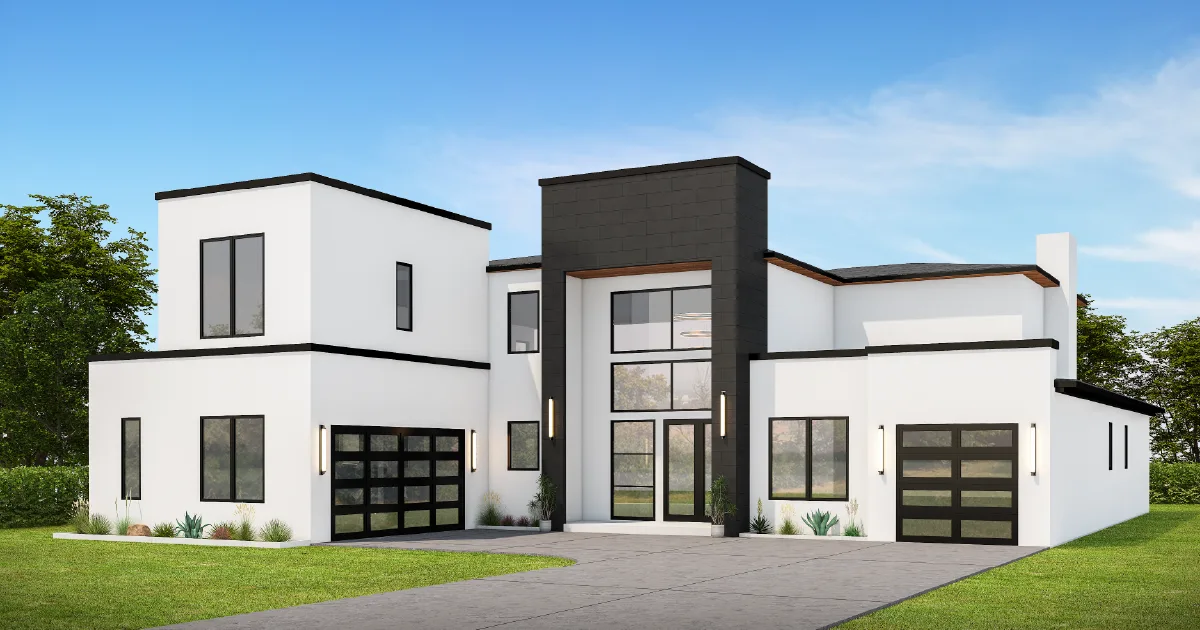
If you dream of a backyard for kids and pets, new construction single-family homes are likely the right fit.
If you value lock‑and‑leave convenience, shared amenities, or a slightly smaller footprint, new construction townhomes may suit you better.
Ask the sales team to explain how the HOA rules and fees differ between the two, and how that affects your long‑term lifestyle day‑to‑day.
A strong builder’s reputation is one of the quietest but most important factors in buying new construction homes for sale in 2026.
You can check online reviews, local real estate groups, or consumer rating sites to see how the builder handles issues during and after construction. Many buyers say that a transparent, responsive builder makes the entire process feel less stressful, even when small delays or punch‑list items come up.
“Built in 2026” doesn’t always mean “ready this year.” Weather, permits, and supply chain issues can still shift timelines.
Good builders typically share:
Ask specifically:
Buyer‑experience surveys often show that clear communication about timing helps people plan jobs, school moves, and budgets with less anxiety, even if the timeline isn’t perfect.
One of the biggest appeals of new construction homes is the ability to personalize your space. But not every “customization” is created equal.
When you ask, “How much can I change?”, pay attention to:
Customization often adds to the price, but many buyers find that a few carefully chosen upgrades—like better insulation or a home‑office‑ready layout—pay off over time in comfort and resale appeal.
New homes in 2026 are built to higher standards than older homes. Many new construction homes for sale include light-filling large windows, advanced insulation, and smart appliance packages that help lower monthly bills.
Ask to see:
You’re not just buying a structure; you’re buying a system that’s designed to respond to how you live, from your schedule to your sustainability goals.
When you buy new homes for sale, you also get a builder’s warranty that covers major structural issues, systems, and workmanship.
Typical coverage often includes:
Ask:
Some builders also partner with third-party warranty providers, which can add an extra layer of protection.
This isn’t just paperwork—it’s your safety net, so you don’t spend months after closing worrying about who’s responsible for a leak or a faulty circuit.
If you’re looking at new construction townhomes or master‑planned communities, chances are there’s a Homeowners Association (HOA).
Ask:
HOAs can be a big benefit—keeping shared spaces clean and safe—but they only feel supportive if you understand the rules before you sign.
You’re allowed to read covenants and ask, “Has the HOA budget changed in the last three years?” This kind of attention to detail helps you measure long‑term fit, not just sticker price.
Even if you plan to stay for years, thinking a little about resale potential helps you stay grounded.
Consider:
Ask the sales team:
This helps you pair your emotional vision (“This is where I see my kids growing up”) with practical reality.
If you’ve ever scrolled through listings and felt more confused than confident, you’re not alone. Knowing how to find new construction homes means narrowing your search from “anything that looks nice” to “everything that fits your actual life.”
Here’s how these 10 questions pull that together:
You start by focusing on neighborhoods and communities that match your commute, budget, and lifestyle.
You narrow by type—whether you prefer new construction single family homes or new construction townhomes—so you’re not wasting time on homes that don’t suit you.
You apply filters beyond price, like energy efficiency, customization, and warranty, which many buyers and industry groups highlight as key factors in satisfaction.
When you ask informed questions, you stop feeling like you’re “shopping for a house” and start feeling like you’re designing your next chapter.
You’ve just walked through the 10 questions that matter most when buying new construction homes for sale in 2026. Now comes the most exciting part: moving from “what if” to “what’s next?”
At MSR Communities, we’re not just listing new homes for sale— We help you imagine weekends in your own private backyard, enjoying alfresco dining under twinkling stars, hosting gatherings, preparing meals in a thoughtfully designed kitchen, and spending relaxed evenings with neighbors in a warm, connected community.
If you’re ready to:
Start by exploring our current homes for sale.
We’ll help you find the right community, the right floor plan, and the right answers—so your next home feels less like a purchase and more like a promise kept.