

Tiny Space, Big Harvest: Your Guide to Gardening in Tight Spaces

Tiny Space, Big Harvest: Your Guide to Gardening in Tight Spaces

You don’t need a big backyard to grow fresh food and make a green haven. You can have a beautiful garden even if your balcony, windowsill, or yard is very small. This guide is full of tips for gardening in a dream home to help you start your own urban oasis. It shows that gardening is fun for everyone, whether they live in a single-family home or a conveniently located townhome in the city. We’ll cover everything from planning and plant selection to advanced harvesting methods.

Step1: Plan Your Urban Oasis (Sunlight & Space Solutions)

Before you even think about buying a single seed, just look for the natural light. This is the base for your city farm. 

Sunlight is the most important thing for most herbs and vegetables.

  • The first thing you need to do is become a sunlight detective and figure out where you are. 
  • Follow the sun as it moves across your balcony, windowsill, or small yard during the day.
  • You want to find places that get at least six hours of direct sunlight.
  • Most fruiting plants and many herbs do best in this range.
  • Don’t worry if your space doesn’t get as much sun; all you need to do is change the plants you choose, which we’ll talk about later. 

You need to pick the right containers once you know how much sunlight your plants will get.

  • When you’re just starting out with container gardening, it can be hard to know where to start. 
  • There are many different sizes and types of pots, planters, and window boxes.
  • When you garden on a balcony or fire escape, the weight of your containers is very important.
  • Choose lightweight materials like plastic, fabric pots, or even recycled materials to keep the structure from getting too stressed.
  • Terracotta pots can be very pretty, but they are heavy and dry out quickly.
  • A self-watering container is a great upgrade for anyone who is always on the go. These have a built-in reservoir that pulls water up to the soil, so your plants will stay hydrated even if you forget to water them for a day or two. 

You’ll need the right tools when you’re ready to get your hands dirty.

  • You don’t need a big shed full of tools to take care of a small garden. 
  • Choose small, multipurpose gardening tools for small spaces.
  • You really only need a good pair of gardening gloves, a small trowel for digging, and a watering can with a narrow spout for watering exactly where you want it.
  • A hand cultivator can help you mix soil and pull weeds for more difficult jobs.
  • A small pair of pruners is great for harvesting and shaping your plants.

Step 2: Giving Your Plants the Right Soil and Nutrients

It’s time to think about the soil now that you have a plan for the containers and sunlight.

  • Using soil from their own yard is a common mistake that many new gardeners make. 
  • Garden soil is heavy and can easily compact in a container, which can kill your plants’ roots and make it hard for water to drain.
  • Instead, choose a high-quality potting mix made just for container gardening. These mixes are made up of a carefully balanced mix of compost, vermiculite, perlite, and peat moss. They are light, drain well, and give your plants the nutrients they need to grow.
  • Your container plants will need more than just the potting mix they came with. Their roots can’t reach new sources of nutrients like plants in the ground can.
  • You should start giving your plants a water-soluble or slow-release fertilizer about a month after you plant them. This will give them the energy they need to grow thick leaves and lots of fruit.

Step 3: Choosing Your Plants—What Will Grow Well?

  • This is where your map of the sun comes in. Now that you’ve made your plans, it’s time to pick the best plants for your city farm. 
  • Leafy greens are a great choice for small gardens because they grow well. You can grow lettuce, kale, spinach, and Swiss chard in small spaces and containers, and you’ll have fresh salads all season long. They are also great for places that don’t get much sun and are shady.
  • Another great choice is fresh herbs. You can easily grow herbs like basil, mint, cilantro, and parsley in a sunny spot. They will not only make your food taste better, but they will also smell great on your balcony. One of the best things about urban gardening is that you can cut fresh herbs whenever you want.
  • If you have a little more room and sunlight, think about getting compact fruiting plants. Hanging baskets or small containers are great for cherry tomatoes, for instance. They make a lot of tomatoes, so you’ll get a lot of juicy ones. Another great choice is peppers. There are many bright colors of bell peppers, and they don’t take up much space. You can also grow hot peppers, which are very productive in a small pot and make any dish taste better. You can even grow strawberries in a pot, and they’ll give you sweet, juicy berries.

Step 4: Learning advanced methods to get a bigger harvest

You don’t have to give up getting the most out of your harvest just because you live in a small space. You can make your balcony a productive powerhouse with a few smart tricks.

  • Vertical gardening is a game-changer for anyone who doesn’t have a lot of floor space. To grow vining plants up, try vertical gardening ideas like hanging baskets, vertical planters, and trellises. This clever method lets you grow indeterminate tomatoes, cucumbers, pole beans, and even squash, making a vertical jungle of tasty food. A simple trellis against a wall will work, or you could use a hanging basket system to be more creative. 
  • Succession planting is a secret that gardeners use to keep getting crops. It means planting crops that grow quickly, like lettuce and radishes, first. You can plant a slower-growing vegetable, like a pepper or cabbage, in the same container after you’ve picked the first one. You can get the most out of your crops all year long by planting them at different times. This way, you’ll always have something to harvest.
  • Water Wisely: Plants in containers dry out much faster than plants in the ground because they don’t have as much soil. You need to water them deeply and often, especially when it’s hot outside. A good way to tell if the soil is good is to touch it with your finger. It’s time to water if the top inch is dry. Putting a layer of organic mulch, like shredded leaves or straw, around the base of your plants will help the soil hold on to moisture, which means you won’t have to water as often and the roots will stay cool.
  • Don’t Forget About Pollination: In a small city, there may not be as many natural pollinators like bees. You can help your fruiting plants, like tomatoes and peppers, by gently shaking the flowers or using a small paintbrush to move pollen from one flower to another. This simple thing can make your harvest a lot bigger.

Phase 5: Growing with Your Community: Tools and Ideas

  • You can still enjoy the benefits of urban gardening even if you don’t have a balcony. It’s great to grow herbs and small leafy greens on windowsills. Your plants will get the most sunlight if you have a window that faces south. 
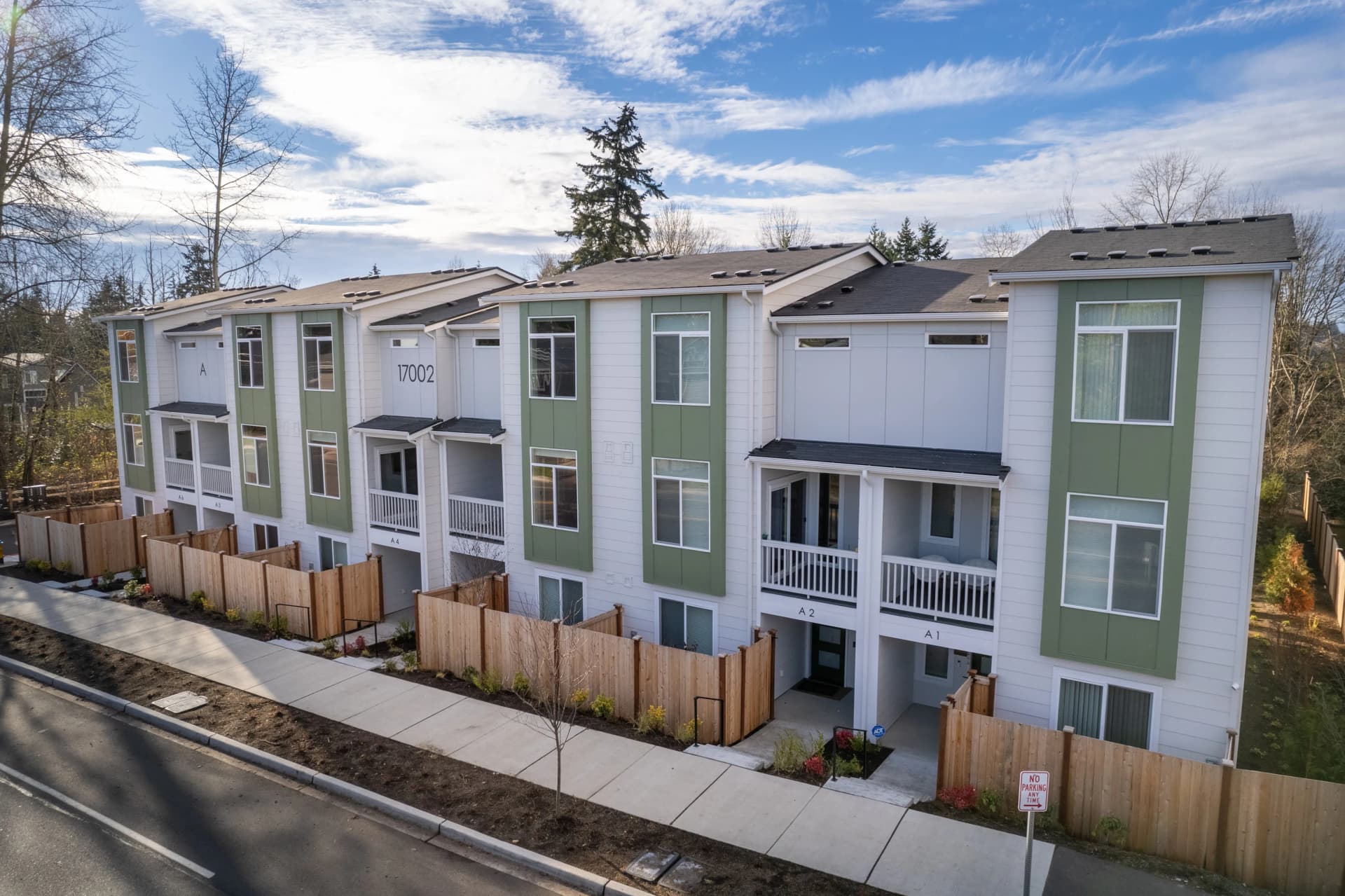
  • If you live in a new townhome with limited yard space, you might want to think about making raised garden beds. They change the game by making it easier to plant and care for your crops and by improving drainage for the best plant health.
  • There are a lot of things you can use to help you with your urban gardening. You can find free apps that can help you with planting and care reminders that are specific to your area. Another great way to learn from other urban gardeners is to join a local gardening club. You can also take part in plant swaps, where you trade seedlings and cuttings with other people to add more variety to your urban oasis.

Let’s Get Growing

You can turn your balcony, windowsill, or small yard into a thriving urban farm with some planning, these helpful tips, and a little creativity. Growing your own food gives you a deep sense of satisfaction. You can enjoy the taste of fresh produce that you grew from a tiny seed, and you can also bring some green and life into your city experience. It connects you to nature and is a fun hobby that you can do anywhere. 

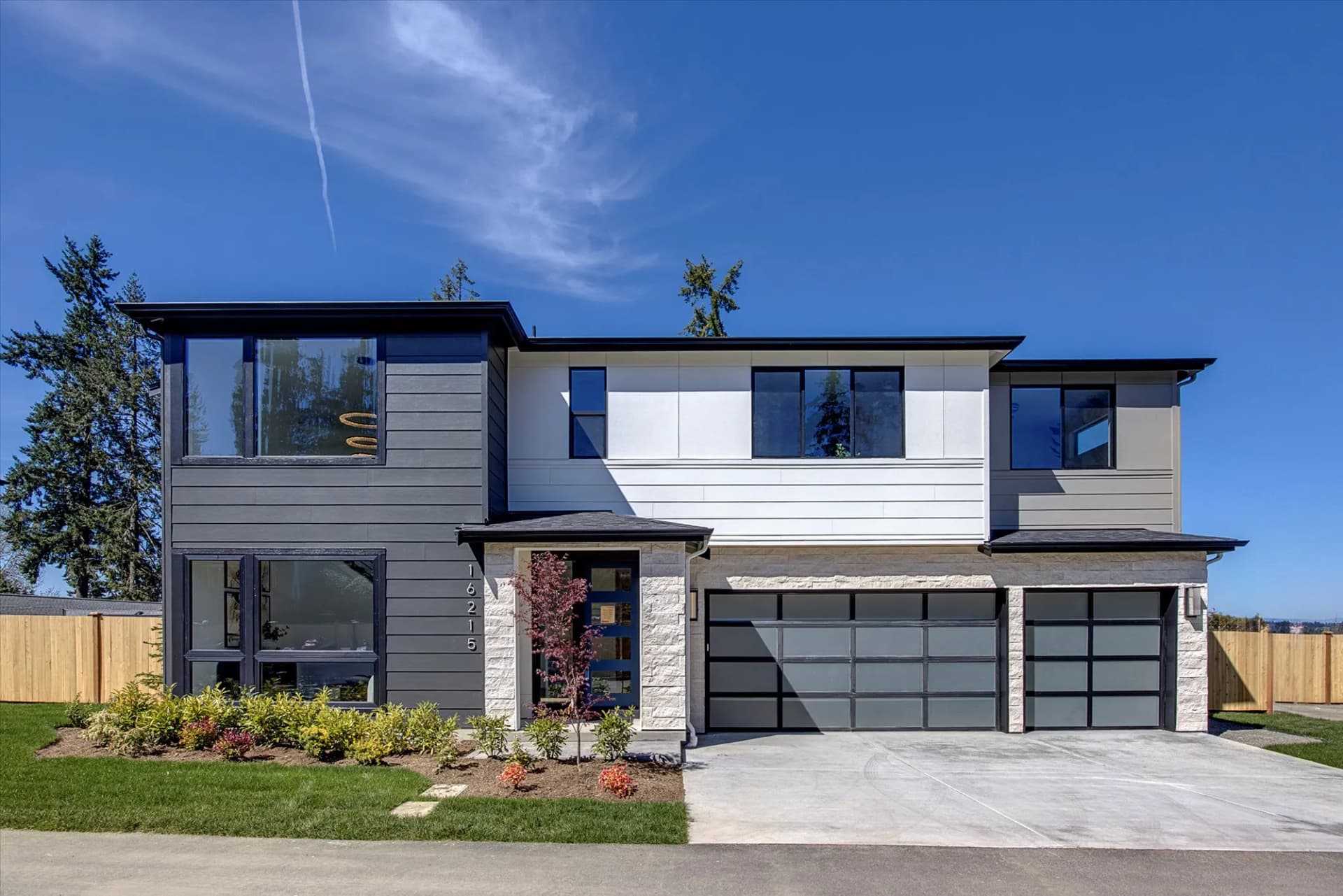
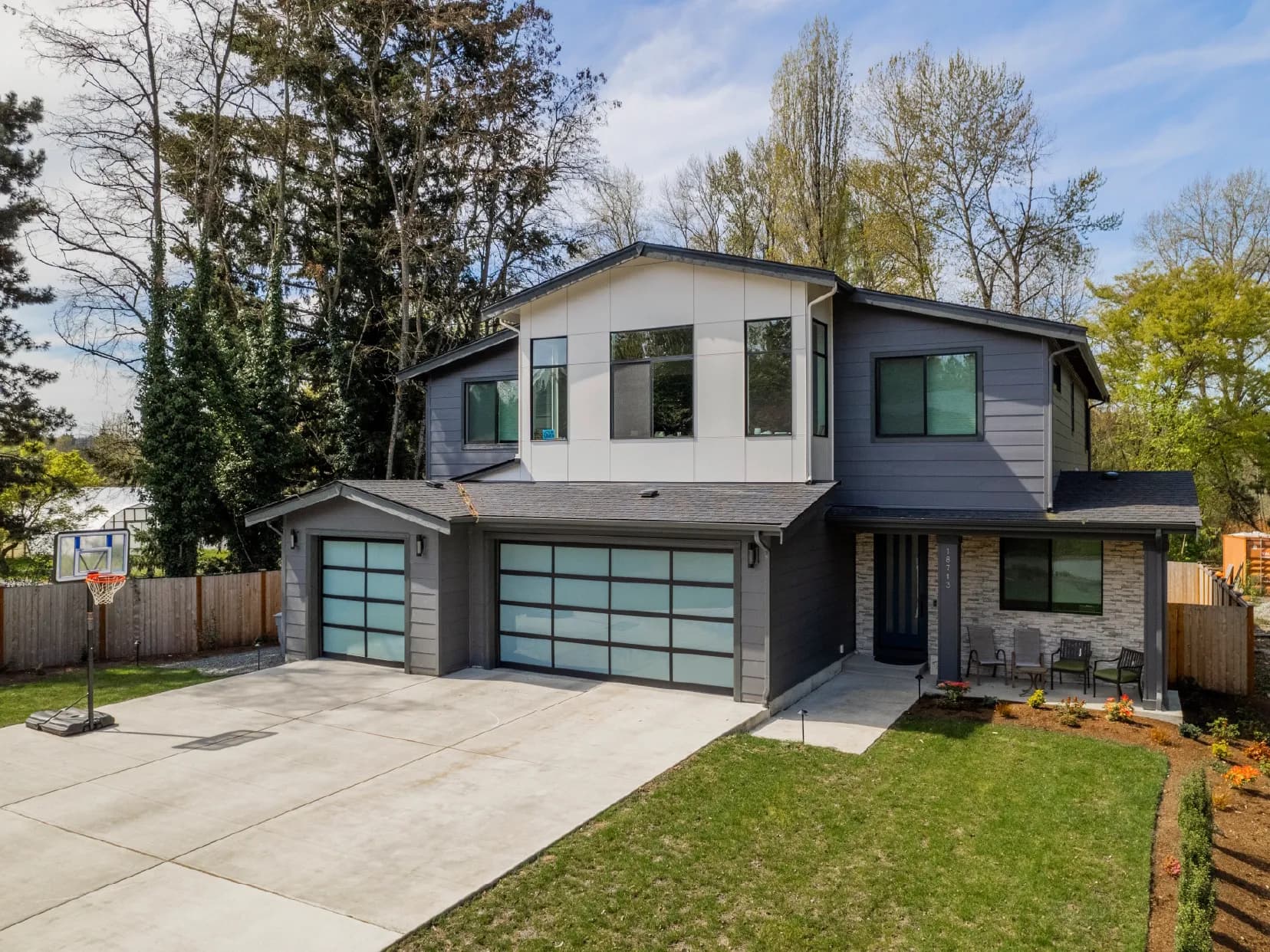
MSR Communities offers beautiful single-family homes and townhomes designed for modern city living—perfect for plant lovers ready to create their dream garden after moving into a new home. Thoughtfully built for life in Washington State, these homes are made to fit the way you live. Explore our available homes today. 


Request Info
Offer
Call Us Enquire Now