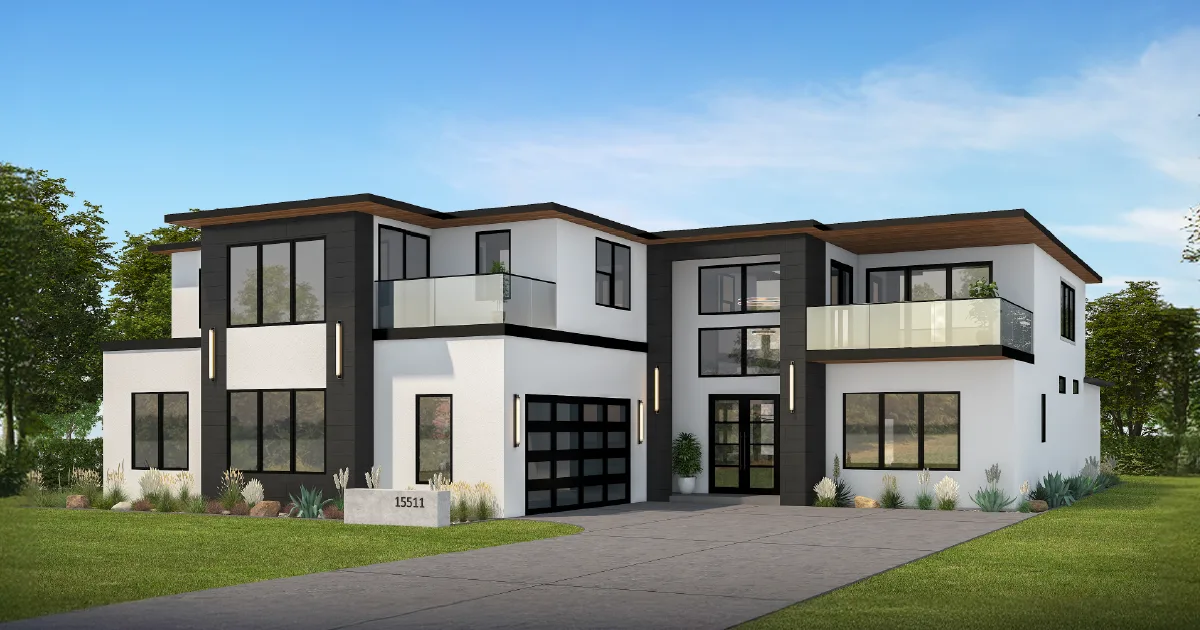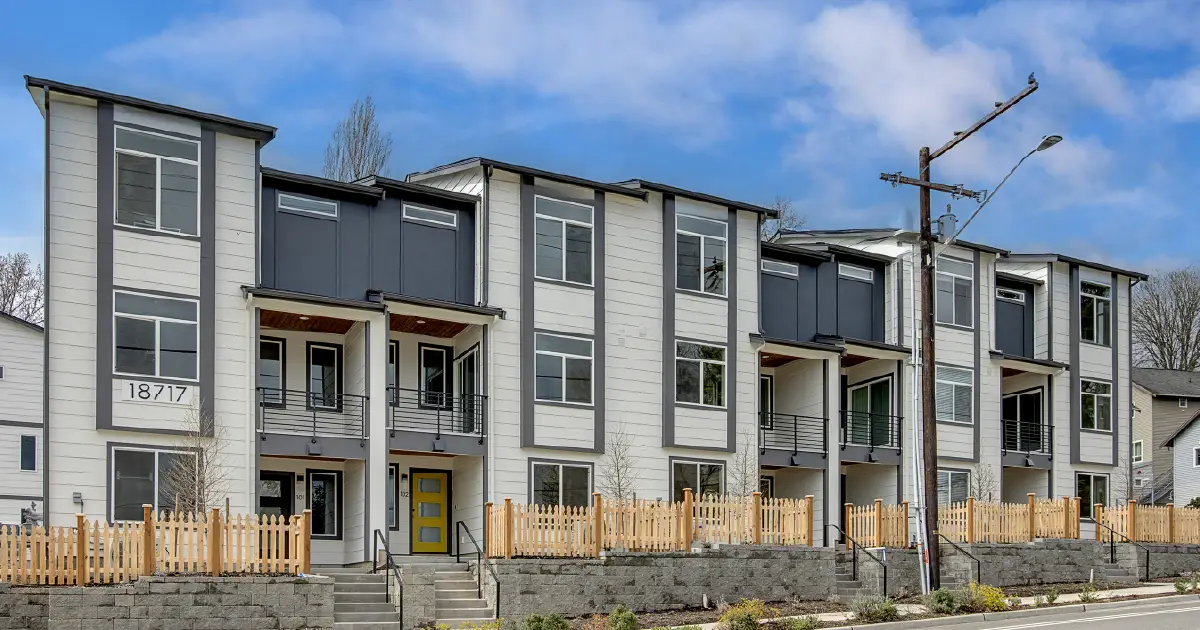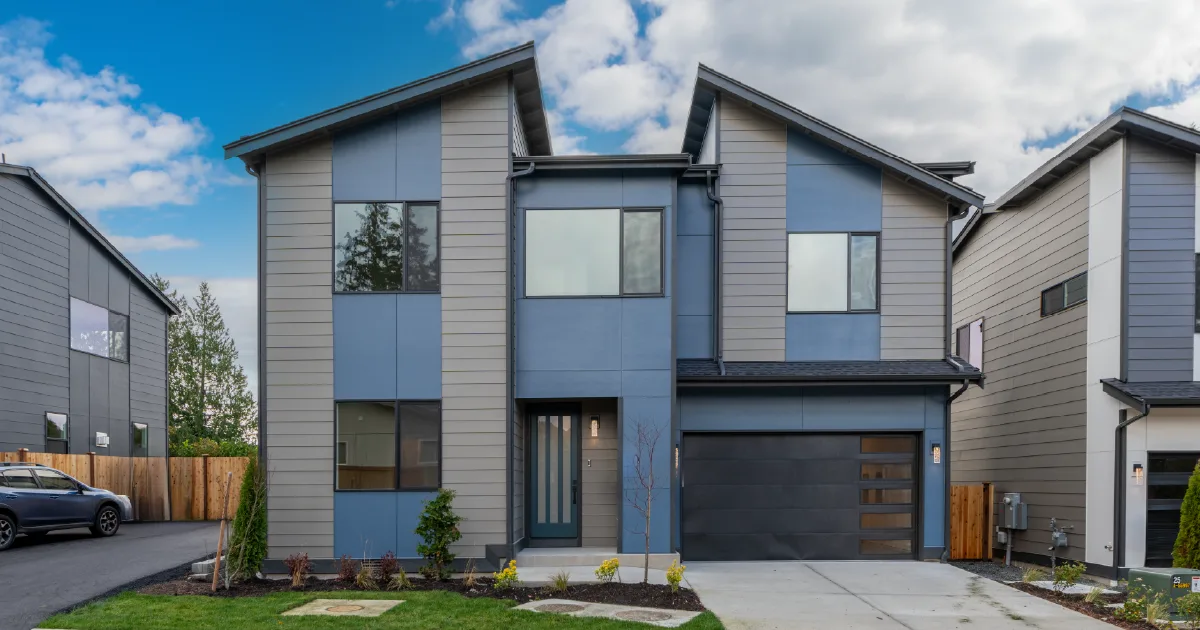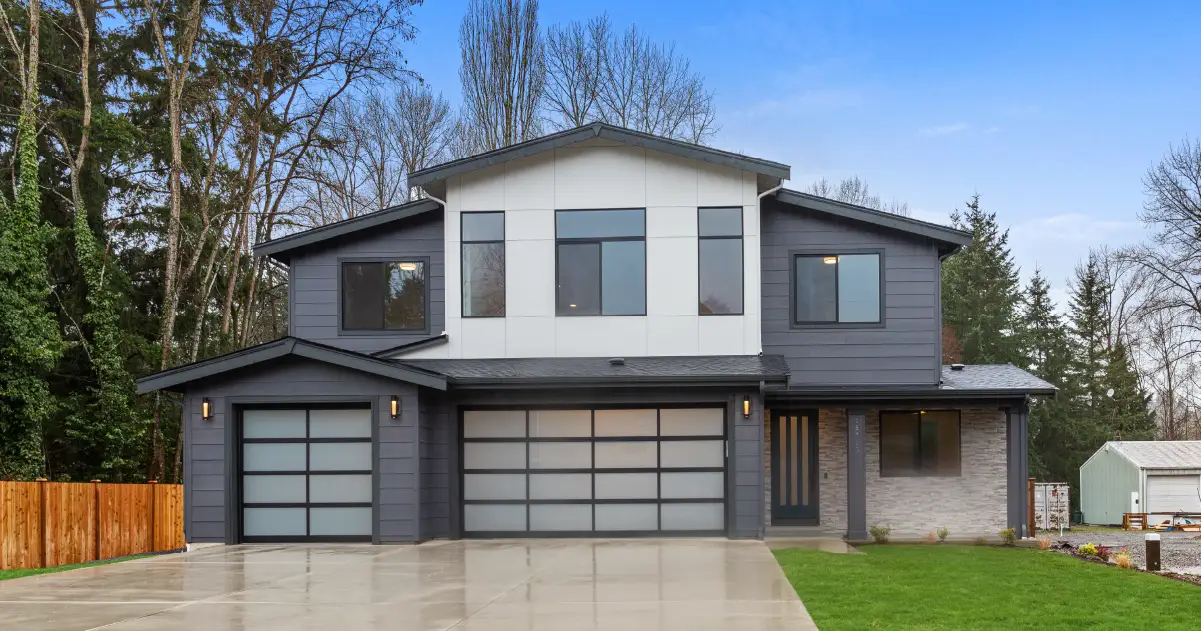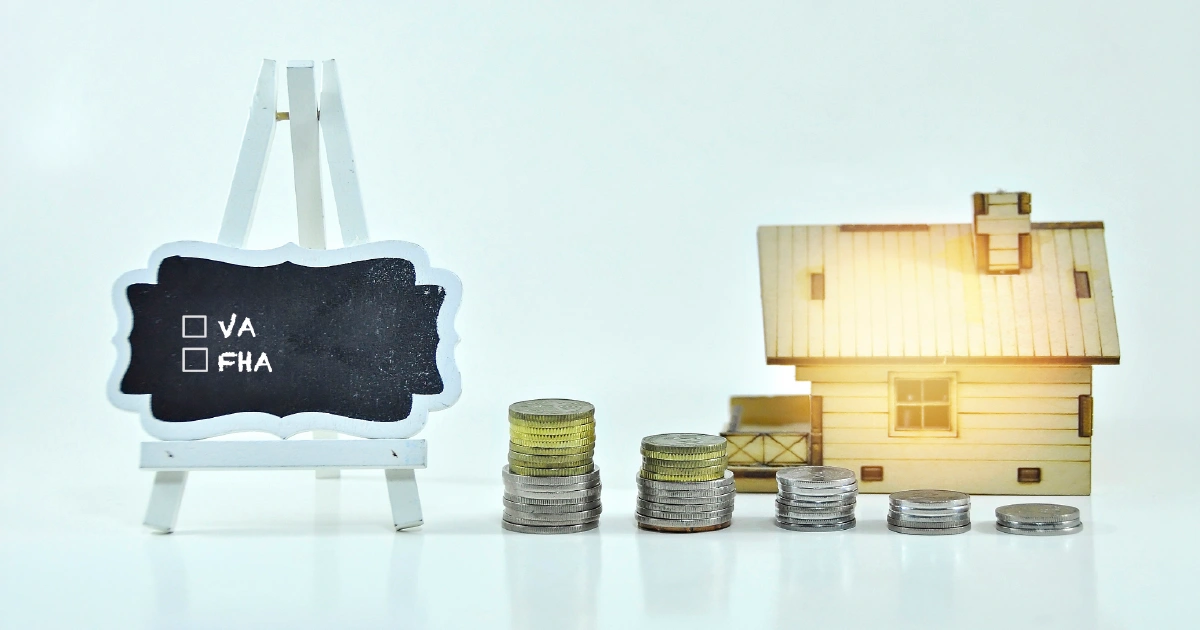
Being a homeowner is a significant life milestone for many Americans. Thankfully, government-backed mortgage programmes like VA and FHA loans make that dream much more attainable for first-time homebuyers, active-duty service members, and veterans. Knowing how to use a VA or FHA loan can open doors to homeownership that might have otherwise seemed unattainable, whether you’re looking at single family homes for sale or newly constructed townhomes for sale.
The Federal Housing Administration (FHA), a division of the U.S. Department of Housing and Urban Development, insures mortgages referred to as FHA loans. The purpose of these loans was to enable more people, particularly those with lower credit scores, smaller savings, or little prior housing market experience, to become homeowners. FHA loans are particularly appealing to first-time buyers because they have more lenient requirements than conventional loans and frequently permit smaller down payments.
Conversely, VA loans are intended exclusively for active and retired military members and are provided by the U.S. Department of Veterans Affairs. One of the most effective resources accessible to qualified service members are Veterans Affairs home loans, which offer mortgages with no down payment, no private mortgage insurance (PMI), and incredibly low interest rates. For those who are eligible, this makes them a fantastic choice, particularly in the expensive real estate market of today.
Lower credit score requirements are one advantage of FHA loans; normally, scores as low as 580 can qualify for a 3.5% down payment. Additionally, borrowers with existing debts can more easily qualify for these loans because they allow higher debt-to-income ratios than traditional loans. Additionally, FHA loans are assumable, meaning that if you sell your home, a future buyer may be able to take over your mortgage, potentially at a lower interest rate.
VA loans have significant benefits of their own. One of the most alluring aspects is that, in the majority of situations, there is no down payment needed, enabling qualified buyers to finance 100% of the value of their house. VA loans can save borrowers hundreds of dollars a month because they don’t require mortgage insurance, unlike FHA or conventional loans. VA loans usually have lower interest rates, but there is a one-time funding requirement.
If you’re considering using an FHA loan, it’s important to understand the Federal Housing Administration loans requirements. To qualify, borrowers generally need a credit score of at least 580 for the 3.5% down payment. If your credit score falls between 500 and 579, you may still qualify by putting down 10%. Lenders will also look at your debt-to-income ratio, which usually should not exceed 43%, though some exceptions exist. You’ll also need to provide documentation showing steady income or employment over the past two years. Lastly, the home must be your primary residence, not a rental or investment property.
Eligibility for a VA loan depends on your service record. In general, you’re eligible if you’ve served 90 consecutive days of active service during wartime, 181 days during peacetime, or more than six years in the National Guard or Reserves. Spouses of service members who died in the line of duty or as a result of a service-connected disability may also be eligible. To begin the process, you’ll need to obtain a Certificate of Eligibility (COE) from the VA, which confirms your eligibility for the program.
Once you know you’re eligible for an FHA or VA loan, the next step is getting pre-approved. This means contacting a mortgage lender who is familiar with Federal Housing Administration loans or Veterans Affairs home loans. A pre-approval letter shows sellers that you are a serious buyer and gives you a clear idea of how much house you can afford. It also helps speed up the buying process once you’ve found a home you love.
With pre-approval in hand, you can start shopping for a home. Both FHA and VA loans can be used for a wide range of properties, including single family homes for sale and newly built townhomes for sale, as long as the property will be your primary residence. Your real estate agent will assist you in submitting an offer once you’ve located the ideal house. During negotiations, sellers may be asked to pay certain fees that buyers are not permitted to pay for VA loans.
The house must be appraised to make sure it satisfies minimum property requirements after your offer is accepted. According to an appraiser approved by HUD, the property must be in safe, liveable condition for FHA loans. Similar appraisal procedures are necessary for VA loans in order to guarantee that the house is both structurally sound and worth the purchase price. Even though these evaluations are required, it’s a good idea to hire a private home inspector to provide you with a more thorough evaluation of the property’s condition.
Ultimately, you will close on the house after all the documentation is finished and your loan is authorised. You will be required to pay an annual and upfront mortgage insurance premium for FHA loans. In contrast, VA loans come with a one-time funding fee that varies based on your down payment and whether this is your first time using the benefit. To lower up-front expenses, this fee is frequently rolled into the loan amount.
So, which is better—an FHA or VA loan? It really depends on your situation. If you’re a veteran, active-duty service member, or eligible spouse, a VA loan is usually the superior choice due to its zero-down payment requirement and absence of monthly mortgage insurance. However, for those who don’t qualify for a VA loan, an FHA loan offers an excellent alternative with low down payments and flexible qualification criteria.
Interest rates on VA and FHA loans are typically competitive. Particularly for borrowers with lower credit scores, home loan rates from the Federal Housing Administration are typically marginally lower than those of conventional loans. Because of government support, VA loans, on the other hand, frequently have the lowest rates available. To compare offers and identify the best terms, it’s a good idea to shop around with multiple lenders.
In conclusion, using programmes like FHA or VA loans makes purchasing a home much more feasible. Particularly for first-time homebuyers or veterans navigating a difficult real estate market, these government-backed options offer flexibility, reduced entry barriers, and financial savings that can make all the difference. Knowing how to use a VA or FHA loan can be crucial to making your dream come true, whether you’re looking at newly constructed townhomes for sale or perusing listings of single family homes for sale.