Whether this is your fifth property purchase or your first, purchasing a home is a significant event. It’s full of decisions, excitement, and occasionally perplexity. You’ve undoubtedly been wondering how much all of this will actually cost if you’ve been looking through listings for single-family homes for sale or admiring those striking newly constructed townhomes.
Closing costs are an additional element that frequently surprises buyers in addition to the advertised price. These additional costs may influence your ultimate spending plan and your level of readiness on the big day. So, let’s talk about what they are, how much you’ll likely pay, and how you might be able to save a bit along the way.
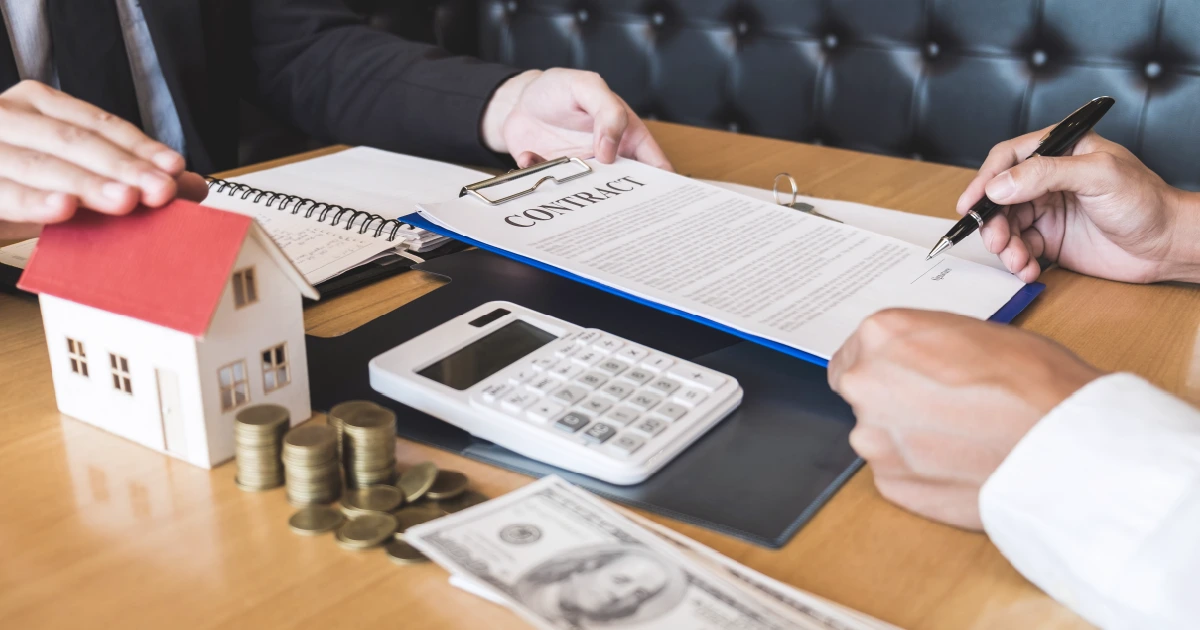
Closing costs are all the fees and charges that come due at the very end of your home-buying process — when you’re about to sign the paperwork and take ownership. You won’t see them plastered across property listings, but they’re absolutely real.
As a buyer, your closing costs may include:
• Fees for originating your mortgage
• Title search and title insurance
• Home appraisal and inspection
• Attorney or escrow services
• Prepaid property taxes and homeowners insurance
• Government fees for recording the sale
Though sellers have their own costs too, we’ll keep the spotlight on the buyer’s side here.
Closing costs typically range from 2% to 5% of the purchase price, depending on the home’s price and a few other variables.
For example, closing costs for a ₹50 lakh home could range from ₹1 lakh to ₹2.5 lakh. However, these figures aren’t set in stone; they change depending on your lender, where you live, and the services that are included in your contract.
Lenders may offer mortgages with no closing costs, which sounds fantastic, but it’s not always as simple as it looks.
These lenders typically still collect the costs, but they do so in a different way. They may roll the fees into your mortgage balance or give you a higher interest rate, meaning you’ll pay more over the life of the loan.
So, “no closing costs” doesn’t mean the fees disappear — it just means you’re postponing or distributing them.
Yes, very much so. You may require a more thorough examination, perhaps even specialised ones like termite or foundation reviews, if you’re looking at older single-family homes for sale. Additionally, larger homes might need more insurance, which would raise the price.
Conversely, newly constructed townhomes typically have fewer surprises because they typically require fewer repairs and easier inspections. However, the total cost of these homes may still include builder fees or homeowners association dues.
To put it briefly, each type of property has a unique set of possible fees. It’s worth asking detailed questions during your research phase to avoid unwelcome surprises.
Definitely! Closing costs aren’t always set in stone. Many buyers successfully reduce them through a mix of strategy and negotiation.
Here’s what can help:
• Shop around: Compare lenders, title companies, and legal services. Even small differences in fees can add up.
• Ask the seller: In some markets, sellers may agree to cover part of your closing costs to help get the deal done.
• Use builder incentives: Developers of newly built townhomes often offer perks like covered closing costs or discounted services as part of promotional packages.
• Request lender credits: Some lenders offer to cover specific fees in exchange for a slightly higher mortgage rate. It’s not a free lunch, but it might help if you need to save upfront.
These moves require some research, but they can lead to meaningful savings — especially helpful if you’re trying to keep your overall budget manageable.
It’s simple to lose sight of everything else and concentrate only on a home’s sale price, particularly if you’re experiencing the emotional high of discovering your ideal residence. However, closing costs can quickly change your financial situation, so you might find yourself in a tight spot if you don’t account for them.
You can stay ahead of the game by taking the time to figure out closing costs, regardless of whether you’re planning for a modern townhome with all the upgrades or a modest single family home. Early on in the process, you can even request a Loan Estimate from your lender, which clearly outlines the anticipated expenses.
Setting aside money for closing expenses also helps you avoid last-minute delays. Deals fall through every day because buyers didn’t fully understand or prepare for these extra expenses. A little foresight gives you confidence and peace of mind.
If you’re serious about buying, start by building a checklist. Include the expected price, the type of home you’re interested in, your estimated down payment — and then add in projected closing costs. Aim for the higher end of the 2–5% range so you’re not caught off guard.
Talk with different lenders. Ask about programs with reduced fees or see if they offer mortgages with no closing costs (just make sure to calculate the full cost over time). Ask real estate agents and builders whether sellers or developers are offering closing cost assistance.
Basically, turn every stone. The more you know, the better choices you can make — and the smoother your path to homeownership will be.
Closing costs might not be the most thrilling part of buying a home, but they’re one of the most important. They affect how much money you need on hand, how you negotiate, and what kind of loan works best for you.
Whether you’re browsing single family homes for sale or drawn to newly built townhomes for sale, learning how to calculate closing costs — and how to reduce them — helps you take control of your purchase. Because when it’s finally time to sign the papers and receive your keys, you’ll want to feel excited, not financially stressed.