Custom Home Builders in Texas: From Concept to Completion
When you wish to enter the world of custom home building and are looking for luxury custom home builders in Texas, want to understand how the process works, or are curious about custom home builders with floor plans, this article offers an in-depth look at how the journey unfolds. We’ll also touch on topics like why investing in custom Builds, what custom home builders do and cost considerations. By the end, you’ll have a clearer sense of how to move forward with confidence.
The Draw of Building Your Own Home
Building a custom house means you’re not merely buying from a catalogue of existing homes. Instead, you’re working with a builder or design team to construct and personalize your specific lifestyle, interests, and the land you’ve chosen. With the right builder, you can choose or modify floor plans, select finishes, consider futureproofing, and build a home that reflects you rather than someone else’s “standard”.
Why Texas Makes Sense
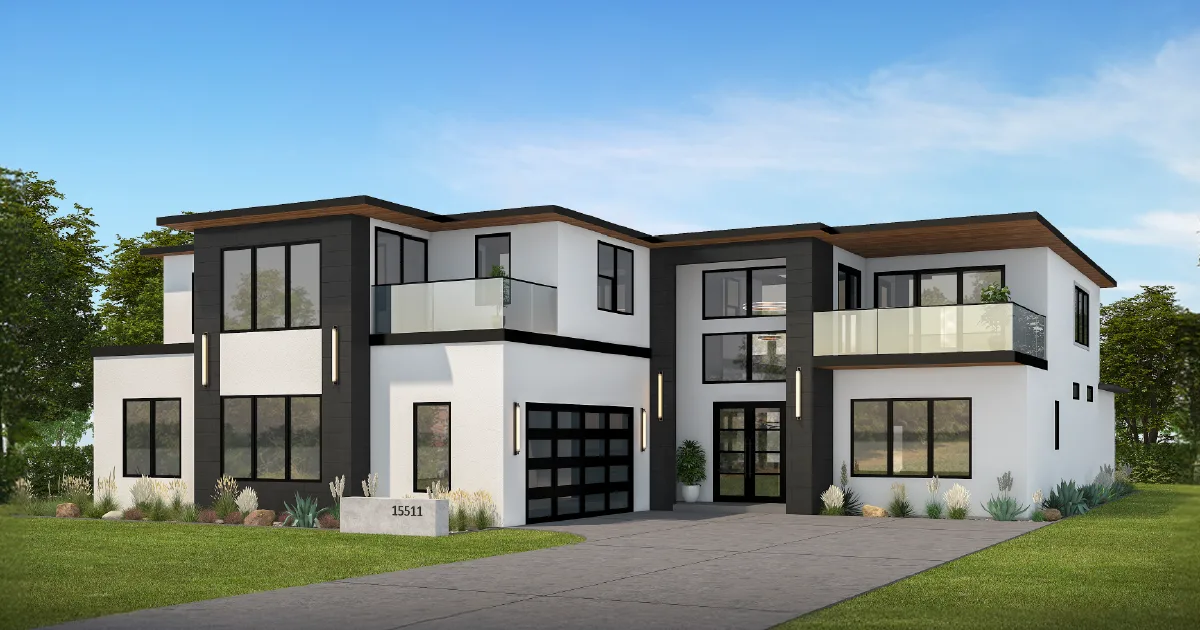
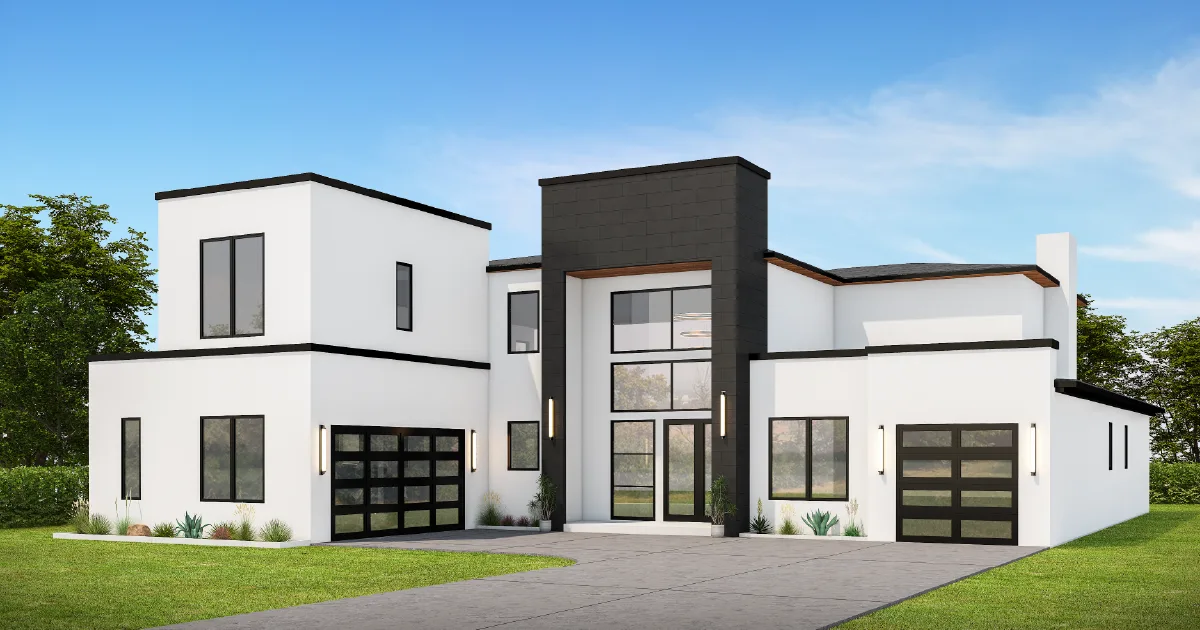
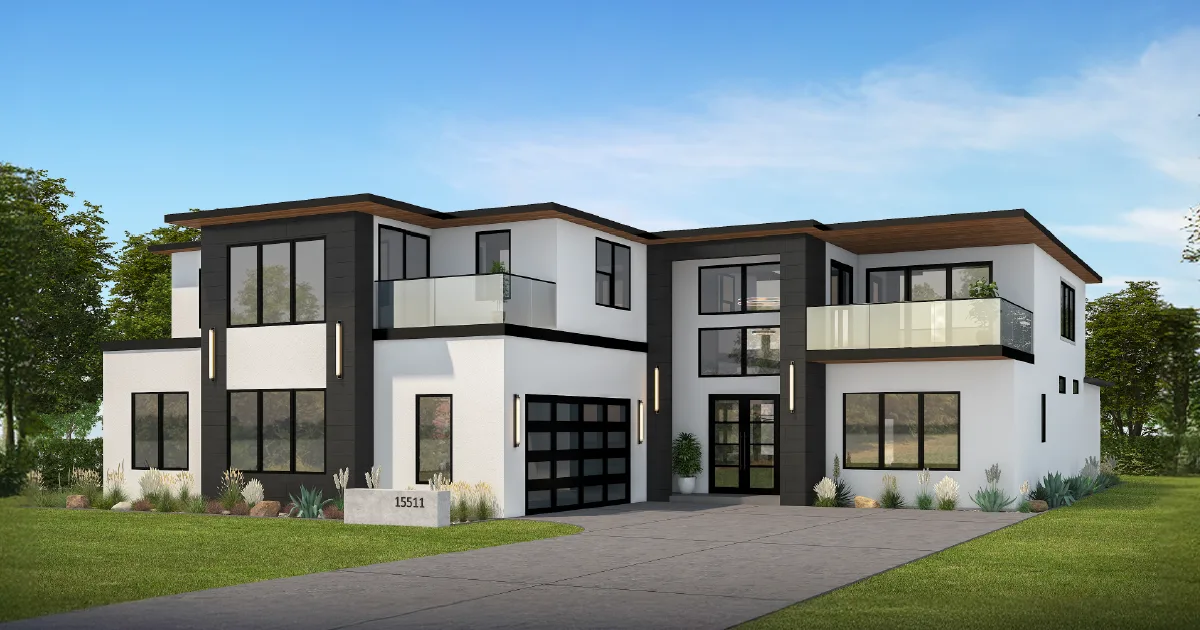
Texas is booming with opportunity for custom home building. With plenty of land, builder-friendly regulations, and a fast-growing population looking for unique places to call home, it’s no wonder the Lone Star State stands out. From Dallas–Fort Worth to Austin, Houston, and Frisco, top builders are crafting everything from luxury custom homes to sleek new townhomes — designed for the way Texans really live.
Identifying the “Best Custom Home Builders Texas”
When you search for the best custom home builders in Texas, you’ll want to look for builders who demonstrate:
- Strong reputation and portfolio of completed homes
- Flexibility in floor plan and finish choices (i.e., customisation)
- Transparent process from concept through completion
- Quality craftsmanship and proven project management
- Good communication and alignment with your goals
By doing your homework, you’ll get closer to finding a builder who will partner with you to develop your tailored home.
What Do Custom Home Builders Do?
1. Concept & Pre-construction
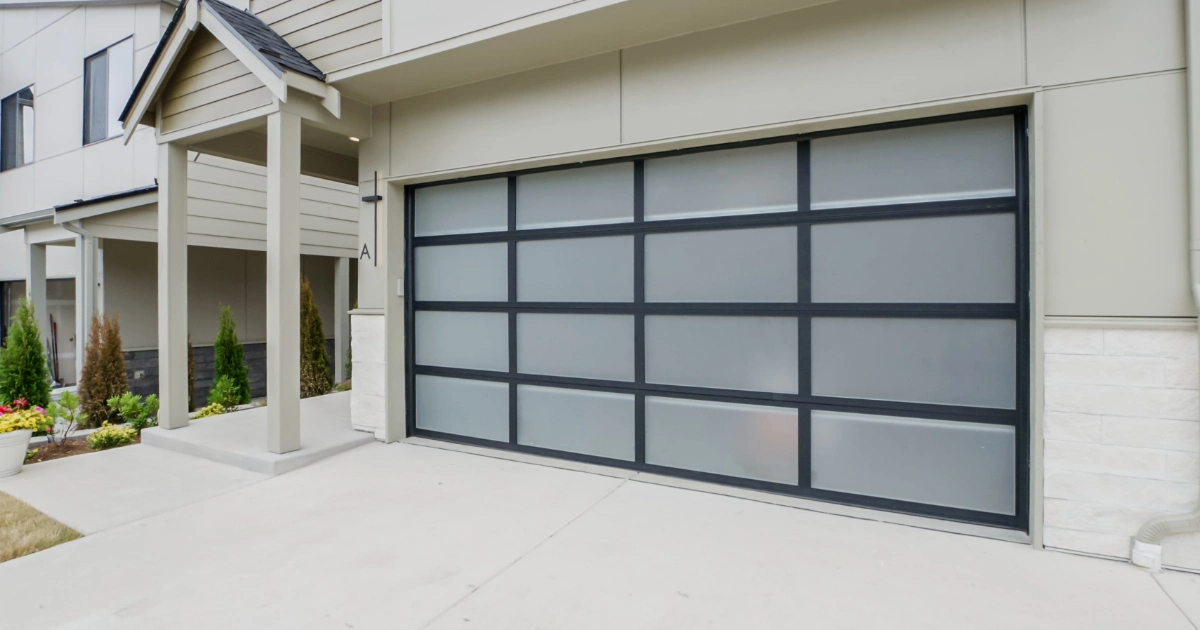
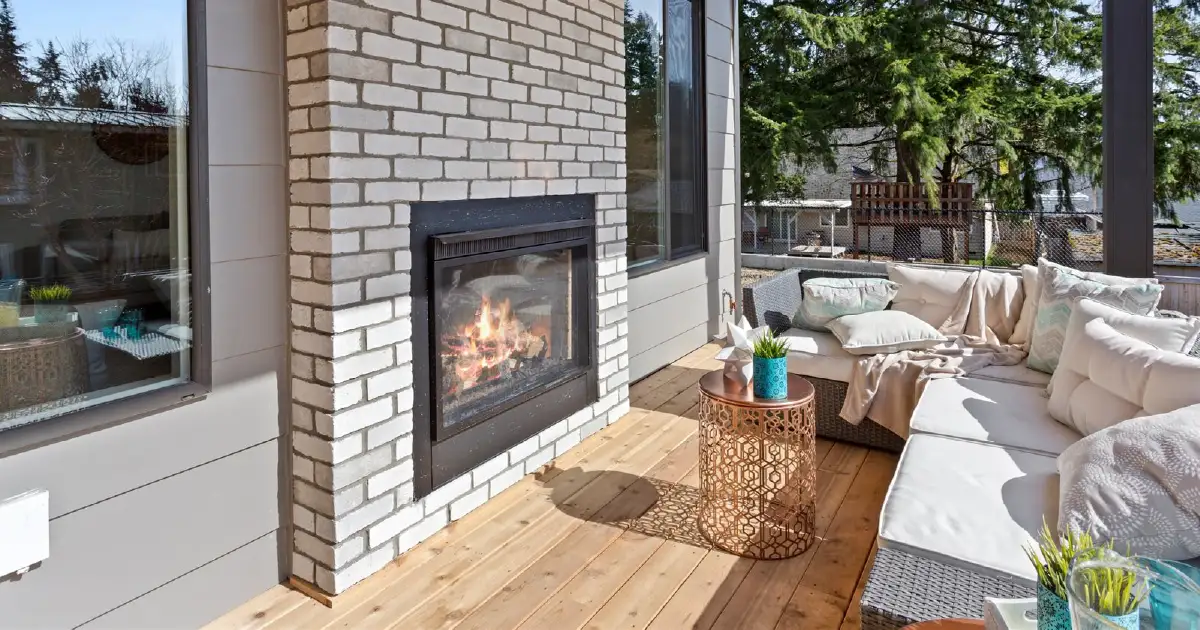
- Work with you (and possibly an architect) if you want an office or flex space, the size of the garage, and the kind of outdoor living areas that fit your lifestyle
- Select or create floor plans that complement the way you live and suit your lot’s unique characteristics
- Early budgeting: Estimate cost based on design, finishes, site conditions, and timeline.
- Identify key factors like soil quality, grading, drainage, access, available utilities, and any zoning or HOA restrictions.
- Know the details of the permitting process, including local building codes, possible variances, and required approvals.
2. Design Development & Documentation
- Finalize the blueprint like floor plan, elevations, and structural systems.
- Choose materials, finishes, fixtures, cabinetry, and lighting – often in collaboration with an interior designer or the builder’s design centre.
- Produce detailed drawings and specifications for bidding and construction.
- Secure any required sub-contracts or specialist consultants (engineers, landscape, HVAC).
3. The Building Phase
- Prep & Pour: Clear the site, handle the grading, and lay the foundation (slab, crawlspace, or basement).
- Shell Up: Erect the framing, secure the roof, install the sheathing, and set the doors and windows.
- Utility Core: Rough-in the essential systems—plumbing, electrical, HVAC, and complete the insulation.
- Interior Impact: Hang the drywall, install the flooring, place the cabinets and trim, and finalize all finishes.
- Curb Appeal: Complete the site work: driveway, landscaping, patios, and perimeter fences.
- Final phase: Perform the final inspection and execute the official key handover.
- Work on the outside, or site, includes the driveway or garage, landscaping, patios, and fences.
4. Warranty Documenation
The builder gives the keys and other important papers (warranties, manuals, as-built drawings) to the new owner.
Many bespoke builders only guarantee their work and materials for a short time (like one to two years).
Your follow-up involves getting settled in, and the builder may help with any problems that come up after you move.
Why a Custom Builder’s Floor Plans Matter
When we talk about custom home builders with floor plans, the floor plan is one of the most important starting points. Here’s why:
- The floor plan dictates how you live and move through the space: placement of kitchen, bedrooms, office, outdoor access.
- Good custom builders will provide a range of base floor plans but allow you modifications: shift walls, adjust stair placement, swap rooms, expand garage, add outdoor space.
- Tailoring your floor plan to the lot means making the most of what your property offers—positioning living spaces to capture the best views, designing for privacy from neighbors, and letting in plenty of natural light.
- Future-proofing: Multi-generational use, home office, adaptable spaces—all manageable if the floor plan is flexible.
- Budget control: Starting with a sensible base plan and upgrading in phases helps control costs vs fully designing from scratch.
When interviewing a builder, ask: “How many base floor plans do you offer? How much modification is allowed? Can I bring my architect or designer? How are changes priced?” A builder who offers robust floor-plan options and customization is a strong signal of quality.
The Build Timeline: What to Expect
Although each custom home build is unique, here’s a rough timeline you can expect when working with a quality custom home builder in Texas:
- Pre-construction / planning (1–3 months)
- Meet with builder/architect, define vision
- Finalise lot analysis, floor plan, finishes, budget
- Obtain permits and approvals
- Construction – site and structure (2–4 months)
- Site prep, foundation, framing, roofing
- Exterior windows/doors, rough systems installed
- Construction – interior and finishing (2–4 months)
- Plumbing, electrical, HVAC, insulation
- Drywall, flooring, cabinetry, trim, paint
- Exterior finishes, landscaping
- Final inspections & hand-over (1 month)
- Punch-list items addressed
- Homeowner orientation, warranty documents, move-in
Total time for a custom single-family home might range between 6–12 months (or more for very large/complex builds). Townhomes may be faster. Ask your builder for a detailed schedule and communicate frequently.
Cost Considerations for Luxury Custom Homes in Texas
When exploring luxury custom home builders Texas, it’s helpful to understand the cost drivers:
- Size Is Important: In short, the bigger the house (more square footage), the more it will cost to buy materials and hire workers to put it all together.
- Design Complexity: Features such as fancy rooflines, tall ceilings, or custom woodwork that are not standard require more time and skill to create, resulting in higher costs.
- High-End Finishes: The materials you choose add up quickly. High-end appliances, smart home technology, and custom cabinets are some of the most important things to spend money on.
- Is the ground sloped, or does it have strange soil? Difficult site conditions often mean that prep work or utility extensions cost more.
- Prices change depending on where you build. If you want to build in a very desirable area, you will probably have to pay more for labor and materials.
- You pay more the more you go off the beaten path. More customization means more choices and usually a higher final price.
- Don’t Rush the Process: If you try to speed up construction, you might have to pay extra for overtime and rush orders, which will raise your costs.
- Market Swings: Inflation and the cost of materials can change while you’re building, so keep an eye on them.
Pro Tip: Always have a backup fund ready for those unexpected problems or changes that come up at the last minute. A good builder will help you figure out these trade-offs so you don’t have any surprises.
Bringing It All Together
When you build a custom home, having a clear plan helps everything come together, whether you’re looking for the best custom home builders in Texas, looking into flexible floor plans, or just learning what custom builders do.
- Start by figuring out what’s most important to you in a home: the rooms you’ll use the most, the features that matter, and the little things that make a house feel like home.
- Pick a lot that fits with those goals and makes the most of your home’s potential.
- Look for a builder who is known for being honest, open, and working together.
- Then, work on getting the details right, like your floor plan, finishes, budget, and schedule.
Are you ready to move on? Contact us today and start making plans for your new home.