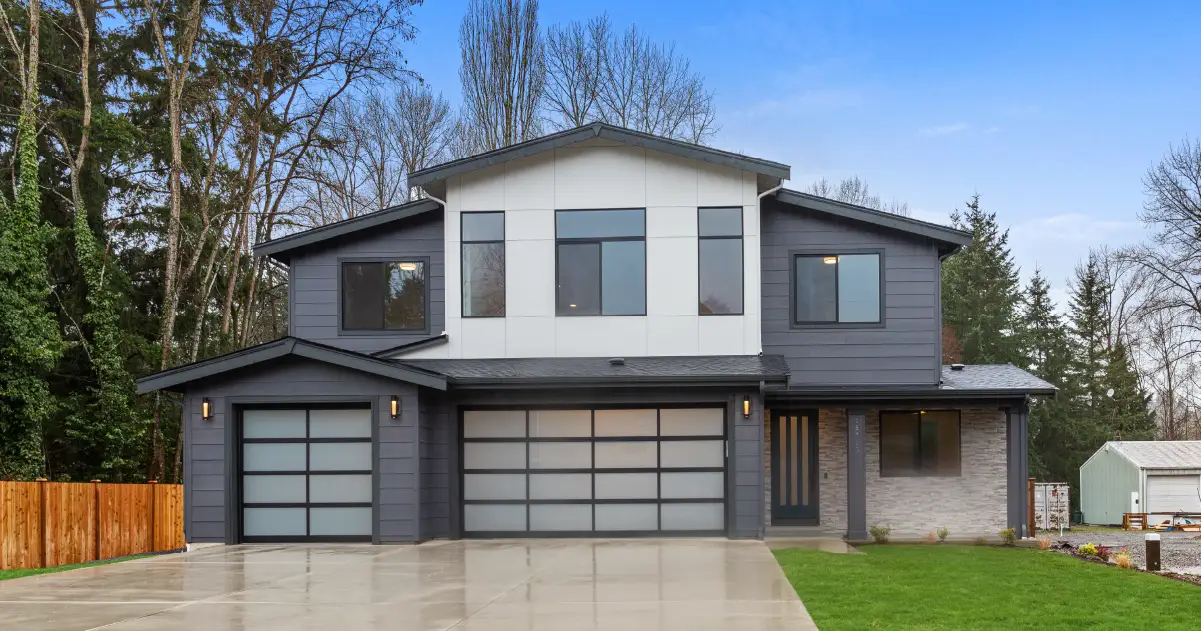
An adjustable rate mortgage (ARM) is a type of home loan in which the interest rate changes every so often, usually after a set amount of time. ARMs are based on how the market is doing and can change over time. With fixed-rate mortgages, the interest rate stays the same for the life of the loan.
You should know what ARMs are if you’re thinking about getting a mortgage for a new house or comparing fixed-rate and adjustable-rate mortgages. This guide explains how adjustable rate mortgages (ARMs) work, what their pros and cons are, and how to find the best ones for your needs.
An ARM has a lower interest rate at the beginning than a fixed-rate loan. This first rate is usually set in stone for a set amount of time, which is usually three, five, seven, or ten years. After that, the terms of the loan can change. This means that the interest rates on adjustable mortgages change based on a benchmark index, such as the Secured Overnight Financing Rate (SOFR) or the U.S. Treasury rate.
For example, a 5/1 ARM means that the loan’s interest rate stays the same for the first five years and then changes every year. To find the adjustment, add a margin (given by the lender) to the index rate. There are usually limits in place to keep the rate from going up too much at each adjustment and over the life of the loan.
The main difference between fixed-rate and adjustable-rate mortgages is how easy it is to guess what will happen. With a fixed-rate mortgage, your monthly payments stay the same for 15, 20, or 30 years. This keeps them stable. ARMs, on the other hand, have lower initial payments but the risk of higher payments later on.
A fixed-rate mortgage is a good choice for people who want to stay in their homes for a long time and value stability. An adjustable rate mortgage is a better choice if you plan to move, refinance, or sell before the adjustment period starts. If you buy a new home and want to move up in five years, for example, an ARM could save you money over the first few years. A fixed-rate loan would be better if you want to live there for a long time, though.
The best adjustable rate mortgages are those that are both safe and affordable. Buyers should choose ARMs with low initial rates because these lower payments during the fixed period. It’s also important to have reasonable margins because when rates go up or down, smaller margins mean smaller changes. There are limits on how much rates can go up, both every year and over the life of the loan. Finally, lenders should be honest about how they set and change rates.
Lenders often sell ARMs to people who are buying new homes because the lower initial payments can make bigger homes more affordable. You should look at offers from banks, credit unions, and mortgage brokers to get the best deal.
Economic indexes affect the interest rates on adjustable-rate mortgages. Your mortgage rate goes up when the benchmark index goes up and down when it goes down. This means that the amount you pay each month can change a lot over time.
If your ARM is tied to the Treasury index and rates go up by one percent, your mortgage rate will go up by that amount plus the lender’s margin. But if rates go down, your payments might go down too. It can be helpful when rates are going down, but it can be risky when rates are going up.
Builders often talk about new construction home mortgage rates with ARMs because they make homes that cost more reasonable in the first few years. While the house is being built and for the first few months after they move in, buyers pay less.
For instance, a buyer who chooses a 7/1 ARM for a $600,000 new construction home may have payments that are much lower for seven years. If they plan to sell or refinance before the adjustment period, they don’t have to worry about rates going up. Many buyers use this method when they think they will be moving jobs, changing families, or getting better things soon.
There are a lot of good things about ARMs. The best thing about them is that the first payments are cheaper because the rates for the first few months are usually lower than those for fixed-rate loans. This makes them attractive to buyers who want to get the best deal they can right away. ARMs are also flexible, so they’re great for people who don’t plan to stay for a long time. You might also be able to save money, which is another possible benefit. Your payments could go down if market rates go down. Finally, ARMs can help you get a mortgage on a bigger home or a new property because they lower your monthly payments, which gives you more money to spend.
But there are also risks that come with ARMs. The biggest worry is not knowing how much you’ll have to pay because rates can go up and make monthly payments higher. Another worry is that payments are based on things you can’t control in the market. It can also be hard to understand the terms of ARMs because they have margins, limits, and indexes. Lastly, many buyers think they need to refinance before things change, but this may not always be possible if rates go up or credit conditions change. These risks show how important it is to carefully look at both fixed-rate and adjustable-rate mortgage options.
ARMs are good for buyers who want to sell or refinance during the fixed-rate period. They are especially attractive to investors who buy rental properties with short-term goals because lower payments improve cash flow. Families who buy new homes with plans to remodel them soon may also benefit, since ARMs make the homes affordable for the first few years. Lastly, ARMs are a good choice for people who are sure they can handle the possibility of higher payments.
If you don’t want to take risks or want to stay for a long time, fixed-rate loans might be the best choice for you. But ARMs can be good if you want more choices and lower starting costs.
Imagine that two people buy a house for $500,000. Buyer A chooses a 30-year fixed-rate mortgage with an interest rate of 6.5%. They pay about $3,160 every month. Buyer B chooses a 5/1 ARM with a 5.25% interest rate. They have to pay $2,760 a month for the first five years. After that, the rate goes up every year. If rates go up to 7%, they might have to pay $3,330 more.
This example shows the trade-off between stability and possible savings when you compare fixed-rate and adjustable-rate mortgages.
To get the best adjustable rate mortgages, think about your schedule, the state of the market, the loan terms, and any incentives the builder might offer. Your schedule is important because ARMs work best if you plan to move or refinance before the rates go up. Knowing what the market is going to do is important because rates that go up can make payments go up, and rates that go down can make payments go down. Your loan terms, such as caps, margins, and indices, determine how much your payments can change. Builder incentives, especially for new construction house mortgage rates, could make ARMs more attractive.
To get the best rates, you should talk to mortgage consultants and look at a few different lenders.
ARMs are becoming popular again in 2025 because fixed mortgage rates are going up. A lot of buyers want lower initial rates, especially on new homes. But it’s more important than ever to know the risks of adjustable mortgage interest rates right now because the economy is so unstable. Buyers should think about how much money they could save and how much their payments might go up in the future.
An adjustable rate mortgage is a good choice for people who want to buy a new home because it is flexible, has lower initial payments, and is easy to get. But it also has risks that come with changes in the market. Buyers can make smart choices by learning about adjustable rate mortgage rates, comparing fixed rate and adjustable rate mortgage options, and looking for the best adjustable rate mortgages.
At the end of the day, ARMs are not the same for everyone. They are best for people who want to stay in their home for a short time, are sure they can handle payments that change, and have a clear plan for refinancing or selling before the changes happen. For some people, fixed-rate loans may be the long-term solution they need to feel at ease.