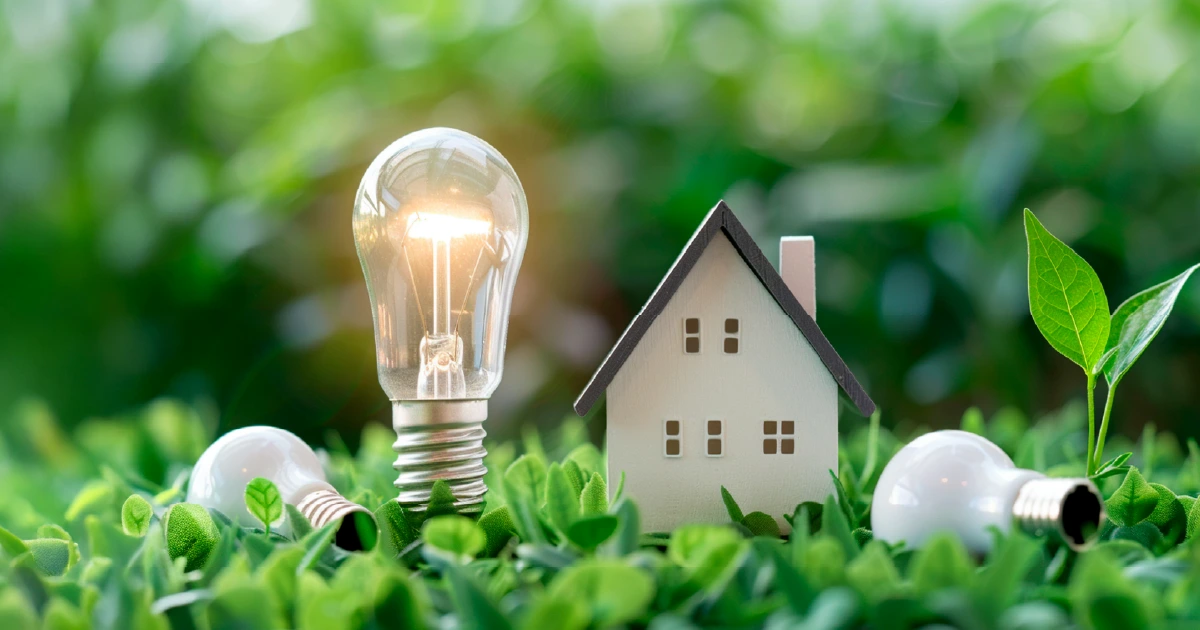
Living in a way that is good for the environment isn’t just a trend; it’s a must. Many homeowners are rethinking how their homes use energy because of rising energy bills, worries about climate change, and the desire for healthier living environments. The good news is that you don’t have to spend a lot of money on new equipment or major renovations to make your home more energy efficient. You can make your home more comfortable, save money, and have less of an effect on the environment with some careful planning and a few simple improvements.
This longer article goes over useful methods for making your home more energy-efficient, everyday strategies for conserving energy at home, and long-term eco-friendly home upgrades that will help you live more sustainably and turn your house into a really energy-conscious home.
One of the easiest and best ways to save electricity at home is to let in as much natural light as possible. Sunlight is free and plentiful, and it can help you use less artificial light and heat.
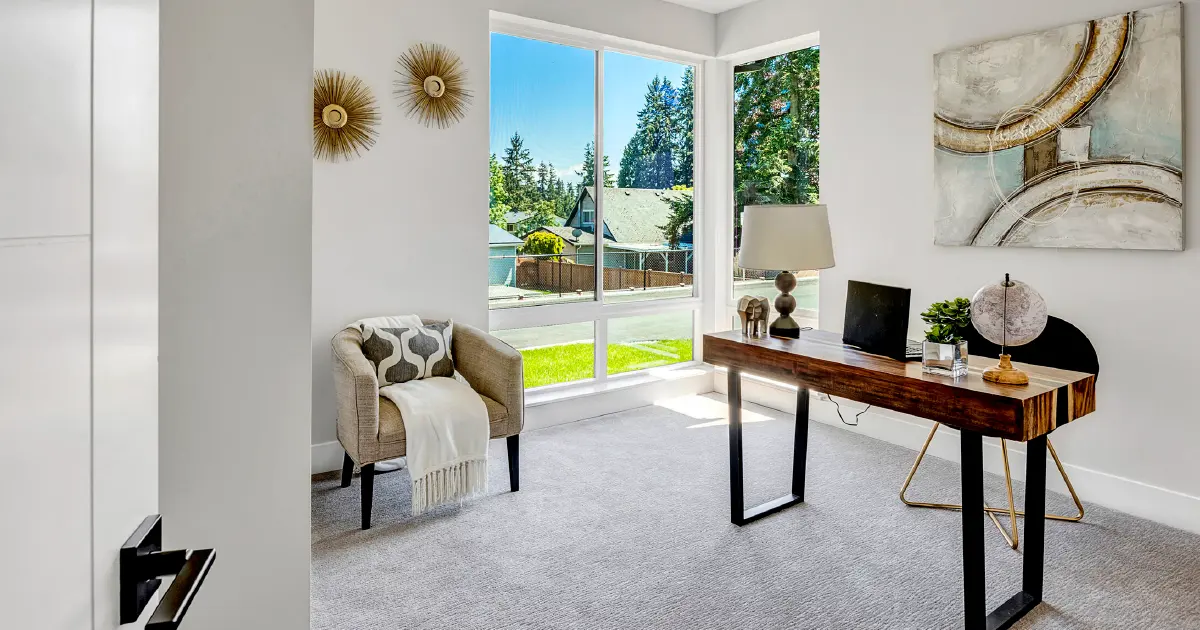
During the day, open your curtains and blinds to let in natural light. To make dark rooms brighter, think about putting in skylights or mirrors in the proper places. If you’re building or remodeling, facing your home south can let in natural light and warmth in the winter, which means you won’t have to use as much heating.
These methods for living sustainably will not only save you money on energy, but they will also make your home feel more welcoming. Also, getting natural light offers health benefits, like making you feel better and helping you sleep better.
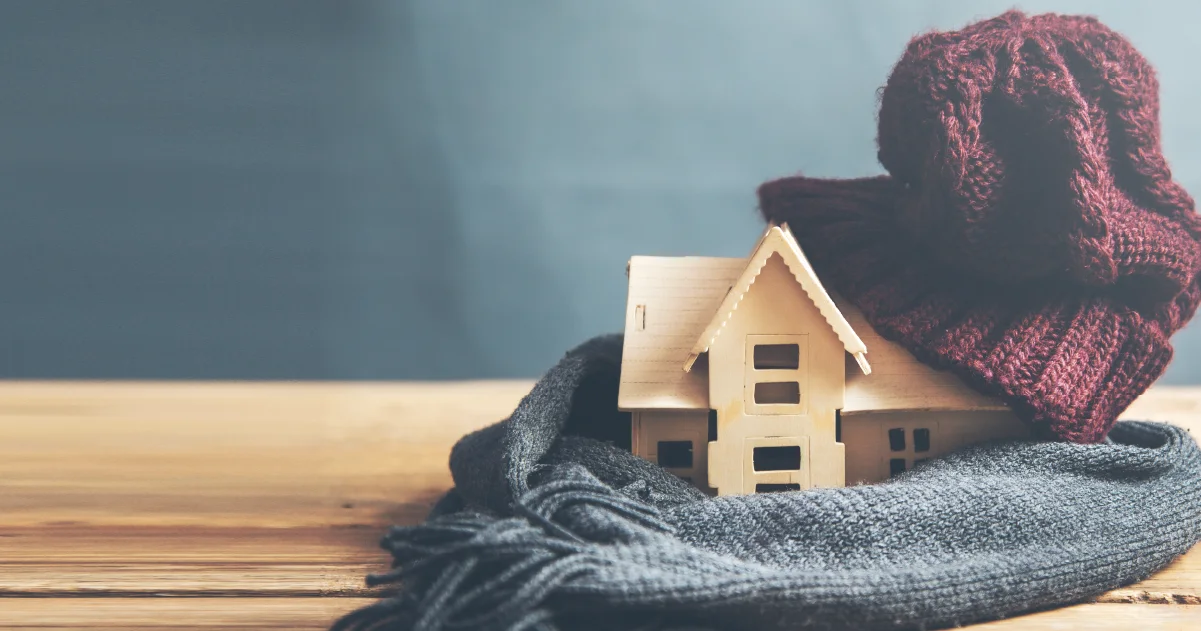
A home with drafts wastes money and energy. One of the best eco-friendly house upgrades is to use caulk or weatherstripping to seal up air leaks around windows, doors, and other openings. Proper insulation in attics, walls, and crawl spaces helps keep the temperature comfortable all year long, which makes heating and cooling systems work less hard.
Start here if you want to know how to make your home more energy efficient without doing a lot of work. Weatherization is cheap, simple to do, and works right away. Sealing and insulating can make a big difference, even in little spaces.
Newer appliances work far better than older ones. Look for the Energy Star label when you buy a new refrigerator, dishwasher, or washing machine. This is one of the best methods for saving energy at home because it will save you money on your power bills in the long run, even though it costs more up front.
Energy-efficient appliances are a key part of making your home more eco-friendly because they help cut down on greenhouse gas emissions. A high-efficiency washing machine, for instance, consumes less water and energy, and a smart refrigerator saves electricity by optimizing cooling cycles.
These modifications may not seem like much, but when you put them all together, they make a tremendous impact in how energy-efficient your home is.
Daily practices can sometimes bring about the biggest improvements. To avoid phantom energy drain, unplug electronics while you’re not using them. When you can, wash your clothes in cold water and let them air dry. Put in a programmed thermostat so that you may change the temperature when you’re not home or when you’re asleep.
These methods for making your home more energy-efficient are easy to follow and will save you money over time. For example, turning down your thermostat by a few degrees in the winter or up a few degrees in the summer can save a lot of energy. You can make a whole plan for living sustainably by integrating tiny changes in behavior with bigger eco-friendly house upgrades.
Some improvements cost more up front but pay off in the long run. Low-E windows with two panes of glass keep heat in and lower energy expenditures. Solar panels are expensive at first, but they give you clean energy and save you money in the long run.
Using eco-friendly materials like bamboo, cork, or reclaimed wood when you remodel adds style and helps you live a more sustainable life. You may also help the environment by using water-saving fixtures, composting systems, and cleaning products that are good for the environment.
Not only can these eco-friendly home upgrades make your home work better, they also raise its market value. More and more, buyers are looking for homes that are good for the environment.
Technology is a big part of how well things work these days. You can keep an eye on and adjust your energy use in real time with smart thermostats, lighting systems, and energy monitoring devices.
Smart thermostats, for instance, learn your routine and change the temperature automatically. Smart lighting systems, on the other hand, turn off when no one is in the room. These new ideas are some of the best ways for busy families to save energy at home.
Adding smart technology to your house is one of the easiest methods to learn how to save energy while still being comfortable and convenient.
It’s not just about power when it comes to energy efficiency; it’s also about water. It takes a lot of energy to heat water, so using less water will save you money on your energy bills.
Install low-flow showerheads and faucets, fix leaks as soon as you notice them, and consider adopting tankless water heaters that only heat water when you need it. These home improvements that are beneficial for the environment save money and resources.
Water conservation is a vital part of living sustainably, yet advice on how to make your home more energy efficient typically leaves it out.
Everyone in your family should work together to make your home more energy-efficient. Show your family how to save energy at home and offer them age-appropriate tasks like turning off lights or taking care of a compost bin. You need to set an example if you want eco-friendly habits to become a part of your daily existence.
These tips for living in a way that is good for the environment help develop a culture of being responsible and caring for the earth. The effect is stronger when everyone takes part.
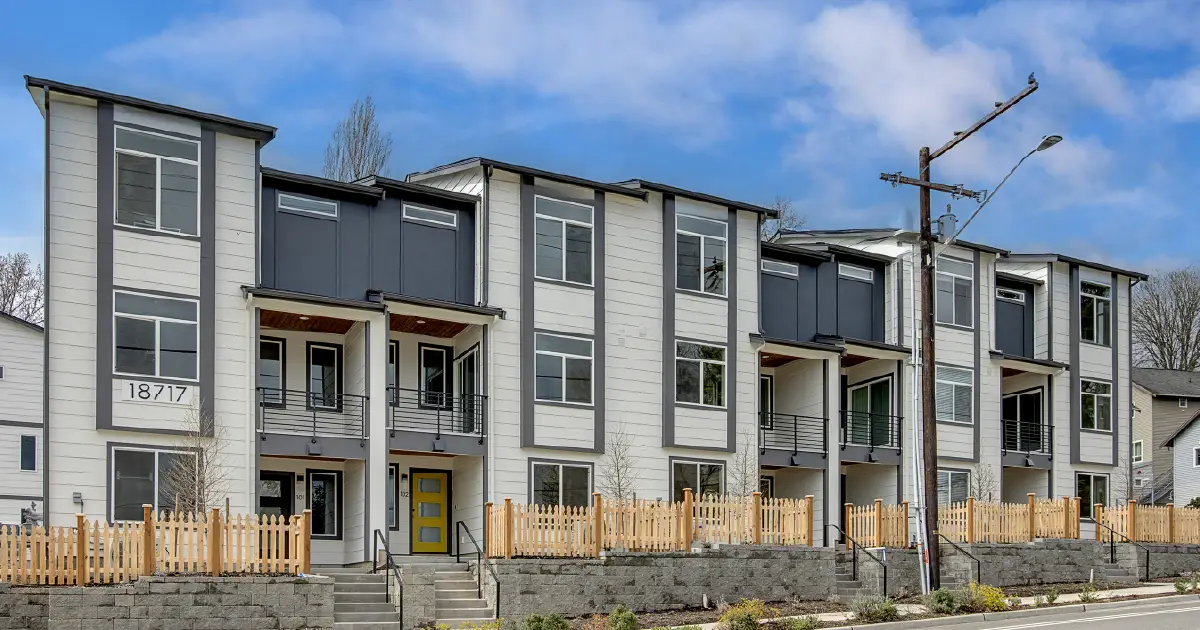
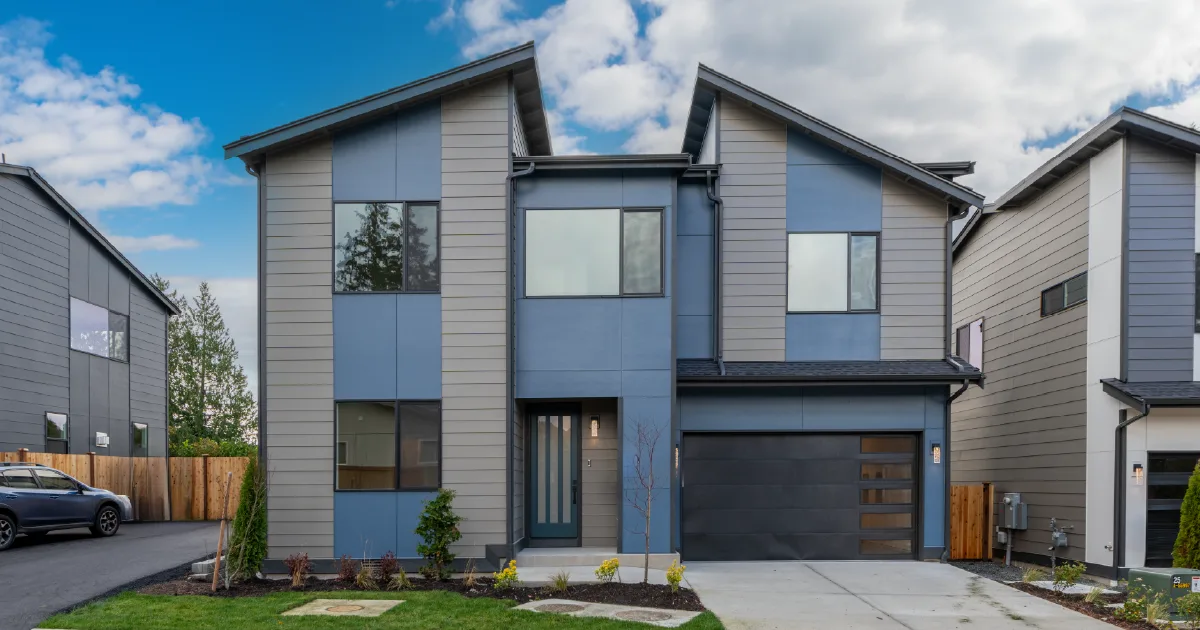
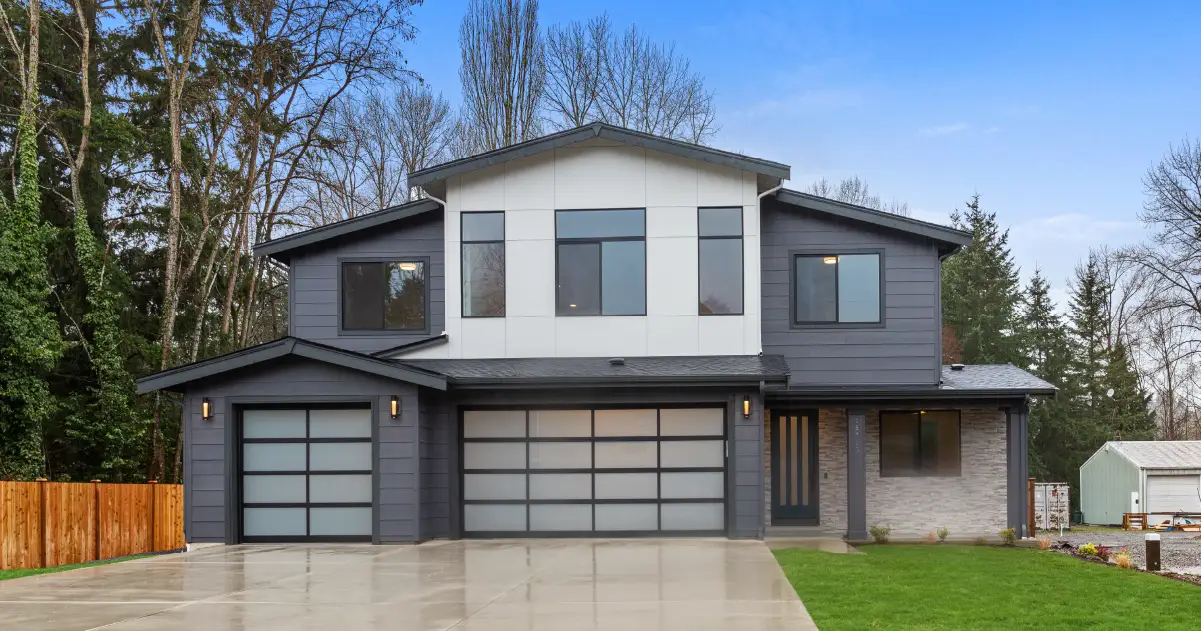
MSR Communities builds modern houses in places like Seattle, where eco-friendly home upgrades are commonly included in new construction. Many developments have energy-efficient windows, smart thermostats, and materials that are good for the environment as standard features.
If you’re looking for a single-family house or a townhome for sale, picking a builder that puts sustainability first can make sure your home is efficient from the start. This is a real-world example of how to make your home more energy-efficient without starting over.
Living an energy-efficient life is a process, not a goal. Every little thing you do to make your house and the world a better place, like sealing a window, replacing appliances, or going green, helps.
You may save money on your bills, be more comfortable, and feel good about making a difference by following these recommendations for making your home more energy efficient and environmentally friendly. You can live sustainably, it’s easy, and it’s worth it.
Start small, keep going, and remember that every little thing you do to make your home more energy efficient gets you closer to your goal.