Nowadays, a lot of homebuyers consider whether their furry friends will be content in their new home in addition to factors like square footage and a reputable school district. Dogs are family. They deserve a lifestyle that keeps them safe, active, and welcome in the community. That’s why finding dog friendly neighborhoods is such a game-changer if you’re searching for your next home.
This guide looks at how to identify a dog-friendly neighbourhood, what constitutes a pet-friendly neighbourhood, and how to pick homes that meet the needs of both people and dogs.
A pet friendly community isn’t just one where dogs are tolerated—it’s one where they’re embraced. So what should you look for?
• An abundance of green space, including walking trails, open fields, dog parks, and fenced areas where dogs can run without risk.
• Low-traffic streets and sidewalks: Perfect for walks without the anxiety of big cars speeding by.
• Local pet culture: Areas where owning a dog is typical and where people greet your dog with smiles rather than frowns.
• Pet services in the area: Consider veterinarian offices, groomers, pet stores, and even cafes or eateries that allow dogs on the patio.
In fact, some more recent planned communities and neighbourhoods have begun purposefully incorporating these elements. If you’re checking out new construction houses for sale, be sure to explore whether pet amenities are part of the package.
Not every dog needs a sprawling yard or access to hiking trails. Your dog’s needs can—and should—guide your search. Consider their temperament, age, size, and health.
Choosing one of the best neighborhoods for dogs means finding a place that matches your pup’s vibe as much as your own.
When touring neighborhoods or browsing single family homes for sale, dig a little deeper than the photo galleries. What does the actual area offer?
Check for local parks and trails. You can use Google Maps to scout out green spaces or take a drive to see which parks allow dogs. Bonus points if they’ve got dedicated dog areas with agility equipment or water fountains.
Pay attention to foot traffic. Are locals out walking their dogs? Are there waste stations on corners or signs reminding dog owners to leash and clean up? These subtle clues show you that the community values pets.
Scan for dog-friendly businesses. Are there cafes where dogs are welcome? Pet boutiques or bakeries? Even grooming vans parked along the street? All signs that you’re entering a dog-forward zone.
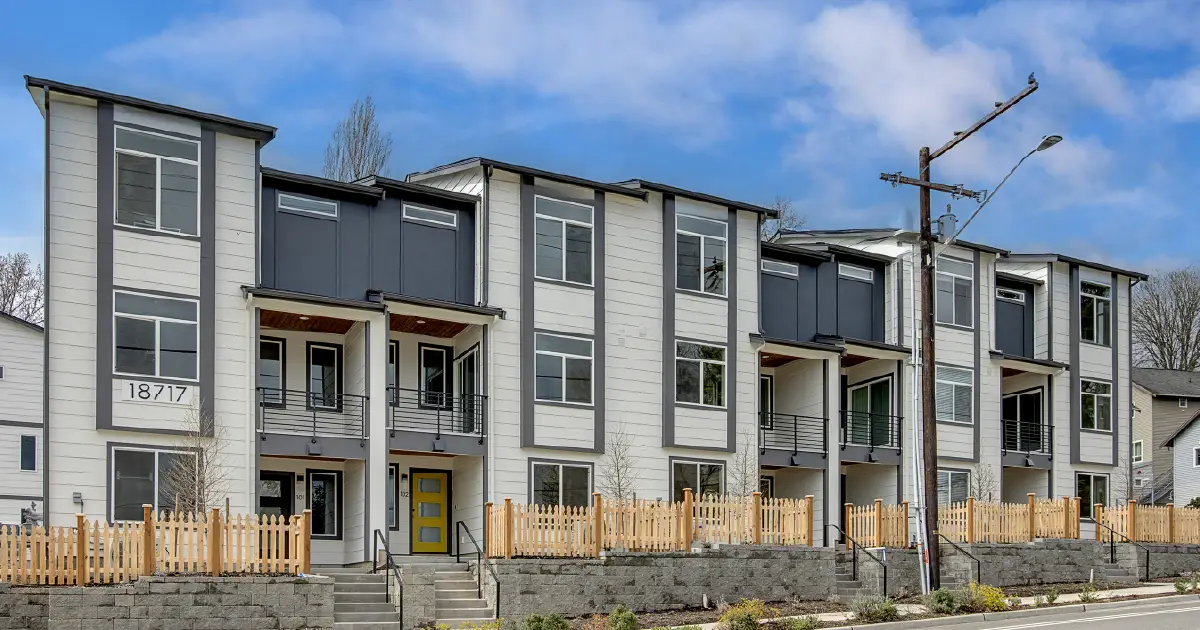
If you’re exploring newly built townhomes for sale, you might even find developments that incorporate dog-centric amenities, like mini dog parks or pet washing stations.
The neighborhood might be dog heaven, but what about the house? Whether you’re shopping for a condo, single-family home, or brand-new build, here are some pet-friendly home tips to factor in.
Even the most dog-loving areas have rules, and you don’t want to get caught by surprise.
Before committing to a home, check the following:
•Local pet ordinances include restrictions on the number of pets, noise levels, and leash laws.
• Breed-specific laws: Certain breeds are prohibited in some localities.
• HOA policies: Examine the pet policies of the homeowner association if you’re thinking about buying a condo or townhouse. Are public spaces dog-friendly? Are outdoor toys subject to weight restrictions or limitations?
Getting these answers early prevents headaches later—and helps you choose the most inclusive and welcoming environment possible.
Next time you walk through an open house, don’t just imagine your furniture fitting in—think about your dog’s experience too.
• Is there space for a dog bed or crate?
• How far is the backyard or walking access?
• Will the house be quiet enough if your dog’s easily stressed?
• Are there slippery floors or long stairs?
If you’re looking at new construction houses for sale, ask builders or developers about pet-specific upgrades. Some offer built-in feeding stations, fenced lots, or doggy doors as part of custom packages.
Your real estate agent should understand how important your dog is to this process. Don’t hesitate to ask these:
• Are any neighborhoods known for being dog friendly?
• Can you point out areas with lots of pet amenities?
• Have any previous clients shared dog-related feedback about certain communities?
If you’re shopping for newly built townhomes for sale or homes in planned communities, the builder might have insights, too. Pet features can sometimes be added during construction or planned into landscaping.
Pets are a major consideration in the construction of many contemporary communities. Look out for:
• Dog parks or trails on the property
• Pet-owner events held by HOAs
• Pet stations or trash cans placed along sidewalks
• Builders who provide pet-centered upgrades
Not only are these features considerate, but they also demonstrate how the community was planned with people’s actual lifestyles—pets included.
Finding one of the greatest dog-friendly neighbourhoods requires more than just crossing things off a list; it also entails getting to know the neighbourhood and observing how your dog would live there on a daily basis.
Would neighbors be friendly and accepting? Would the layout of the house support a happy dog life? These questions aren’t secondary—they’re central to building a home life that includes every member of your household.
Whether you’re searching for single family homes for sale or scouting pet-friendly new construction, take your time. Walk the neighborhood. Meet the locals. Feel out the energy. Your dog will thank you — with tail wags, sloppy kisses, and years of joyful companionship.