How long does it take to Build a Custom Home?
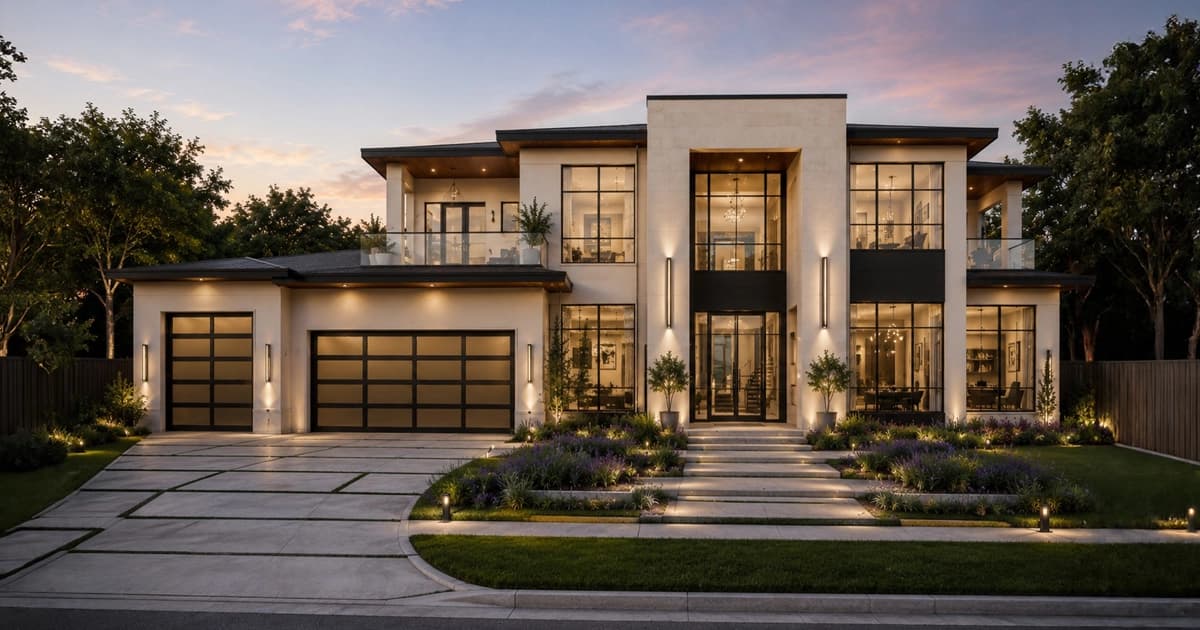
There are few things as quietly powerful as watching a home take shape. You stand on a lot that was once just dirt and trees and, over months, it becomes rooms where your life will unfold. That feeling — seeing plans become places where dinner will be served, where kids will play, where quiet mornings will happen — is what pulls many people toward building custom. It can feel special and very personal. With the right plan and a builder who listens, understanding the average time to build a house becomes less stressful and easier to manage.
What to expect in simple terms
Every custom home build timeline is different, but most follow a familiar path. If you think in broad ranges, on-site construction commonly takes about 8 to 14 months. Add design work, permits, and site prep, and the whole process usually runs from roughly 10 months to about 2 years. Some custom home builders complete projects faster than others. The main thing is knowing what steps matter and what you can control.
How the process usually goes
-
Planning and budget (a few weeks)
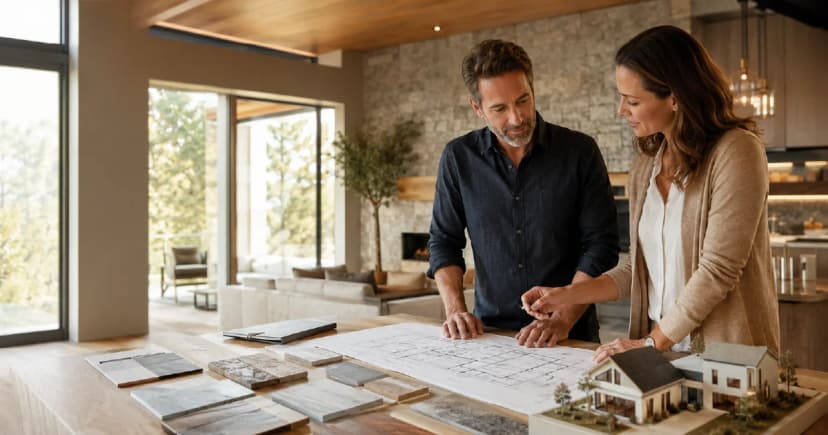
First, you get clear about what matters most. That means a realistic budget, a list of priorities, and a little buffer for surprises. It’s also a good time to talk with a lender so you understand construction loan options and timing.
-
Design and permits (a few weeks to a few months)
Design moves from idea to plans the city will accept. Revisions lengthen this step, and permit timing depends on the local office. A builder who knows the local process usually helps move things along.
-
Site work and foundation (a couple of weeks to a month or more)
Crews clear the land, bring utilities close to the house, and dig for the foundation. If the lot is tricky — steep, rocky, or needing special drainage —corrective work here can take extra time. Doing a site evaluation early helps avoid surprises.
-
Framing and closing the shell (a month or two)
This is when the house starts to look like a house: walls, roof, and floors go up. Once windows and roofing are in, interior work can begin. Weather can affect this stage, so builders often plan around seasons.
-
Rough-ins and inspections (a few weeks)
Plumbers, electricians and HVAC teams will install the systems and an inspector will check their work. These inspections are routine and necessary. Get them scheduled quickly and the project moves.
-
Finishes and details (several weeks to a few months)
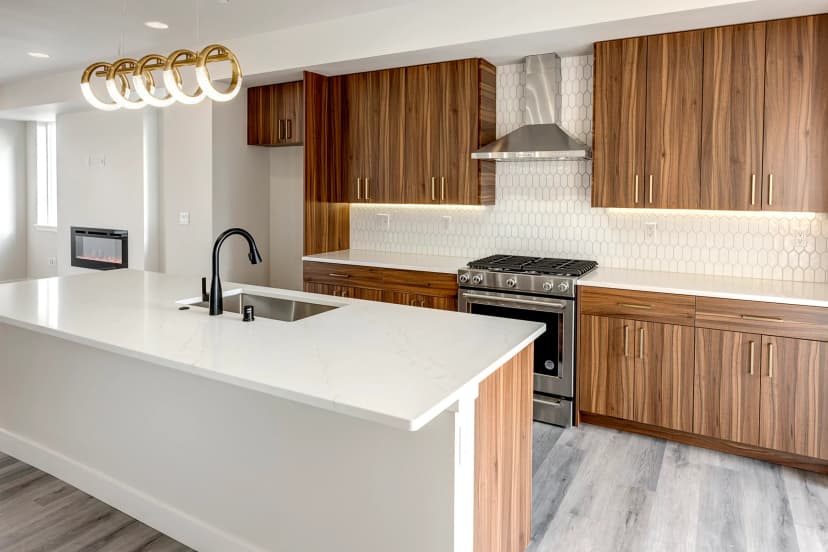
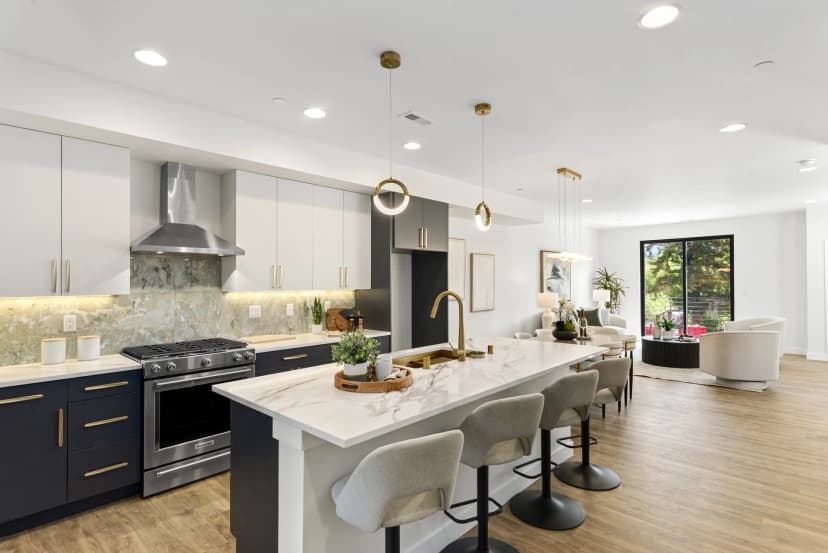
This is where the home gets its personality – the cabinets, countertops, flooring, paint and fixtures. Some items, such as custom cabinets or stone countertops, may take longer to receive. Ordering these sooner helps avoid finish-line delays.
-
Final checks and landscaping (a few weeks)
Finally, things get wrapped up with final inspections, fixing little things on the punch list and putting in driveways or plants. Depending on weather and budget, landscaping may be completed right before move-in or after you settle in.
Simple ways to estimate your timeline
- In many cases, the custom home construction timeline includes 8–14 months of on-site construction.
- Add 2–6 months for design and permits if plans aren’t already ready.
- Add a 10–20% time buffer to cover permits, weather, or supply delays.
- Order long-lead items early: windows, cabinets, and specialty fixtures.
How builders help make timelines predictable
A good builder gives you a clear, milestone-based schedule and communicates often. They line up trusted subcontractors, order materials at the right time, and explain how change requests affect both time and cost. Ask potential builders for recent custom home construction timelines and references so you can see how they handle real projects.
Financing Flexibility — Real Advantage of Building A Custom Home
One advantage of building is that you can spread spending over time. Construction-to-permanent financing converts your construction loan into a mortgage once the home is finished. And because you’re building, you can prioritize major systems first and leave some aesthetic upgrades for later. That might mean choosing basic finishes now and upgrading them after you move in when it’s more convenient financially. This flexibility gives you room to breathe and plan rather than rush decisions.
A short, practical custom home checklist:
- Set a clear budget and a contingency for both money and time.
- Get a land survey and soil report.
- Choose a builder and ask for sample schedules and references.
- Finalize major design items early: layout, roofline, and main materials.
- Order long-lead items right after signing the contract.
- Confirm construction financing and the draw schedule.
- Plan temporary housing and your move timing.
- Keep a decision log so you and your builder stay aligned.
- Track permits and inspections closely.
- Do a thorough final walkthrough to capture punch-list items.
Choices that speed things up (or slow them down)
Simple floor plans, standard finishes, and local materials usually move faster. Unique features, imported stone, or very custom millwork often add time. If timing matters, talk with your custom home builder about creative ways to get the look you want with materials that are easier to source.
Common Slowdowns in the Custom Home Building Process
- Permit delays: Work with a builder who knows local rules and submits complete plans.
- Material delays: Choose commonly available options when you need speed, and order custom pieces early.
- Late decisions: Lock in big choices before construction begins.
- Site surprises: A good site evaluation before you start can prevent expensive stops mid-build.
The parts that matter most emotionally
Many homeowners say they remember specific moments: the foundation pour, the first time they walk through framed rooms, or the day the front door swings open. Those milestones matter more than specific dates. A builder who listens and keeps you informed makes those moments feel calm and joyful, not rushed.
Quality, safety, and peace of mind
Make sure your builder follows local codes, schedules inspections, and uses licensed trades. Confirm that warranties and after-move-in support are written into the contract. These steps protect your investment and give you confidence after you move in.
A gentle reminder about timelines
Every timeline here is an estimate. Real projects vary because of design choices, local permit offices, weather, and material availability. Use these ranges to shape expectations, not as a guaranteed finish date.
Practical next steps if you’re thinking about building
First, find out what matters most to you. Discuss construction loan options with lenders so you know timing and costs. Request recent schedules and references from builders. Compile a list of finishes and any long lead times you love. Planning with a clear budget and an experienced team helps the project stay on track while giving you the time to make thoughtful decisions.
Final thought:
If the idea of custom single-family homes that truly fit your life feels right, explore MSR Communities’ available homes and design options. We’ll listen first, then help you build a realistic schedule and financing plan that fits your pace. Building custom should feel hopeful and manageable — and it often turns out to be one of the most meaningful investments in family life.
Disclaimer: This article gives general timelines and guidance based on common experiences building custom single-family homes. Actual project schedules will vary with design complexity, permitting, site conditions, material supply, and buyer decisions. This is for planning purposes and not a guaranteed completion schedule.