New Construction Communities vs Older Neighborhoods: Why Buyers Are Making the Shift
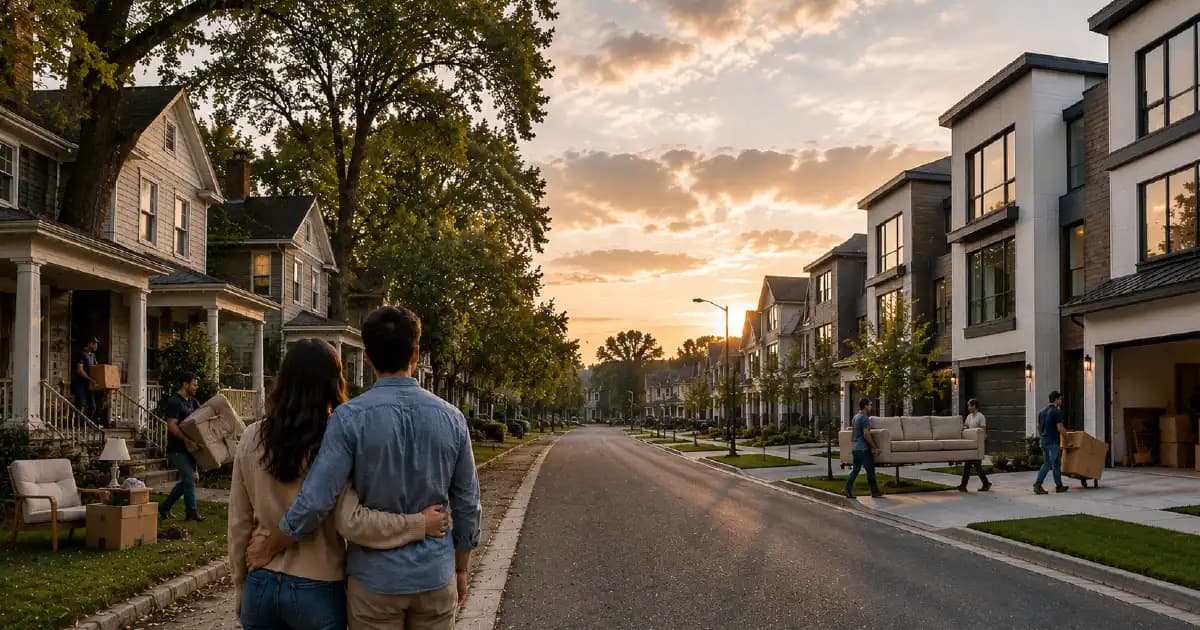
When you picture your next home, what comes to mind?
For some, it’s an older home with character—set on a quiet, tree-lined street, with details that feel warm, familiar, and lived-in. There’s a certain comfort there, and for many buyers, that’s where the search naturally begins.
For others, the pull is toward something brand new—a space that feels open, modern, and designed for the way life works today. That’s part of why more buyers are exploring new construction communities and taking a closer look at new homes for sale as they weigh their options.
The fact is that there is something in either case. Older homes have charm and history, while new homes have simplicity, efficiency, and a clean slate. It’s not always easy to choose between them, which is why we’ve put together this guide.
As you continue reading, we’ll be going through both options in a clear, practical way so you can get a better idea of what actually works for your lifestyle.
At MSR Communities, we understand this decision is about how your home supports your day-to-day life. So instead of leaning one way or the other, we’ll explore both—established neighborhoods and new home developments—to help you make a choice that feels right for you.
The Comfort of Established Neighborhoods
There’s a reason people fall in love with older neighborhoods.
It might be the way the streets feel lived in. Trees that have been there for decades. Homes with details you don’t always see anymore—arched doorways, built-in shelves, little design touches that feel personal.
And then there’s the sense of community.
Neighbors tend to know each other. Kids play outside. People wave when they pass by. Over time, routines turn into relationships—morning coffee spots, familiar faces at the park, traditions that just kind of happen on their own.
Another big plus is the location. Established neighborhoods are often closer to city centers or everyday essentials. That can mean shorter commutes, easier errands, and more time back in your day.
For some buyers, especially first-time homeowners, older homes can also feel more approachable financially at the start. There’s a sense of history there too—homes that have held value over time.
But it’s not always simple.
Older homes can come with ongoing upkeep. Things like plumbing, roofing, or electrical systems might need attention sooner rather than later. Floor plans can feel a bit closed off compared to how people live today. And renovations, while exciting, can sometimes bring unexpected costs.
For the right person, it’s absolutely worth it. But it’s important to go in with a clear picture.
The Fresh Start of New Construction Communities
Now picture something different.
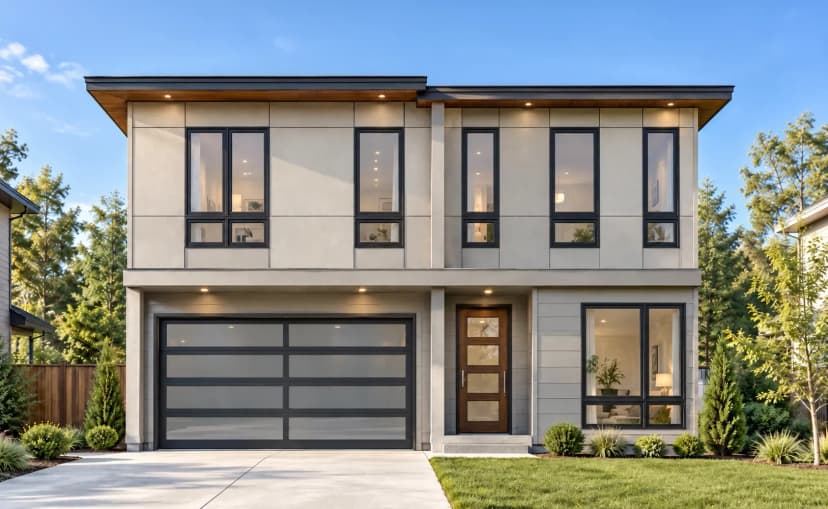
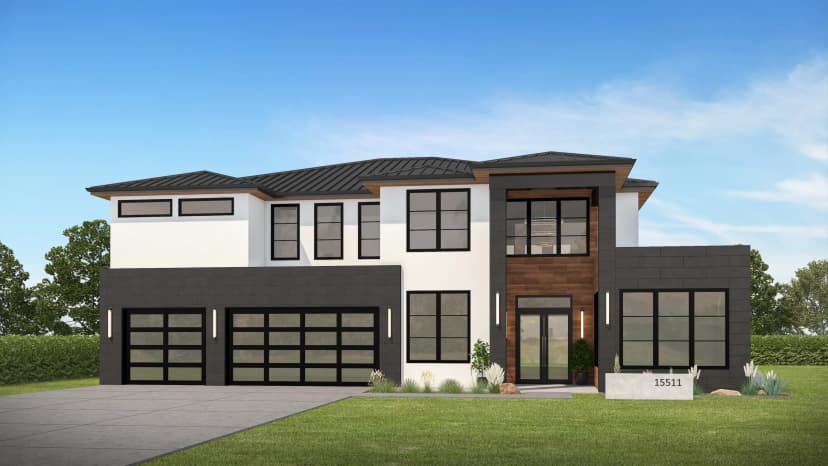
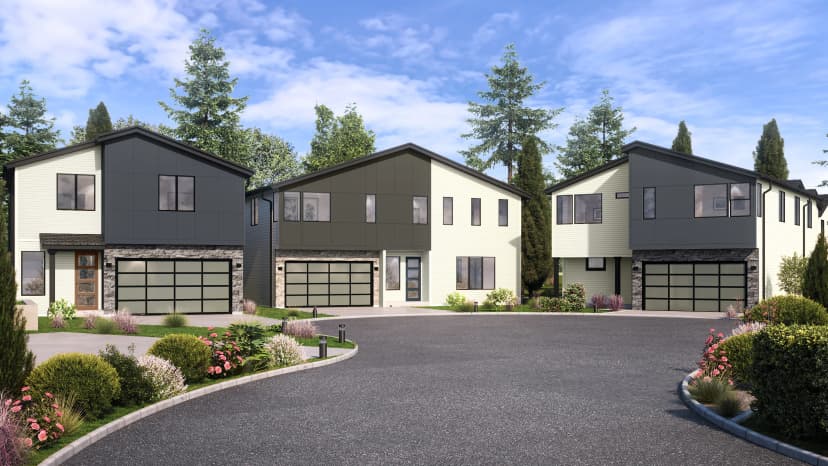
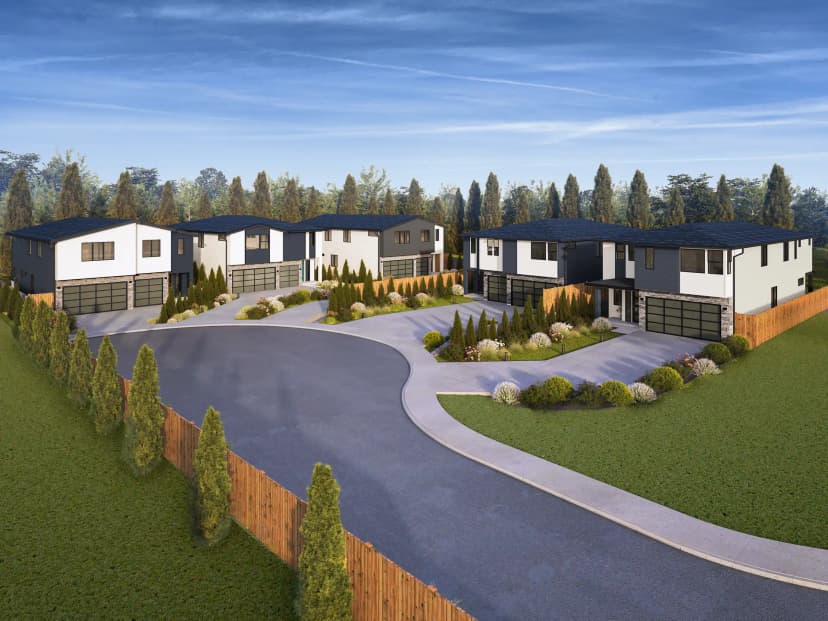
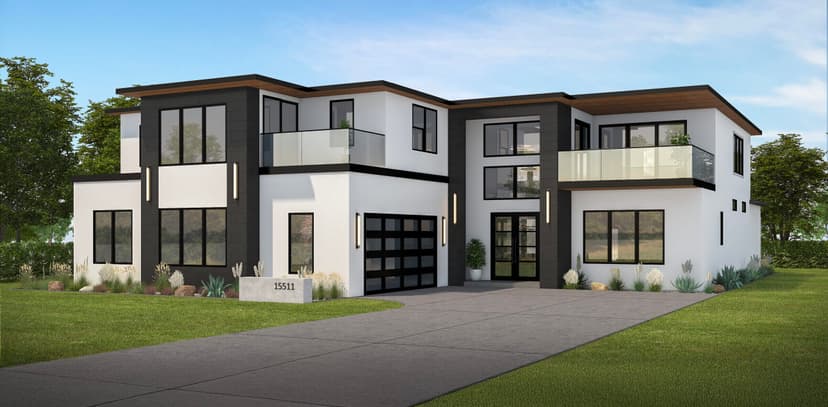
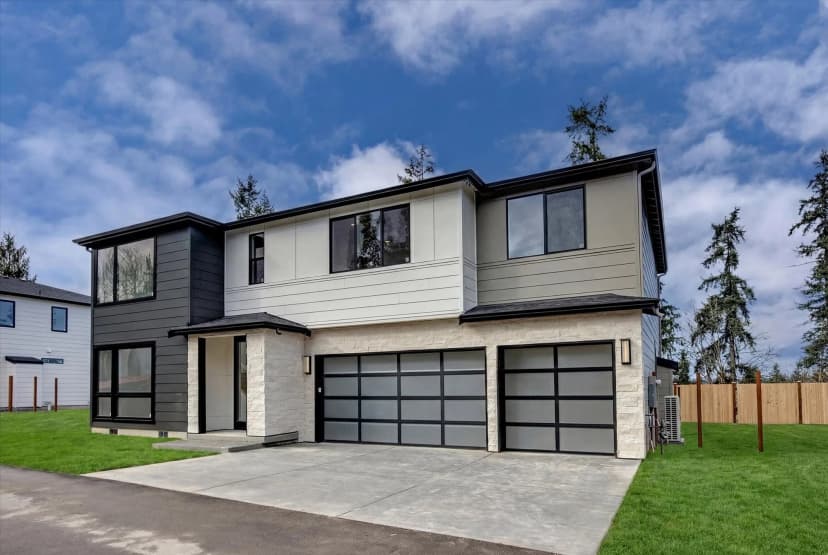
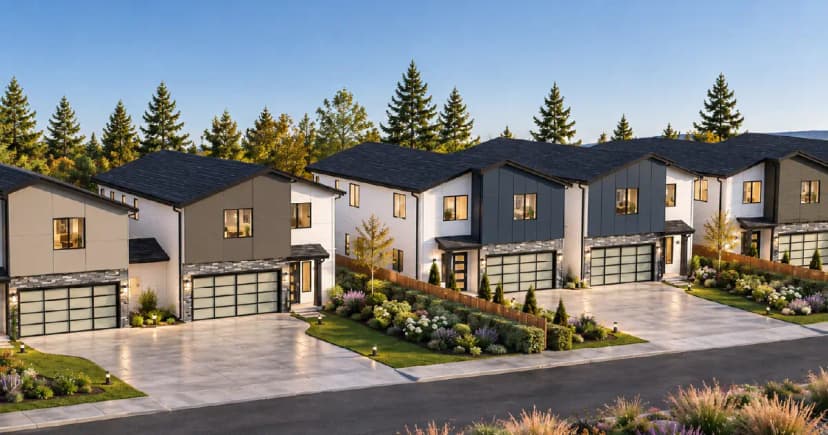
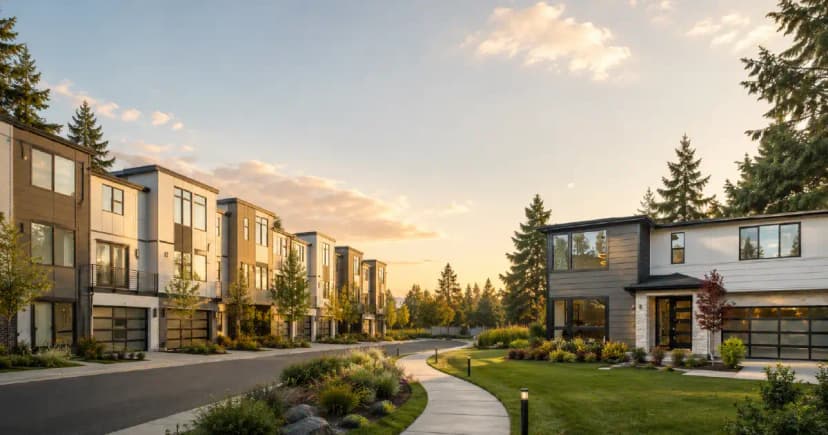
You pull into one of the new construction communities near you, and everything feels thoughtfully planned. Streets are clean, homes feel cohesive, and there’s a sense that this space was designed for how people live today.
Step inside a new home construction, and the difference is easy to notice.
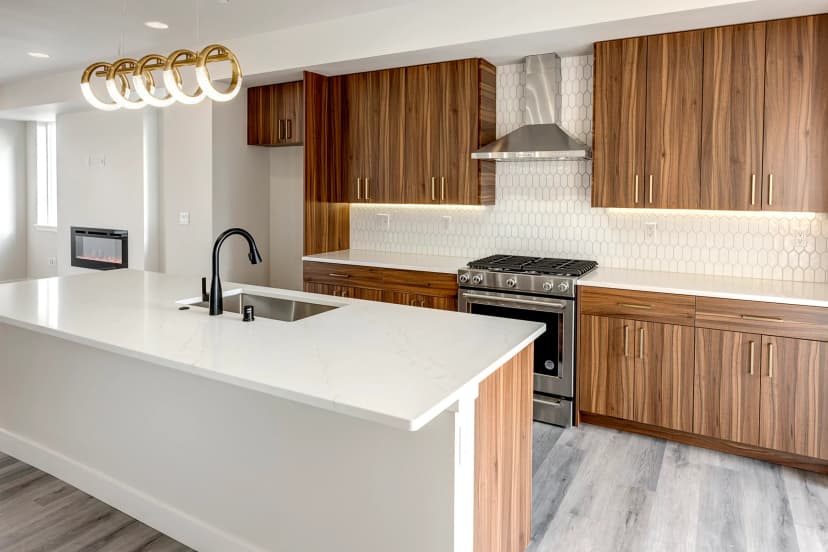
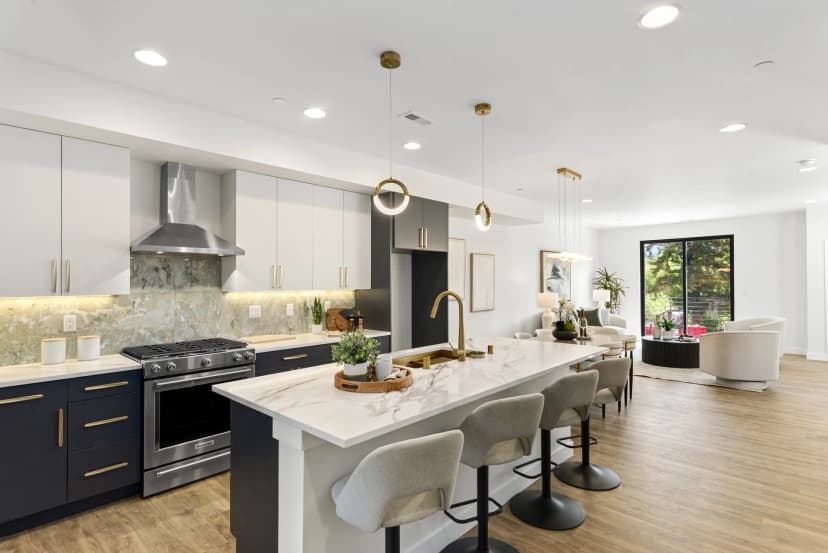
The layout feels open. The kitchen connects naturally to the living area. There’s space to cook, talk, work, and relax—all without feeling separated.
These homes are built with modern routines in mind. Maybe that means a dedicated home office, or a flexible room that can change as your needs change. Maybe it’s storage that actually makes sense.
And then there are the smaller details that make a big difference over time.
Light-filled windows, solid insulation, and smart home upgrades like an EV charger in the garage can make a bigger difference than most buyers expect. It’s not always obvious at first glance, but once you start living in the space—and seeing those monthly utility bills—you really notice the impact. Features like these don’t just add comfort; they can save you money over time.
Outside the home, the lifestyle continues.
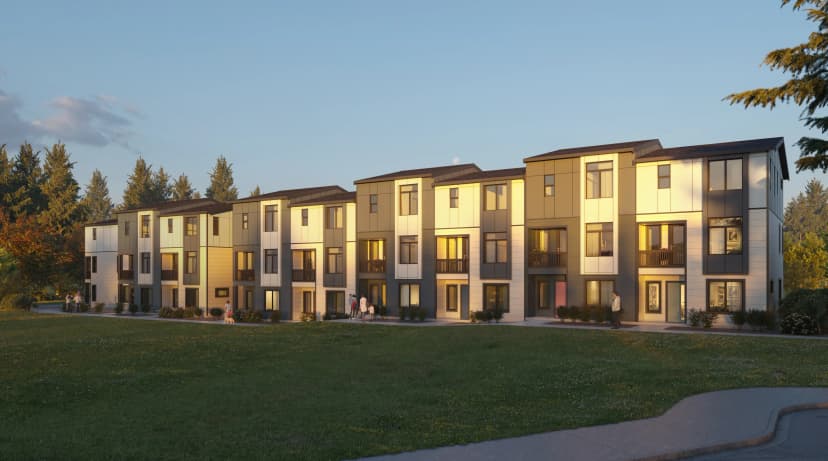
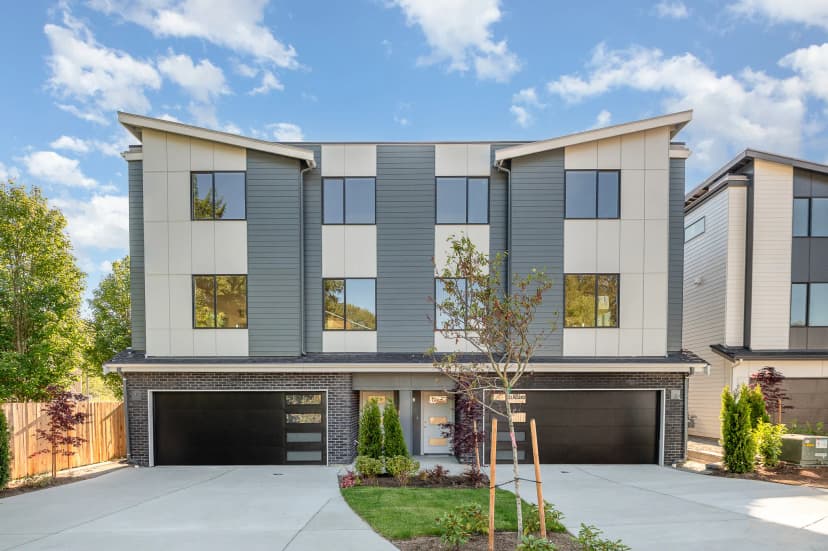
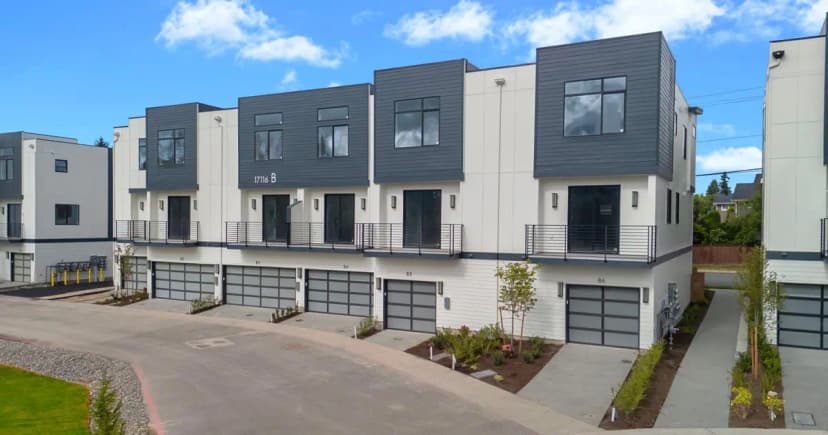
Many single-family home communities include walking paths, green spaces, or places where people can gather. If you’re looking for something lower maintenance, new townhome communities often offer a balance between privacy and convenience.
Of course, there are trade-offs here too.
New construction can take time. If the home isn’t move-in ready, you may be waiting several months. Landscaping may take a while to fully grow in. And while communities are thoughtfully designed, some buyers notice similarities between homes.
Still, for many people, the benefits outweigh the wait.
What Really Matters When You Compare
At the end of the day, this isn’t about which option is “better.”
It’s about what feels right for you.
Some buyers value character and history. Others want simplicity and predictability. Some are drawn to central locations, while others prefer the space and planning of newer areas.
If you’re deciding between an older home and a place in a new construction community, it can help to think in terms of daily life.
- Do you want a home that’s ready to go, or one you can slowly make your own?
- How much time do you want to spend on maintenance?
- What kind of layout fits your routine today—not five years ago?
- Are you okay waiting for a home to be built, or do you need something sooner?
Sometimes, the answer becomes clearer when you picture a normal day in each space.
Why More Buyers Are Exploring New Homes
Lately, more buyers searching for new construction communities are leaning toward newer homes—and it’s not hard to see why.
Life has changed.
People are spending more time at home than they used to. Work, school, and downtime often happen in the same space. That makes layout, comfort, and flexibility more important than ever.
Newer homes are designed with that in mind.
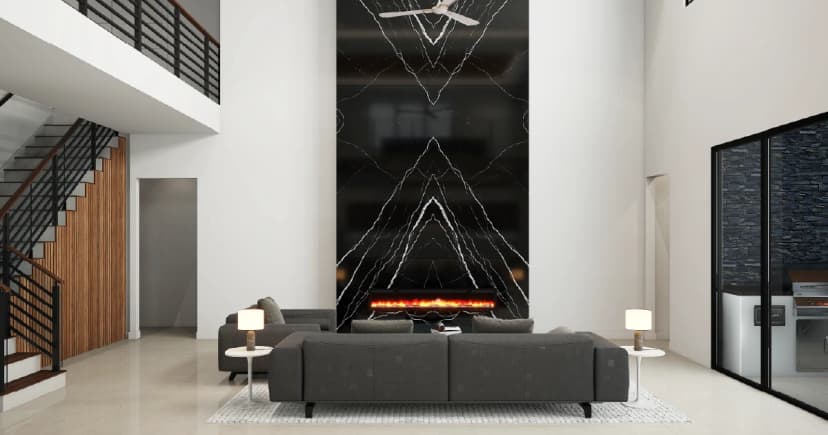
Open spaces make it easier to stay connected. Extra rooms give you options. Outdoor areas become extensions of your living space.
There’s also a level of peace of mind that comes with something new.
With warranties and newer materials, there’s less guesswork. You’re not wondering when something will need to be replaced—it’s already taken care of.
Financially, the picture can balance out too. While new homes for sale may come with a higher upfront price, lower maintenance costs and energy savings can make a difference over time. Builder incentives can also help make the numbers work.
And for many buyers, knowing exactly what they’re getting matters. No surprises. No hidden issues.
That kind of clarity goes a long way.
Finding What Works for You
If you’re starting your search, it helps to slow down and think about what really matters.
Not just today—but a few years from now too.
Think about your routine. Your priorities. The kind of space that would make your days easier, not harder.
Look at the full picture—monthly costs, time investment, and how each option fits your lifestyle.
Walk through each type of home. Visit new home developments. Step into spaces and notice how they feel.
Sometimes, the right choice isn’t something you calculate—it’s something you recognize.
Quick Comparison: Older Neighborhoods vs. New Construction Communities
| What to Consider | Older Neighborhoods | New Construction Communities |
| Overall Feel | Warm, lived-in, full of character | Fresh, clean, and thoughtfully planned |
| Home Design | Unique layouts, smaller or more defined spaces | Open layouts, modern flow, built for today’s lifestyle |
| Maintenance | Ongoing updates likely (roof, plumbing, etc.) | Lower maintenance with newer materials and warranties |
| Community Vibe | Established relationships, long-time neighbors | Growing communities with shared spaces and amenities |
| Location | Often closer to city centers and daily essentials | Typically in newer, developing areas with room to grow |
| Cost Approach | Lower upfront cost, but possible renovation expenses | Higher upfront cost, but savings on repairs and energy |
| Energy Efficiency | Can vary depending on upgrades | Built with energy-efficient systems from the start |
| Customization | Renovations needed to personalize | Choose finishes and features upfront (in many cases) |
| Move-In Timeline | Usually move-in ready | Pre-sale or move-in-ready opportunities |
| Outdoor Space | Mature trees, established landscaping | New landscaping that grows over time |
Simple takeaway:
If you value charm, history, and location, older neighborhoods may feel like home.
If you want ease, modern living, and fewer surprises, new construction communities often make more sense.
Looking Ahead
Homes will keep evolving, just like the people who live in them.
New construction communities are being built with the future in mind—more flexibility, better efficiency, and spaces that adapt as life changes.
At the same time, older neighborhoods continue to offer character and a sense of history that’s hard to recreate.
There’s no one-size-fits-all answer here.
Just the one that feels like home to you.
Take the Next Step
If you’re curious about new construction communities near you or want to explore new homes for sale, MSR Communities is here to help you take that next step.
From thoughtfully designed homes to welcoming neighborhoods, everything is built with real life in mind.
Take a tour. Walk through a space. Ask questions.
You don’t have to have it all figured out yet.
Sometimes, it starts with simply seeing what’s possible.
Disclaimer: Every buyer’s situation is different. Market conditions, finances, and timing all play a role. It’s always a good idea to connect with a real estate professional before making a final call.