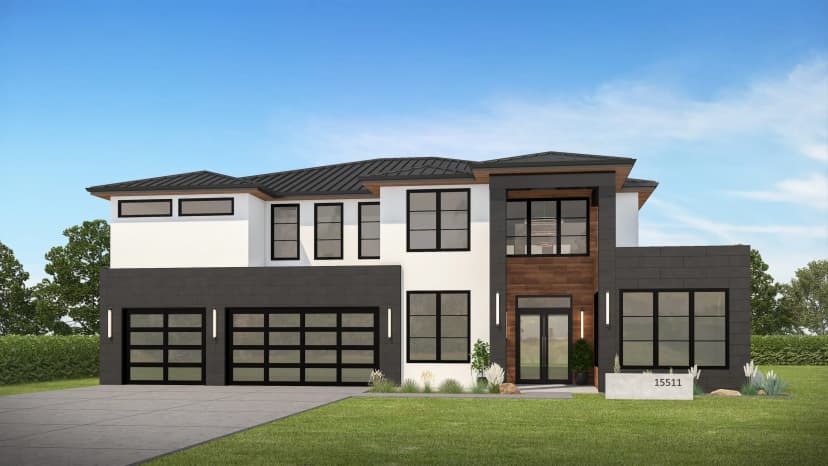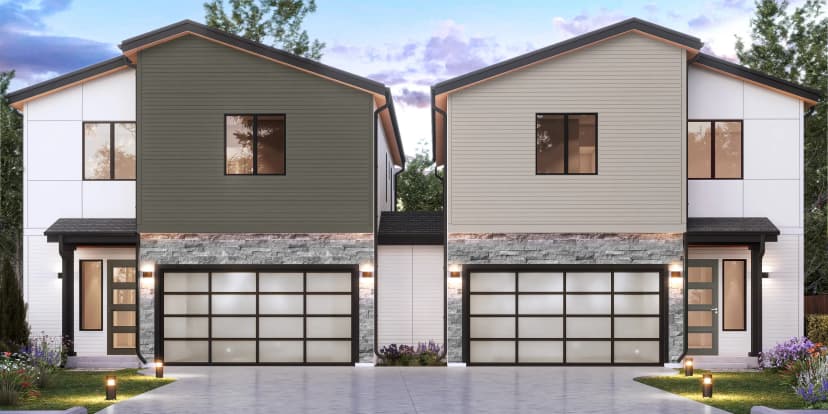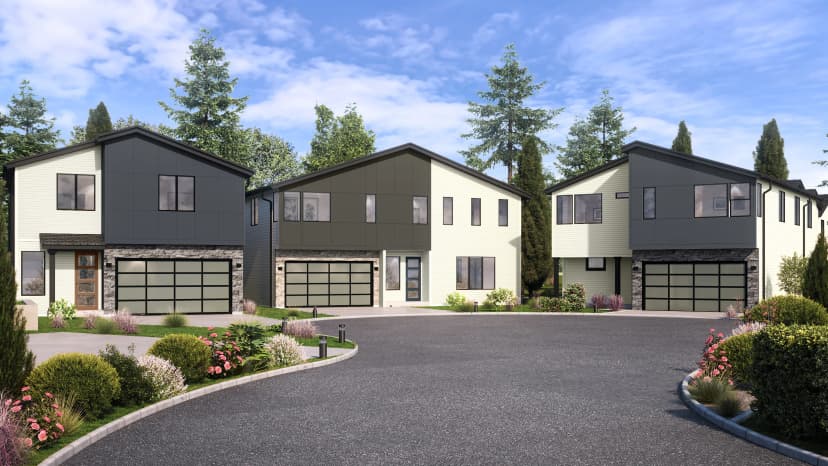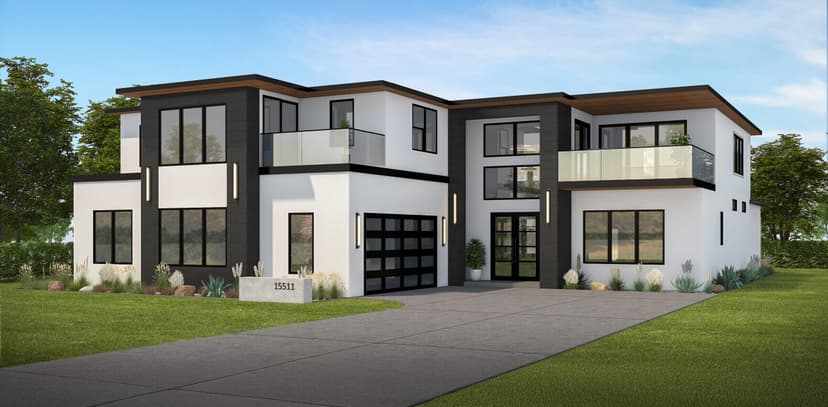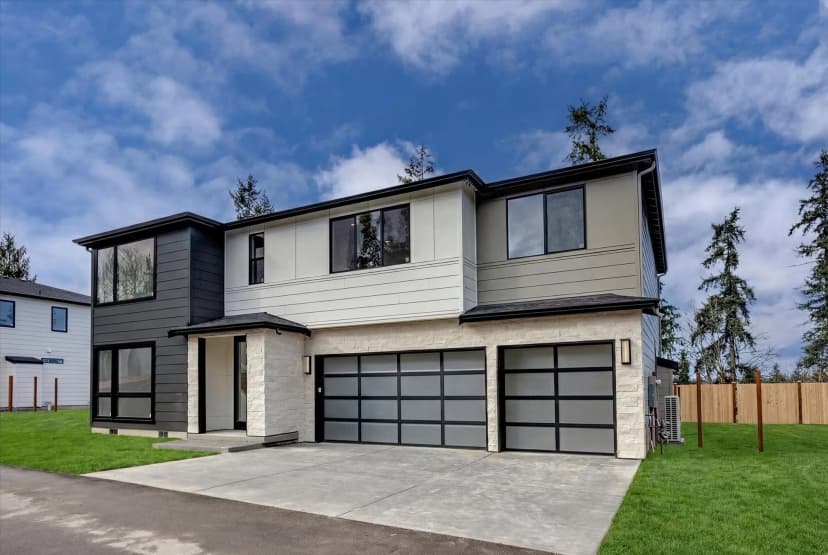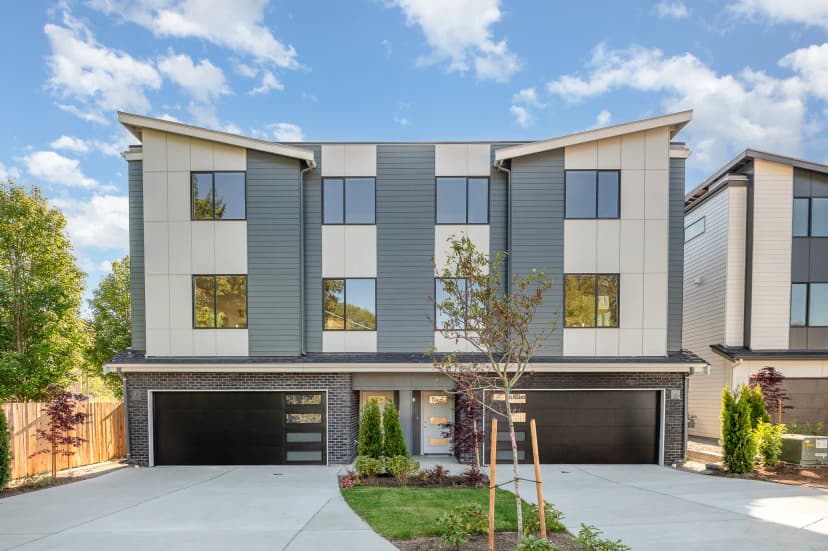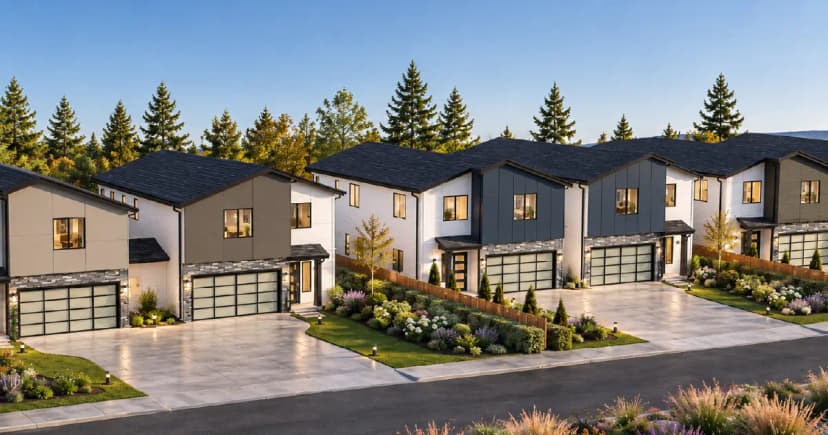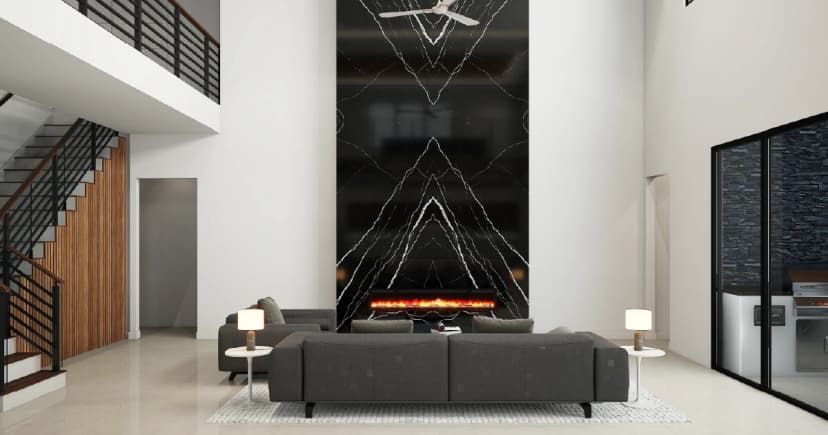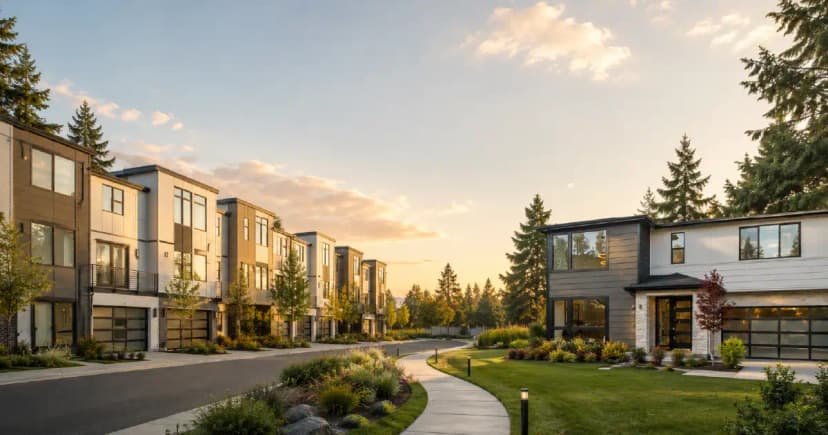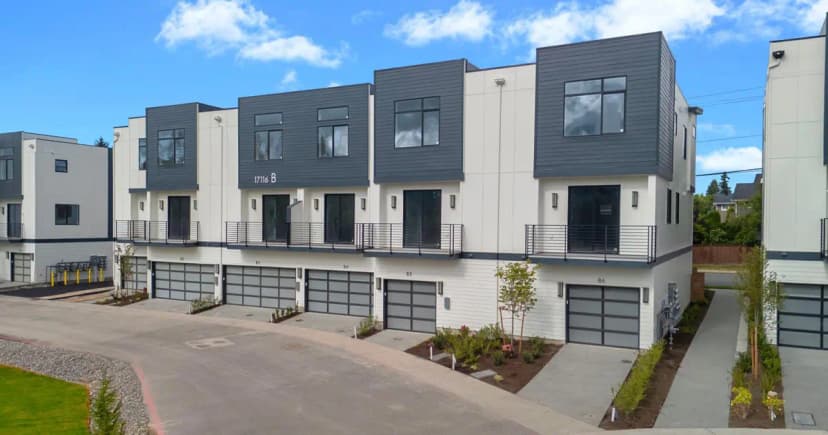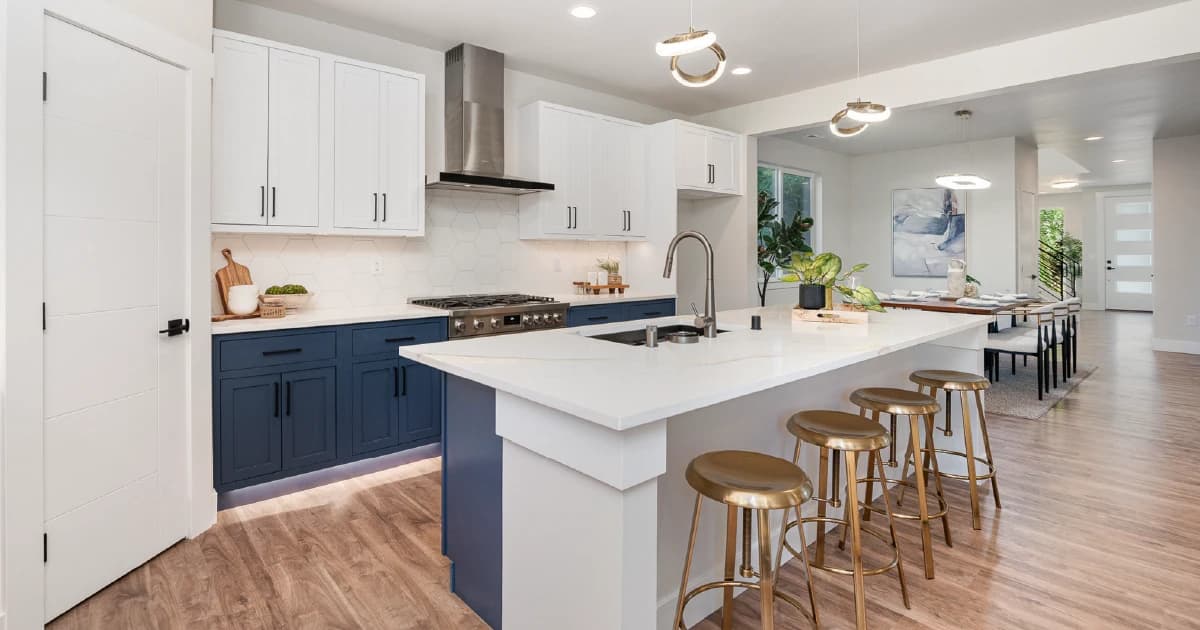
You walk into a model home, and it feels nice. Sunlight streams in the windows, the kitchen looks inviting, and every room seems to have its place. You can almost see your furniture, family photos, daily life in the space.
But then you begin to think beyond that first impression.
Will there be enough counter space for me to get dinner ready while the kids finish their homework at the other end of the kitchen? Will the bathroom be warm in the morning rush? And how much effort to keep everything looking its best?
Those are the questions that turn a beautiful house into a home that works for you.
At MSR Communities, thoughtful design and everyday functionality are important considerations when exploring a new home. Understanding what to look for can help you make more confident decisions about the finishes, features, and spaces that matter most to you.
The Details You Notice After the First Impression
A dramatic countertop or a row of pendant lights might be the first thing you notice. Smaller details often become more apparent as you look around.
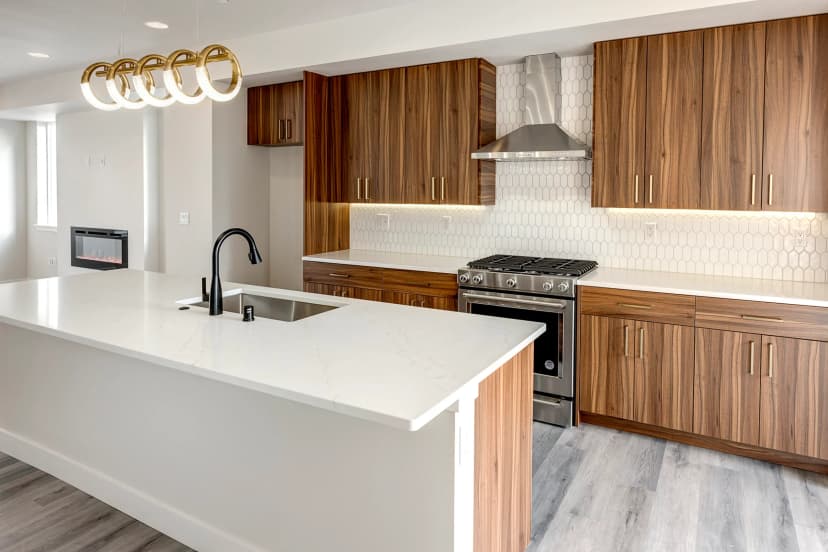
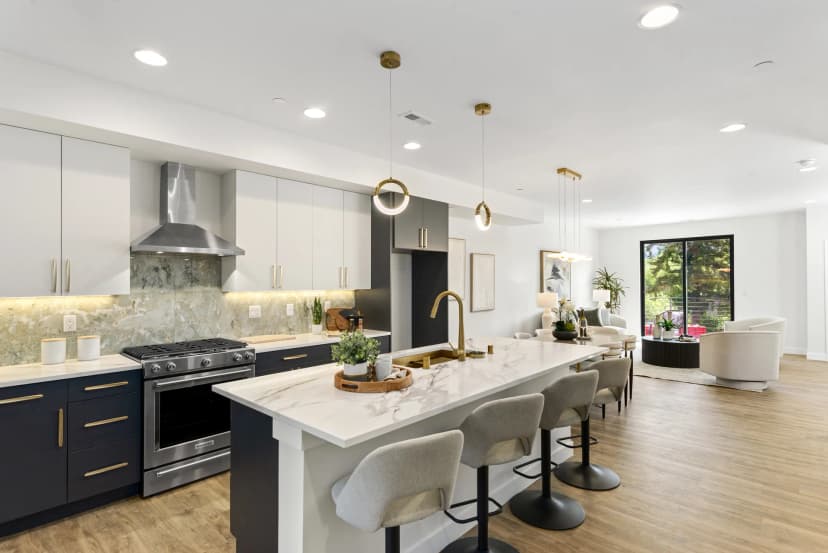
Consider the cabinetry. Its color and style help define the kitchen, but the drawer arrangement and available storage may matter more once you start using the space. Flooring affects the appearance of adjoining rooms, and the way different materials meet can influence whether the interior feels cohesive. In a bathroom, the faucet and tile contribute to the overall look, while their placement and care requirements deserve attention, too.
These details are worth considering together. A countertop that looks beautiful on its own may not work as well with a cabinet color you initially liked. A dark fixture might provide just the contrast you want, or it may draw more attention than you expected. Lighting can change the appearance of both.
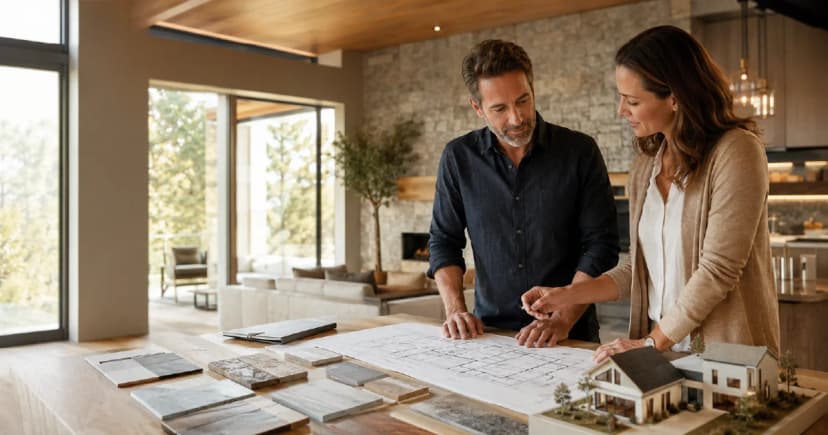
That’s why it helps to look at the actual finishes rather than relying entirely on a model home’s furnishings or photographs. If samples are available, view them alongside one another. Ask which materials are specified for the home, and take note of anything you particularly like or want to understand better.
The aim isn’t to scrutinize every small decision. It’s to recognize which details will matter once the excitement of seeing a new home has settled.
Quality Finishes in New Homes Need to Work for You
A finish can look excellent in a showroom and still be a poor match for a particular household. The difference often comes down to how the material will be used and maintained.
- Take flooring. A wood-look finish can bring warmth to an interior, but the appearance alone doesn’t tell you what the product is made of or how it should be cleaned. SPC flooring, for example, is different from engineered wood. Ask which product is installed, review its care instructions, and check whether there are restrictions on cleaning products or exposure to moisture.
- Countertops deserve similar attention. Quartz is a popular choice for kitchens because of its appearance and practical characteristics, but specific products have their own care requirements. Ask about heat precautions, cleaning recommendations, and the manufacturer’s guidance before assuming a surface is maintenance-free.
- Cabinetry is another place where looks and function meet. A finish you love may be exactly right for your kitchen, but the storage configuration matters just as much. Open the drawers, look at the shelf arrangements, and consider whether there is room for the items you use most often.
For buyers comparing quality finishes in new homes, these questions help separate a material’s appearance from its day-to-day usefulness. They also make it easier to compare properties accurately. Two homes may advertise similar finishes while specifying different products.
What Makes Premium Finishes Worth Considering?
The word premium can mean different things from one home to another. It might describe a particular material, a more distinctive fixture, or a finish included in one home that another builder offers as an upgrade. The label itself doesn’t tell you whether the feature is worth paying for.
Consider a 3cm quartz countertop. Its profile can give a kitchen a substantial appearance, and the surface may suit the look you want. But the useful comparison includes the specific product, its care requirements, and whether it’s already included in the home’s price.
The same applies to lighting and plumbing fixtures. A designer fixture can add character, but its style should work with the rest of the room. A faucet may look striking in a display, yet the way it operates and the availability of replacement parts may be more important over time.
When comparing premium finishes in new construction homes, ask what distinguishes the included product from an alternative. Is the material different? Does the option change the appearance, dimensions, or functionality? Is there an additional cost? These are more useful questions than simply asking which selection is considered an upgrade.
It’s also worth remembering that a higher price doesn’t automatically mean a better choice. An expensive countertop or statement fixture may be appealing, but it shouldn’t take priority over a home’s layout, storage, or other features that matter more to you. The value of a finish depends on what you want from it and what it costs.
Modern Home Finishes Without Following Every Trend
Contemporary interiors often feature clean lines, coordinated materials, and a considered use of contrast. Those elements can create an appealing look, but there’s no need to follow every popular design trend to achieve it.
Start with the larger surfaces. Flooring and cabinetry establish much of a room’s character because they occupy so much visual space. Countertops, tile, and hardware can then add contrast or reinforce the palette.
Lighting makes a difference here, too. A cabinet color may look warmer under one light source and cooler under another. A flooring sample viewed in a showroom may appear different in a room with limited natural light. If you’re choosing finishes, look at samples together whenever possible and consider the lighting conditions in the actual home.
Personal preference matters more than a perfectly coordinated display. If you like understated interiors, simple cabinet fronts and subtle hardware may be enough. If you prefer a stronger look, a darker cabinet color or distinctive backsplash could give the room the character you want.
Think about what would be difficult or costly to change later. Hardware is generally easier to replace than flooring or tile, which can involve more extensive work. That doesn’t mean you should avoid a bold finish. It simply makes sense to be more deliberate about selections that would be expensive to change.
The best modern home finishes are the ones you enjoy looking at and can comfortably live with. A home doesn’t need to look like a showroom to feel considered, and every surface doesn’t have to make a statement.
Why New Construction Kitchen Finishes Deserve a Closer Look
The kitchen is often where buyers spend the most time examining finishes. That’s understandable: the room has several major materials, and its layout can make a noticeable difference to how the home functions.
Look at the cabinetry. Think about where dishes, cookware, pantry items, and small appliances would go. A kitchen can have attractive cabinets yet lack the arrangement you need. If you cook frequently, the location of drawers and the relationship between preparation space and appliances may deserve as much attention as the cabinet finish.
Then consider the materials together. A heavily patterned countertop might work well with simple cabinets, while a distinctive backsplash may be easier to appreciate when the other surfaces are more restrained. Faucets, cabinet pulls, and lighting can introduce contrast without competing for attention.
Don’t overlook the lighting. Natural light can change the feel of the kitchen throughout the day, while artificial lighting needs to support food preparation and other tasks after sunset. During a tour, look at the actual space rather than relying only on the effect created by staged furnishings.
Understanding What’s Included—and What Costs Extra
Finish selections can influence the overall cost of a new home, so it’s worth understanding the details before deciding that an upgrade is necessary.
Start with the included specifications. If the flooring, countertops, and fixtures already suit your preferences, you may not need to change them. If a particular selection matters to you, ask how the alternative differs and what it would add to the price.
This is especially important when comparing two homes. One property may include a feature that another lists as an option. Similar descriptions don’t necessarily mean the materials or specifications are identical, and a lower advertised price doesn’t tell you the whole story.
Personalization Depends on the Home
One appeal of new construction is the possibility of making certain design choices before a home is complete. However, not every home offers the same degree of flexibility.
A move-in-ready home may already have its flooring, cabinetry, countertops, and fixtures installed. A home earlier in construction may offer a different selection process, depending on the community and the builder’s schedule.
If personalization matters to you, ask about it early. Find out which finishes can still be selected, whether the available options affect the purchase price, and when your decisions need to be made. Request written details so you know which selections apply to the home you’re purchasing.
You don’t have to customize every room to make a home feel personal. Sometimes the included finishes are already close to what you want. Furniture, artwork, and other belongings can add character without requiring changes to permanent materials.
Explore the MSR Standard
The difference premium finishes make isn’t about choosing the most expensive material in every room. It’s about understanding what a home includes, how the finishes suit your preferences, and whether the materials make sense for the way you plan to use the space.
MSR Communities gives buyers a starting point for exploring their approach to finishes and home design. As you compare properties, look closely at the specifications, ask questions about included features, and weigh any upgrades against your priorities and budget.
Ready to explore your options?
Visit MSR Communities’ homes for sale to see available properties, compare home styles, and learn more about the features offered with individual homes.
Disclaimer: Features, included finishes, optional selections, pricing, and availability vary by home and community. Customization may depend on construction stage. Model homes, renderings, and marketing photographs may show furnishings or features that are not included. Confirm current specifications and availability with MSR Communities before making a purchase decision.