Explore The Shore16: Elevating Your Lifestyle with Luxury Townhomes 

Explore The Shore16: Elevating Your Lifestyle with Luxury Townhomes

Nestled in the heart of Kenmore, Washington, The Shore16  is a premier collection of luxury townhomes that seamlessly blend modern sophistication with the serene beauty of the Pacific Northwest. Designed to offer an unparalleled living experience, these 16 exclusive homes present a rare opportunity for homeowners seeking a perfect balance of urban convenience and natural retreat. Whether you’re a young professional, a growing family, or someone looking to downsize while maintaining an upscale lifestyle, The Shore16 has something for everyone. 

A Prime Location with Unmatched Accessibility 

One of the biggest advantages of The Shore16 is its prime location at 18703 68th Ave NE, Kenmore, WA. Situated at the northern tip of Lake Washington, this community offers easy access to major urban hubs while still retaining the charm and tranquility of a suburban oasis. 

  • Commute Made Easy: With Highway 522 just minutes away, residents enjoy a seamless drive to Seattle and Bellevue, both approximately 30 minutes away. 
  • Proximity to Nature: Outdoor enthusiasts will love being steps away from the Burke-Gilman Trail, a haven for bikers, joggers, and walkers looking to immerse themselves in nature. 
  • Vibrant Downtown Scene: Kenmore’s rapidly growing downtown features an array of trendy restaurants, cafes, and boutique shops, ensuring there’s always something exciting to explore. 
  • Wine Country at Your Doorstep: Just a short drive away, Woodinville Wine Country offers a premium selection of wineries and tasting rooms, making weekend getaways a delight. 
  • Education & Culture: For those in academia or research, University of Washington Bothell is conveniently located nearby, offering endless learning opportunities and a vibrant cultural scene. 

Elegant and Thoughtfully Designed Homes 

Each of the 16 luxury townhomes at The Shore16 is meticulously crafted with modern elegance, functional design, and top-tier finishes. With spacious layouts and premium amenities, these homes redefine upscale living. 

Key Home Features: 

  • Spacious Layout: With 1,775 sq. ft. of living space, each home features four bedrooms and three bathrooms, providing ample space for comfortable living. 
  • Luxury Interiors: Every home is adorned with luxury vinyl plank (LVP) flooring, an electric fireplace, and central air conditioning, ensuring a cozy yet sophisticated ambiance. 
  • Gourmet Kitchen: Designed for culinary enthusiasts, the kitchen is equipped with KitchenAid stainless steel appliances, quartz countertops, and stylish modern cabinetry. 
  • Flexible Living Spaces: The lower-level bedroom comes with an ensuite bath, making it perfect for guests, a home office, or even a rental space. 
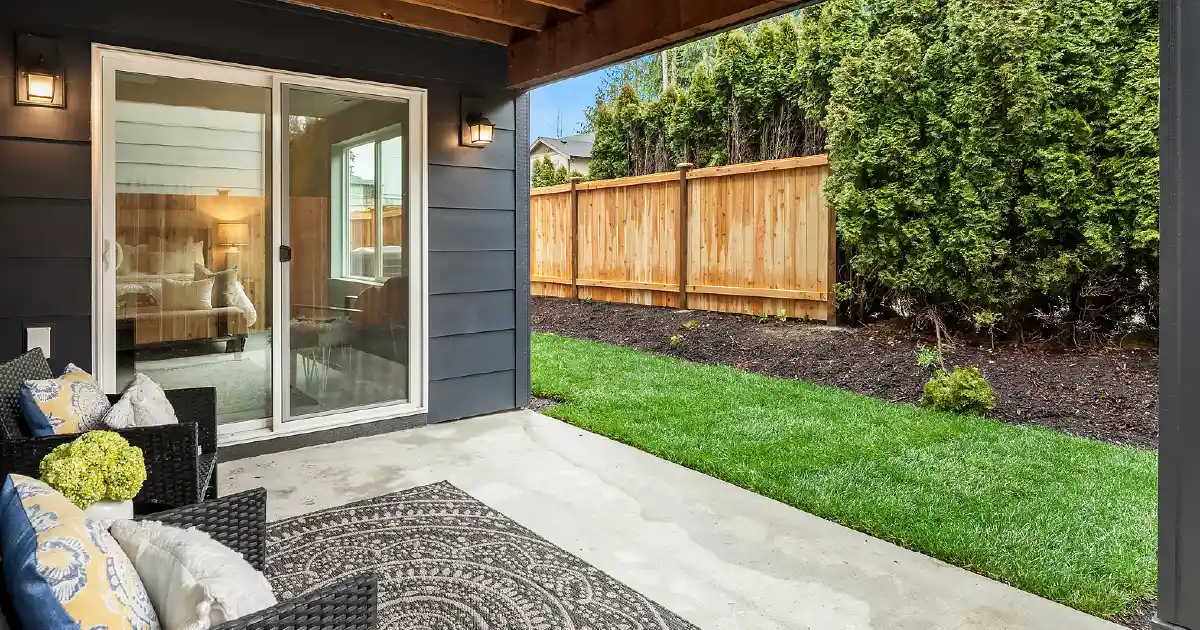
  • Serene Outdoor Living: A covered Trex deck extends the living space outdoors, allowing homeowners to relax and entertain while enjoying scenic views. 
  • Secure Parking: Each home includes a two-car side-by-side garage, providing convenience and additional storage space. 

A Community Built for Modern Lifestyles 

Beyond the stunning interiors and well-thought-out floor plans, The Shore16 is designed to foster a sense of community and connectivity. Homeowners will find themselves part of a close-knit neighborhood with plenty of opportunities for social engagement and outdoor recreation. 

Lifestyle Benefits of The Shore16: 

  • Top-Rated School District: Families will appreciate being part of the highly acclaimed Northshore School District, ensuring access to some of the best educational institutions in the region. 
  • Weekend Adventures: From kayaking on Lake Washington to hiking in Saint Edward State Park, the outdoor possibilities are endless. 
  • Pet-Friendly Environment: The community welcomes furry friends, with plenty of nearby parks and open spaces for them to roam. 
  • Eco-Friendly Living: Energy-efficient features and sustainable materials contribute to an environmentally conscious living experience. 

Why Choose The Shore16? 

If you’re looking for a home that combines modern luxury, thoughtful design, and a vibrant community, The Shore16 is the ideal choice. With only 16 exclusive townhomes available, this is a limited opportunity to invest in a home that truly elevates your lifestyle. 

  • Modern, high-end finishes that set new standards for townhome living 
  • Strategic location with easy access to Seattle, Bellevue, and major attractions 
  • Designed for comfort, functionality, and long-term value 
  • Access to nature, top-rated schools, and a thriving local community 

Schedule a Tour Today 

Don’t miss the chance to experience The Shore16 in person. Join us for an Open House every Saturday and Sunday from 12 PM to 3 PM, or schedule a private tour at your  

Experience the perfect blend of luxury, convenience, and natural beauty at The Shore16—where modern living meets tranquil elegance. 
The Long-Term Benefits of Owning a Single-Family Home

The Long-Term Benefits of Owning a Single-Family Home

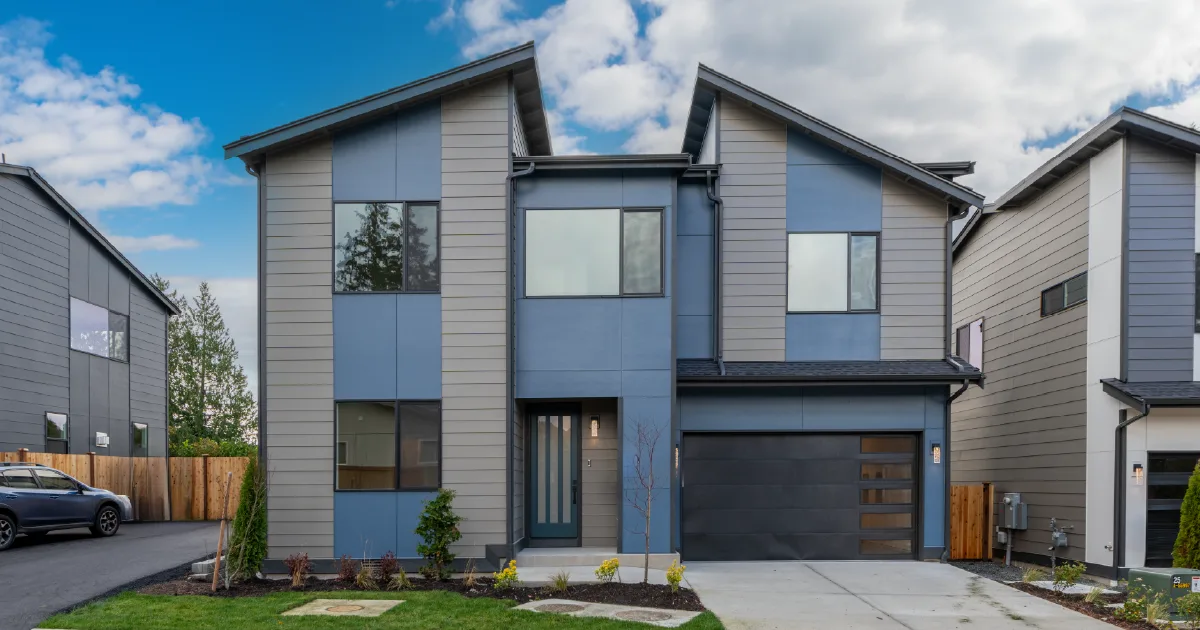
Owning a single-family home isn’t just a personal milestone—it’s a decision that offers lasting financial, emotional, and lifestyle rewards. Whether you’re renting and considering the benefits of homeownership or own a condo or townhome and want to upsize your home, this guide highlights why purchasing a single-family home could be a smart, long-term investment for you. 

Financial Benefits of Homeownership 

Becoming a homeowner provides undeniable financial advantages. According to the National Association of Realtors (NAR), homeowners’ net worth is, on average, 40 times greater than that of renters. Here’s why: 

1. Tax Benefits of Owning a Home 

One of the most significant financial benefits of home ownership is the tax advantages. Homeowners can deduct mortgage interest and property taxes from their taxable income, saving thousands of dollars annually. These home tax benefits of owning a home make buying a house an excellent financial decision for families.  

2. Building Equity 

Each mortgage payment builds equity—a form of savings that grows over time. As property values appreciate, equity becomes an asset that you can leverage for future financial goals. 

3. Stable Housing Costs 

Owning a home protects you from rising rental costs. With a fixed-rate mortgage, your housing expenses remain consistent, providing financial stability and peace of mind. 

4. Wealth Creation for Future Generations 

Homeownership isn’t just about today—it’s about creating a lasting legacy. A single-family home is an asset that can be passed down, ensuring financial stability for future generations. 

Emotional and Lifestyle Benefits of Homeownership 

Owning a single-family home offers more than just financial advantages. The emotional and lifestyle benefits enhance your quality of life in meaningful ways: 

1. A Place to Call Your Own 

One of the top reasons to buy a home is the pride and security it brings. Unlike renting, homeownership gives you the freedom to personalize your space to reflect your unique style.  

2. Strong Community Ties 

Single-family neighborhoods often foster a sense of belonging. Local events, schools, and shared amenities create opportunities for connection and engagement. 

3. Stability for Your Family 

Owning a home offers consistency and stability. Families can create lasting memories and provide children with a steady environment to grow up in—a key reason many people prioritize homeownership. 

Pros and Cons of Buying a House 

Before purchasing, it’s essential to evaluate the pros and cons of buying a house to make decision that best for you: 

Pros: 

  • Investment Opportunity: Real estate generally appreciates, offering long-term financial gains. 
  • Tax Benefits: As highlighted earlier, the home tax benefits of owning a home can significantly lower your taxable income. 
  • Personalization: You can renovate and design your home to suit your tastes and needs. 

Cons: 

  • Upfront Costs: Down payments and closing costs can be substantial but are offset by long-term benefits. 
  • Maintenance Responsibilities: Homeowners are responsible for upkeep and repairs, which require time and money. 
  • Market Fluctuations: While real estate typically appreciates, short-term dips in the market can temporarily affect your home’s value. 

Survey Insights on Homeownership 

The U.S. homeownership rate in the third quarter of 2024 was 65.6%, according to the U.S. Census Bureau’s Housing Vacancies and Homeownership Survey (HVS). Homeowners consistently report higher satisfaction with their living conditions compared to renters, citing stability, financial benefits, and community engagement as primary factors. 

Why Invest in a Single-Family Home 

Single-family homes offer unparalleled advantages, including privacy, spacious living, and proximity to essential amenities. Whether you’re drawn by the financial benefits of home ownership or the emotional rewards of stability, investing in a single-family home is a decision that pays dividends in every aspect of life. 

MSR Communities: Your Partner in Homeownership 

If you’re ready to explore the benefits of homeownership, MSR Communities is here to connect you with your dream home.  Our single-family homes are designed to blend style, quality, and functionality. Here’s what we offer: 

  • Spacious and Stylish Designs: Thoughtfully crafted layouts tailored to modern living. 
  • High-Quality Materials: Built with premium finishes that ensure durability and elegance. 
  • Customizable Options: Personalize your home with pre-sale customization options to create the perfect space for your family. 

At MSR Communities, we’re dedicated to delivering homes that exceed  your expectations and stand the test of time. 

Conclusion 

Owning a single-family home goes beyond financial gains. From the tax benefits of owning a home to the emotional rewards of stability and pride, homeownership is a transformative experience. Making homeownership a reality requires careful planning and consideration. Budgeting for upfront costs such as down payments and closing fees is essential. These expenses can seem daunting, but exploring options like first-time homebuyer programs or down payment assistance can make homeownership more accessible. Consulting with a financial advisor can provide valuable insights, helping you understand the financial implications of homeownership, explore different mortgage options, and make informed decisions that align with your financial goals and long-term objectives. 

If you’re ready to make this life-changing investment, MSR Communities is here to help you find or create your dream home. Don’t wait—visit MSR Communities today and take the first step toward a brighter future for you and your family.

How To Convert Your Backyard into A Kids’ Playground

How To Convert Your Backyard into A Kids' Playground

Seattle, with its lush greenery and (sometimes) sunny skies, is a wonderful backdrop for childhood adventures. If you’re a parent in the Emerald City looking to encourage outdoor fun and reduce screen time, transforming your backyard into a play space can be a fantastic option. 

Having a spacious yard in a single-family home provides plenty of opportunities to design an engaging play area that fits your needs. 

Seattle’s climate—with its mild summers and frequent rainy days—means you’ll want to choose playground equipment that can handle moisture while still providing year-round entertainment. In this guide, we’ll explore backyard playground ideas to help you create a kid-friendly retreat. 

Backyard Playground Ideas for Different Spaces 

There are plenty of ways to make the most of your backyard. Here are some fantastic ideas to consider: 

The Classic Swing Set: A timeless favorite, swing sets provide hours of entertainment. Options with multiple swings, a glider, or even a trapeze bar can add variety. Choosing a model with a canopy can also help provide some shelter from Seattle’s frequent rain. 

The Multi-Activity Center: For those with a bit more space, a multi-activity playset can be a great option. These structures often combine swings, slides, climbing walls, and playhouses, offering a variety of activities for kids of different ages. 

The Sandbox Adventure: A sandbox can be a wonderful addition for younger children, providing opportunities for imaginative play. Adding toys, shovels, and buckets enhances the experience, while a cover helps keep it clean and dry. 

The Playhouse Hideaway: A playhouse—whether styled as a castle, pirate ship, or cozy cottage—can encourage creativity and independent play. Opt for a weather-resistant model and personalize it with paint and decorations. 

The Climbing Challenge: Climbing walls, rope ladders, and monkey bars help build strength and coordination while keeping kids engaged. Including a soft-landing area with materials like rubber mulch can enhance safety. 

Steps to Create Your Backyard Playground 

Turning your backyard into a fun and safe play space takes some planning. Here’s how to bring your vision to life: 

  • Step 1: Measure Your Space 

Carefully measure your backyard to determine what size equipment will fit comfortably. 

  • Step 2: Set a Budget 

Playground equipment varies in price, so having a budget in mind can help narrow down options. 

  • Step 3: Choose the Right Equipment 

Explore online retailers and local stores for quality playground equipment. Checking reviews and comparing prices can help you find a great fit for your space. 

  • Step 4: Prepare the Ground 

Leveling the area where you plan to install the playground and using materials like rubber mulch, sand, or artificial grass can create a soft, safe play surface that drains well. 

  • Step 5: Installation 

Some playgrounds require professional installation, while others are DIY-friendly. If assembling yourself, carefully follow the instructions. 

  • Step 6: Prioritize Safety 

Regular maintenance is key. Ensure equipment is securely installed, check for loose bolts, worn-out parts, and general wear and tear, and always supervise children while they play. 

Year-Round Backyard Enjoyment Ideas 

A backyard play space can be a hub for year-round fun. Here are some seasonal activities to keep things exciting: 

  • Spring: Host an egg hunt, decorate Easter eggs, or plant kid-friendly flowers. 
  • Summer: Set up a sprinkler system for water play, create a backyard camping experience, or organize a mini sports day. 
  • Fall: Carve pumpkins, set up a scavenger hunt for fallen leaves, or build an outdoor reading nook. 
  • Winter: Create a hot cocoa stand, decorate a small outdoor tree, or build a mini snow park if it snows. 

Choosing Playground Equipment for Seattle’s Climate 

Given Seattle’s wet weather, durability and weather resistance should be top priorities when selecting playground equipment. Consider these materials: 

  • Cedar or Redwood: Naturally resistant to decay and insects, making them great for wooden playsets. 
  • Powder-Coated Metal: Helps prevent rusting and ensures long-lasting fun. 
  • Weather-Resistant Plastic: Ideal for slides, swings, and climbing structures that won’t warp in the rain. 
  • Waterproof Paint & Sealants: Extend the lifespan of wooden structures by applying weather-resistant coatings. 

Creating a Safe & Engaging Play Environment 

Safety is key when designing a backyard play space. Keep these tips in mind: 

  • Use Soft Landing Surfaces: Materials like rubber mulch, wood chips, or pea gravel provide cushioning and improve drainage. 
  • Ensure Secure Anchoring: All equipment should be properly installed to prevent tipping. 
  • Opt for Rounded Edges & Safety Nets: Reduce the risk of injuries with child-friendly designs. 
  • Regularly Inspect & Maintain Equipment: Tighten bolts, clean surfaces, and check for wear and tear. 

Conclusion: The Perfect Backyard and the Perfect Home

Transforming your backyard into a fun and engaging play space doesn’t have to be complicated. With a single-family home having a backyard, you have the flexibility to design an outdoor play area that suits your child’s needs. 

If you’re considering moving to a home with more outdoor space, Seattle area offers fantastic options for single-family homes.  Check out new construction homes built by MSR Communities, including floor plans and customization options, to find a home that provides the ideal backyard for endless adventures.

Now is a great time to explore available homes, find a layout that suits your family’s needs, and create the perfect outdoor retreat. 

New Construction Homes for Sale: Your Guide to Buying a New Home

New Construction Homes for Sale: Your Guide to Buying a New Home

Buying a new construction home can be an exciting and rewarding experience. However, it also comes with unique considerations compared to purchasing an existing home. Here’s your guide to navigating the New Construction Home buying process: 

1. The Allure of New Construction 

  • Customization: The ability to personalize your home with upgrades, finishes, and floor plans is a major draw. 
  • Energy Efficiency: New homes often incorporate energy-efficient features like high-efficiency appliances, improved insulation, and modern HVAC systems, leading to lower utility bills. 
  • Warranty Coverage: Builders typically offer warranties on materials and workmanship, providing peace of mind for the homeowner. 
  • Modern Amenities: New homes often feature the latest in technology and design, including open floor plans, gourmet kitchens, and spacious master suites. 

2. The New Construction Home Buying Process 

  • Research Builders: Investigate reputable builders with a strong track record of quality construction and customer satisfaction. 
  • Visit Model Homes: Explore model homes to get a feel for the builder’s style and available options. 
  • Choose a Lot and Floor Plan: Select the lot and floor plan that best suits your needs and preferences. 
  • Make an Offer: Negotiate the purchase price and any desired upgrades or customizations. 
  • Secure Financing: Obtain a pre-approval letter from a lender to demonstrate your financial capacity. 
  • Construction Phase: Monitor the construction progress and address any concerns promptly with the builder. 
  • Walkthrough and Closing: Conduct a thorough walkthrough to inspect the home for any defects. Once satisfied, proceed with the closing process. 

3. Key Considerations 

  • Budget: Determine your budget carefully, considering not only the purchase price but also the costs of upgrades, closing costs, and potential moving expenses. 
  • Location: Choose a location that meets your lifestyle needs, considering factors like proximity to schools, work, and amenities. 
  • Community Amenities: Research the available community amenities, such as parks, pools, and recreational facilities. 
  • HOA Fees: Understand any associated Homeowners Association (HOA) fees and regulations. 
  • Warranty Coverage: Carefully review the warranty terms and conditions provided by the builder. 

4. Ready to Buy Homes

If you’re ready to take the leap and purchase a new construction home, remember to: 

  • Do your research: Thoroughly investigate the builder and the community. 
  • Ask questions: Don’t hesitate to ask questions throughout the entire process. 
  • Read contracts carefully: Review all contracts carefully before signing. 
  • Build a strong relationship with your builder: Maintain open communication with your builder to address any concerns promptly. 

Diving Deeper: Key Aspects of New Construction Homes 

Understanding the Customization Process: 

  • Options Meetings: These crucial meetings allow you to select finishes like flooring, countertops, cabinets, and paint colors. 
  • Upgrades: Be mindful of your budget when choosing upgrades. Prioritize features that add significant value and align with your long-term needs. 
  • Change Orders: If you decide to make changes after the initial contract is signed, be prepared for potential cost increases and potential delays in the construction timeline. 

Navigating the Construction Phase: 

  • Regular Communication: Maintain open and consistent communication with your builder throughout the construction process. 
  • Site Visits: Schedule regular site visits to monitor progress and address any concerns promptly. 
  • Construction Delays: Be prepared for potential delays due to weather, material shortages, or unforeseen circumstances. 

Post-Construction Considerations: 

  • Warranty Review: Carefully review the warranty coverage provided by the builder, including any limitations or exclusions. 
  • Landscaping: Plan for landscaping costs, including sod, plants, and irrigation systems. 
  • Moving Costs: Factor in the costs associated with moving into your new home. 

Potential Pitfalls to Avoid: 

  • Overlooking Hidden Costs: Be aware of potential hidden costs, such as upgrades, closing costs, and moving expenses. 
  • Rushing the Process: Avoid rushing the decision-making process, especially when selecting finishes and upgrades. 
  • Ignoring Red Flags: Pay attention to any red flags during the construction process, such as communication issues or delays. 

Final Thoughts 

Buying a new construction home can be an exciting and rewarding experience. By carefully considering these key aspects and working closely with your builder and other professionals, you can increase your chances of a smooth and successful home buying journey. 

Financing Your Dream Home: Mortgage Options for Single-Family Homes 

Financing Your Dream Home: Mortgage Options for Single-Family Homes

Buying a single-family home is a significant milestone for many. However, the financial aspect can seem daunting. Understanding your mortgage options is crucial to making an informed decision. 

Single-family homes Mortgage Rates 

Single-family home mortgage rates are influenced by various factors, including: 

  • Economic conditions: Inflation, unemployment, and interest rates set by the Federal Reserve. 
  • Credit score: A higher credit score generally leads to lower interest rates. 
  • Loan type: Different loan types (e.g., conventional, FHA, VA) have varying interest rates. 
  • Down payment: A larger down payment often results in better rates. 
  • Loan term: Shorter loan terms typically have lower interest rates but higher monthly payments. 

Do Mortgage Rates Differ Between Townhomes and Single-Family Homes? 

While slight variations may exist, mortgage rates for townhomes and single-family homes are generally similar. The primary factors influencing rates remain the same: credit score, loan type, down payment, and market conditions. 

Are Condo Mortgage Rates Higher Than Single-Family Homes? 

Condo mortgage rates can sometimes be slightly higher than those for single-family homes. This is because lenders may perceive condos as having a higher risk due to factors like: 

  • Homeowners’ association (HOA) regulations: Potential for restrictive rules or special assessments. 
  • Market demand: Lower demand for condos in certain areas can impact property values. 
  • Building condition: Older buildings may have higher maintenance costs. 

Best Mortgage Options for Single-Family Homes 

The “best” mortgage option depends on your individual circumstances. Some popular choices include: 

  • Conventional Loans: Offer flexibility and competitive rates for borrowers with good credit. 
  • FHA Loans: Require lower down payments and are suitable for first-time homebuyers. 
  • VA Loans: Available to eligible veterans and offer attractive benefits like no down payment requirement. 
  • USDA Loans: Designed for rural homebuyers and often have lower interest rates. 

Single-Family Home Mortgage Loans 

Single-family home mortgage loans provide financing to purchase a detached house that sits on its own land. These loans come in various forms, each with its own set of eligibility criteria and terms. 

Key Takeaways: 

  • Thoroughly research different mortgage options to find the best fit for your financial situation. 
  • Consider factors like credit score, down payment, and loan term when comparing rates. 
  • Consult with a qualified mortgage lender to discuss your options and get personalized advice. 

Understanding Different Mortgage Types 

  • Conventional Loans: These are the most common type, not backed by the government.  
  • Conforming Loans: Adhere to strict guidelines set by Fannie Mae and Freddie Mac, making them easier to sell on the secondary market. 
  • Jumbo Loans: Exceed the conforming loan limit, generally requiring higher credit scores and down payments. 
  • Government-Backed Loans: Offer more flexibility for borrowers with lower credit scores or smaller down payments.  
  • FHA Loans: Insured by the Federal Housing Administration, allowing for lower down payments and more lenient credit requirements. 
  • VA Loans:1 Guaranteed by the Department of Veterans Affairs, offering benefits like no down payment requirement for eligible veterans. 
  • USDA Loans: Backed by the U.S. Department of Agriculture, designed for rural homebuyers

Key Considerations When Choosing a Mortgage 

  • Interest Rates: Compare rates from multiple lenders to secure the best deal. 
  • Loan Term: Shorter terms (like 15 years) have higher monthly payments but lower overall interest costs. 
  • Down Payment: A larger down payment generally leads to lower interest rates and lower monthly payments. 
  • Credit Score: A higher credit score improves your chances of qualifying for better rates and terms. 
  • Debt-to-Income Ratio: Lenders consider your total debt obligations (including the mortgage) compared to your income. 

The Homebuying Process 

  1. Get Pre-approved: This gives you a better understanding of how much you can afford to borrow. 
  1. Find a Real Estate Agent: A good agent can help you find the right home and navigate the complexities of the market. 
  1. Make an Offer: Negotiate the price and terms of the sale with the seller. 
  1. Home Inspection: Conduct a thorough inspection to identify any potential issues. 
  1. Loan Application and Approval: Submit your loan application and work with your lender to finalize the approval process. 
  1. Closing: Sign the necessary documents and finalize the purchase of your home. 

By carefully considering these factors and seeking professional guidance, you can increase your chances of successfully financing your dream home