Top 10 Benefits of Living in a New Construction Townhome

Top 10 Benefits of Living in a New Construction Townhome

Seattle is one of the fastest-growing places and attracts homebuyers to live in Washington state. Its vibrant neighborhoods, stunning natural scenery, and booming job market have made the region increasingly competitive in real estate market—and more expensive. While single-family homes remain popular, new construction townhomes are becoming a top alternative for today’s buyers. 

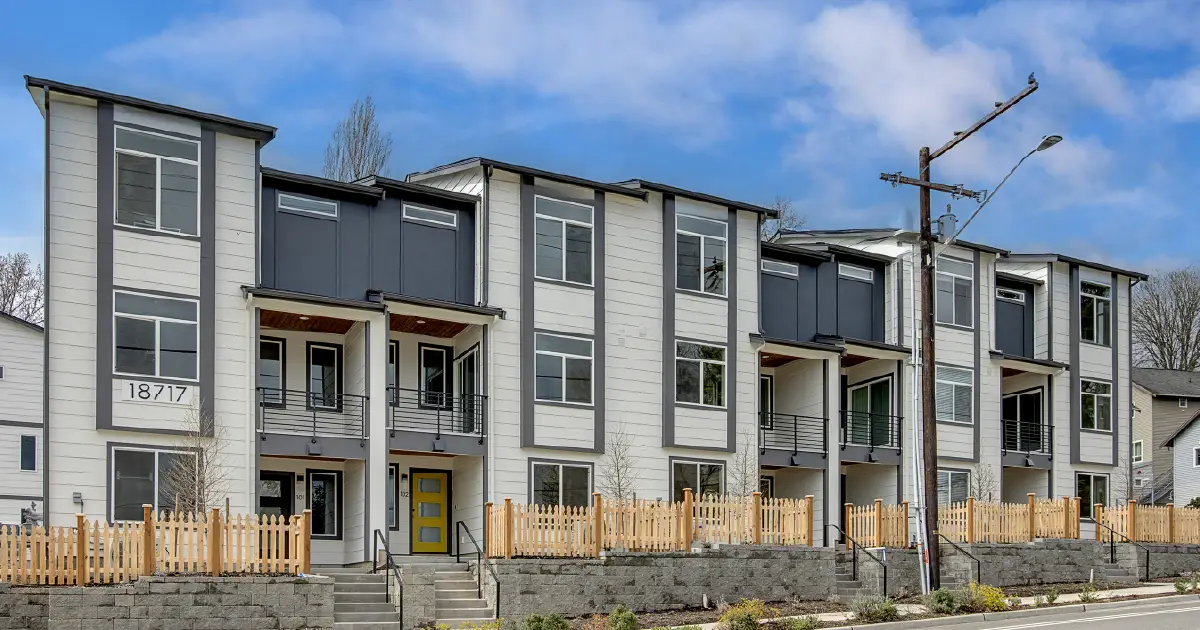
It’s modern features, low-maintenance living, and prime locations, townhomes match the comfort and convenience of single-family home. Whether you’re just starting your home search or exploring new construction options, here are 10 reasons why a new townhome in the Seattle area could be the perfect fit.

1. Innovative Floor Plans for Effortless Living 

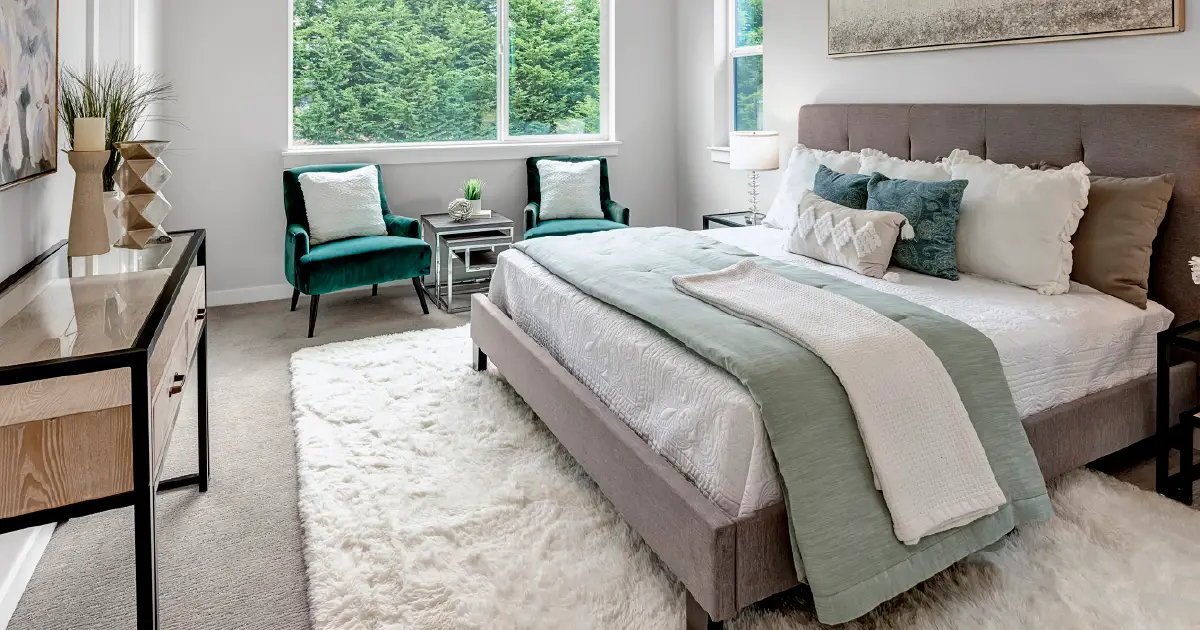
Open concept layout of the new construction townhome best suited for easy lifestyle. These designs with modern finishes, and large windows brighten up even Seattle’s grayest days. 

Spacious kitchens with trendy islands, natural light striking the clear countertop, and ground-floor suites that can serve as a home office, guest room, or multigenerational living space. Families love the bedrooms on upper level to maintain the peace and privacy in the home. Living areas connected to kitchen make communication easy, while retirees appreciate stair-free layouts. And no matter your age, there’s nothing like the feeling of brand-new finishes, flooring, and that “new home” smell. 

2. Low Maintenance = More Free Time 

Old homes need repairs, updates, appliance replacements and a long to-do list. But with a new townhome, everything’s brand new. That means minimal surprising repair costs and more peace of mind. 

Plus, many builders offer warranties that cover structural components and workmanship for several years, giving you added security. This lifestyle is perfect for busy professionals, growing families, or retirees who want less upkeep and more enjoyment. 

3. Move-In Ready Convenience 

One of the biggest perks of buying a new townhome. You can move-in quickly—no painting smell, flooring upgrades, or appliance swaps needed. Just open the door, take the hand of the one you love, and step into the life you’ve been waiting for. 

This is ideal for buyers on a tight timeline—like relocating families or professionals looking for a smooth, hassle-free move. And with some layouts offering ground-floor suites, multigenerational households or buyers needing accessible spaces will find plenty of flexibility. 

4. Skip the Bidding Wars (Usually!) 

Seattle’s housing market can be intense with growing tech companies like Google Microsoft and many others. Resale homes often trigger multiple offers and stressful bidding wars. But for new construction townhomes, prices are usually fixed- no haggling, no second-guessing. Just a clear path to your next home. 

You’ll be far sure that you are not overpaying and have more control over your budget, which is a big win for first-time buyers or anyone looking to skip the drama. 

5. Low (or No) HOA Fees 

Unlike older communities, many new townhome developments in areas like Bothell or Lynnwood come with low or no HOA fees. That means fewer restrictions and more financial freedom. 

Rather than spending hundreds a month on neighborhood upkeep, you can use that money toward your mortgage, travel, or whatever matters most to you. 

6. Affordable Entry into Great Neighborhoods 

Compared to other types of homes, townhomes often come with an affordable price tag—that too without sacrificing location or quality. These features make townhome rank top on the smart option for first-time buyers, growing families, or downsizers who want modern living in sought-after areas without stretching their budget. 

And in many cases, you’ll find that new townhomes offer better layouts, finishes, and energy efficiency than similarly priced resale homes. 

7. Prime Locations Throughout the Seattle Area 

New townhome communities are strategically built near key highways (I-5, Highway 522), public transit, and daily essentials. Whether you’re commuting to work or working from home, these homes offer convenience you can count on. 

Many are close to schools, parks, retail, and medical services, making life easier for busy families, professionals, or retirees who want to stay connected and comfortable.  

8. Outdoor Space Without the Yard Work 

Townhomes have limited backyard space, but they make up for it with rooftop decks, patios, and private balconies—perfect for relaxing, entertaining, or enjoying a cup of coffee on a cool Seattle morning. 

These outdoor spaces give you a breath of fresh air without the hassle of mowing, weeding, or maintaining a yard. Plus, a south-facing deck offers the added benefit of abundant natural light and warmth throughout the day, making it ideal for sunbathing or growing potted plants. 

9. Builder Incentives = Big Savings 

Builders often sweeten the deal with incentives like help with closing costs, interest rate buydowns, or even upgrades, especially if you work with their preferred lender. That can translate into thousands of dollars back in your pocket. And here’s a pro tip: if you get in during the pre-sale stage, you usually have a fantastic opportunity to customize things to like your finishes, paint colors, or even your lot, which can save you a ton of cash on changes down the road. 

For first-time buyers, families, or retirees looking to get more value, these offers are a big advantage over what you’d find with resale homes. 

10. Warranties  

Buying new means peace of mind. Most townhomes come with builder warranties that cover major systems and workmanship for years to come. That alone can be worth it for many buyers.

Explore New Construction Townhomes with MSR Communities 

Looking for a home that fits your lifestyle and your future? MSR Communities is building thoughtfully designed townhomes throughout the Seattle area. From floor plans with ground-floor suites for aging parents to rooftop decks made for coffee on rainy mornings, there’s something for every age and stage of life. 

Whether you’re a first-time buyer, a growing family, or a retiree ready for something easier, MSR’s homes are built to adapt with you—today, tomorrow, and for years to come.  
Single-Family Homes: Are They a Good Investment? 

Single-Family Homes: Are They a Good Investment?

If you’ve been thinking about getting into real estate, you’ve probably heard of the idea of buying a house as an investment. It’s one of the most common and, some would say, safest ways for people to start making money through real estate. 
But with the market changing, more people wanting to buy new single-family homes near me, and so many listings for single-family homes for sale, you might be wondering if now is a good time to buy a single-family home. And more importantly, does it really pay off? 

Let’s break it all down. 

So, What’s a Single-Family Home Anyway? 

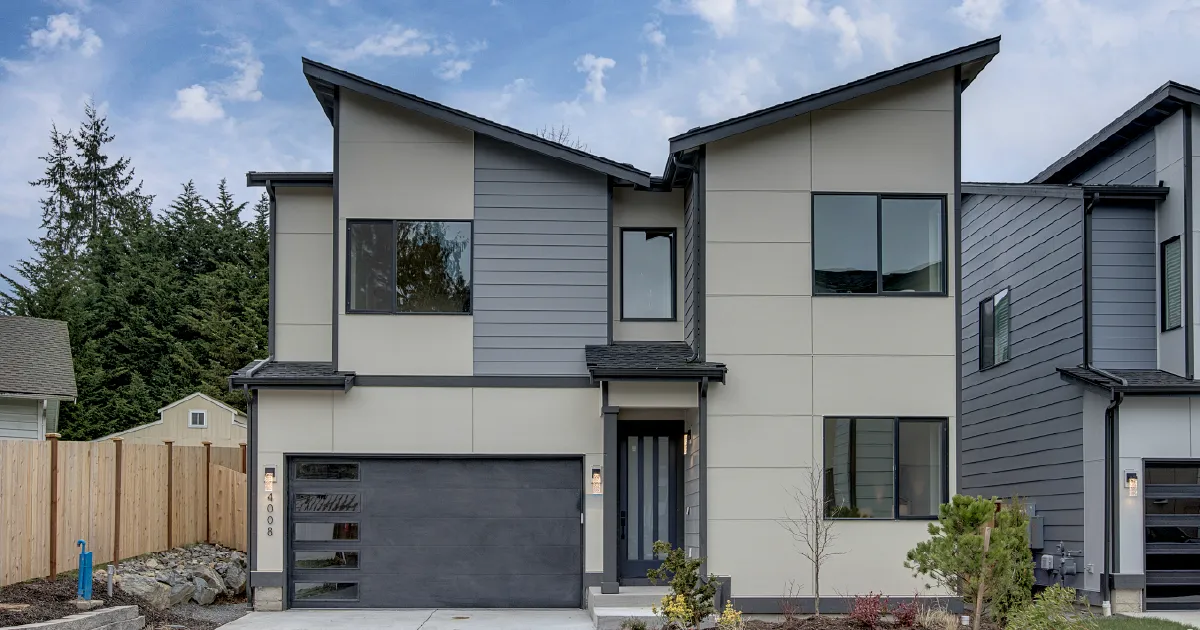
A single-family home is a standalone house designed for one family (no shared walls, no upstairs neighbors stomping around at 2 AM). Think suburban houses with a driveway, a backyard, and a bit more breathing room. 

This setup makes them especially attractive for renters who want privacy, space, and a place that feels like home—which is one reason single family home investing continues to grow in popularity. 

Why Do People Like Investing in Single-Family Homes? 

1. They’re simpler to purchase and oversee. 

Single-family homes are typically simpler to finance and maintain than duplexes or apartment buildings. There is a lot less complexity because you are only managing one tenant and one unit. For new investors in particular, that is a huge plus. 

2. Individuals Desire to Call Them Home 

Renting a home is frequently preferred over renting an apartment by families, young professionals, and even retirees. They typically receive a yard or additional storage space, and it’s more tranquil. Demand like this results in fewer openings and higher long-term profits. 

3. They Gain Appreciation Over Time 

Location matters, of course—but single family homes in growing neighborhoods tend to go up in value over time. So, you’re not just earning rent—you’re also building equity as the home appreciates. 

What About New Homes? Are They Worth the Extra Cost? 

A lot of investors today are leaning toward investing in new construction homes. And honestly, it makes sense. New single family homes come with the latest features—think energy-efficient appliances, better insulation, and modern layouts that renters love. 

They also mean fewer repairs for you as the owner, especially in the first few years. That peace of mind is worth a lot. If you’ve found yourself Googling “new construction single family homes near me,” you’re definitely not alone. It’s a smart move to look into newly built homes in up-and-coming areas. 

What You Should Know Before You Buy 

Even though single family home investing is generally considered less risky than other property types, it still requires careful planning. Here are a few things to keep in mind: 

  • One Tenant = One Income 
    If your tenant moves out, you’re covering the mortgage until someone new moves in. That’s a bigger risk compared to owning a multi-unit property where other renters can cover the gap. 
  • You’re in Charge of Maintenance 
    Landscaping, plumbing, roof leaks—you’ll need to stay on top of it. New homes help reduce this burden, but it’s something to factor into your budget. 
  • Location Is Everything 
    Even the most beautiful home won’t rent (or sell) well if it’s in a bad area. Research school districts, commute times, safety ratings, and local amenities before committing. 

Is Buying a Single-Family Home for Investment Worth It? 

For many people, the answer is yes—especially if you’re looking for a relatively low-risk entry into real estate. With the right property in a good neighborhood, buying a single family home for investment can generate steady rental income while the property gains value over time. 

And if you’re eyeing new construction single family homes, the reduced maintenance and higher rent potential can make the slightly higher purchase price well worth it.

Final Thoughts 

There will always be a need for single-family homes for sale, particularly in expanding suburbs and cities. This kind of real estate offers flexibility, less management stress, and excellent long-term potential, whether you’re investing in a fixer-upper or a brand-new single-family home with all the bells and whistles. 

Investing in single-family homes may be the ideal opportunity for you if you’re new to real estate or want to add something reliable to your portfolio. 

________________________________________ 

Are you considering moving forward? Investigate neighborhoods, start looking through local listings, and do the math. Your first significant step towards financial independence may be purchasing the ideal single-family home

Trio at Inglewood: Discover Your Dream Home in Kenmore 

Trio at Inglewood: Discover Your Dream Home in Kenmore

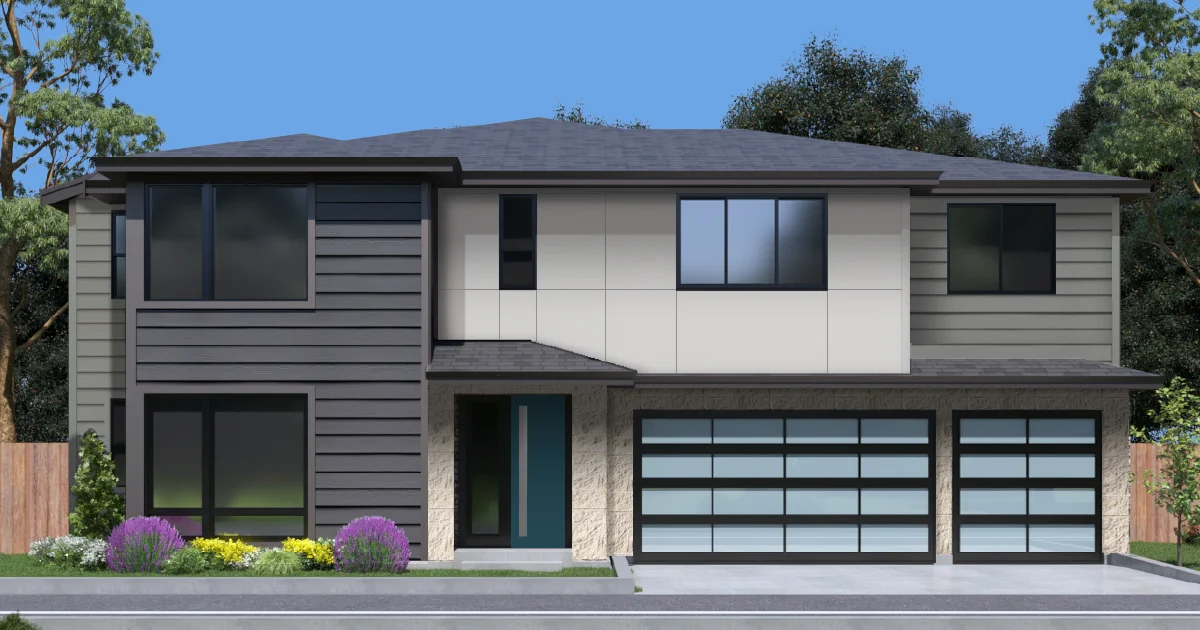
A distinctive, boutique community, Trio at Inglewood provides a degree of exclusivity uncommon in bigger developments. There are just three houses available, and each one is made to offer a genuine sense of community in addition to a place to live. These 3,781–3,813 square foot homes are ideal for people who need space, whether it’s for a growing family or just to support an opulent lifestyle. There is plenty of space to enjoy thanks to the four bathrooms and five large bedrooms. Functionality is given top priority in the design; every area is painstakingly created to support contemporary living while maintaining a classic elegance.

Designed for Today’s Homeowner 

These homes are made to cater to the diverse needs of today’s busy households. Main-floor guest suites provide an ideal space for visitors, elderly parents, or long-term guests, making it easy to have a separate, private space for loved ones. With a three-car garage, you won’t have to worry about parking or lack of storage, a feature that’s often overlooked in modern builds but highly valued in daily life. The integration of smart home technology, including features like Ring doorbells, EV charging stations, and media center wiring, ensures that your home is ready for the future. Whether it’s for convenience or sustainability, these homes are designed to make life easier. And with spacious, fully-fenced yards—perfect for everything from gardening to hosting backyard gatherings—you’ll have the outdoor space to complement the spacious interiors.

An Ideal Location 

In the Pacific Northwest, Kenmore is a hidden gem that provides the ideal balance of peaceful suburban living and easy access to city amenities. Living at Trio at Inglewood puts you close to Lake Washington, where you can kayak or just enjoy the breathtaking scenery. Golfers can easily visit the historic Inglewood Golf Club, while nature lovers will enjoy the parks, hiking trails, and tranquil surroundings that are close by. Being a part of the prestigious Northshore School District, this location also puts you close to some of the best local schools. Additionally, you’re only a short commute from busy job centers in Seattle, Bellevue, and other places thanks to easy access to I-405 and Highway 522.

A Rare Opportunity 

Only three residences are available at Trio at Inglewood, providing a unique opportunity to own a home in a neighborhood that values seclusion, excellence, and uniqueness. Securing a distinctive lifestyle in one of Kenmore’s most desirable areas is more important than simply purchasing a home. The quality of these residences and the development’s exclusivity are reflected in their starting price of $2,149,950. This is the ideal time to get involved, especially if you want to customize your home with unique finishes and upgrades to make it truly your own, as homes are anticipated to be ready for occupancy by August 2025.

Why Choose MSR Communities? 

MSR Communities is known for building innovative, long-lasting, and stylish homes. Not only are MSR’s homes renowned for their superb craftsmanship and meticulous attention to detail, but they are also built to last. The Trio at Inglewood team is committed to building sustainable, energy-efficient, and well-designed homes for today’s homeowner. MSR is a partner in ensuring that your ideal home is realized, not just a builder. 

Schedule a Private Tour Today 

With only three homes available in Trio at Inglewood, demand is expected to be high. If this community sounds like the perfect fit for you, don’t hesitate to reach out to the listing agents to schedule a private tour. Seeing the property in person will give you a better sense of the space, layout, and the incredible quality of construction. Whether you’re just starting to look or ready to make an offer, it’s important to act quickly to secure your place in this exclusive neighborhood. 

Final Thoughts 

More than just a place to live, Tio at Inglewood offers a lifestyle that blends privacy, luxury, and a sense of connection to the natural world. These upscale homes offer the room, comfort, and style you deserve, whether you’re moving to the area, need a bigger house to accommodate your family, or are looking for a permanent residence. Trio at Inglewood might be the solution if you’re prepared to find your ideal house.  

Trio at Inglewood is where your ideal lifestyle starts. Come home 

Tax Benefits on Home Loans for Buyers: What You Need to Know

Tax Benefits on Home Loans for Buyers: What You Need to Know

Buying a home is a big milestone — exciting, life-changing, and let’s be honest, expensive. But here’s some good news: owning a home can also come with serious perks at tax time. If you’ve been wondering how a mortgage affects your taxes, what the mortgage interest deduction is, or whether buying a home can save you money on taxes, you’re in the right place.

Let’s break down the most important tax benefits that come with homeownership — in plain English.

1. The Mortgage Interest Deduction: A Major Money Saver 

One of the biggest tax breaks available to homeowners is the mortgage interest deduction. In the early years of your mortgage, most of your payment goes toward interest — and fortunately, that interest is usually tax-deductible.

So, how does it work?

Each year, your lender will send you Form 1098, which shows how much mortgage interest you paid. If you choose to itemize your deductions (instead of taking the standard deduction), you can subtract that interest from your taxable income — potentially lowering your tax bill by thousands. 

Here are the basics: 

  • If you bought your home after December 15, 2017, you can deduct interest on up to $750,000 of mortgage debt. 
  • If you bought it before that date, your limit is $1 million. 
  • Own a second home? You may be able to deduct interest on that, too. 

2. Property Taxes: Another Deduction in Your Corner 

Along with mortgage interest, you can also deduct state and local property taxes. This is another valuable way to reduce your taxable income.

However, there’s a limit:
The IRS allows you to deduct up to $10,000 ($5,000 if married filing separately) for the total of all state and local taxes (SALT) — which includes property taxes, income taxes, and sales taxes combined.

Even with the cap, this deduction can offer meaningful savings.

3. Paid Mortgage Points? They Might Be Deductible 

If you paid “points” to lower your mortgage interest rate when buying your home, there may be an extra tax break waiting for you. 

  • For your primary residence, points are typically fully deductible in the year you paid them. 
  • If you refinanced, the deduction is usually spread out over the life of the loan instead. 

Check your closing disclosure or loan estimate to see if you paid points — many buyers do without realizing it. 

4. Private Mortgage Insurance (PMI) Deduction — With a Catch 

If your down payment was less than 20%, you’re likely paying private mortgage insurance (PMI). This used to be deductible, but here’s the catch:

Note: The PMI deduction expired at the end of 2021 and hasn’t been renewed for 2025 (as of now). Keep an eye on tax law changes or ask your tax advisor if Congress brings this one back.

5. Work From Home? Don’t Miss the Home Office Deduction 

If you use part of your home exclusively and regularly for work — and you’re self-employed — you may qualify for the home office deduction. 

That means you can deduct a portion of your: 

  • Mortgage interest 
  • Property taxes 
  • Utility bills 
  • Repairs and maintenance 

Important: This deduction is only available if you’re self-employed. Unfortunately, employees working remotely for an employer don’t qualify under current tax rules.

6. Energy-Efficient Home Upgrades Could Earn You a Tax Credit 

Thinking about going green? Making your home more energy-efficient isn’t just good for the planet — it’s good for your wallet, too. 

Upgrades like: 

  • Solar panels 
  • Energy-efficient windows or doors 
  • Geothermal heat pumps 

…can qualify for federal tax credits, which directly reduce the amount of tax you owe — dollar for dollar. These incentives change often, so check the IRS Energy Credits page for the latest updates. 

7. Tax Breaks When You Sell Your Home 

Here’s one of the most powerful tax benefits of all — and it kicks in when you sell. 

If you’ve lived in your home for at least 2 out of the last 5 years, you can exclude up to: 

  • $250,000 of profit if you’re single 
  • $500,000 if you’re married filing jointly 

This means you might not pay any taxes on hundreds of thousands of dollars in capital gains. That’s a massive benefit, and one of the best long-term financial advantages of owning a home. 

8. Should You Itemize or Take the Standard Deduction? 

To use most of these deductions — like mortgage interest and property taxes — you’ll need to itemize your return. But is it worth it? 

For 2024, the standard deduction is: 

  • $14,600 for single filers 
  • $29,200 for married couples filing jointly 

If your total itemized deductions are higher than the standard deduction, itemizing can save you more money. Otherwise, the standard deduction might be the simpler and more beneficial route. 

Final Thoughts: Are the Tax Perks of Homeownership Worth It? 

Owning a home comes with many rewards, and the tax benefits are a pretty sweet bonus. While you shouldn’t buy a house just for the deductions, these breaks can definitely ease the financial load and help you build long-term wealth. 

From the mortgage interest deduction to the capital gains exclusion, tax rules are designed to reward homeowners — but they do change from time to time. So it’s always a good idea to consult a tax professional to make sure you’re maximizing what you’re entitled to. 

Here’s to smart choices, dream homes, and bigger tax refunds! 

Disclaimer: This article is for general information only and isn’t tax or financial advice. Always check with a tax professional for guidance on your personal situation.