Privacy, Space, and Freedom: The True Advantages of Single-Family Homes

Privacy, Space, and Freedom: The True Advantages of Single-Family Homes

In today’s changing real estate market, both buyers and investors are being much more careful about where and how they live. A home is no longer just a roof over your head; it’s a choice about how you want to live, a way to save money, and a place that should help you in the future. Condos and townhomes are still important parts of city life, but more and more smart buyers are looking for single-family homes for sale, and for good reason.

Single-family homes are still one of the best and most rewarding housing options available today because they offer privacy, space, flexibility, and long-term value. The appeal of living in a single-family home has only grown as lifestyles change, more people work from home, and families look for more space.

MSR Communities has been building homes with thought for over 10 years. They know what homeowners want now and what they will still want years from now. MSR Communities offers homes

that have quiet streets and homes with big backyards. These homes are made to support real people, real growth, and real freedom.

Let’s take a closer look at what makes single-family homes so special and why they might be the best choice for you.

The Strength of Privacy: Living Alone Without Shared Walls

Privacy is one of the best things about living in a single-family home. Single-family homes are different from condos or attached homes because they have real separation. There are no shared walls, ceilings above you, or hallways outside your door.

Homeowners can feel the benefits of that privacy right away:

  • Less noise that bothers you
  • More freedom for individuals
  • A greater feeling of independence and ownership

This one thing is a deal-breaker for many people who are trying to decide between a condo and a single-family home. You are in charge of your surroundings in a single-family home. You can live how you want, have guests over when you want, and use your space however you want, without worrying about neighbors who are only a few feet away.

This amount of privacy is beneficial for:

  • People who work from home and need peace and quiet
  • Families with kids under 5
  • People who own pets
  • People who just want peace and quiet and their own space

Privacy isn’t a luxury; it’s something that makes life better and affects daily comfort and long-term happiness.

Space That Changes with You

Space is private. It means more bedrooms for some people. For some people, it’s a home office, a workout room, or a flexible space that can change as their lives do. Single-family homes are great in this area because they give you room to grow in both ways.

Single-family homes usually offer more than condos do:

  • More space inside
  • Several places to live and meet
  • Spaces for storing things
  • Driveways and garages that are private

If you’re getting ready for a bigger family, want to live with multiple generations, or just want more space, single-family homes for sale near me often have a lot more usable space, both inside and outside.

This flexibility lets homeowners change their homes over time instead of outgrowing them too quickly.

Freedom Outside: Backyards That Are Yours

Outdoor space is one of the best things about living in a single-family home that people don’t think about. Homes with big backyards let you live in a way that attached housing just can’t.

A private yard can mean:

  • Barbecues with friends and family on the weekends
  • Safe, enclosed places for kids to play
  • Gardening, landscaping, or hobbies outside
  • Room for pets to run around
  • Room to relax, have fun, or even grow

Your backyard is a natural extension of your home and the way you live. You can enjoy it however you want, unlike shared green spaces or courtyards managed by the HOA. No planning. No people. No compromises.

Outdoor space is no longer just a “nice-to-have” for buyers; it’s now a “must-have.”

Buying a single-family home is a smart investment.

Single-family homes are still good long-term investments, even if they don’t offer any lifestyle benefits. In the past, they have tended to go up in value steadily and attract a wide range of buyers, which helps keep their resale value high.

A lot of investors like single-family homes because they offer:

  • More demand in the market
  • Less turnover than rentals in crowded housing
  • Easier to sell again
  • Areas that are good for families have a lot of rental potential.

It’s important to know the pros and cons of single-family homes, but when you look at them over time, the pros usually outweigh the cons. This is especially true if the home is in a well-planned community built for long-term living.

Single-family homes are one of the few types of homes that offer both a good lifestyle and financial security.

A clear comparison between a condo and a single-family home When people think about buying a condo or a single-family home, the differences become clear pretty quickly. Condos usually come with: Lower prices up front Fees for the HOA and shared upkeep Shared facilities Not much privacy Limitations on renovations and personal touches Single-family homes offer: More freedom and privacy No walls that touch Private space outside Freedom to make changes and renovations Usually, long-term appreciation is stronger. Condos might be good for some people who live in cities or only need a place to live for a short time, but most buyers want the freedom, comfort, and control that only a single-family home can give them.

Community Makes the Difference, Even in Location

A home is more than just a building; it’s part of a community. That’s why “best neighborhoods for families” is one of the most searched real estate terms year after year.

Single-family homes are usually found in neighborhoods that are meant for long-term living. These neighborhoods offer:

Residential streets that are quiet

  • Getting to schools, parks, and everyday things
  • A stronger feeling of connection to the neighborhood
  • Safer and more predictable places

Many buyers also want gated communities because they offer extra safety, privacy, and peace of mind. These neighborhoods are great for families and people who want to stay in one place for a long time because they are well-planned, have controlled access, and a strong sense of community.

You have the freedom to change things and make them your own.

One of the best things about owning a single-family home is that it gives you freedom. You’re not just buying a place to live; you’re making a space that shows who you are and how you want to live.

People who own single-family homes like:

  • Less strict rules about design and remodeling
  • The freedom to grow or change things
  • Control over the landscaping and outdoor areas
  • The ability to make the inside and outside of your home unique

This level of freedom isn’t common in townhome or shared housing, and homeowners tend to value it more over time, not less.

The MSR Communities Difference: Built for Today, Built for Tomorrow

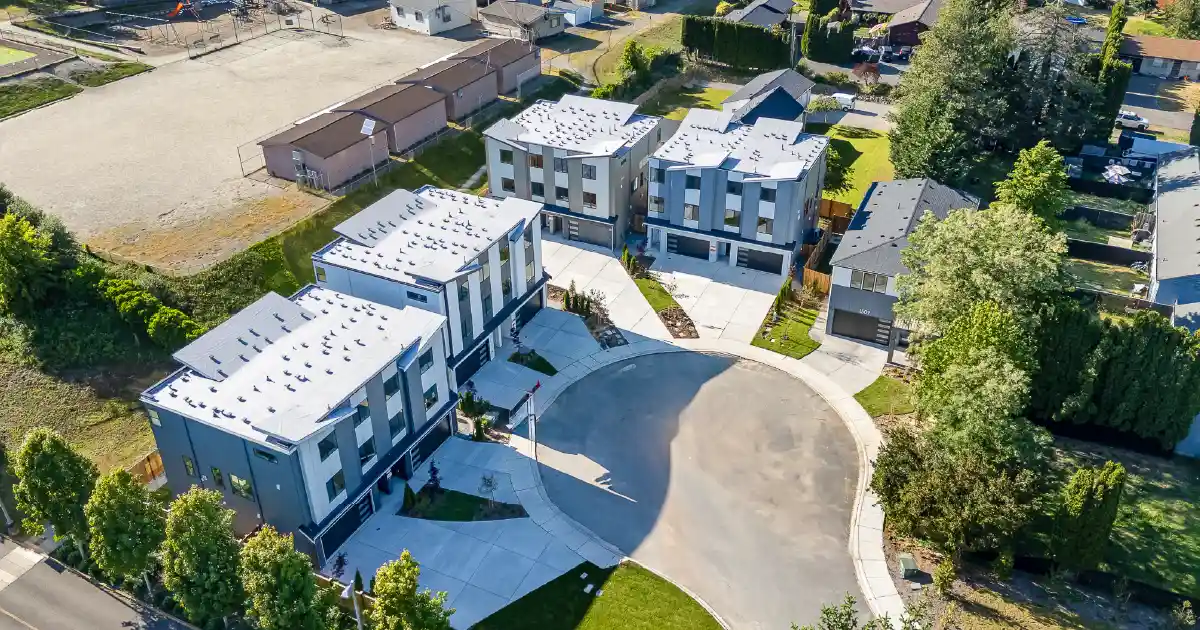
At MSR Communities, single-family homes are built with a purpose. Every floor plan, feature, and neighborhood layout is based on how people live now, but it also takes into account how their needs may change in the future.

  • We build in highly sought-after areas across Seattle and Texas—locations carefully chosen for their strong demand and family-friendly appeal.
  • Concentrates on layouts that are functional and adaptable
  • Puts quality building and long-term value first
  • Makes homes that are good for families, professionals, and investors.

These properties aren’t made in large numbers. These homes are well-designed to support real lives, provide long-term comfort, and hold their value over time.

In the end, why single-family homes keep winning

In a real estate market that changes quickly, single-family homes are still a safe and steady choice. They give you privacy, space, flexibility, and long-term value. These are all important things to think about when you buy your first home, move up for your family, or make a smart investment.

If you’re looking for single-family homes for sale or houses for sale in WA state, it’s important to look beyond short-term trends and focus on what will really help your lifestyle, comfort, and financial future.

Move Forward with MSR Communities

What Is a Contingent vs. Pending Offer in Real Estate?

What Is a Contingent vs. Pending Offer in Real Estate?

One of the biggest financial decisions most people make is buying or selling a home, and the process is full of technical terms that can be hard to understand. “Contingent” and “pending” are two of the most misunderstood words. These two statuses come up a lot in property listings, so it’s important for buyers, sellers, and investors to know what the difference is between pending and contingent. They show where a deal stands and if there are still chances to make an offer.

What does “contingent” mean in real estate?

If you see a listing that says “contingent,” it means that the seller has agreed to sell the house to a buyer, but only if certain conditions are met. These conditions are called real estate contingencies, and they protect the buyer. If the contingencies aren’t met, the deal could fall through and the house could go back on the market.

For instance, an inspection contingency lets the buyer back out if the home inspection shows that there are major issues. An appraisal contingency protects both the buyer and the lender by making sure that the property’s value is equal to or greater than the agreed-upon purchase price. A financing contingency gives the buyer time to get their mortgage approved, while a sale-of-current-home contingency makes the purchase depend on the buyer selling their current home.

In short, “contingent” means that the home is under contract but isn’t safe yet. The deal is weak, and the property won’t close until those conditions are met.

What Does Pending Mean When a House Is for Sale?

When a listing says “pending,” on the other hand, it means that all conditions have been met or waived. At this point, the buyer and seller are just waiting for the last steps, like signing papers, transferring the title, and closing. Pending means that the deal is much closer to being done than contingent. The sale is not technically closed, but it is much less likely to fall through.

This difference matters to buyers who are looking at listings. A pending home is basically off the market, but a contingent home still has some questions about it.

Under Contract vs. Waiting

People often use the words “under contract” and “contingent” to mean the same thing. It means that the seller has agreed to the offer, but the deal is not set in stone. In real life, “under contract” means that contingencies are still in effect, and “pending” means that contingencies have been resolved and the deal is waiting to close.

So, the difference between “under contract” and “pending” is when the deal is made. Under contract means that the two parties have come to an agreement, but pending means that they are still working out the details. To know if they can still compete for the property, buyers need to understand this difference.

Can you beat a pending offer?

One of the most common questions buyers ask is if they can come in and outbid an offer that is already on the table. It depends on the situation. If a home is contingent, you can often make a backup offer on it. If the main buyer doesn’t meet the conditions, your offer may go through.

But if the house is pending, it’s a lot harder. Most sellers stop taking offers once a home is under contract. If something unexpected happens before closing, backup offers may still be considered, but in most cases, outbidding a pending offer is unlikely.

This is why you should pay close attention to contingent listings. They are chances that could come back if the first deal falls through.

Why Real Estate Contingencies Are Important

Contingencies are an important part of the buying process because they keep buyers safe from problems that come up unexpectedly. Sellers might not like them because they make things less certain, but they are normal in most deals.

There are even subcategories of contingent status that make it clear how much freedom is still available. For example, “Contingent – Continue to Show” means that the seller is still showing the house and is open to backup offers. “Contingent—No Show” means that the seller has stopped showing the house and is waiting for contingencies to be met. “Contingent – Kick Out” lets the seller “kick out” the buyer if a better offer comes in, unless the buyer quickly removes their contingency.

These small differences are why “contingent” doesn’t always mean the same thing in real life. To know if they still have a chance, buyers should pay attention to the type of contingent status.

Pending vs. Contingent: What’s the Difference?

In short, the difference between pending and contingent is that one is based on conditions and the other is based on certainty. Contingent means that the offer is accepted but with conditions, while pending means that the conditions have been met and the deal is almost done.

Contingent listings are often a chance for buyers. Most of the time, backup offers are okay, but there is a moderate to high chance that the deal will fall through. On the other hand, pending listings are usually not available. The chance of a collapse is low, and sellers don’t often consider new offers.

Knowing this difference helps buyers know what to expect and sellers know how safe their deal really is.

What Buyers Should Know

For buyers, knowing the difference between pending and contingent is more than just a matter of words. It has a direct impact on strategy. You might still want to go after contingent listings with a backup offer, but pending listings are usually not available. Don’t ignore homes that are contingent if you’re really interested in one. If the first buyer doesn’t follow through, they might go back on the market.

Pending homes, on the other hand, are good for keeping an eye on market trends. They show which homes are selling quickly and can help buyers figure out how competitive a neighborhood is.

Why Sellers Should Care

For sellers, contingent offers are risky. If the buyer can’t get the money or the inspection shows problems, the deal is off. That’s why some sellers like cash offers or fewer contingencies, which make things less uncertain.

On the other hand, pending status is a good sign. It means the deal is almost done, and the seller can be sure that everything is ready for closing. Sellers can better manage their expectations and make plans when they know the difference

Can you make a backup offer on a house?

It’s often a good idea to make a backup offer on a house. If the main deal falls through, you’re next in line. When you’re in contingent status, backup offers are common and often accepted. Backup offers are less common in pending status, but they are sometimes thought about.

It doesn’t cost much to submit a backup offer, and it can help buyers stand out in tight markets. They are very helpful in places where homes sell quickly and there is a lot of competition.

Problems and Risks

Real estate deals are complicated, even though the terms “contingent” and “pending” sound simple. Financing problems, unexpected inspection results, or appraisal gaps often cause contingent deals to fall through. Deals that are still pending don’t often fall through, but when they do, it’s usually because of last-minute money or title issues.

Seeing a dream home with a “pending” sign on it can feel like a dead end for buyers. For sellers, contingent deals can be stressful because they take longer and might not go through. Knowing about these risks helps both sides get ready for what might happen.

Example in real life

Picture a buyer making an offer that is only good if they sell their current home. The seller agrees, and the listing now says “contingent.” If the buyer sells their house and gets a loan, the status changes to “pending.” At this point, the deal is almost done, and other buyers can’t come in and take it.

But if the buyer doesn’t sell their house, the deal falls through and the property goes back on the market. This example shows how contingent deals can change to pending or fall through completely.

Final Thoughts

To be able to buy and sell real estate, you need to know the difference between contingent and pending. If something is contingent, it means that it is conditional, still vulnerable, and that backup offers are possible. Pending means that all the conditions have been met, the deal is almost done, and backup offers are rare.

For buyers, contingent listings are a chance to buy. For sellers, being in pending status means safety. In short, “maybe” means “contingent,” “almost yes” means “pending,” and “done deal” means “closed.”

How much earnest money do you need to buy a new home?

How much earnest money do you need to buy a new home?

It’s exciting to buy a new constructed home. You’re not simply buying a house; you’re putting money into a future that is created from the ground up to fit modern life. But before building starts or contracts are signed, there is one critical financial step: earnest money.

This tutorial will explain everything you need to know about earnest money when buying a house, including how much you need and what happens to it at closing. We’ll talk about what earnest money is used for in new construction, how it protects both buyers and builders, and what to look for in your earnest money agreement.

What Is the Money You Need to Buy a House?

Earnest money is like a good-faith deposit. It lets the builder or seller know that you really want to buy the house. When you sign a purchase agreement, you must put earnest money into an escrow account that is controlled by a third party who is not involved in the deal, like a title firm or lawyer.

Think of it as a promise to pay. Putting down earnest money shows that you’re not just looking around; you’re ready to go through with the deal. This payment is especially crucial for new construction homes because builders often start planning and putting money into the project as soon as contracts are signed.

How Much Money Do You Need Up Front?

The amount changes based on the builder, the region, and the state of the market. Most of the time, earnest money for a new construction home is between 1% and 5% of the buying price. If you were buying a $400,000 house, for example, you could put down between $4,000 and $20,000. In competitive markets, builders may ask for bigger deposits to make sure purchasers are serious. Some high-end builders or custom house projects may ask for much more, sometimes up to 10%. Your earnest money agreement will spell out the actual amount, so make sure you read it carefully.

Why earnest money is important for new construction

When builders construct a new home, they are taking on a lot of risk. They plan your work, materials, and time based on how committed you are. If you give them earnest money for new building, they will know you won’t just walk away.

Buyers also benefit from earnest money. It locks in the agreed-upon price and guarantees your spot in the building schedule. If the market is going up, this can save you thousands of dollars compared to waiting and buying later.

How to Put Down Earnest Money

After you sign the purchase contract, you need to put earnest money into an escrow account. This makes sure that the money is safe until closing. Escrow protects both sides: the builder knows you’re serious, and you know your money won’t be wasted.

Different ways to pay. Some buyers provide a check, while others send money directly. Always check the provisions of the escrow in your earnest money agreement to avoid fraud or misinterpretation.

What Happens to the Earnest Money When You Close?

A lot of buyers want to know what happens to earnest money when the deal is done. The good news is that earnest money isn’t an added cost; it goes toward your purchase. The deposit goes toward your down payment or closing expenses when you close. For instance, if you owe $20,000 as a down payment and have already put $10,000 in earnest money, you only need to deliver the last $10,000. Because of this, earnest money is a very important aspect of your total financing plan. It doesn’t get lost; it only moves from escrow to your property purchase.

The Agreement for Earnest Money

The terms of the deposit are spelled out in your earnest money agreement. It says how much is needed, when and how it must be paid, when it can be returned, and how it will be used at close. Agreements for new building often have conditions that must be met. You might be able to get your money back if the builder doesn’t finish the house on time or doesn’t follow the agreed-upon plans. On the other hand, the builder may keep the deposit if you back out without a good cause.

Returns and losses

One of the major worries customers have is that they may lose their good faith money. It depends on the conditions in your contract. If financing falls through despite your best efforts, if the builder doesn’t produce as promised, or if inspections show severe problems, you may be able to get your money back. If you change your mind without a good reason, miss dates in the agreement, or don’t get financing because you weren’t careful, you may lose your deposit. This is why it’s so important to read your earnest money agreement thoroughly. It keeps you from losing money you didn’t expect to.

Earnest Money vs. a Down Payment

A lot of purchasers mix up earnest money with a down payment. Even though both are part of the transaction, they have different uses. Earnest money is a deposit that shows you are serious about buying the house and is held in escrow until the closing. A down payment is a bigger payment paid at closing that lowers the loan amount. The money you put down as earnest money will eventually go toward your closing fees or down payment. So even though they are different, they work together to get the money.

How to Handle Earnest Money for New Construction

It’s important to make a budget early. Include earnest money in your savings strategy so that the deposit requirement doesn’t surprise you. It’s also vital to know what conditions you need to meet in order to get a refund. Working with renowned builders makes ensuring that contracts are clear and escrow processes are safe. Keeping records like receipts, contracts, and escrow confirmations gives you piece of mind. Lastly, don’t be afraid to ask questions. Knowing what earnest money is when buying a house and how it applies to your circumstance will help you feel more at ease during the process.

Earnest Money in Competitive Markets

In cities with a lot of demand, like Seattle, Austin, or Denver, builders may ask for bigger deposits. When there is a lot of competition, buyers generally want to know how much earnest money they need. In these situations, putting down additional earnest money might make your offer stronger and show that you are serious. But balance is very important. Don’t push yourself too much. Make sure the amount fits your budget and is safe because of the eventualities in your earnest money agreement.

Things People Get Wrong About Earnest Money

A lot of buyers think that earnest money is an added cost. In reality, it goes toward your purchase. Some people think it’s always refundable, but it depends on the terms of the contract. People also often think that earnest money is the same as a down payment. They are connected, yet they have different uses. Knowing these differences will help you confidently go through the procedure.

Why earnest money makes people trust you

At its heart, earnest money is a way for the buyer and builder to trust each other. This trust is important for new construction. Builders put in money and time long before you move in, and buyers put in money long before the property is finished. Putting down earnest money makes you a partner. Both sides know the other is serious, which lowers the risk and makes transactions go more smoothly.

Last Thoughts

It’s exciting to buy a new built home, but there are some special financial measures you need to do. Knowing what earnest money is when buying a house, how much you need, and what happens to it at closing will help you become ready.

The earnest money agreement is the plan for this process. It explains how earnest money for new building works, when it should be deposited, and when it might be returned.

In the end, earnest money is more than just a deposit; it’s a sign of commitment. It keeps builders safe, gives buyers peace of mind, and makes closings go smoothly. If you plan your budget intelligently, read contracts attentively, and ask the correct questions, you’ll be able to go through the process with confidence and receive the home of your dreams.

How to Save for a Down Payment on a House – 10 Simple Steps

How to Save for a Down Payment on a House – 10 Simple Steps

One of the biggest financial milestones in life is buying a home. The first step in making your goal of a comfortable townhome, a big single-family home property, or your first starter home come true is to save for the down payment. A lot of new purchasers wonder, “How much do I need for a down payment?” It depends on the sort of property, what your lender needs, and how much money you have. No matter what the actual amount is, having a clear plan for saving for a down payment makes the whole thing less scary and more doable.
This guide will show you ten easy steps to help you save for a down payment. Along the way, we’ll also provide you useful ideas for buying a new house, a townhome, or a single-family home.

Step 1: Figure out how much you need for a down payment

You need to know what you want to save for before you start. The amount needed changes based on the type of loan and the property. FHA loans may only need 3.5% of the home’s buying price, while conventional loans may need 5% to 20%. Sometimes, VA and USDA loans don’t even need a down payment. For instance, a down payment on a $250,000 townhome may be anywhere from $8,750 (3.5%) to $50,000 (20%). A down payment on a single-family house could be larger because investment properties usually require 20–25%. Knowing these numbers can help you create a realistic savings target and keep you from being surprised later on.

Step 2: Make a plan to save for a down payment

Make your down payment a big financial objective, just like any other. A strategy to save for a down payment should include the amount you want to save, the time frame, and a monthly savings goal. For example, if you want to buy anything in three years and need $40,000, you’ll need to save around $1,100 a month. The process is less scary when you break it down into smaller parts. Seeing improvement every month keeps you motivated and helps you stick to your goals.

Step 3: Set up a separate savings account

One of the best ideas for new homebuyers who want to save for a down payment is to keep their savings separate from their regular expenditures. If you open a high-yield savings account or money market account just for your down payment, it will be harder for you to spend money that you want to use for your future home. Keeping this account separate and automating transfers every payday makes ensuring that things stay the same. It also makes it less tempting to use it for things that aren’t emergencies.

Step 4: Spend less on things that aren’t necessary.

You typically have to give up things to save for a down payment. Look over your monthly bills and see where you may save money. Eating out, streaming services, and shopping on a whim all add up rapidly. Putting that money into your down payment savings plan can make a significant difference. For instance, if you reduce $200 from your discretionary spending each month, you’ll save $2,400 a year. That’s $7,200 over three years, which is enough to cover closing expenses or add to your down payment.

Step 5: Make more money from more sources

Sometimes cutting costs isn’t enough, and making more money speeds your savings. You may do freelance work, work part-time, or sell things you don’t need online. Look into ways to make money without working, such tutoring, consulting, or selling digital goods. An extra $500 a month can cut years off the time it takes to save up. The sooner you meet your down payment goal, the faster you can make more money.

Step 6: Pay off debt and raise your credit score.

Your down payment is just one part of the puzzle. Lenders also check your credit score and debt-to-income ratio. Paying off credit cards with high interest rates, not taking out new loans while saving, and checking your credit report for mistakes are all wise things to do. If you have better credit, you may be able to get lower interest rates, which can cut your monthly mortgage payments and give you more money to save. This step not only helps you save money, but it also makes you a better borrower.

Step 7: Look into programs that can help you.

Many governments, towns, and NGOs have programs that help first-time buyers with their down payments. These could be grants that don’t have to be paid back, loans that can be forgiven if you stay in the home for a certain amount of time, or housing perks paid for by your work. Finding out about local programs could help you save thousands of dollars, which would mean you wouldn’t have to save as much. Not taking advantage of these chances is like leaving money on the table.

Step 8: Think about the type of property and your plan

The kind of property you want to buy will affect how much you need to save. Many first-time buyers like townhomes because they usually have lower down payments than single-family homes. Lenders regard rentals as riskier investments, so the down payment on a single-family home is usually larger. If you think carefully about the type of property you want, you may be able to buy a home sooner. If you buy a smaller home today, you may be able to create equity faster, which you can then use to buy a bigger home later.

Step 9: Keep track of your progress and automate it.

When saving for a down payment, it’s important to be consistent. You can make sure you never miss a contribution by setting up automatic transfers to your savings account. You can stay on track by using budgeting tools to keep track of your progress. You can also stay motivated by celebrating milestones, such hitting 25%, 50%, or 75% of your goal. Keeping track of your efforts makes saving money a fun and gratifying adventure.

Step 10: Be patient and flexible.

It’s not a race to save for a down payment; it’s a marathon. Life occurs; things like surprise costs, job changes, or changes in the market can modify your schedule. If you need to, change your plan, but don’t give up when things go wrong. Stay on track, and remember that every dollar you save gets you closer to owning a home. You need to be patient and keep going in this process.

Real-Life Examples

Let’s put this in context. Picture a first-time buyer who wants to buy a townhome that costs $250,000. A down payment of 10% would be $25,000. If they saved $700 a month, they could attain their goal in three years. Now think about an investor who is interested in a single-family home that costs $400,000. A down payment of 20% would be $80,000. If they saved $1,300 a month, they could attain their goal in five years. These examples explain how the type of property you own can change how you save and when you do it.

Things You Should Not Do

A lot of purchasers make mistakes because they don’t realize how much they need for a down payment. It feels like you can save forever if you don’t have a goal. Some people blend their savings with their ordinary money, which makes it too simple to squander. Some people don’t use aid programs, which means they miss out on useful help. And too many people only think about the down payment and forget about closing charges, moving costs, and emergency finances. Avoiding these blunders will keep your plan on track and make sure you’re ready to acquire a home.

In conclusion

It may seem hard to save for a down payment, but it’s not impossible if you have a clear plan, stick to it, and are patient. If you want to buy a townhome, a single-family home, or your first starter home, these ten easy steps will help you get there. Make sure you know how much you need for a down payment, set up a separate savings plan for it, use wise advice for new homebuyers, and change your plans based on the type of property you’re buying. For example, a townhome down payment will be different from the bigger down payment needed for a single-family home. Owning a home isn’t only about owning a place to live; it’s also about developing security, equity, and a future. You may open the door to your dream home sooner than you think if you start saving now.

How to Choose the Perfect Townhome Floor Plan for Your Lifestyle

How to Choose the Perfect Townhome Floor Plan for Your Lifestyle

Choosing the right floor plan is one of the most personal decisions you can make when buying a new home. Your townhome floor plan sets the tone for how you’ll live, relax, and connect every day, whether you’re a first-time buyer ready to stop renting, a growing family that needs more space, or an empty nester who wants a low-maintenance lifestyle with modern comfort.

New construction home floor plans give homebuyers more options, flexibility, and livable luxury than ever before. It can be hard to know where to start because there are so many choices from 3-bedroom townhome floor plans to 5-bedroom layouts made for families with multiple generations.

This guide will help you think about everything you need to when picking the best townhome floor plan for your way of life. You can make an informed and confident choice by reading about luxury home building plans that give you practical tips, design ideas, and information.

Why Townhomes Are Getting All the Attention

Townhomes are one of the fastest-growing types of homes in the U.S., especially in Washington State’s growing communities. Townhomes are the perfect balance between independence and convenience for millennials entering the market, professionals moving to the Greater Seattle area, and retirees who want to downsize without losing comfort.

More people are choosing townhomes for these reasons:

No big lawns or outside work to worry about—great for busy professionals or young families.

  • Smart Design: Every inch of space is used wisely, so you get the feeling of a full-sized home without the extra space.
  • Community Feel: Townhome developments often have shared green spaces, walking paths, and neighborhoods that are close-knit.
  • Smart Investment: Townhomes have modern features and are easy to sell because there isn’t much land left in cities.

In short, townhomes are a good fit for how people live now: they are practical, connected, and focused on comfort.

Look at the homes that MSR Communities has to offer to see how modern townhome design fits in with the charm of the Pacific Northwest.

Here are some steps that help you choose your final home.

Step 1: Figure out how you want to live before you plan your layout

It’s not just about the square footage when you choose the right townhome floor plan. It’s also about how your life flows.

Think about this:

  • What do I do most of the time at home?
  • Do I like to have family dinners or do I like to spend quiet evenings on the couch?
  • Do I need a separate office, gym, or guest room?
  • How much natural light or space outside do I want?

The best new construction home floor plans are made to fit you, not the other way around. An open-concept main floor with a hidden office might be perfect for you if you work from home. If you have kids or parents living with you, you might want to look at 4-bedroom or 5-bedroom townhome floor plans with extra rooms that can be used for different things.

Tip: Whenever you can, walk through model homes. You can get a sense of how natural light, layout, and movement flow when you stand in a space. No 3D floor plan can do that.

Step 2: Learn about the different kinds of townhome floor plans.

There are many different types of townhomes, from small two-story homes to large three-story homes with rooftop decks and big garages. Knowing the main types of layouts can help you choose between them.

1. The Classic 3-Bedroom Townhome Layout

Great for couples, small families, or people who work together.

Expect: The kitchen, dining room, and living room are all open to each other. The main suite is on the second floor and has a walk-in closet.

Two extra bedrooms that are perfect for guests, kids, or a home office.

These three-bedroom townhome floor plans are a good mix of affordability and usefulness, making them perfect for first-time buyers or anyone looking for the “just right” fit.

2. The Floor Plan for the Spacious 4-Bedroom Townhome

Great for families that need space to grow or have fun.

Common features: Two living spaces or extra rooms for media or play. There is a guest room or office on the main level. Upstairs are the private primary suite and the secondary bedrooms.

A lot of 4-bedroom townhome floor plans have flexible lofts or multipurpose rooms that can be used for hybrid work or long-term family stays.

3. The Flexible 5-Bedroom Townhome Floor Plan

A popular choice for families with people of different generations, blended families, or buyers who want to be able to change things up in the future.

Expect: Ground-level suite or private entry area (great for parents or grown children). Large kitchen with seating at the island. Bedrooms on the upper level with both shared and private baths.

5-bedroom townhome floor plans give you the space and comfort of a single-family home, but they don’t cost as much or need as much upkeep.

At MSR Communities, you can look at different layouts and get ideas to see how our homes are made to work for your lifestyle.

Step 3: Find Features That Work for You

It’s not just about how many rooms there are in a floor plan; it’s also about how those rooms are connected. When looking at luxury floor plans for new homes, think about these design features:

  • Living in an open space: An open main level makes the space feel bigger and more connected, which is great for hosting guests or keeping an eye on kids while you cook.
  • Spaces that can change: Find rooms that can change with you, like a guest room that can also be an office, a loft that can also be a gym, or a den that can also be a nursery.
  • Living Outside: Outdoor spaces like balconies and fenced-in backyards make your home bigger and give you a place to enjoy it all year round, especially in the beautiful Washington landscape.
  • Sunlight: Large windows and careful placement let in sunlight, which makes your home feel bigger and warmer (and lowers the cost of lighting).

Step 4: Make sure your floor plan fits your stage of life.

One of the best things about townhome floor plans is that they can be used in many different ways. They are made for people of all ages, from young professionals to retirees.

Here’s what to think about depending on where you are in life:

  • For Young Professionals or First-Time Buyers: Look for 3-bedroom townhome floor plans with open-concept layouts and garages that are attached.

Why: You’ll have room for a roommate, a home office, or a guest without having to do a lot of work.

Lifestyle fit: Great for people who work in tech, commute, or work from home and are moving to Washington for job opportunities.

  • For Families That Are Getting Bigger: Look for townhome floor plans with four or five bedrooms, big kitchens, and living areas that can be used in different ways.

Why: Extra bedrooms make it possible to have playrooms, study areas, and guests stay over, all in a safe, community-oriented setting.

Lifestyle fit: Great for parents who have to juggle work, school, and family activities.

  • For people who are empty nesters or want to downsize: Look for high-end floor plans for new homes that focus on living on the main floor, low maintenance, and easy access.

Why: You can live in a modern, big house without having to worry about yard work or long-term maintenance.

Good for people who want comfort, safety, and easy access to family or things to do.

Step 5: Think about the design of the community and the location.

No matter how good the floor plan is, it will look different in different places. Townhomes are often part of master-planned communities that are easy to walk around, have shared spaces, and are close to schools, stores, and parks.

Also think about the following when choosing the floor plan for your new home:

  • How close is it to major employers, highways, or public transportation?
  • Schools and parks: Being close to good schools and safe places to play is a long-term benefit for families.
  • Walking trails, playgrounds, dog parks, and community centers are all great things to have in your neighborhood.

In MSR Communities we create neighborhoods that are convenient, comfortable, and connected, which helps homeowners feel like they’re part of something bigger from the start.

Step 6: Don’t Forget About Important Design Details

It’s not just about how big a place is; it’s also about the little things. Small details in plans for building a luxury home can make a big difference in how comfortable you are every day.

Look for:

  • Walk-in closets and storage spaces that are well-organized.
  • Bathrooms with natural finishes that look like spas.
  • Gourmet kitchens with islands, pantry space, and new appliances.
  • Big windows and high ceilings that make rooms feel bright and welcoming.

Not only do modern luxury floor plans for new homes look good, but they also think about how the spaces will feel.

Step 7: Don’t just think about right now; think about the future.

Five years from now, your needs may not be the same as they are now. Pick a floor plan that lets you be flexible, whether that means having a home office in the future, an extra guest room, or room for a growing family.

Ask:

  • Will I need more privacy or openness in the future?
  • Is it possible to turn a bedroom into an office or creative space?
  • Will this layout still look good as my life changes?

Step 8: Find a Builder Who Knows How to Live in the Modern World

Not every builder designs things the same way. When you work with a team that knows both how to build luxury homes and how they work in real life, you can be sure that your home will fit the way you live.

For example, MSR Communities builds homes that combine good craftsmanship, quality materials, and classic design. Each layout is made for the way people in the Pacific Northwest live, with open spaces, smart finishes, and buildings that invite more natural light.

Step 9: Go, see, and ask questions

Browsing online is a good place to start, but seeing things in person gives you a better idea. When you go to see a model home:

See how natural light changes; walk through the space at different times of day. Pay attention to how the rooms connect. Do they feel open or closed? Picture your furniture, daily activities, and gatherings in the space.

Find out what customization options and upgrades are available. 

MSR Communities can help you choose the right design so that your townhome floor plan feels unique and ready for the future.

Step 10: Think about the lifestyle outside the walls

A house is more than just a floor plan; it’s the setting for your life. 

Think about: 

The peace of mind that comes from knowing your home was built to last. Everything else falls into place when your floor plan works for you. 

Final Thoughts: Your Ideal Townhome Is Waiting

It doesn’t have to be hard to find the right floor plan. If you think about your lifestyle, needs, and long-term goals, you’ll naturally be drawn to the layout that feels like home.

The most important thing is to find a balance between space that works for you now and space that will grow with you. You can choose between smart 3-bedroom townhome floor plans or luxurious 5-bedroom layouts made for family gatherings.

If you’re looking at new construction home floor plans, MSR Communities offers townhomes and single-family homes that are well thought out and show how people really live today. 

Your next chapter and your dream floor plan are waiting for you. 

Go to MSR Communities to browse available homes, schedule a tour, and find a community that feels like home from day one. 

What Credit Score Do You Need to Buy a House? 

What Credit Score Do You Need to Buy a House?

If you’ve been thinking about buying new construction homeyou’ve probably already had that moment where the excitement turns into a big question mark: “Wait… do I even have the credit score for a home loan?” 

It happens to almost everyone. You have started imagining the kitchen you’ve always wanted or the quiet street you hope to live on, and the next you’re wondering whether a three-digit number is going to stand in your way.

Here’s the comforting part: most people overestimate how perfect their credit has to be. Homebuyers come from all walks of life, and lenders see every type of financial background you can imagine. Credit is important, but it’s not the entire story — not even close.

This is a simpler, friendlier guide to help you understand how credit scores fit into the homebuying process, without all the stiff financial jargon. Think of it as talking with someone who has been through this many times and wants to help you feel prepared, supported, and calm.

Quick note: This article is for general education only. Mortgage programs and requirements vary, and they change. For questions about your personal situation, a licensed lender is the best source of tailored advice.

Why Credit Scores Matter When Buying a Home

Your credit score is a snapshot of how you’ve managed money over time. Lenders use it as one piece of the bigger picture to understand your habits and your comfort level with borrowing.

They look at things like:

  • Do you usually pay on time?
  • Are your credit cards nearly maxed out?
  • How long have you had your accounts open?
  • Do you use different types of credit?
  • What credit rating is needed to buy a house?

Having a higher credit score can provide access to reduced mortgage rates and a wider range of loan options. But lenders also care about much more than this one number. They also look at:

  • your income
  • your job history
  • your savings
  • the home you want to buy
  • the type of loan program you’re applying for
  • your overall financial rhythm

A credit score is important, but it’s not the whole story—and it never tells the whole story about you.

So What Credit Score Do You Need?

There isn’t a single number that works for everyone. Instead, lenders tend to look at ranges. Here’s a friendly breakdown:

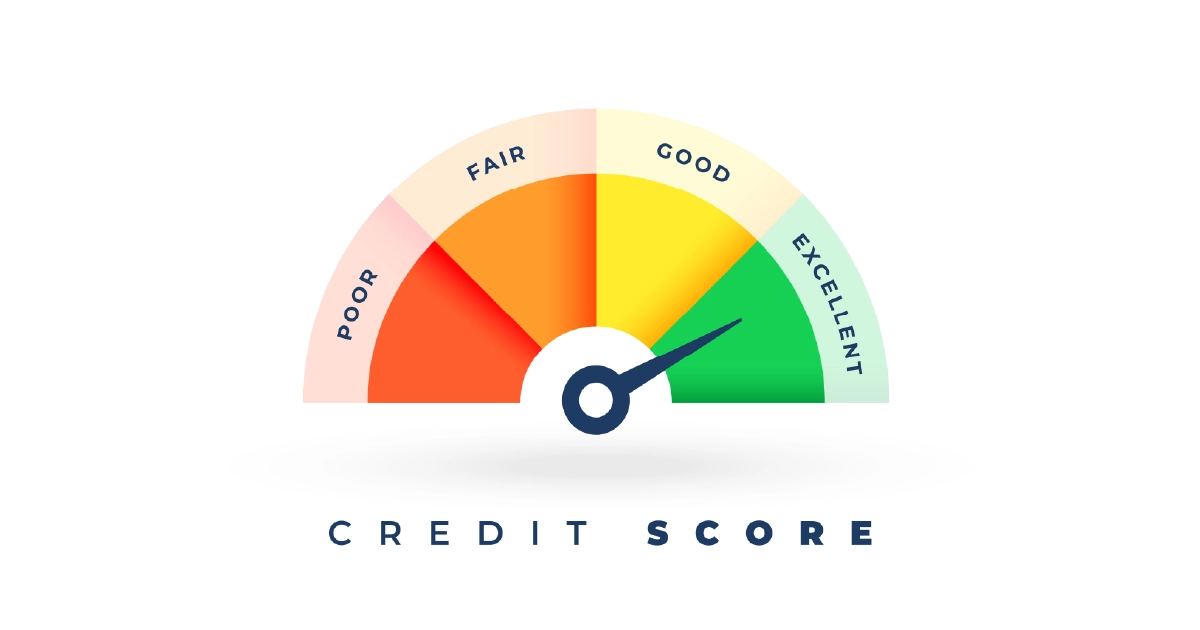
  • 740 and above → Strong credit
  • 700–739 → Very good for most loan types
  • 660–699 → Still solid; many loan programs stay open
  • 620–659 → Often still workable
  • Below 620 → Some loan programs may still help

These ranges aren’t carved in stone. A buyer with a “fair” score and steady financial habits may do just fine, while someone with a higher score and heavy debt might face more challenges. Everyone’s story is different.

This is where loan programs come in.

Common Loan Types and Their Typical Credit Score Needs

Different loan programs give buyers different options. Here’s a simple look at the most common ones.

Conventional Loans

These loans follow guidelines created by Fannie Mae and Freddie Mac.

  • Typical minimum: around 620

Buyers with higher scores often see better interest rates and more flexibility. If you’ve already built a good credit history, conventional loans may fit your needs well.

Many buyers look up what credit score for mortgage guidelines they should expect, and conventional loans often fall around the 620 range, depending on the lender and the full financial picture.

FHA Loans

FHA loans are designed for buyers who want a bit more room to qualify.

  • 580+ → often eligible for a low down payment (around 3.5%)*
  • 500–579 → may still work with a higher down payment

*Requirements vary by lender.

FHA loans help many first-time buyers move forward even when their credit isn’t perfect. This is especially helpful if you’re wondering about the lowest credit score to buy a house and want a program with more flexibility.

VA Loans

For eligible veterans, active-duty service members, and surviving spouses, VA loans offer some of the most supportive terms available.

  • Typical lender minimum: 580–620
  • The VA itself does not set a required score

VA loans often include relaxed credit requirements, competitive interest rates, and in many cases, no down payment.

USDA Loans

These loans support buyers in qualifying rural and some suburban areas.

  • Typical minimum: around 640

Some lenders may review buyers with lower scores if the rest of the financial picture is solid.

Credit Score Tips for First-Time Homebuyers

Many new buyers think they need perfect credit to get started, but that’s rarely true. There is no special credit score for first time home buyer qualification, but some programs offer helpful benefits, including:

  • FHA loans
  • State and local first-time buyer assistance
  • Down payment programs
  • Conventional loans with reduced PMI

If you’re worried about your score, you’re not alone—and you may be closer to qualifying than you think.

How Your Credit Score Shapes Your Mortgage Rate

Your interest rate influences your monthly payment and how much you pay over the life of the loan. A stronger score may help you qualify for a lower rate, while a lower score might mean a higher one.

Buyers sometimes search for mortgage rates based on credit score because even a small difference—like half a percent—can add up over time.

This is why some people spend a few months improving their score before applying. A little effort can go a long way.

What Actually Makes Up Your Credit Score?

Your score is built from five main pieces:

  • 35% → Payment history
  • 30% → Credit usage
  • 15% → Length of credit history
  • 10% → New credit
  • 10% → Mix of credit types

These categories guide where your score comes from and what you can work on.

Practical Ways to Improve Your Credit Before Buying

You don’t need to overhaul your entire financial world. Small, steady changes can make a noticeable difference.

1. Check Your Credit Reports

You can review them for free each year. Mistakes are more common than people think.

2. Pay Bills on Time

Even one late payment can affect your score.

3. Reduce Credit Card Balances

Using less of your available credit may give your score some breathing room.

4. Avoid Opening New Accounts

New accounts can temporarily dip your score.

5. Keep Old Accounts Open

Older accounts help lengthen your credit history.

6. Talk With a Professional

A certified counselor can help tailor a plan to your needs.

Credit improvement is a gradual process, but it’s absolutely achievable.

Can You Buy a Home With a Lower Score?

Often, yes. Many buyers qualify even when their credit isn’t exactly where they want it.

Lenders look at things like:

  • steady income
  • reasonable debt levels
  • down payment
  • savings
  • your full financial story

Programs like FHA or VA often support buyers who are building or rebuilding credit. If you’re wondering what credit rating is needed to buy a house, the answer is usually more flexible than people expect.

What Lenders Look at Beyond Credit

Credit is important, but it isn’t the only thing lenders care about. They also look at:

  • how long you’ve been employed
  • your debt-to-income ratio (DTI)
  • your savings habits
  • your down payment
  • the type of home you want to buy

Every lender is different, which is why one lender may approve something another lender cannot.

Preparing Yourself for a Mortgage

A little preparation helps you feel grounded and ready:

  • Set a realistic homebuying budget
  • Compare mortgage options
  • Get pre-approved early
  • Explore down payment assistance
  • Build a team you trust

You don’t have to be perfect to get started—you just need to be informed.

If Your Credit Doesn’t Feel “Ready,” You’re Not Alone

Credit scores go up and down throughout life. They don’t determine your worth, your stability, or your ability to be a great homeowner.

If your score isn’t exactly where you hoped:

  • you may still qualify
  • you may only need small changes
  • you may be closer than you think
  • you may find a loan program that fits your story

Your homebuying journey is about progress, not perfection.

Common Questions Buyers Ask

  • Is there a perfect score to buy a home?

No. Buyers qualify at many different levels.

  • Will checking my own score hurt it?

No. That’s usually a soft inquiry.

  • Do lenders look at all three scores?

Most lenders use the middle of the three.

  • How long does credit improvement take?

It depends on your starting point and habits.

You Don’t Have to Figure This Out Alone

Buying a home is a big step, and it’s emotional as much as it is practical. You’re not just choosing a house—you’re choosing a feeling, a future, a place where life will happen.

At MSR Communities, we understand how important this decision is. We’re here with patience, guidance, and genuine care for what matters most to you.

Ready to Explore Homes Designed for Real Life?

If you’re imagining your next chapter, MSR Communities would love to help you explore it. Our homes are created with lifestyle in mind—spaces shaped around real families, real routines, and real dreams. 

Experience beautifully built, naturally light-filled homes firsthand.  

Visit our open houses or tour a model home. 

The Four Cs of Credit: What You Need to Know About Getting a Mortgage for Your Dream Home

The Four Cs of Credit: What You Need to Know About Getting a Mortgage for Your Dream Home

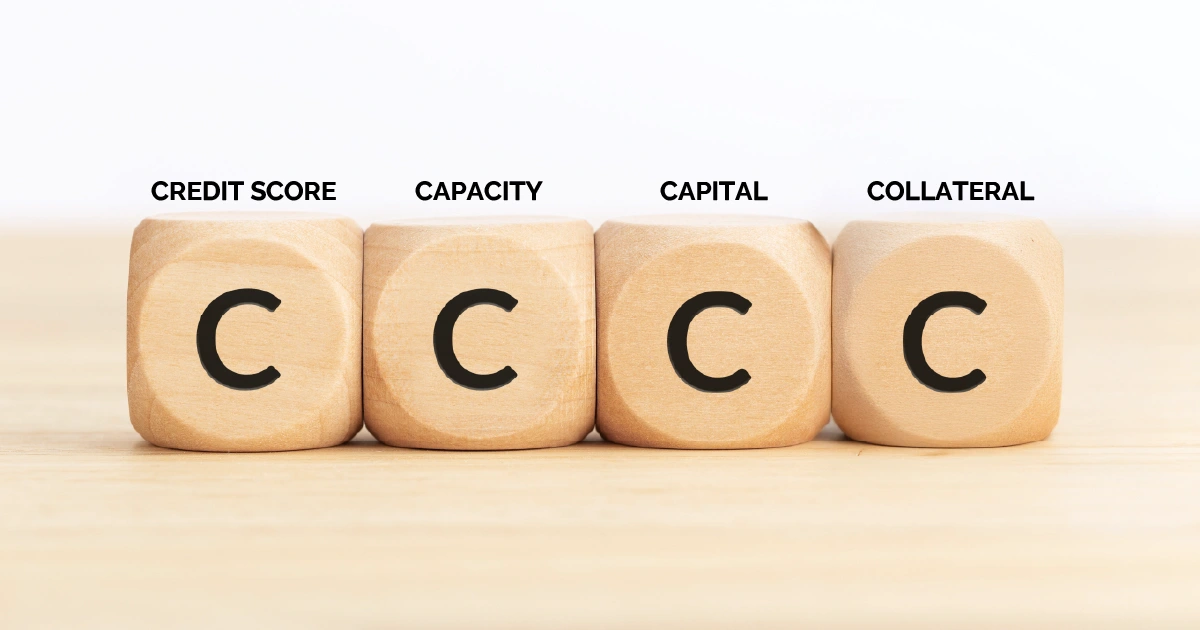
One of the most important financial decisions you’ll ever make is to buy a house. If you’re thinking about buying a single-family home or a trendy townhome, you should know what it takes to get a mortgage. When banks give you a loan, they don’t just give it to you. They look at your credit score, capacity, capital, and collateral to see how healthy your finances are.

These four things will decide if you can get a mortgage and will also affect the interest rates, loan terms, and the whole approval process. In this guide, we’ll talk about all four Cs, what affects getting a mortgage, and give you useful advice to help you get the home of your dreams.

Why the Four Cs of Credit Matter

Lenders need to know that you can pay back the mortgage. The Four Cs give you a way to find out if you can do something and how risky it is. Knowing these things can help you make your application stronger and give you a better chance of getting approved.

1. The First C is Your Credit Score

Your credit score and your mortgage are connected. Your credit score is a number that tells lenders how trustworthy you are based on how long you’ve had credit, how much credit you’ve used, and how well you’ve paid your bills.

A high credit score means you can be trusted and makes lenders less likely to lose money. It can help you get better loan terms and lower interest rates, which can save you thousands of dollars over the life of your mortgage. A low score, on the other hand, could mean higher rates or even denial, which would make it hard to get the home of your dreams.

You should work on improving your credit score before you apply for a mortgage. Pay your bills on schedule to start. Late payments might hurt your score a lot. To minimize your utilization percentage, pay off your credit cards. Also, don’t open a lot of new accounts before applying for a mortgage. Lastly, look for mistakes on your credit report and challenge them right away. These strategies can help you show lenders that you are a better financial risk.

2. Ability to do Your Ability to Pay Back

Capacity means how much money you have to pay your mortgage each month. To see if you can bear the burden of a mortgage, lenders look at your income, job stability, and debt-to-income (DTI) ratio.

Your DTI ratio shows how much of your gross income goes toward paying off your debts each month. Most lenders want your DTI to be 43% or less. A lower ratio means you have enough money to easily pay your mortgage. You might want to pay off some of your debts before applying if your ratio is too high.

It’s important to have both a job and a steady income. If you have a good job history and a steady stream of income, lenders are more likely to believe that you can pay back your loans. Self-employed borrowers may need to show more proof of their financial stability, such as tax returns and profit-and-loss statements. One of the most important things you can do to get a mortgage is to show that you have a lot of money.

3. Capital—Your Financial Safety Net

Your savings, investments, and other assets make up your capital. It shows that you are financially stable and lowers the risk for lenders. A good capital position means you can handle unforeseen costs and affects the size of your down payment, which in turn affects the conditions of your loan.

When looking for single-family homes or townhomes for sale, having more money can help you find better mortgage options and make your offer stand out. Having a plan for your down payment is very important. Try to put down at least 20% to avoid paying private mortgage insurance (PMI), which raises your monthly payments. You can use money from your savings, retirement accounts, or gifts from family members (if they are allowed) to help with your down payment. Another way to improve your finances before you apply is to sell things you own.

Having money also gives you piece of mind. It makes sure you have money set up for emergencies, which lenders like. It’s not enough to only meet the standards for building a strong capital base; you also need to make sure your future as a homeowner is safe.

4. Collateral: The Property as Security

The home you are buying is collateral for the mortgage loan. If you don’t pay, the lender can take back the property. The valuation of the property is very important in the approval procedure.

Lenders need an appraisal to make sure the value of the home is equal to the loan amount. You could have to renegotiate the price or put down more money if the assessment comes in lower than you thought. It is very important to pick the suitable property. The condition and market value of the property are two important things that affect whether or not you can get a mortgage, whether you’re looking at a snug townhome or a large single-family home.

Lenders use the loan-to-value (LTV) ratio to figure out how risky a loan is. Collateral also affects this ratio. Making a bigger down payment can lower your LTV ratio, which can help you get approved and get better interest rates.

Other Things Things That Affect Getting a Mortgage

Lenders look at more than just the Four Cs before making a decision. The kind of loan you get—conventional, FHA, VA, or USDA—can affect the requirements and your chances of getting approved. Your credit utilization is also important. Even if you always pay your bills on time, heavy use can lower your score. If you have a history of saving money, it shows that you are financially responsible. If you have opened a lot of new accounts in a short amount of time, your recent credit activity could raise red flags.

Lenders may also look at your payment history for things like rent, utilities, and other bills. If you can show that you are responsible with your money in different parts of your life, it might make your application stronger.

How to Get a Mortgage: Tips

Look over your credit record and fix any problems months before you apply. Start early. Save a lot of money so you have a lot of capital for down payments and savings. Your DTI ratio will go down if you pay off loans and credit cards because your debt will go down. Don’t change jobs while you’re doing it, and make sure your income stays steady. Finally, choose properties that fit your budget and pass the assessment to avoid problems.

These steps will not only help you get approved, but they will also help you make money as a homeowner in the long run.

Conclusion: The Path to Home Ownership

If you know the Four Cs of Credit—Credit Score, Capacity, Capital, and Collateral—you can easily figure out how to get a mortgage. Making smart choices and improving your finances can help you get a loan and get better terms.

Are you ready to go? Start your journey to owning the home of your dreams by looking at our listings of single-family homes and townhomes for sale today.

How Long Does It Take to Close on a New Construction Home? 

How Long Does It Take to Close on a New Construction Home?

Think about how exciting it would be to walk into your brand-new dream home, which was built from the ground up to fit your style, your vision, and your future. But before you can unpack the boxes and hang the paintings, you have to do one last thing: close. There are a lot of people who want to know, “When do you close on a new construction home?” This is one of the most common inquiries for those going through this process.

When you buy a home, it’s always a once-in-life-time moment. But when you’re buying a new construction home for the first time or getting a financing to build a new home, the procedure is different. Knowing the schedule and what affects it will help you set realistic expectations and feel good about moving into your new place.

What Does “Closing” Actually Mean?

In real estate, closing is the final stage of the transaction—the moment all the paperwork is signed, financing is locked in, and ownership transfers to you. In other words, it’s when you finally receive the keys to your property.

For a newly built home, whether it’s part of a community of single family homes for sale or a newly developed block of townhomes for sale, closing comes after a few additional steps: inspections, final walkthroughs, certificate of occupancy (depending on the jurisdiction), and sometimes extra coordination with your builder. These are the extra pieces that set closing on a new build apart from buying an existing home.

Factors That Affect the Closing Timeline for New Construction Homes

When you’re closing on a new construction home, timing can vary significantly. Here are the key variables you’ll want to keep an eye on:

1. Type of New Construction Home

Not all new builds are created equal, and the type you’re buying heavily impacts how soon you can close.

  • Spec Homes: These are homes built ahead of time by a builder without a specific buyer in mind. They’re essentially “move-in ready” or nearly so. With spec homes, you often can close in as little as 30 to 45 days because much of the work is already complete.
  • Semi-Custom Homes: These give you some choices (floorplans, finishes, options) but are based on a set of standard models. Because you’re making selections and construction is underway or about to begin, the timeline stretches out—often 4 to 6 months or more from contract to close.
  • Custom Homes: These are built from scratch for you—everything from lot selection to design to finishes is customized. Naturally, this carries the longest timeline. It’s not unusual for the closing to occur 10 months to over a year from contract, depending on complexity, permitting, and site conditions.

If you’re a first-time buyer looking at new construction homes for first time buyers, being realistic about which category your home falls into is key.

2. Financing and Mortgage Approval

Securing a mortgage—or in some cases a construction-to-permanent loan—is essential. The timeline often depends on how quickly the lender processes your application, the loan type, and your documentation.

If you’re using new home construction loans (which might include construction-to-permanent loans), then your financing path is a bit more complex than a standard mortgage on an existing home. For standard new build homes, lenders may require inspections or occupancy certificates before funding.

You’ll be much better off if you get pre-approved early, especially if this is your first time navigating the terrain.

3. Permits, Zoning and Regulatory Approvals

Even though the home may look nearly complete, builders must often secure local permits, inspections and occupancy certificates. Delays here can cause the closing date to shift.

Especially for custom builds, these regulatory steps can add weeks or even months to the timeline. The construction timeline matters not only for building but also for when the actual closing happens.

4. Inspections, Final Walkthrough and Punch List

Before closing you’ll typically do a final walkthrough with the builder. You’ll inspect the home to verify that all agreed-upon items — finishes, fixtures, upgrades — are complete. If there’s a “punch list” of items needing correction, those have to be resolved before the deed is transferred and keys are handed over.

Additionally, the title company will complete a title search, ensure there are no encumbrances, and coordinate closing logistics.

So — When Do You Close on a New Construction Home?

There’s no one-size-fits-all answer, but here are general timelines you can expect based on type and readiness:

  • If you’re buying a spec home (ready-or-nearly-ready), you may close in about 30–45 days.
  • For a semi-custom home, you might be looking at 4–6 months from contract to closing.
  • For a fully custom build, it could take 10 months to over a year before closing.
  • Once the home is completed and everything is ready, the actual closing process (paperwork signing, title transfer, mortgage funding) may take a few hours to a day, but you’ll still need to plan weeks ahead for coordination.

If you’re asking especially “when do you close on a new construction home?” the short answer is: once the builder has satisfied all construction and regulatory requirements, financing is locked in, title work is done, and the date is scheduled—this could be a matter of weeks if you’re buying something nearly complete, or many months if you’re building from the ground up.

What to Expect During the Closing Process

Once you reach the point where closing is around the corner, here’s how things typically unfold:

1.Title Review and Insurance
The title company will perform a title search, issue title insurance, and prepare the necessary documents. It ensures you’ll own the property free and clear of prior claims or liens.

2.Final Walkthrough
You’ll do one last walkthrough with your builder to verify everything is complete, identify any remaining issues and get oriented to your home’s systems (HVAC, plumbing, warranties). If you’re buying a home in a community of new single-family homes for sale or townhomes for sale, this is your chance to inspect the finished product.

3.Loan Finalization
If you’re financing through a lender, you’ll sign loan documents—the mortgage agreement, disclosures, escrow setup, etc. The lender will fund the loan, and the builder (or previous owner) will receive payment.

4.Signing and closing: For the appointment, you will need to provide a valid ID, proof of homeowners insurance, and payment (if needed) for any closing costs or down payment on closing day. You will sign all the papers, and after everything is done, the house is yours.

5.Get the keys and move in: You can officially move into your new house once everything is signed and the money has been sent. This is the time you’ve been waiting for.

How to Make Closing on New Construction Go Smoothly

There are more moving elements in closing on a new construction home than in closing on a resale. Here are some tips to assist you get through the process:

  • Stay in Touch: Keep in touch with your builder, lender, and real estate agent on a frequent basis. If you see that something is behind schedule, ask for updates, query any unclear language in your contract, and stay on top of things.
  • Get Pre-Approved Early: If you are becoming a homeowner for the first time and you’re using new home construction loans or a standard mortgage, getting pre-approval will help you understand what’s going on and keep you moving forward.
  • Check Everything: Bring a checklist with you on the final walkthrough, write down any unfinished or broken objects, ask for written builder warranties, and make sure you know what will happen if something needs to be fixed after closing.
  • Understand Your Contract Timeline: Many builder contracts have “subject to completion” language or approximate finish dates. It’s wise to plan for possible delays—especially in custom builds.
  • Don’t Skip the Title & Insurance Steps: Even though it’s new construction, you still need title clearance and homeowners insurance. These are not optional.
  • Prepare for Additional Costs: Building and buying new often mean extra costs—upgrades, landscaping, association fees (if applicable), adjustment for taxes, etc. Don’t get caught off-guard.

Why First-Time Buyers Should Consider New Construction

If you’re exploring new construction homes for first time buyers, there are real advantages:

  • You’ll often have the latest designs, modern layouts, and fewer maintenance concerns.
  • Building or buying new in a community of single-family homes for sale or townhomes for sale often means less competition than bidding wars on resale homes.
  • Custom or semi-custom homes allow you to personalize finishes, layout, and style—rather than compromising with what’s on the market.

But with these perks come the unique timelines and processes that don’t apply as much in resale transactions. That’s why being clear on “when do you close on a new construction home” is so helpful.

Wrapping It Up: Your Dream Home Is Within Reach

Closing on your new construction home is a major milestone—and worth every moment of the journey. Whether you’re buying one of a collection of new single-family homes for sale, selecting from townhomes for sale in a new community, or watching your semi-custom home come to life, understanding the timeline gives you peace of mind.

If you’re working with new home construction loans, or simply stepping into homeownership for the first time, keep in mind:

  • The level of customization influences how long until you close.
  • Financing, permits, inspections, and builder timelines all affect that “close day.”
  • Once everything is ready, the actual closing can be fast, but the prep takes time.

If you’re ready to explore new construction homes for sale, MSR Communities offers a range of thoughtfully designed properties to fit your lifestyle. Take the first step toward your dream home today by exploring our latest offerings and discovering the perfect space for you and your family.  

For more information, connect with MSR Communities and see how we can bring your vision of homeownership to life. 

How to Choose the Best Home Builders for Your Dream House

How to Choose the Best Home Builders for Your Dream House

Building your dream home is one of the most significant things you can accomplish in life. It’s not just about the bricks and mortar; it’s about establishing a place where your family can develop, make memories, and show off every facet of their lives. The builder you choose will affect the quality, design, and long-term value of your home, whether you’re looking at single-family homes for sale or modern townhomes for sale.

There are a lot of people who build houses, so it could be hard to find the best ones. This book will show you how to find the best new house builders, guide you through the process, and make sure that your dream home is built with care, accuracy, and value that will last.

Why It’s Important to Choose the Right Builder

Your property is more than just an investment; it’s also a personal one. The greatest new house builders know this and make quality, durability, and design their top priorities. You could have to pay for repairs, wait longer, and be unhappy if you hire the wrong constructor. Smart technology, energy efficiency, and design that fit with how people live today are all things that the greatest new home builders do. If you choose the right builder, your home will not only look nice, but it will also be useful and survive a long time.

Look into what’s going on in your area First

The first step in finding the best home builders is to research into them in your area. When you search for new house builders near me, you can find experts who know how to respect local zoning laws, take the weather into account, and fulfill the needs of the neighborhood.Local builders often have good relationships with suppliers and subcontractors. This makes the building process go faster and costs less.

For instance, the greatest new home builders in Seattle and nearby communities like Bothell, Kenmore, and Lynnwood are building neighborhoods that are easy to get around and feature modern designs. Some of these homes for sale are single-family homes with a lot of space, and others are townhomes for sale in neighborhoods where you can walk to everything. By focusing on local builders, you may learn about the different kinds of homes they make and how well-known they are.

Check out their experience and reputation.

The best builders have a track record of producing exceptional results. Look for builders who have been in company for a while and have done a lot of work. Online reviews, testimonials, and ratings can give you an idea of how happy people are with a product or service. It’s okay to ask for aid. If you chat to people who have worked with the builder before, you can find out how they handled communication, deadlines, and difficulties that popped up out of the blue. The best new house builders are honest and take pride in their work.For instance, in Seattle, a lot of buyers like builders who have developed single-family homes with modern features and townhomes that make the most of space. Reputation is really important. Builders who put quality and customer service first are easy to spot.

Check out neighborhoods and model homes.

One of the finest methods to judge builders is to go see their model homes or finished developments. You can see the quality of the materials, the attention to detail, and the overall design of a home created by the best new construction home builders simply strolling through it.

Take a close look at how things seem, how they are arranged, and how well they work. Are the homes good at saving energy? Do they have modern comforts? The best new home builders put both beauty and usefulness first, so your home will be both beautiful and livable.

For example, looking at townhomes for sale in Bothell or single-family homes for sale in Kenmore can show you how builders combine design and utility.

Ask About Customization Options

Your perfect home should match your taste and way of life. You can choose the floor plan, finishes, and upgrades for your home with the best home builders. The best new home builders will help you make your home unique, whether you want a gourmet kitchen, a home office, or eco-friendly features.

Builders who only build single-family houses may be more willing to work with you. On the other hand, builders who focus on townhomes for sale could aim to get the most out of the space and neighborhood amenities. Customization makes sure that your home feels like it’s yours.

Check your insurance, licenses, and warranties.

Before you employ a builder, be sure they have a license and insurance. The best new home builders follow the rules in their area and keep their licenses up to date. While the project is going on, insurance protects you from being held responsible. After the project is done, warranties safeguard your investment.

Learn about the warranties on the building, the appliances, and the job itself. The greatest new home builders stand behind their work and provide you peace of mind for years to come. This is especially important when buying new single-family homes or townhomes because warranties cover problems that come up out of the blue.

Put pricing and value next to each other

Price is always a concern, but the lowest price isn’t always the greatest value. The best home builders know how to build a house that is both cheap and well-made. Get exact prices and check out the materials, finishes, and extras that come with them.

Consider how much single-family homes or townhomes for sale will be valued in the long run. It may cost more at initially to have systems that use less energy, buildings that endure a long time, and layouts that are up to current, but in the long run, they save money. The best new home builders put forth a lot of effort to make homes that are both cheap and well-made.

Communicating clearly

Everyone has to help build a house. The best new home builders stay in touch with their clients and address their questions straight immediately. The finest new home builders are honest about costs, timelines, and any problems that might come up.

Choose a builder who listens to what you want, goes over all of your options in depth, and keeps you up to date at all times. This provides you the confidence and clarity you need to make your dream home a reality.

When you hunt for your perfect house, you will undoubtedly find both single-family homes and townhomes for sale. It depends on your lifestyle, since each has its own pros and cons. You have more space, privacy, and flexibility in a single-family house. Homes are wonderful for families since they usually feature yards, garages, and more than one bedroom. The best home builders make single-family homes with open floor plans, modern kitchens, and systems that consume less energy. On the other side, townhomes are wonderful for folks who want to live in the city but don’t want to have to bother about keeping them up. Most of the time, they feature more than one storey, private entrances, and shared amenities. The best new home builders design townhomes that look fantastic, are modern, and use space well. You can get the best answer for you by looking at both of them.

Some examples from the area are: The Best Builders in Seattle

Seattle is home to some of the best home builders in the Pacific Northwest. You can find single-family homes for sale in Bothell, Kenmore, and Lynnwood that have plenty of space. You can also find townhomes for sale that are both modern and convenient.

These builders are considered as the top new construction house builders because they care about energy efficiency, sustainability, and the amenities in the area. These improvements show how the best new house builders find a good balance between design, function, and long-term value.

Lastly, you may be confident that you can build your dream home.

You need to conduct some study, compare them, and trust them to find the greatest home builders. You may find the best new home builders for your vision by looking at their experience, reputation, customization options, and warranties. If you want to buy a single-family house or a townhome, working with the best new construction home builders will make sure that your ideal home is built with care, accuracy, and value that will last.

Your dream home should be flawless in every way. Look for home builders near me who can build your dream home starting today. This is the first step toward a future that is stylish, peaceful, and comfortable.

Homes Coming Soon for Sale: How to Get Ahead in Your Home Search

How to Get Ahead in Your Home Search: Homes Coming Soon for Sale

The U.S. real estate market is competitive, and purchasers often feel like they have to hurry. Houses sell quickly, especially in places like Seattle, Bothell, and Kenmore that people want to live in. Smart buyers are now looking at homes for sale that will be available shortly in order to remain ahead. These listings provide you a sneak glimpse at houses that will be for sale soon, before they officially go on the market. This gives you a great head start.

This complete guide will show you how to take advantage of coming soon properties, what to anticipate from new construction houses for sale near me, and why MSR Communities is the best place to find single family homes and townhomes coming soon near me. We’ll also talk about how important it is to get home warranty coverage when you buy a new home.

Why should you pay attention to homes that are coming soon?

Coming soon houses for sale are homes that will be for sale soon but aren’t yet listed on the MLS (Multiple Listing Service). These postings let purchasers discover what’s available early and what will be on the market before the competition. They also allow you time to plan your finance by letting you get pre-approved and set a budget ahead of time. You may easily set up tours and be one of the first people to walk through the property when it becomes accessible if you have early access. In some circumstances, showing interest early can even help you get a better deal when you talk to sellers or builders.

These listings are a goldmine for buyers who type “homes coming soon for sale near me” into Google. They give you information on homes that will soon be for sale in your area, whether you’re looking for single-family homes or townhomes.

What New Construction Has to Do with Coming Soon Properties

MSR Communities is an expert in selling new houses near me. Before their projects are finished, they sometimes show up as “coming soon” properties. This gives purchasers the option to buy homes in desired neighborhoods before they are generally available.

MSR has a variety of townhomes that have modern design, energy-saving features, and are close to schools and parks. They also develop single-family homes with lots of space and high-end finishes that are great for families. MSR also builds mixed-use communities that are close to public transportation and are constructed to last.

For instance, MSR’s Tambark15 in Bothell has new townhomes with open floor designs and easy access to Tambark Creek Park. Trio at Inglewood in Kenmore also shows off boutique single-family homes that will be available shortly with high-end finishes near Lake Washington.

Benefits of Buying Homes Coming Soon

You can get a jump start on buyers who wait for listings to go live by focusing on houses for sale that are coming soon. This is also important in hot markets like Seattle, where homes can sell in only a few days. Knowing about properties that will be for sale soon also gives you more time to get your finances in order, look at neighborhoods, and plan how to get things done.

There are new homes for sale near me, and purchasers who act quickly may be able to choose the finishes, layouts, or upgrades they want. MSR Communities typically lets you personalize your house based on where it is in the building process. Another big plus is that there is a warranty on the home. Most new houses come with a guarantee that covers the structure, systems, and appliances. This lowers the risk and gives buyers peace of mind.

How to Find Homes for Sale Soon Close to Me

The MSR Communities website is the ideal place to look for houses that are coming soon. It has a list of homes that will be available shortly in Seattle, Bothell, Kenmore, and Shoreline. Before they go live, MLS and Realtor systems also designate listings as “coming soon.” Local agents are also a great resource because they often know about properties for sale before they are made public. Finally, going to MSR developments in person can show me single-family houses or townhomes that are coming shortly but aren’t generally publicized yet.

Spotlight: New Homes Coming Soon from MSR Communities

There are a number of sites that MSR Communities will be opening soon in Washington. The Highland development in Shoreline will soon have compact townhomes with two bedrooms that are suited for professionals or small families. In Bothell, 9 On Filbert will soon have big townhomes with four bedrooms, perfect for families that are growing. Shelton Grove, another Bothell property, will have a mix of paired homes and single-family homes coming soon. All of them will have MSR’s hallmark luxury features.
These neighborhoods show how different the new houses for sale near me are, from urban townhomes to single-family homes in the suburbs.

Why Home Warranty Is Important

A home warranty is a very important feature when I buy new homes for sale near me. It usually includes parts of the building like the roof, structure, and foundation. It also protects systems like plumbing, electrical, and HVAC, as well as appliances like built-in ovens and dishwashers. MSR Communities cares about quality and has exceptional customer service and warranty coverage. This makes buyers of properties that are about to go on the market feel better about their investment.

How to Get Ahead in Your Search for a Home

Getting pre-approved for a mortgage is the first step to getting ahead in your property hunt. When you get pre-approved, sellers and builders take you more seriously, and it helps you figure out how much money you have. Set up alerts on real estate websites to keep an eye on properties for sale near me that will be available shortly. If you work closely with a Realtor, they will usually know of homes that will be for sale shortly. To find out more about homes that are for sale now and will be for sale soon, check out MSR Communities complexes like Tambark15 or Lotus24. Lastly, move quickly when a property is for sale, because homes that are coming shortly can sell quickly.

Last Thoughts: Moving to a New Home

In today’s competitive market, one of the best things purchasers can do is look for properties that are about to go up for sale. Early access gives you an edge, whether you’re looking for single-family homes or townhomes that are coming soon near me. MSR Communities makes this process even better by delivering new homes near me that come with high-end features, neighborhood amenities, and a home warranty.
If you stay proactive, keep an eye on homes for sale, and negotiate directly with MSR Communities, you can get the house you want before anyone else realizes it’s for sale.