What Credit Score Do You Need to Buy a House? 

What Credit Score Do You Need to Buy a House?

If you’ve been thinking about buying new construction homeyou’ve probably already had that moment where the excitement turns into a big question mark: “Wait… do I even have the credit score for a home loan?” 

It happens to almost everyone. You have started imagining the kitchen you’ve always wanted or the quiet street you hope to live on, and the next you’re wondering whether a three-digit number is going to stand in your way.

Here’s the comforting part: most people overestimate how perfect their credit has to be. Homebuyers come from all walks of life, and lenders see every type of financial background you can imagine. Credit is important, but it’s not the entire story — not even close.

This is a simpler, friendlier guide to help you understand how credit scores fit into the homebuying process, without all the stiff financial jargon. Think of it as talking with someone who has been through this many times and wants to help you feel prepared, supported, and calm.

Quick note: This article is for general education only. Mortgage programs and requirements vary, and they change. For questions about your personal situation, a licensed lender is the best source of tailored advice.

Why Credit Scores Matter When Buying a Home

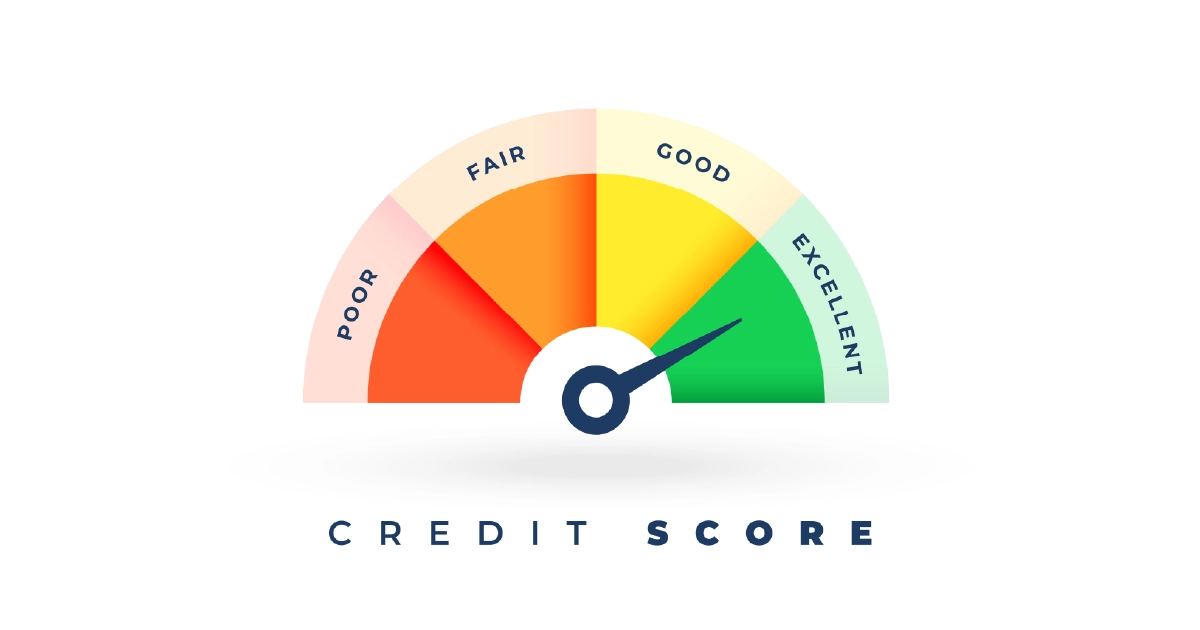
Your credit score is a snapshot of how you’ve managed money over time. Lenders use it as one piece of the bigger picture to understand your habits and your comfort level with borrowing.

They look at things like:

  • Do you usually pay on time?
  • Are your credit cards nearly maxed out?
  • How long have you had your accounts open?
  • Do you use different types of credit?
  • What credit rating is needed to buy a house?

Having a higher credit score can provide access to reduced mortgage rates and a wider range of loan options. But lenders also care about much more than this one number. They also look at:

  • your income
  • your job history
  • your savings
  • the home you want to buy
  • the type of loan program you’re applying for
  • your overall financial rhythm

A credit score is important, but it’s not the whole story—and it never tells the whole story about you.

So What Credit Score Do You Need?

There isn’t a single number that works for everyone. Instead, lenders tend to look at ranges. Here’s a friendly breakdown:

  • 740 and above → Strong credit
  • 700–739 → Very good for most loan types
  • 660–699 → Still solid; many loan programs stay open
  • 620–659 → Often still workable
  • Below 620 → Some loan programs may still help

These ranges aren’t carved in stone. A buyer with a “fair” score and steady financial habits may do just fine, while someone with a higher score and heavy debt might face more challenges. Everyone’s story is different.

This is where loan programs come in.

Common Loan Types and Their Typical Credit Score Needs

Different loan programs give buyers different options. Here’s a simple look at the most common ones.

Conventional Loans

These loans follow guidelines created by Fannie Mae and Freddie Mac.

  • Typical minimum: around 620

Buyers with higher scores often see better interest rates and more flexibility. If you’ve already built a good credit history, conventional loans may fit your needs well.

Many buyers look up what credit score for mortgage guidelines they should expect, and conventional loans often fall around the 620 range, depending on the lender and the full financial picture.

FHA Loans

FHA loans are designed for buyers who want a bit more room to qualify.

  • 580+ → often eligible for a low down payment (around 3.5%)*
  • 500–579 → may still work with a higher down payment

*Requirements vary by lender.

FHA loans help many first-time buyers move forward even when their credit isn’t perfect. This is especially helpful if you’re wondering about the lowest credit score to buy a house and want a program with more flexibility.

VA Loans

For eligible veterans, active-duty service members, and surviving spouses, VA loans offer some of the most supportive terms available.

  • Typical lender minimum: 580–620
  • The VA itself does not set a required score

VA loans often include relaxed credit requirements, competitive interest rates, and in many cases, no down payment.

USDA Loans

These loans support buyers in qualifying rural and some suburban areas.

  • Typical minimum: around 640

Some lenders may review buyers with lower scores if the rest of the financial picture is solid.

Credit Score Tips for First-Time Homebuyers

Many new buyers think they need perfect credit to get started, but that’s rarely true. There is no special credit score for first time home buyer qualification, but some programs offer helpful benefits, including:

  • FHA loans
  • State and local first-time buyer assistance
  • Down payment programs
  • Conventional loans with reduced PMI

If you’re worried about your score, you’re not alone—and you may be closer to qualifying than you think.

How Your Credit Score Shapes Your Mortgage Rate

Your interest rate influences your monthly payment and how much you pay over the life of the loan. A stronger score may help you qualify for a lower rate, while a lower score might mean a higher one.

Buyers sometimes search for mortgage rates based on credit score because even a small difference—like half a percent—can add up over time.

This is why some people spend a few months improving their score before applying. A little effort can go a long way.

What Actually Makes Up Your Credit Score?

Your score is built from five main pieces:

  • 35% → Payment history
  • 30% → Credit usage
  • 15% → Length of credit history
  • 10% → New credit
  • 10% → Mix of credit types

These categories guide where your score comes from and what you can work on.

Practical Ways to Improve Your Credit Before Buying

You don’t need to overhaul your entire financial world. Small, steady changes can make a noticeable difference.

1. Check Your Credit Reports

You can review them for free each year. Mistakes are more common than people think.

2. Pay Bills on Time

Even one late payment can affect your score.

3. Reduce Credit Card Balances

Using less of your available credit may give your score some breathing room.

4. Avoid Opening New Accounts

New accounts can temporarily dip your score.

5. Keep Old Accounts Open

Older accounts help lengthen your credit history.

6. Talk With a Professional

A certified counselor can help tailor a plan to your needs.

Credit improvement is a gradual process, but it’s absolutely achievable.

Can You Buy a Home With a Lower Score?

Often, yes. Many buyers qualify even when their credit isn’t exactly where they want it.

Lenders look at things like:

  • steady income
  • reasonable debt levels
  • down payment
  • savings
  • your full financial story

Programs like FHA or VA often support buyers who are building or rebuilding credit. If you’re wondering what credit rating is needed to buy a house, the answer is usually more flexible than people expect.

What Lenders Look at Beyond Credit

Credit is important, but it isn’t the only thing lenders care about. They also look at:

  • how long you’ve been employed
  • your debt-to-income ratio (DTI)
  • your savings habits
  • your down payment
  • the type of home you want to buy

Every lender is different, which is why one lender may approve something another lender cannot.

Preparing Yourself for a Mortgage

A little preparation helps you feel grounded and ready:

  • Set a realistic homebuying budget
  • Compare mortgage options
  • Get pre-approved early
  • Explore down payment assistance
  • Build a team you trust

You don’t have to be perfect to get started—you just need to be informed.

If Your Credit Doesn’t Feel “Ready,” You’re Not Alone

Credit scores go up and down throughout life. They don’t determine your worth, your stability, or your ability to be a great homeowner.

If your score isn’t exactly where you hoped:

  • you may still qualify
  • you may only need small changes
  • you may be closer than you think
  • you may find a loan program that fits your story

Your homebuying journey is about progress, not perfection.

Common Questions Buyers Ask

  • Is there a perfect score to buy a home?

No. Buyers qualify at many different levels.

  • Will checking my own score hurt it?

No. That’s usually a soft inquiry.

  • Do lenders look at all three scores?

Most lenders use the middle of the three.

  • How long does credit improvement take?

It depends on your starting point and habits.

You Don’t Have to Figure This Out Alone

Buying a home is a big step, and it’s emotional as much as it is practical. You’re not just choosing a house—you’re choosing a feeling, a future, a place where life will happen.

At MSR Communities, we understand how important this decision is. We’re here with patience, guidance, and genuine care for what matters most to you.

Ready to Explore Homes Designed for Real Life?

If you’re imagining your next chapter, MSR Communities would love to help you explore it. Our homes are created with lifestyle in mind—spaces shaped around real families, real routines, and real dreams. 

Experience beautifully built, naturally light-filled homes firsthand.  

Visit our open houses or tour a model home. 

The Benefits of Houseplants: Enhancing Air Quality and Bringing Nature Indoors

The Benefits of Houseplants: Enhancing Air Quality and Bringing Nature Indoors

Moving into a new construction home is one of those exciting life chapters where everything feels full of possibility. You set down the keys, take a deep breath, and start imagining how every corner might come together. Maybe you’re picturing cozy reading nooks, or a kitchen that feels lively even on quiet mornings. As you choose to paint colors and decor, one simple, meaningful element often makes the biggest difference: plants.

Houseplants have a way of softening a room and making it feel more lived-in. They’re beautiful, yes—but they also bring a sense of comfort that goes deeper than design. Many homeowners reach for them because they want a calmer space, a fresher-feeling home, or a natural touch that helps them unwind. No matter your style, plants can help turn a house into something personal—a place that feels like yours.

This guide walks through the many reasons to bring more greenery indoors, from choosing plants that are good for the house to understanding most beneficial houseplants, plus tips for selecting easy indoor potted plants that won’t overwhelm your schedule. You’ll also find simple advice on the best potting soil mix for indoor plants and which modern varieties fit beautifully in a fresh, contemporary home.

Why Houseplants Matter More Than You Think

There’s something grounding about having living things around you. It’s one of the simplest ways to reconnect with nature, especially when we’re all juggling busy schedules and screen-heavy lives. A few plants on a shelf or by a window can shift the energy of a room, bringing in color and texture without feeling fussy.

People often talk about the “feel” of a home—how some spaces immediately make you breathe easier. Plants play a big role in that. They help balance out sharp lines, soften bright light, and add warmth to cool tones. Most importantly, they remind us to pause for a moment, which is something many of us crave more than we realize.

Choosing the Right Plants for Your Home Style

Modern homes pair especially well with greenery. Sleek lines and bright spaces welcome the curves and layers that indoor plants bring. But the plants you choose should also fit your lifestyle. If you want to keep things simple, plenty of easy indoor potted plants thrive with very little attention.

Some favorites in today’s modern indoor houseplants include:

  • Snake plants with tall, upright leaves
  • Monstera deliciosa, known for its artistic leaf splits
  • Rubber plants, which make a bold but clean statement
  • ZZ plants, which are incredibly forgiving
  • Fiddle-leaf figs, perfect for large, open rooms

These modern indoor house plants add style without feeling overwhelming. Whether you’re decorating your first home or refreshing a long-loved one, plants offer a natural way to bring warmth and personality into any space.

Indoor Plants That Many Consider Beneficial for the Home

You’ll find no shortage of lists online recommending certain plants for healthier indoor air. While plant benefits vary based on your home, airflow, and the size of the space, many homeowners appreciate species that may support a fresher-feeling environment.

Here are some of the most beneficial houseplants people commonly choose for their homes:

Spider Plant

Spider plants are friendly little growers that adapt easily to different rooms. Their long, arching leaves bring gentle movement to a space, and they’re often recommended for those wanting plants that are good for the house with minimal upkeep.

Great for: kitchens, living rooms, and bathroom ledges.

Snake Plant

If you lean toward simplicity and clean lines, the snake plant fits right in. It’s one of the best indoor plants for health-focused homeowners, mainly because many people appreciate how sturdy and long-lasting it is.

Great for: bedrooms and home offices.

Peace Lily

With deep green leaves and simple white blooms, peace lilies offer a calm, peaceful presence—perfect for spots you want to feel welcoming.

Great for: entryways, living rooms, or shaded corners.

Boston Fern

Boston ferns thrive where the air is naturally moist. Their feathery leaves make them a lovely option for a spa-like touch.

Great for: bathrooms or near bright, steamy windows.

Rubber Plant

Rubber plants bring a sculptural look and feel instantly modern. Their glossy leaves make them a natural fit for more contemporary rooms.

Great for: living rooms, wide hallways, or open reading corners.

Aloe Vera

Aloe is both striking and practical. Its gel is commonly used for minor skin irritations, and the plant itself does well in bright, sunny spots.

Great for: kitchens and bedroom windowsills.

Areca Palm

If you want something tall and graceful to fill an empty corner, the areca palm is a beautiful choice.

Great for: living rooms, sunrooms, and bright home offices.

Important note:
While many people feel that indoor plants contribute to a fresher-feeling environment, they are not a replacement for proper ventilation, filtration systems, or professional air-quality guidance. Every home is unique, and experiences with plants vary.

The Emotional Benefits of Having Plants and Flowers Indoors

Plants affect how we feel—sometimes in ways we don’t notice right away. Adding greenery or fresh flowers to your home can:

  • Bring natural color that lifts your mood
  • Encourage mindfulness and slow moments
  • Create a soft, welcoming atmosphere
  • Reduce visual clutter by balancing hard surfaces
  • Help break up screen fatigue

And yes, the benefits of having flowers in the house are worth mentioning. Flowers tend to bring a different kind of joy—one that’s immediate and uplifting. A vase of fresh blooms on the kitchen counter or the dining table can brighten the whole room and even shift the tone of your day.

Low-Maintenance Plants for Busy Homeowners

Many people want greenery but worry about keeping plants alive. The good news? Some indoor plants practically take care of themselves.

If you want something simple and dependable, consider:

  • Pothos, which grows in almost any light
  • ZZ plants, famously tough
  • Succulents, perfect for dry homes or sunny windows
  • Monstera, great for people who forget to water occasionally
  • Cast iron plants, champions of low-light corners

These easy indoor potted plants give you the feel of a lush home without adding stress to your weekly routine.

Choosing the Best Potting Soil Mix for Indoor Plants

Healthy roots start with healthy soil. A good potting mix should drain well, hold some moisture, and give your plant’s roots space to breathe.

A simple, reliable mix for most indoor plants includes:

  • Coconut coir (helps hold moisture without being soggy)
  • Perlite (adds drainage and air pockets)
  • Compost or organic matter (gentle nutrients)

For succulents or cacti, add extra sand or perlite to dry things out a bit.
For tropical plants, mix in a little bark to mimic their natural environment.

Good soil makes all the difference—plants respond quickly when their roots have the right foundation.

Creating a Nature-Connected Home With MSR Communities

For homeowners who enjoy bringing nature indoors, MSR Communities offers homes that make it easy to incorporate greenery without extra stress. Many of our plans include bright, light-filled rooms where plants can thrive naturally, whether you prefer a sun-loving fiddle leaf fig or a collection of small potted herbs by the kitchen window.

Our thoughtfully chosen materials also help create a worry-free environment for plant lovers. Durable flooring, quality surfaces, and warm wood finishes make it easier to manage the occasional splash of water or a bit of loose soil—so your plants can be part of your home without the hassle.

And with customizable design options, from cabinet colors to layout choices, you can create a space that feels like the perfect backdrop for your greenery. Whether you imagine a cozy nook for a trailing pothos or a bright open living area with tall statement plants, MSR homes give you the flexibility to make your plant-friendly vision come to life—naturally and effortlessly.

Conclusion: Let Nature Be Part of Your Story

Houseplants bring warmth, personality, and a sense of calm into any home. From simple, low-maintenance greenery to larger statement plants, there’s a place for nature in every room. And as you settle into your new space—or refresh the one you’ve loved for years—plants can help you create a home that feels vibrant, grounded, and uniquely yours.

Ready to create a healthier, more comforting home environment?

Explore the homes available at MSR Communities. Our spaces are designed with modern living in mind—places where sunlight, layout, and natural elements all work together to support a well-balanced lifestyle. 

Browse our homes for sale today and imagine how your favorite plants could grow right alongside you.

Let nature be your decor partner—start house planting from move-in day!


The Four Cs of Credit: What You Need to Know About Getting a Mortgage for Your Dream Home

The Four Cs of Credit: What You Need to Know About Getting a Mortgage for Your Dream Home

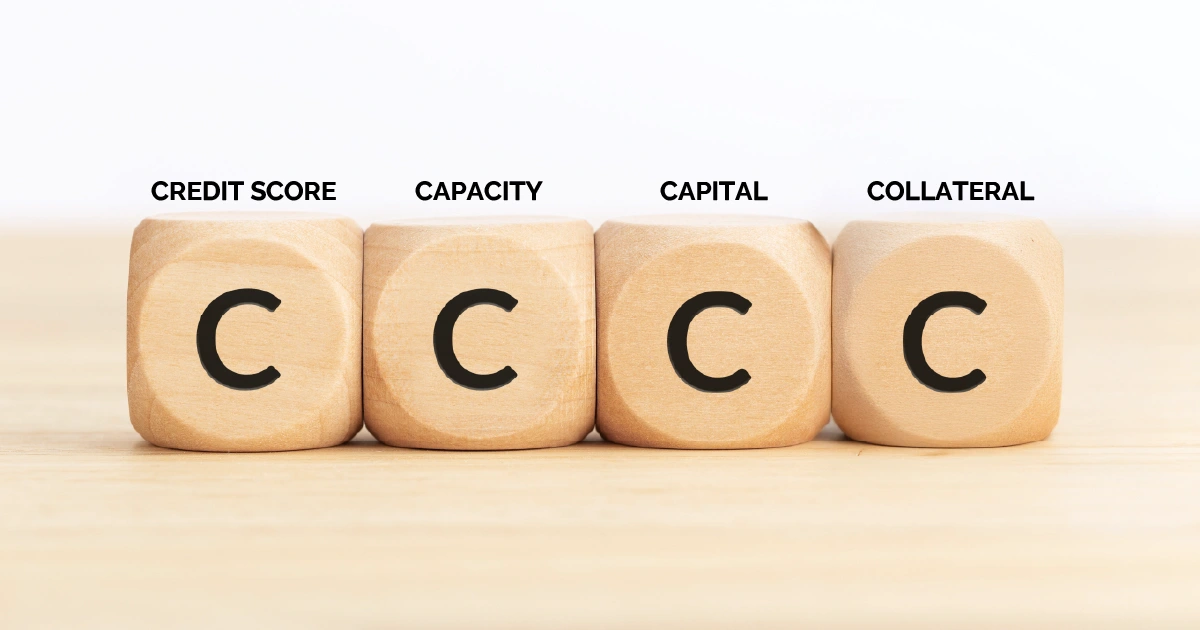
One of the most important financial decisions you’ll ever make is to buy a house. If you’re thinking about buying a single-family home or a trendy townhome, you should know what it takes to get a mortgage. When banks give you a loan, they don’t just give it to you. They look at your credit score, capacity, capital, and collateral to see how healthy your finances are.

These four things will decide if you can get a mortgage and will also affect the interest rates, loan terms, and the whole approval process. In this guide, we’ll talk about all four Cs, what affects getting a mortgage, and give you useful advice to help you get the home of your dreams.

Why the Four Cs of Credit Matter

Lenders need to know that you can pay back the mortgage. The Four Cs give you a way to find out if you can do something and how risky it is. Knowing these things can help you make your application stronger and give you a better chance of getting approved.

1. The First C is Your Credit Score

Your credit score and your mortgage are connected. Your credit score is a number that tells lenders how trustworthy you are based on how long you’ve had credit, how much credit you’ve used, and how well you’ve paid your bills.

A high credit score means you can be trusted and makes lenders less likely to lose money. It can help you get better loan terms and lower interest rates, which can save you thousands of dollars over the life of your mortgage. A low score, on the other hand, could mean higher rates or even denial, which would make it hard to get the home of your dreams.

You should work on improving your credit score before you apply for a mortgage. Pay your bills on schedule to start. Late payments might hurt your score a lot. To minimize your utilization percentage, pay off your credit cards. Also, don’t open a lot of new accounts before applying for a mortgage. Lastly, look for mistakes on your credit report and challenge them right away. These strategies can help you show lenders that you are a better financial risk.

2. Ability to do Your Ability to Pay Back

Capacity means how much money you have to pay your mortgage each month. To see if you can bear the burden of a mortgage, lenders look at your income, job stability, and debt-to-income (DTI) ratio.

Your DTI ratio shows how much of your gross income goes toward paying off your debts each month. Most lenders want your DTI to be 43% or less. A lower ratio means you have enough money to easily pay your mortgage. You might want to pay off some of your debts before applying if your ratio is too high.

It’s important to have both a job and a steady income. If you have a good job history and a steady stream of income, lenders are more likely to believe that you can pay back your loans. Self-employed borrowers may need to show more proof of their financial stability, such as tax returns and profit-and-loss statements. One of the most important things you can do to get a mortgage is to show that you have a lot of money.

3. Capital—Your Financial Safety Net

Your savings, investments, and other assets make up your capital. It shows that you are financially stable and lowers the risk for lenders. A good capital position means you can handle unforeseen costs and affects the size of your down payment, which in turn affects the conditions of your loan.

When looking for single-family homes or townhomes for sale, having more money can help you find better mortgage options and make your offer stand out. Having a plan for your down payment is very important. Try to put down at least 20% to avoid paying private mortgage insurance (PMI), which raises your monthly payments. You can use money from your savings, retirement accounts, or gifts from family members (if they are allowed) to help with your down payment. Another way to improve your finances before you apply is to sell things you own.

Having money also gives you piece of mind. It makes sure you have money set up for emergencies, which lenders like. It’s not enough to only meet the standards for building a strong capital base; you also need to make sure your future as a homeowner is safe.

4. Collateral: The Property as Security

The home you are buying is collateral for the mortgage loan. If you don’t pay, the lender can take back the property. The valuation of the property is very important in the approval procedure.

Lenders need an appraisal to make sure the value of the home is equal to the loan amount. You could have to renegotiate the price or put down more money if the assessment comes in lower than you thought. It is very important to pick the suitable property. The condition and market value of the property are two important things that affect whether or not you can get a mortgage, whether you’re looking at a snug townhome or a large single-family home.

Lenders use the loan-to-value (LTV) ratio to figure out how risky a loan is. Collateral also affects this ratio. Making a bigger down payment can lower your LTV ratio, which can help you get approved and get better interest rates.

Other Things Things That Affect Getting a Mortgage

Lenders look at more than just the Four Cs before making a decision. The kind of loan you get—conventional, FHA, VA, or USDA—can affect the requirements and your chances of getting approved. Your credit utilization is also important. Even if you always pay your bills on time, heavy use can lower your score. If you have a history of saving money, it shows that you are financially responsible. If you have opened a lot of new accounts in a short amount of time, your recent credit activity could raise red flags.

Lenders may also look at your payment history for things like rent, utilities, and other bills. If you can show that you are responsible with your money in different parts of your life, it might make your application stronger.

How to Get a Mortgage: Tips

Look over your credit record and fix any problems months before you apply. Start early. Save a lot of money so you have a lot of capital for down payments and savings. Your DTI ratio will go down if you pay off loans and credit cards because your debt will go down. Don’t change jobs while you’re doing it, and make sure your income stays steady. Finally, choose properties that fit your budget and pass the assessment to avoid problems.

These steps will not only help you get approved, but they will also help you make money as a homeowner in the long run.

Conclusion: The Path to Home Ownership

If you know the Four Cs of Credit—Credit Score, Capacity, Capital, and Collateral—you can easily figure out how to get a mortgage. Making smart choices and improving your finances can help you get a loan and get better terms.

Are you ready to go? Start your journey to owning the home of your dreams by looking at our listings of single-family homes and townhomes for sale today.

Why Frisco, TX Is the Best Place to Get Your New Home

Why Frisco, TX Is the Best Place to Get Your New Home

If you’ve been looking at homes for sale in Frisco, TX, you definitely noticed right away that people love living here. Frisco has a mix of comfort, convenience, and community that many residents love. Whether you’re starting a new chapter in your life, raising your family, or just looking for a new home, Frisco is a great location to live.

Frisco is still the best place to live in the Dallas–Fort Worth area because it has beautiful neighborhoods, good schools, fun things to do, and planned growth. This article will help you understand what makes Frisco, Texas a great area to live, whether you’re looking for new construction homes, comparing new home builders, or just focused on brand new homes. A city that’s getting bigger but still seems like home

Frisco has expanded a lot over the years, yet a lot of people say it still feels friendly and community-oriented. Families wander down the sidewalks, neighbors wave to each other, and youngsters can often be spotted at the parks and trails that are all throughout the city.

Many people opt to buy a property in Frisco, TX because it has a good mix of expansion and a neighborhood feel. You get the best of both worlds: the convenience of a big city and the warmth of a small town.

  • Job Opportunities Close to Home: Frisco is part of the larger Dallas–Fort Worth economy, which gives people who live there a lot of career options. Many businesses in fields like technology, healthcare, education, hospitality, and corporate services are located nearby. Legacy West and Plano, two major job centers, are only a few minutes apart. This makes it easy for professionals to live in the suburbs without giving up career opportunities. Many new residents find that Frisco is a good area to live because it is close to the DFW job market.
  • Schools That a Lot of Families Like: Over the years, Frisco ISD has created a good reputation, and families often look for homes for sale in Frisco, TX so they can be part of the district. The schools are noted for having modern facilities, smaller high school models, and a welcoming atmosphere for learning.

Note: School ratings, boundaries, and district plans may change over time. Always check with Frisco ISD or local authorities to be sure you have the most up-to-date information.

  • For any lifestyle, there is entertainment, dining, and recreation: One thing that makes Frisco so enticing is that there are so many things to do. There are a lot of ways to have fun in your leisure time, whether you like sports, shopping, being outside, or spending time with your family.
  • Some of the most popular things to do in the area are: The Star is the Dallas Cowboys’ home base and entertainment district. The Stadium of Toyota.
  • PGA of America campus
  • Stonebriar Center
  • The Frisco RoughRiders Ballpark
  • A lot of parks and pathways
  • Restaurants, small stores, and activities in the community

A lot of individuals are interested in new construction homes in Frisco, TX since they are convenient and fun at the same time.

Why Many People Want to Buy New Homes

New construction homes are still popular in Frisco because a lot of purchasers prefer the concept of starting over. You are the first person to live in a brand-new home. Everything in it, from the paint to the floors to the fixtures, feels clean, modern, and ready for your life. A lot of homeowners value:

  • New materials and designs that are up to date
  • Layouts that work with today’s schedules
  • Living rooms with an open concept
  • New, clean insides
  • Warranties supported by builders
  • The chance to own a property that fits their style
  • Dedicated home-office for WFH culture

This is why families, young professionals, retirees, and first-time buyers generally choose new houses in Frisco, Texas that are ready to move into.

How to Choose the Best New Home Builder in Frisco, TX

There are a number of trustworthy new home builders in Frisco Tx, and each one has its own strengths. When looking at new home builders in Frisco, TX, many purchasers pay attention to things like:

  • Different floor plans
  • Quality of construction and craftsmanship
  • Community features
  • Style of design
  • Features that are included
  • Appeal of the neighborhood
  • Customization options

MSR Communities is one of the builders that makes houses with modern layouts, smart designs, and a focus on how easy they are to live in every day.

Here are some homes you can look at: MSR Communities

Master-Planned Neighborhoods That Feel Like Home

Master-planned communities make up some of Frisco’s most popular neighborhoods. People build these places on purpose to make them more connected and convenient. They typically have features that make life more fun and interesting.

Some features might be:

  • Paths for walking and biking
  • Pools in the community
  • Playgrounds and parks
  • Places to meet
  • Clubhouses
  • Areas that are good for pets

These areas make it easy for people in the neighborhood to get together and feel like they are part of a community, which is what Frisco is known for.

Homes for Every Stage of Life

Frisco has homes for all kinds of lifestyles, from townhomes to bigger single-family homes. There are groups that can help you with each step, whether you’re moving out on your own, having a kid, or downsizing.

When you look at homes for sale in Frisco, TX, you will see:

  • Townhomes that are easy to take care of
  • Single-family homes with big floor plans
  • New homes with modern touches
  • Communities with common facilities
  • Choices for different tastes and budgets

This variety makes it easier for more people to locate a home that feels appropriate for them.

A North Texas Location That Is Easy to Get To

In the Dallas–Fort Worth area, Frisco is in the perfect place. It’s easy to go to adjacent cities like Plano, McKinney, Dallas, and Denton thanks to major roads and tollways. Many residents appreciate being able to enjoy the peace and quiet of the suburbs while still having easy access to restaurants, stores, airports, and entertainment options.

A clean and friendly place: People know that Frisco is clean, well-organized, and focused on the neighborhood. Roads are always getting better, parks are well-kept, and neighborhoods often feel safe and welcoming.

Why so many people want to buy a home in Frisco, TX

Frisco offers a lot of things that make it appealing for the long term, even though every buyer is different. The city is planning for growth by putting money into schools, parks, roads, and community services. These investments help bring in new people and keep the local housing market vibrant.

If you’re looking at new houses in Frisco, TX, now might be right time to find out what’s out there and get to know the area.

Check out new homes with MSR Communities. 

MSR Communities designs homes that are stylish, comfortable, and useful every day. Our floor plans are designed to flow well, have modern areas, and include details that homeowners want, whether they like to throw parties or just relax at home.

Are you someone who’s already imagining what it would be like to build your new home from the ground up in Frisco after reading this? If so, let’s take the next step together.

Explore the floor plans from MSR Communities at Sarovar. Bring your ideas or preferred layout to design a home that truly reflects your vision. This is a great chance to create a personalized, well-built home in one of Frisco’s most exciting new communities. 


The Importance of a Home Warranty: Protecting Your Investment 

The Importance of a Home Warranty: Protecting Your Investment

A house warranty is important because it keeps your money safe.

Buying a house is one of the biggest financial choices you’ll ever have to make. When you look at single-family homes or modern townhomes for sale, keep in mind that your home is a safe, comfortable place where you can make memories that will last a lifetime. But it’s your obligation as a homeowner to take care of the major systems and equipment. It’s really crucial to understand how significant a house warranty is right now.

A home warranty can help you relax and save you hundreds of dollars on repairs you didn’t see coming. This guide will tell you how a house warranty works, talk about whether or not home warranty plans are worth it, and help you pick the best home warranty plans for your needs.

Why it’s important to get a warranty for your home

You have to deal with things that break when you own a home. HVAC, plumbing, and electrical parts, as well as appliances like refrigerators and washers, can stop working at any time. It could cost hundreds or even thousands of dollars to fix or replace something. This is when you can see how useful a house warranty is: it keeps your money safe and makes you less concerned.

Homeowners insurance covers damage from things like fire or theft, while a house warranty only covers mechanical problems that happen from normal use. It makes sure you know what to do if something goes wrong that won’t cost you a lot of money.

What is a home warranty and how does it work?

It’s not hard to understand how a house warranty works. If a system or piece of equipment that is covered by your warranty stops working, you call the company that gave you the warranty. They hire a contractor who knows what they’re doing to figure out what’s wrong and fix it. You generally have to pay a service fee, and the warranty will pay for the balance of the cost of fixing or replacing the item as long as you follow the rules of your plan.

Most warranties cover:

  • Major appliances like refrigerators, dishwashers, and washers
  • Heating and cooling systems like furnaces and air conditioners
  • Plumbing systems like water heaters and garbage disposals
  • Electrical systems like panels and wiring

This strategy saves you time and money, so you won’t have to rush to find a good repairman or pay a lot of money for repairs.

Do you think house warranty plans are a good idea?

A lot of people want to know if a house warranty is worth the money. It all depends on your scenario. A warranty could be quite helpful if you live in an older home or have appliances that are going to break down. Warranties defend you from unplanned expenses and give you peace of mind, especially on newer properties.

People who are buying a home for the first time and do not have the money to renovate it right away will find home warranties quite helpful. They also make your home worth more when you sell it. Buyers may be more interested in your house if it comes with a transferable warranty.

How to Pick the Best Home Warranty Plans

It might be hard to pick the best home warranty plans. Remember these important things:

There are many different kinds of covers. Plans that only cover appliances only cover kitchen and laundry appliances. Basic plans cover all the important systems, such as plumbing and heating and cooling. Comprehensive plans protect you the best because they cover both your systems and your appliances. The quality of the service network is also very important. Find out if the group has a good network of skilled contractors in your area. When you need repairs right away, it’s very important to have quick response times and skilled workers.

Customer service is also very important. Look for companies that make it easy to file a claim and have great customer service. You can get a sense of how reliable a company is by reading reviews on sites like Trustpilot or the Better Business Bureau.

Finally, compare the prices of different suppliers and make sure you know how much the service costs. You have to pay monthly premiums, but if you make more than one claim, the service fees might pile up.

New Home Warranty

If you buy a new house from a well-known builder, you might get a warranty on the building. For instance, MSR Communities worked with Quality Builders Warranty (QBW) to provide a 10-year structural warranty.

This includes:

  • A one-year guarantee on the quality of the work, including the materials and how it was done
  • A ten-year structural guarantee that covers proven structural flaws in the foundation and load-bearing parts

These kinds of warranties protect your money for a long time and make it worth more.

What a Home Warranty Can Do for You

A warranty on your home has more benefits than just saving you money. It lowers the cost of major repairs, makes sure that problems that come up out of the blue are fixed quickly, and raises the value of the home. Buyers are more likely to want your property if it comes with transferable warranties. This is quite helpful when selling townhomes or single-family homes.

How to Get the Most Out of Your Home Warranty

Read the fine print to learn what your warranty does and does not cover. Warranties don’t cover damage caused by neglect or bad care, so make sure to undertake regular maintenance. Learn how to file a claim and keep your papers close by so you can remedy the situation quickly.

Conclusion: Keep your money safe

A home warranty is more than just a nice thing to have; it’s a sensible financial choice that protects your investment and gives you peace of mind. There are many good things about having a house warranty. It might pay for expensive repairs and maybe even raise the value of your house when you sell it.

Find the best home warranty packages right now if you want to protect your money and your property. Also, while you’re at it, look at our lists of townhomes and single-family houses for sale to find the perfect one that will keep you safe.