Choosing the Right Builder for Your Dream Luxury Home: Why MSR Communities Makes the Difference

Choosing the Right Builder for Your Dream Luxury Home: Why MSR Communities Makes the Difference

Why MSR Communities is the Best Choice for Finding the Right Builder for Your Dream Luxury Home

Building a luxury home is more than just a job; it’s the end of a long-term goal. To turn your ideas into reality, you need to have a clear vision, be accurate, and, most importantly, the right partner. One of the most important choices you’ll ever have to make is which luxury home builder to hire. It could mean the difference between your dream home becoming a work of art or a missed chance.

Smart buyers these days want more than just space when they buy a new house. The market is very competitive right now, and new homes for sale are popping up all over the place. They want a builder who knows how to build high-end homes and how to do custom work. This is what sets MSR Communities apart as a high-end custom home builder that always does a great job.

How to Choose a Builder for Your House

You shouldn’t just look at pretty brochures and marketing promises when you think about how to choose a home builder. The best way to pick a builder is to look at their previous work, their design philosophy, and how well they can make homes that fit different lifestyles. A real luxury home builder should be honest and open in their communication, be willing to change the design, and use high-quality materials.

For example, MSR Communities is different from many builders because they focus on making things unique instead of just getting them done quickly and cheaply. They know that not everyone has the same idea of luxury. It’s about building a home that reflects who you are, what you value, and what you want to achieve. From the first meeting to the last walkthrough, everything they do is designed to match your vision.

Why MSR Communities is the Best Luxury Home Builder

The best luxury home builder is MSR Communities because they care about doing good work and making their clients happy. They don’t just build houses; they make homes. We take great care with every part of the project, from the design of the building to the last touches on the inside.

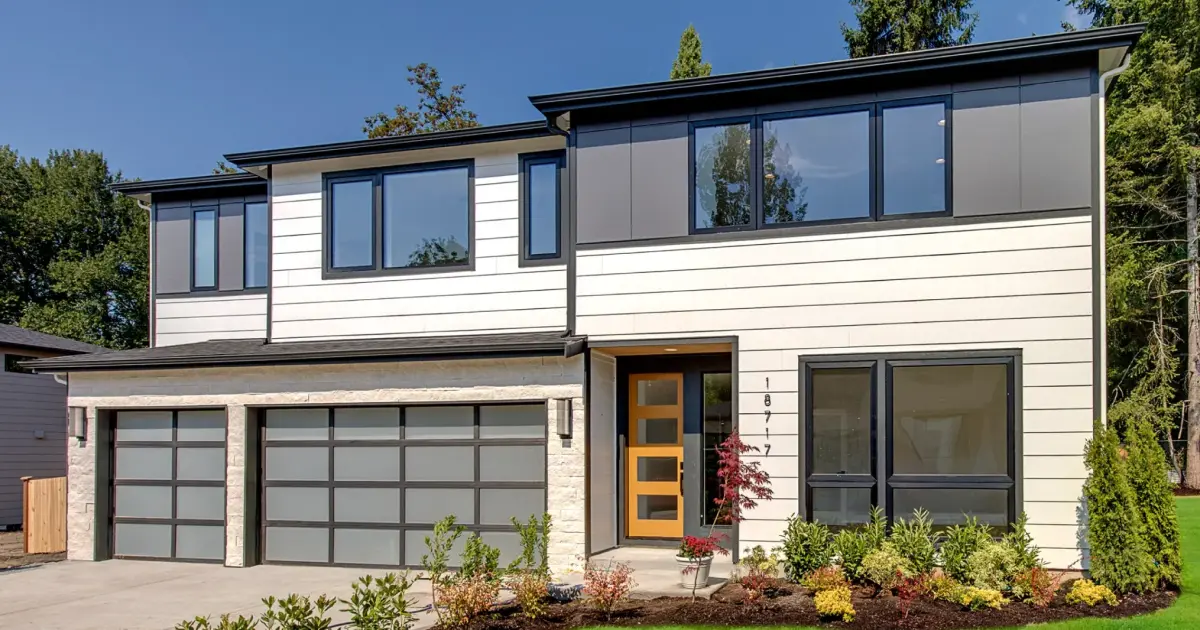
MSR Communities is not like builders who use cookie-cutter templates because they like to make things their own. They build high-end custom homes and work closely with clients to make sure the homes are unique, useful, and will last for years. Their team can build you a modern mansion with a glass front or a classic European villa.

The Advantages of Hiring a High-End Home Builder in Seattle

The real estate market in Seattle is always changing, and there is still a lot of demand for high-end homes. When you hire a luxury home builder in Seattle, you’re working with people who know the area well, including the rules about zoning and the latest architectural styles. MSR Communities has been in the area for a long time, which gives them an edge when it comes to building high-end homes in the Pacific Northwest.

They know a lot about the neighborhoods in Seattle, so they can help you find a home that is both beautiful and in a good area. MSR Communities can help you find the perfect place to live, whether you want to be near the water on Lake Washington or in the busy downtown area.

Not just brand-new homes for sale

Many people want to buy new homes, but these homes usually don’t have the special features that make a home truly luxurious. MSR Communities believes that a luxury home should be more than just new; it should be one-of-a-kind for you. Their approach is different from most because it lets clients design their own homes from the ground up.

This means you can pick any layout or finish you want. You can choose everything from the floor plans to the fittings to make sure that your home reflects your style and way of life. The end result is a home that feels like yours and not just another house for sale.

What Sets MSR Communities Apart

MSR Communities is different because they believe that luxury is about having experiences, not having a lot of stuff. They combine new architectural ideas with practical features to make sure that homes are both beautiful and comfortable. Their designers, architects, and craftsmen all work together perfectly to create spaces that are both beautiful and comfortable.

Customers often say nice things about how well they work together. Instead of telling people what to do, MSR Communities listens, gives advice, and changes. This relationship makes sure that every home is a true reflection of the owner’s vision. This commitment to customization is what makes them the best luxury home builder for people who want more than just a house; they want a legacy.

In the end

Before you pick the right builder for your dream luxury home, you should think about it carefully and do some research. When you know how to pick a home builder, you look for things like openness, the ability to make changes, and a track record of success. If you want to live in a place that is really different, MSR Communities is the best choice because they have all of these qualities.

MSR Communities can help you make your dream come true, whether you want to buy a new home, build a luxury home in Seattle, or buy a unique estate. They don’t just build houses; they build homes that inspire, last, and set the standard for luxury living. This is why people call them one of the best custom home builders in the luxury market.

How to Save for a Down Payment on a House – 10 Simple Steps

How to Save for a Down Payment on a House – 10 Simple Steps

One of the biggest financial milestones in life is buying a home. The first step in making your goal of a comfortable townhome, a big single-family home property, or your first starter home come true is to save for the down payment. A lot of new purchasers wonder, “How much do I need for a down payment?” It depends on the sort of property, what your lender needs, and how much money you have. No matter what the actual amount is, having a clear plan for saving for a down payment makes the whole thing less scary and more doable.
This guide will show you ten easy steps to help you save for a down payment. Along the way, we’ll also provide you useful ideas for buying a new house, a townhome, or a single-family home.

Step 1: Figure out how much you need for a down payment

You need to know what you want to save for before you start. The amount needed changes based on the type of loan and the property. FHA loans may only need 3.5% of the home’s buying price, while conventional loans may need 5% to 20%. Sometimes, VA and USDA loans don’t even need a down payment. For instance, a down payment on a $250,000 townhome may be anywhere from $8,750 (3.5%) to $50,000 (20%). A down payment on a single-family house could be larger because investment properties usually require 20–25%. Knowing these numbers can help you create a realistic savings target and keep you from being surprised later on.

Step 2: Make a plan to save for a down payment

Make your down payment a big financial objective, just like any other. A strategy to save for a down payment should include the amount you want to save, the time frame, and a monthly savings goal. For example, if you want to buy anything in three years and need $40,000, you’ll need to save around $1,100 a month. The process is less scary when you break it down into smaller parts. Seeing improvement every month keeps you motivated and helps you stick to your goals.

Step 3: Set up a separate savings account

One of the best ideas for new homebuyers who want to save for a down payment is to keep their savings separate from their regular expenditures. If you open a high-yield savings account or money market account just for your down payment, it will be harder for you to spend money that you want to use for your future home. Keeping this account separate and automating transfers every payday makes ensuring that things stay the same. It also makes it less tempting to use it for things that aren’t emergencies.

Step 4: Spend less on things that aren’t necessary.

You typically have to give up things to save for a down payment. Look over your monthly bills and see where you may save money. Eating out, streaming services, and shopping on a whim all add up rapidly. Putting that money into your down payment savings plan can make a significant difference. For instance, if you reduce $200 from your discretionary spending each month, you’ll save $2,400 a year. That’s $7,200 over three years, which is enough to cover closing expenses or add to your down payment.

Step 5: Make more money from more sources

Sometimes cutting costs isn’t enough, and making more money speeds your savings. You may do freelance work, work part-time, or sell things you don’t need online. Look into ways to make money without working, such tutoring, consulting, or selling digital goods. An extra $500 a month can cut years off the time it takes to save up. The sooner you meet your down payment goal, the faster you can make more money.

Step 6: Pay off debt and raise your credit score.

Your down payment is just one part of the puzzle. Lenders also check your credit score and debt-to-income ratio. Paying off credit cards with high interest rates, not taking out new loans while saving, and checking your credit report for mistakes are all wise things to do. If you have better credit, you may be able to get lower interest rates, which can cut your monthly mortgage payments and give you more money to save. This step not only helps you save money, but it also makes you a better borrower.

Step 7: Look into programs that can help you.

Many governments, towns, and NGOs have programs that help first-time buyers with their down payments. These could be grants that don’t have to be paid back, loans that can be forgiven if you stay in the home for a certain amount of time, or housing perks paid for by your work. Finding out about local programs could help you save thousands of dollars, which would mean you wouldn’t have to save as much. Not taking advantage of these chances is like leaving money on the table.

Step 8: Think about the type of property and your plan

The kind of property you want to buy will affect how much you need to save. Many first-time buyers like townhomes because they usually have lower down payments than single-family homes. Lenders regard rentals as riskier investments, so the down payment on a single-family home is usually larger. If you think carefully about the type of property you want, you may be able to buy a home sooner. If you buy a smaller home today, you may be able to create equity faster, which you can then use to buy a bigger home later.

Step 9: Keep track of your progress and automate it.

When saving for a down payment, it’s important to be consistent. You can make sure you never miss a contribution by setting up automatic transfers to your savings account. You can stay on track by using budgeting tools to keep track of your progress. You can also stay motivated by celebrating milestones, such hitting 25%, 50%, or 75% of your goal. Keeping track of your efforts makes saving money a fun and gratifying adventure.

Step 10: Be patient and flexible.

It’s not a race to save for a down payment; it’s a marathon. Life occurs; things like surprise costs, job changes, or changes in the market can modify your schedule. If you need to, change your plan, but don’t give up when things go wrong. Stay on track, and remember that every dollar you save gets you closer to owning a home. You need to be patient and keep going in this process.

Real-Life Examples

Let’s put this in context. Picture a first-time buyer who wants to buy a townhome that costs $250,000. A down payment of 10% would be $25,000. If they saved $700 a month, they could attain their goal in three years. Now think about an investor who is interested in a single-family home that costs $400,000. A down payment of 20% would be $80,000. If they saved $1,300 a month, they could attain their goal in five years. These examples explain how the type of property you own can change how you save and when you do it.

Things You Should Not Do

A lot of purchasers make mistakes because they don’t realize how much they need for a down payment. It feels like you can save forever if you don’t have a goal. Some people blend their savings with their ordinary money, which makes it too simple to squander. Some people don’t use aid programs, which means they miss out on useful help. And too many people only think about the down payment and forget about closing charges, moving costs, and emergency finances. Avoiding these blunders will keep your plan on track and make sure you’re ready to acquire a home.

In conclusion

It may seem hard to save for a down payment, but it’s not impossible if you have a clear plan, stick to it, and are patient. If you want to buy a townhome, a single-family home, or your first starter home, these ten easy steps will help you get there. Make sure you know how much you need for a down payment, set up a separate savings plan for it, use wise advice for new homebuyers, and change your plans based on the type of property you’re buying. For example, a townhome down payment will be different from the bigger down payment needed for a single-family home. Owning a home isn’t only about owning a place to live; it’s also about developing security, equity, and a future. You may open the door to your dream home sooner than you think if you start saving now.

How to Choose the Perfect Townhome Floor Plan for Your Lifestyle

How to Choose the Perfect Townhome Floor Plan for Your Lifestyle

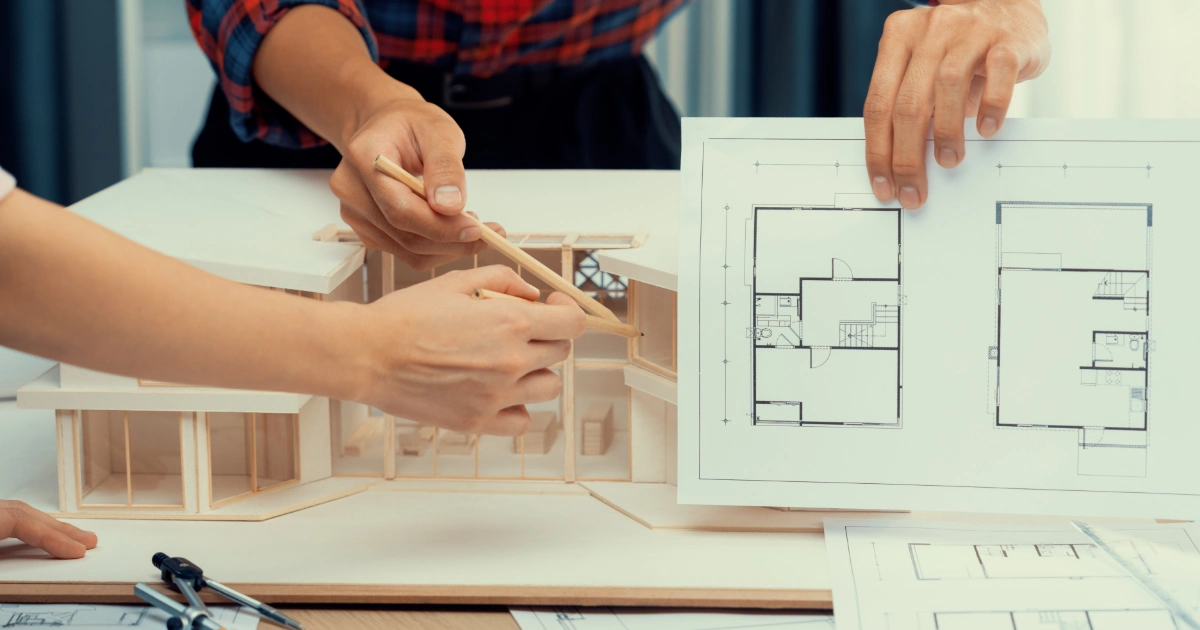
Choosing the right floor plan is one of the most personal decisions you can make when buying a new home. Your townhome floor plan sets the tone for how you’ll live, relax, and connect every day, whether you’re a first-time buyer ready to stop renting, a growing family that needs more space, or an empty nester who wants a low-maintenance lifestyle with modern comfort.

New construction home floor plans give homebuyers more options, flexibility, and livable luxury than ever before. It can be hard to know where to start because there are so many choices from 3-bedroom townhome floor plans to 5-bedroom layouts made for families with multiple generations.

This guide will help you think about everything you need to when picking the best townhome floor plan for your way of life. You can make an informed and confident choice by reading about luxury home building plans that give you practical tips, design ideas, and information.

Why Townhomes Are Getting All the Attention

Townhomes are one of the fastest-growing types of homes in the U.S., especially in Washington State’s growing communities. Townhomes are the perfect balance between independence and convenience for millennials entering the market, professionals moving to the Greater Seattle area, and retirees who want to downsize without losing comfort.

More people are choosing townhomes for these reasons:

No big lawns or outside work to worry about—great for busy professionals or young families.

  • Smart Design: Every inch of space is used wisely, so you get the feeling of a full-sized home without the extra space.
  • Community Feel: Townhome developments often have shared green spaces, walking paths, and neighborhoods that are close-knit.
  • Smart Investment: Townhomes have modern features and are easy to sell because there isn’t much land left in cities.

In short, townhomes are a good fit for how people live now: they are practical, connected, and focused on comfort.

Look at the homes that MSR Communities has to offer to see how modern townhome design fits in with the charm of the Pacific Northwest.

Here are some steps that help you choose your final home.

Step 1: Figure out how you want to live before you plan your layout

It’s not just about the square footage when you choose the right townhome floor plan. It’s also about how your life flows.

Think about this:

  • What do I do most of the time at home?
  • Do I like to have family dinners or do I like to spend quiet evenings on the couch?
  • Do I need a separate office, gym, or guest room?
  • How much natural light or space outside do I want?

The best new construction home floor plans are made to fit you, not the other way around. An open-concept main floor with a hidden office might be perfect for you if you work from home. If you have kids or parents living with you, you might want to look at 4-bedroom or 5-bedroom townhome floor plans with extra rooms that can be used for different things.

Tip: Whenever you can, walk through model homes. You can get a sense of how natural light, layout, and movement flow when you stand in a space. No 3D floor plan can do that.

Step 2: Learn about the different kinds of townhome floor plans.

There are many different types of townhomes, from small two-story homes to large three-story homes with rooftop decks and big garages. Knowing the main types of layouts can help you choose between them.

1. The Classic 3-Bedroom Townhome Layout

Great for couples, small families, or people who work together.

Expect: The kitchen, dining room, and living room are all open to each other. The main suite is on the second floor and has a walk-in closet.

Two extra bedrooms that are perfect for guests, kids, or a home office.

These three-bedroom townhome floor plans are a good mix of affordability and usefulness, making them perfect for first-time buyers or anyone looking for the “just right” fit.

2. The Floor Plan for the Spacious 4-Bedroom Townhome

Great for families that need space to grow or have fun.

Common features: Two living spaces or extra rooms for media or play. There is a guest room or office on the main level. Upstairs are the private primary suite and the secondary bedrooms.

A lot of 4-bedroom townhome floor plans have flexible lofts or multipurpose rooms that can be used for hybrid work or long-term family stays.

3. The Flexible 5-Bedroom Townhome Floor Plan

A popular choice for families with people of different generations, blended families, or buyers who want to be able to change things up in the future.

Expect: Ground-level suite or private entry area (great for parents or grown children). Large kitchen with seating at the island. Bedrooms on the upper level with both shared and private baths.

5-bedroom townhome floor plans give you the space and comfort of a single-family home, but they don’t cost as much or need as much upkeep.

At MSR Communities, you can look at different layouts and get ideas to see how our homes are made to work for your lifestyle.

Step 3: Find Features That Work for You

It’s not just about how many rooms there are in a floor plan; it’s also about how those rooms are connected. When looking at luxury floor plans for new homes, think about these design features:

  • Living in an open space: An open main level makes the space feel bigger and more connected, which is great for hosting guests or keeping an eye on kids while you cook.
  • Spaces that can change: Find rooms that can change with you, like a guest room that can also be an office, a loft that can also be a gym, or a den that can also be a nursery.
  • Living Outside: Outdoor spaces like balconies and fenced-in backyards make your home bigger and give you a place to enjoy it all year round, especially in the beautiful Washington landscape.
  • Sunlight: Large windows and careful placement let in sunlight, which makes your home feel bigger and warmer (and lowers the cost of lighting).

Step 4: Make sure your floor plan fits your stage of life.

One of the best things about townhome floor plans is that they can be used in many different ways. They are made for people of all ages, from young professionals to retirees.

Here’s what to think about depending on where you are in life:

  • For Young Professionals or First-Time Buyers: Look for 3-bedroom townhome floor plans with open-concept layouts and garages that are attached.

Why: You’ll have room for a roommate, a home office, or a guest without having to do a lot of work.

Lifestyle fit: Great for people who work in tech, commute, or work from home and are moving to Washington for job opportunities.

  • For Families That Are Getting Bigger: Look for townhome floor plans with four or five bedrooms, big kitchens, and living areas that can be used in different ways.

Why: Extra bedrooms make it possible to have playrooms, study areas, and guests stay over, all in a safe, community-oriented setting.

Lifestyle fit: Great for parents who have to juggle work, school, and family activities.

  • For people who are empty nesters or want to downsize: Look for high-end floor plans for new homes that focus on living on the main floor, low maintenance, and easy access.

Why: You can live in a modern, big house without having to worry about yard work or long-term maintenance.

Good for people who want comfort, safety, and easy access to family or things to do.

Step 5: Think about the design of the community and the location.

No matter how good the floor plan is, it will look different in different places. Townhomes are often part of master-planned communities that are easy to walk around, have shared spaces, and are close to schools, stores, and parks.

Also think about the following when choosing the floor plan for your new home:

  • How close is it to major employers, highways, or public transportation?
  • Schools and parks: Being close to good schools and safe places to play is a long-term benefit for families.
  • Walking trails, playgrounds, dog parks, and community centers are all great things to have in your neighborhood.

In MSR Communities we create neighborhoods that are convenient, comfortable, and connected, which helps homeowners feel like they’re part of something bigger from the start.

Step 6: Don’t Forget About Important Design Details

It’s not just about how big a place is; it’s also about the little things. Small details in plans for building a luxury home can make a big difference in how comfortable you are every day.

Look for:

  • Walk-in closets and storage spaces that are well-organized.
  • Bathrooms with natural finishes that look like spas.
  • Gourmet kitchens with islands, pantry space, and new appliances.
  • Big windows and high ceilings that make rooms feel bright and welcoming.

Not only do modern luxury floor plans for new homes look good, but they also think about how the spaces will feel.

Step 7: Don’t just think about right now; think about the future.

Five years from now, your needs may not be the same as they are now. Pick a floor plan that lets you be flexible, whether that means having a home office in the future, an extra guest room, or room for a growing family.

Ask:

  • Will I need more privacy or openness in the future?
  • Is it possible to turn a bedroom into an office or creative space?
  • Will this layout still look good as my life changes?

Step 8: Find a Builder Who Knows How to Live in the Modern World

Not every builder designs things the same way. When you work with a team that knows both how to build luxury homes and how they work in real life, you can be sure that your home will fit the way you live.

For example, MSR Communities builds homes that combine good craftsmanship, quality materials, and classic design. Each layout is made for the way people in the Pacific Northwest live, with open spaces, smart finishes, and buildings that invite more natural light.

Step 9: Go, see, and ask questions

Browsing online is a good place to start, but seeing things in person gives you a better idea. When you go to see a model home:

See how natural light changes; walk through the space at different times of day. Pay attention to how the rooms connect. Do they feel open or closed? Picture your furniture, daily activities, and gatherings in the space.

Find out what customization options and upgrades are available. 

MSR Communities can help you choose the right design so that your townhome floor plan feels unique and ready for the future.

Step 10: Think about the lifestyle outside the walls

A house is more than just a floor plan; it’s the setting for your life. 

Think about: 

The peace of mind that comes from knowing your home was built to last. Everything else falls into place when your floor plan works for you. 

Final Thoughts: Your Ideal Townhome Is Waiting

It doesn’t have to be hard to find the right floor plan. If you think about your lifestyle, needs, and long-term goals, you’ll naturally be drawn to the layout that feels like home.

The most important thing is to find a balance between space that works for you now and space that will grow with you. You can choose between smart 3-bedroom townhome floor plans or luxurious 5-bedroom layouts made for family gatherings.

If you’re looking at new construction home floor plans, MSR Communities offers townhomes and single-family homes that are well thought out and show how people really live today. 

Your next chapter and your dream floor plan are waiting for you. 

Go to MSR Communities to browse available homes, schedule a tour, and find a community that feels like home from day one. 

Top Benefits of Buying a Townhome With a Private Garage

Top Benefits of Buying a Townhome With a Private Garage

When touring a home, do you expect the garage to stand out right away?
Most conversations start in the kitchen—then move to the layout, the natural light pouring through the windows, or how the home fits daily life. People talk about bedroom count, storage, and whether the location makes the commute easier. The garage usually gets a quick glance and a polite nod… and then everyone moves on.

But once people actually move in, that garage tends to matter more than they expected.

It’s the first place you land when you come home. It’s where everyday life spills over —groceries, backpacks, sports gear, tools, boxes you’re not ready to part with yet. Over time, it becomes one of the most useful spaces in the home, even though it rarely gets much attention during the buying process.

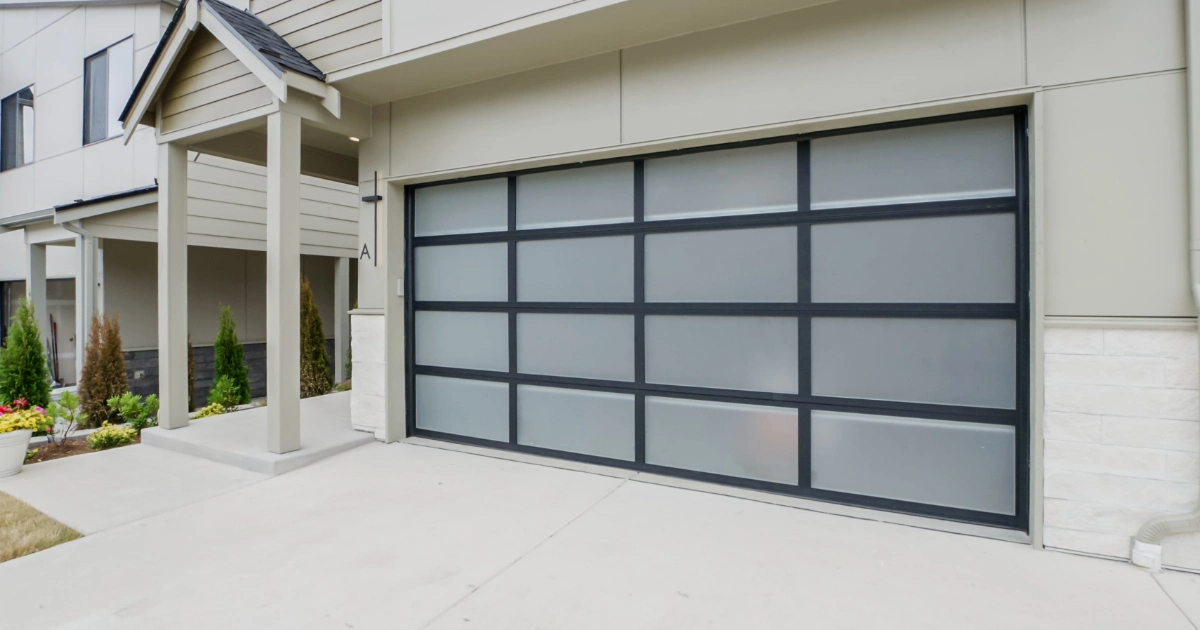
Garages are important in both townhomes and single-family homes. That’s not new. But in townhomes, a private garage often plays a bigger role than buyers initially realize. It can change how the home functions, how organized it feels, and how comfortable daily routines become.

That’s why buyers looking at newly built townhomes for sale often pause when they see a private garage included. It’s not always something they were searching for at first — but it’s something many decide they don’t want to give up once they’ve experienced it.

Why the Garage Conversation Feels Different in Townhomes

Single-family homes and townhomes serve different needs. Single-family homes usually offer more space overall, including larger yards and garages, but they also come with more responsibility. More upkeep. More time spent maintaining things outside the walls of the home. 

Townhomes are often chosen for a reason. Buyers want a home that feels intentional. Easier to maintain. Better located. Designed to support daily life without unnecessary extras.

In that context, a private garage becomes more than just expected parking. It becomes a space that helps townhome living feel complete.

When people talk about the benefits of living in a new townhome community, they often mention convenience and simplicity. A private garage fits naturally into that mindset. It gives homeowners a place that’s theirs — functional, flexible, and quietly helpful.

How a Private Garage Shows Up in Everyday Life

The value of a private garage isn’t dramatic. It shows up in small, regular moments.

Pulling into your own space at the end of the day instead of circling for parking. Carrying groceries straight inside without worrying about weather. Leaving early in the morning without navigating shared lots or loading everything by hand.

Many townhomes with garage include direct access from the garage into the home. That simple connection changes how the house feels. It adds privacy. It adds comfort. It makes coming and going easier without really calling attention to itself.

More Than Storage — But Storage Still Matters

Storage is one of those things people underestimate until they don’t have enough of it.

Closets fill quickly. Spare rooms turn into catch-all spaces. Items that don’t belong in the living area start to creep into corners where they don’t quite fit.

A private garage helps prevent that.

It gives homeowners a place for things that matter but don’t need to be front and center — seasonal decorations, outdoor equipment, tools, luggage, hobby gear. Instead of sacrificing living space, the garage absorbs the overflow.

That’s a big reason buyers searching for townhomes with private garage often feel more comfortable with their decision long after move-in.

Protecting What You’ve Invested In

For most households, vehicles and personal equipment represent real investments. A private garage offers a more controlled place to store those items.

Parking indoors can help limit exposure to weather and debris. It can also offer peace of mind about where belongings are kept day to day.

No space can guarantee protection, but many homeowners value having a private, enclosed area they can manage themselves.

Privacy Without Losing the Community Feel

One of the reasons people choose townhomes is the sense of neighborhood. Homes are closer. Streets feel active. Shared spaces are designed to encourage connection.

At the same time, homeowners still want privacy in their daily routines.

A private garage helps create that balance. It reduces shared foot traffic near the home and provides a personal entry point that feels separate from common areas. It allows townhome living to feel connected without feeling crowded.

Flexibility That Becomes More Valuable Over Time

How you plan your home space today may not be the same you need a few years from now.

A garage can evolve from simple storage to later support new hobbies, fitness routines, family needs, or work-from-home and many other possibilities as per the personal need. It adapts without requiring major changes to the rest of the house.

That kind of flexibility is one reason garages continue to be in demand while looking for newly built townhomes for sale.

Townhomes and Single-Family Homes: Different Priorities, Shared Value

Garages matter in both housing types. The difference is how they’re used.

In single-family homes, garages are often larger and paired with more outdoor space — along with more maintenance responsibility. In townhomes, the garage offers personal space while preserving the lower-maintenance lifestyle buyers are often seeking.

For many people, townhomes with garage for sale strike a comfortable middle ground. Enough space to support everyday life, without taking on more upkeep than they want.

Designed for the Way People Actually Live

Today’s townhomes are designed with real routines in mind.

Instead of being an afterthought, garages are built into the plans. In many townhomes with a private garage, the garage connects naturally to the main living areas, which makes it easy to move around the house every day.

That design shows how people live these days, trying to find a balance between comfort and efficiency while still being busy.

What to Ask During Your Home Search?

If a private garage matters to you, it helps to ask a few practical questions as you tour homes:

  • Type of the garage: attached or detached?
  • Is there a direct way to the home?
  • How much usable storage space is there?
  • Are there HOA guidelines on garage use?

These details can make a difference in how the home supports your routine long-term.

A Feature You Appreciate More After Move-In

Garages don’t usually steal the spotlight during a tour. But once homeowners settle in, that space often becomes one of the most relied-on parts of the home.

It supports daily routines. It helps keep living spaces organized. And in townhomes especially, it adds a sense of completeness that buyers often didn’t realize they were looking for.

Finding the Right Home for the Way You Live 

At MSR Communities, we build both townhomes and single-family homes because we understand that every buyer’s needs are different. What matters most is how a home fits into your life — not just on day one, but over time. 

If you’re exploring townhomes with garages near you, comparing townhomes with private garage options, or looking at single-family homes with garages, it’s worth paying attention to how that garage supports your daily rhythm. 

Sometimes, the most practical features are the ones that end up meaning the most.

Explore Homes Designed Around Real Life 

If a private garage feels important in your next home, we invite you to explore MSR Communities’ homes for sale. Our homes are thoughtfully designed to balance comfort, function, and community — always with the homeowner’s experience at the center.

Buying a New Construction Home: The Pros and Cons

Buying a New Construction Home: The Pros and Cons

Sometimes, it’s not the size of the home that makes you stop and look twice.

It’s the cabinet color you didn’t know you wanted until you saw it.
The way the kitchen opens into the living room, just enough to feel connected but not crowded. Or the idea that every room is untouched—waiting for your furniture, your routines, your life.

That feeling is often what brings people to a new construction home for sale. 

It’s not just about something being new. It’s about possibility.

Still, buying a home—especially a brand-new one—isn’t a decision most people make lightly. There’s excitement, sure. But there are also questions, comparisons, and a fair amount of “what if.”

This guide is here to walk you through both, honestly and thoughtfully—so you can decide what feels right for you.

What Does “New Construction” Really Mean?

A new construction home is exactly what it sounds like: a home that has never been lived in before. It may already be completed and move-in ready, or it may still be under construction (pre-sale), giving buyers a chance to personalise finishes and layouts. 

These homes come in many styles and formats, including: 

What they all share is this: they’re built for how people live today, not how homes were designed decades ago.

Why So Many Buyers Start With New Construction

There’s a reason many buyers begin their search by looking at brand new construction homes.

For some, it’s about avoiding surprises. For others, it’s about modern design, energy efficiency, or simply wanting a space that hasn’t already been shaped by someone else’s choices.

Especially for first-time buyers, new construction can feel more straightforward. There’s comfort in knowing the roof is new, the systems are updated, and the layout was designed for today’s lifestyles.

But comfort doesn’t mean perfection—and that’s where understanding both the pros and cons really matters.

The Advantages of Buying a New House

1. Homes Designed for Real Life Today

One of the biggest advantages of buying a new house is how it’s designed.

New homes tend to reflect the way people actually live now:

  • Open kitchens that connect to living spaces
  • Rooms that flex between work, rest, and play
  • Storage that’s thoughtfully planned, not added as an afterthought

Instead of working around walls or layouts that no longer make sense, many buyers appreciate how natural and usable new spaces feel from day one.

2. The Ability to Make It Yours From the Start

Depending on when you buy, you may be able to choose finishes that match your taste—things like flooring, countertops, cabinet colors, or even parts of the floor plan.

That choice can feel empowering. Instead of changing a home later, you’re shaping it early.

And while customization isn’t unlimited, even small decisions—like the tone of the cabinets or the feel of the flooring—can help a home feel personal in a meaningful way.

3. Lower Maintenance at the Beginning

Another commonly recognized advantage of new construction is peace of mind—at least in the early years.

With a new home:

  • Systems are new
  • Appliances are new
  • Materials meet current building standards

This doesn’t mean maintenance disappears, but it often means fewer immediate repairs. For many buyers, especially those purchasing new homes as first-time buyers, that predictability can ease a lot of stress.

4. Energy Efficiency and Comfort

New construction homes are built to current standards, which often means better insulation, newer systems, and more consistent temperatures throughout the home.

While energy savings depend on many factors, a lot of homeowners notice that newer homes simply feel more comfortable day to day.

5. Communities That Are Planned, Not Random

Many new homes for sale are in communities that were built all at once, not over time.

That usually means streets that people can walk on, green spaces that everyone can use, and neighborhoods that bring people together. It’s not just the house, but also the area around it.

That sense of place is important at MSR Communities. A home should feel like it belongs where it is. 

6. Builder Warranties

Most new homes come with some kind of warranty. Many buyers like having that extra layer of security in the first few years of ownership, even though the specifics may vary.

The Disadvantages of Buying a New House (And Why Many Buyers Still Choose It)

There is no perfect choice. But considering negatives also helps you make better choices.

  1. Upfront Costs Can Be Higher: In some markets, new homes cost more at first than older homes that are being sold again. Land costs, materials, and modern features all play a role. Some buyers, on the other hand, think that the balance changes over time when fewer repairs and updates are needed.
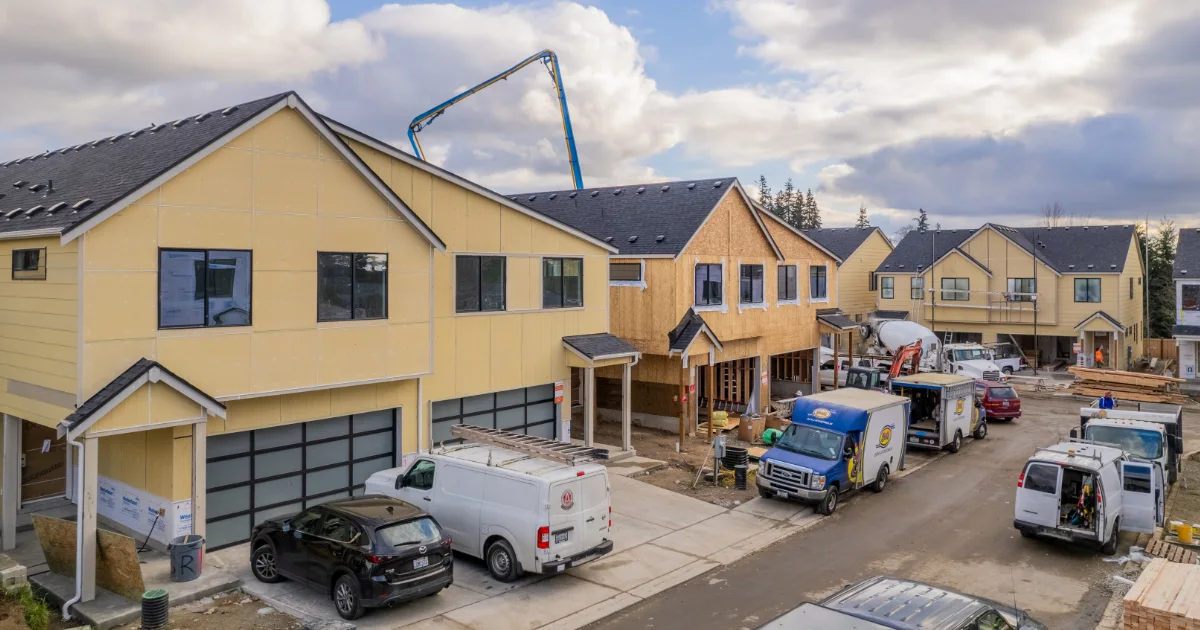
  2. Waiting Takes Patience: If your home is still being built, timelines can shift. Things happen with the weather. Materials get delayed. Plans change.

For buyers who need a specific move-in date, this can be a little inconvenient. For others, the wait feels worth it for a home built specifically for them.

  • Neighborhoods Take Time to Feel “Finished”

New communities grow in phases. Trees mature. Amenities come online gradually. Construction may continue nearby for a while.

Some people enjoy watching a neighborhood come to life. Others prefer an area that’s already fully established. Neither preference is wrong.

  • Some Features Come Later: Things like fencing, patios, or upgraded landscaping may not be included upfront. Planning for these future additions is part of owning a new home.
  • New Construction and First-Time Buyers: For many first-time buyers, new construction feels more approachable.

There’s comfort in knowing what you’re getting. Relief in fewer immediate fixes. And clarity in pricing and features.

That said, it’s still important to plan carefully for things like property taxes, HOA fees, and long-term affordability.

Having the right guidance makes a difference here.

Newly Built Townhomes or Single-Family Homes?

When deciding between single family homes for sale and newly built townhomes for sale, it often comes down to lifestyle.

  • People who want more space, privacy, or a yard usually like single-family homes.
  • Townhomes often work well for buyers who prefer less exterior maintenance and a more connected community feel.

Both can be great options. It’s about what fits your day-to-day life.

So… Are the Pros Worth the Cons?

For many buyers, yes.

While there are trade-offs, the advantages of buying a new house often outweigh the drawbacks—especially for people who value modern design, predictability, and the chance to make a home their own from the start.

More than anything, it comes down to this:

  • This is the place where you’ll spend most of your life.
  • Where mornings begin and evenings end.
  • Where routines form and memories grow.

That matters.

A Thoughtful Next Step 

At MSR Communities, we believe homes should feel personal, not transactional. 

If you’re exploring brand new construction homes, whether you’re interested in single family homes for sale or newly built townhomes for sale, we invite you to explore our communities. Every home is designed with real life in mind—so you can focus less on the house itself and more on the life you’ll live inside it. 

Take a look at our homes for sale and see how MSR Communities helps turn everyday living into something meaningful.