Trio at Inglewood Pre-Sale: Quick Tour & Buying Insights

Trio at Inglewood Pre-Sale: Quick Tour & Buying Insights

There’s something special about Kenmore that’s hard to explain until you spend time here.

It’s in the quiet mornings near Lake Washington, where nature and everyday convenience exist in perfect balance. For many people, Kenmore isn’t just a place to live—it’s a place where life feels more grounded.

That feeling is what inspired Trio at Inglewood, a small collection of newly built single-family homes designed for people who want more than just square footage. These homes are for those thinking about how they’ll live—not just today, but years from now.

If you’ve been searching for pre selling homes for sale in Kenmore, WA, this guide is meant to help you understand what makes Trio at Inglewood unique—and whether it might be the right fit for your next chapter.

A Thoughtful Addition to the Kenmore Community

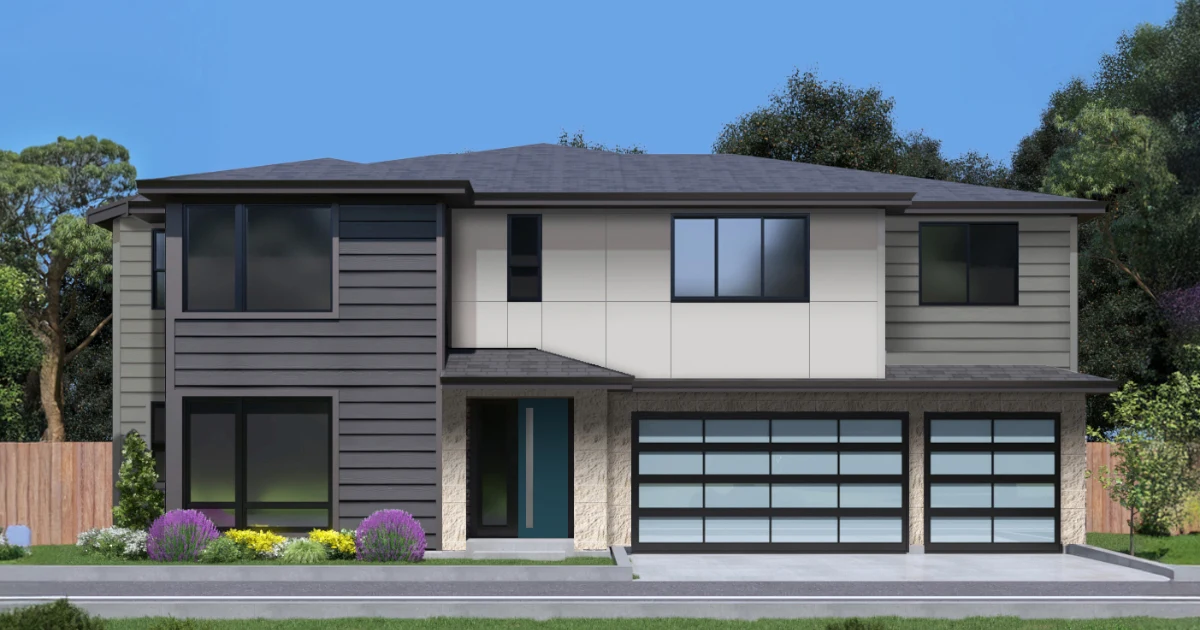
Trio at Inglewood is an intimate community of three luxury single-family homes, located near Inglewood Golf Club and Lake Washington. Rather than being part of a large development, these homes were intentionally designed as a small, boutique offering—giving buyers a sense of privacy, space, and individuality.

Each home includes:

  • Approximately 3,781–3,813 square feet
  • 5 bedrooms
  • 4 bathrooms
  • A 3-car garage
  • Fully fenced lots over 6,700 square feet

What stands out most, though, isn’t just the size—it’s how the homes are laid out and how easily they support everyday life.

Why Buyers Are Drawn to Kenmore, WA

For buyers looking at single-family homes for sale or new homes for sale, Kenmore often rises to the top of the list for good reason.

A Location That Feels Balanced

Kenmore offers a rare mix of calm and connection. You’re close to outdoor spaces like parks, trails, and the lake, but you’re also within reach of major routes like I-405 and Highway 522. That makes daily commutes, school drop-offs, and weekend plans easier to manage.

A Strong Sense of Community

The area is part of the Northshore School District, known for its commitment to education. Add nearby recreation, local shops, and neighborhood events, and Kenmore feels like a place where people truly settle in—not just pass through.

Limited New Construction

Newly built homes are less common in this area, which makes communities like Trio at Inglewood especially appealing for buyers who want modern design without giving up location.

What It Means to Buy a Pre-Sale Home

If you’re new to the idea of pre-sales, you’re not alone. Many buyers searching pre-selling homes near me are simply trying to understand how the process works.

A pre-sale home is typically purchased before construction is fully complete. Buyers review floor plans, design details, and timelines to understand what the finished home will look like.

While every experience is different, pre-sale buyers often appreciate:

The chance to understand the home’s design from the beginning

Early access to limited inventory

The possibility of selecting finishes, depending on timing

As with any purchase, it’s important to review details carefully and work with professionals who can guide you through the process.

Homes Built for How People Really Live

One of the best things about Trio at Inglewood is how well-planned the homes are. These new construction homes are made to adopt the changing needs, and long-term comfort.

You will find the following in all three floor plans:

  • A bedroom and bathroom on the main level
  • Living spaces that are open and connected
  • Quiet places to rest and be alone
  • Rooms that can change as your life changes

Let’s look at each plan in more detail.

Plan 3781: Easy to live in, comfortable, and balanced

3,781 square feet, 5 bedrooms, 4 bathrooms, and a 3-car garage

From the moment you walk in, Plan 3781 feels like home.

Entry Level: Easy Flow, Everyday Comfort

The entry floor starts with a welcoming foyer that leads right into the heart of the house. The kitchen, dining room, and great room are all connected, but it doesn’t feel too busy. You can cook, talk, relax, and host without feeling like you’re in a crowded space.

The kitchen includes under-cabinet lighting and toe-kick lighting, small details that make a noticeable difference during early mornings or quiet evenings.

One of the most valued features of this floor plan is the entry-level guest suite with a full bathroom—perfect for multigenerational living. Making it ideal for visiting family, long-term guests, or even a private home office. It offers flexibility without forcing future changes.

Upper Level: Space to Unwind

Upstairs, the home shifts into a quieter, more personal zone. The primary bedroom feels calm and private, with a bathroom designed for everyday ease—including a jetted tub and bidet.

Additional bedrooms are thoughtfully sized and placed, and the bonus room offers extra flexibility. It could be a playroom, a media space, or simply a place to relax at the end of the day.

Plan 3781 Summed up:
It feels balanced. Nothing feels wasted, and nothing feels cramped. It’s a layout that works well for many stages of life.

Plan 3813 Summed up: Open, Light-Filled, and Welcoming

Plan 3813 encourages openness while still making it clear where shared and private spaces are.

The main level is a place to meet

The kitchen, dining room, and great room all flow together in an open and bright living area. The house gets a lot of natural light from the big windows and the fact that it has a patio. This makes it feel like it’s connected to the outside.

The main-level bedroom and bath are positioned to offer privacy, making them ideal for guests or extended family.

The kitchen is designed to be as functional as it is beautiful. It offers generous workspace, smart lighting, and clear sightlines so you can stay connected while cooking or entertaining.

Upper Level: Flexible and Functional

Upstairs, the primary suite provides a peaceful retreat, while the additional bedrooms and bonus room support a wide range of needs—from working at home to movie nights or homework time.

An open-to-below feature adds visual interest and allows light to move through the home, giving it an airy, connected feel.

Why buyers often like Plan 3813:
It feels open without feeling exposed. It’s especially appealing for people who enjoy hosting or spending time together at home.

Plan 3813-R: A Familiar Layout with a Fresh Perspective

Approx. 3,813 sq. ft. | 5 Beds | 4 Baths | 3-Car Garage

Plan 3813-R offers the same thoughtful design as Plan 3813, but with a reversed orientation.

Main Level: Designed to Fit the Lot

The reversed layout allows the home to respond differently to light, privacy, and outdoor space. While the rooms remain familiar, the experience of moving through the home feels slightly different—sometimes making a big difference depending on personal preference.

Upper Level: Consistency You Can Trust

The upstairs layout mirrors Plan 3813, with a comfortable primary suite, flexible bonus room, and well-placed bedrooms and laundry.

Why buyers often like Plan 3813-R:
It offers the same functionality as Plan 3813 while giving buyers an option that may better suit the lot or their lifestyle.

Living Across Generations—Now and Later

Trio at Inglewood’s floor plan better fits the mindset for multigenerational living.

With bedrooms and bathrooms on both levels, these homes can support:

  • Aging parents who prefer fewer stairs
  • Adult children living at home
  • Long-term guests

The layouts allow people to live together while still maintaining independence and privacy.

Modern Features That Support Daily Life

These homes include features that are modern and practical:

  • Ring doorbell systems
  • EV charger readiness
  • Thoughtful lighting throughout the home

They’re designed to support how people live today while remaining adaptable for the future.

Outdoor Space That Feels Usable

Each home sits on a fully fenced lot over 6,700 square feet. That extra space allows for gardening, play, relaxation, or entertaining—without feeling exposed.

It’s space that feels intentional, not leftover.

First-Time Home Buyer Tips

If you’re seeking guidance for first-time home buyers, it’s important to understand that new construction home, with its modern systems and layouts that align with today’s lifestyles, can provide you with a sense of confidence.

That being said, each buyer’s journey is unique. Always work with people who know what they’re doing and look over all the details carefully.

Is Trio at Inglewood the right place for you?

Trio at Inglewood is a set of 3 well-planned single-family homes just minutes from Kenmore. It feels tucked away and private, yet still close to the places you rely on every day. Inside, the homes are designed with flexibility in mind—spaces that can shift as life does, whether that means welcoming family, setting up a home office, or adjusting to new routines over time.

The community itself is what really stands out. The neighborhood is intentionally small, which makes it feel more personal and quiet. The streets aren’t meant to handle a lot of traffic; they’re meant for everyday life. There is a clear feeling that this is a place that will age well, with a focus on comfort and livability rather than trends. You can easily picture yourself living here and feeling at home.

Discover the homes for sale at Trio at Inglewood.

If you’re looking for homes for sale in KenmoreWA, Trio at Inglewood is a rare chance to live in a modern home in a place that feels personal and well thought out.

We encourage you to explore each home, check out the floor plans, and see if Trio at Inglewood fits with the life you want to live. 


Twin Springs: A Thoughtful New Community of Single-Family Homes in Kenmore, WA

Twin Springs: A Thoughtful New Community of Single-Family Homes in Kenmore, WA

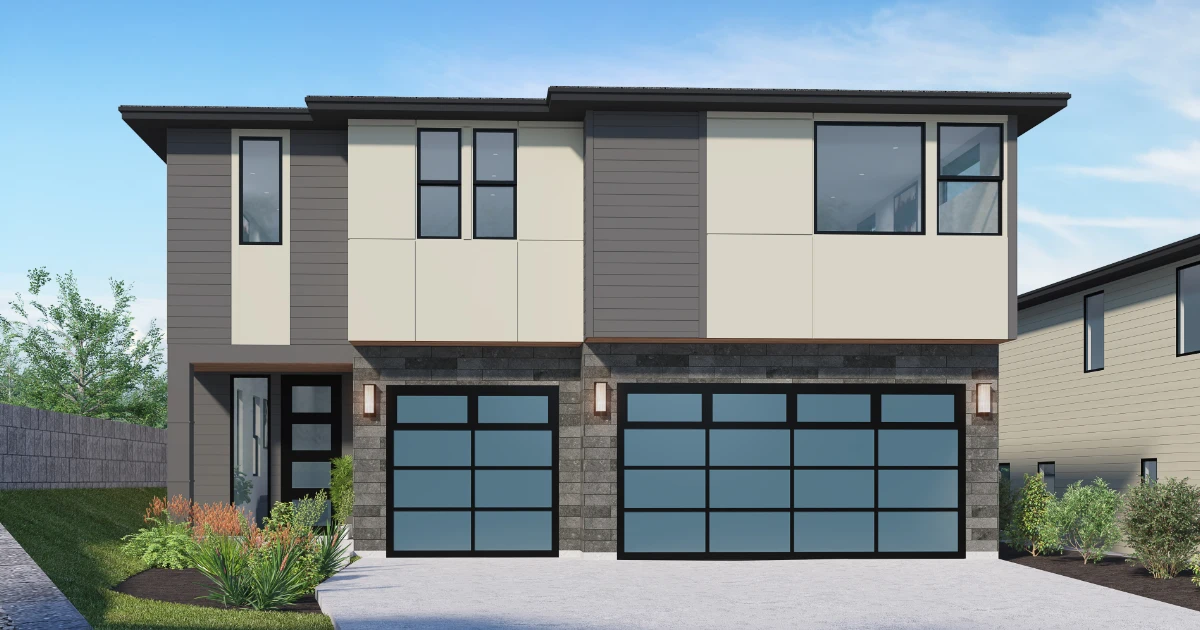
There’s a certain feeling you get when you wander through a newly built home. It sparks those small daydreams—imagining where your favorite chair might go, how the sunlight will fill your living room, or what quiet evenings might look like in a place that’s truly your own. Twin Springs brings those possibilities to life. Nestled in a peaceful corner of Kenmore, WA, this intimate community of five homes offers future homeowners a chance to begin fresh in a setting that feels calm, comfortable, and genuinely welcoming.

These homes are modern, comfortable, and designed with real people in mind. If you’ve been searching for new construction single family homes, or browsing online for single family homes for sale near me, Twin Springs offers something worth taking a closer look at. The community blends modern design with thoughtful details, creating a place where everyday living feels easier and more enjoyable.

As pre-sales approach, buyers have the chance to get an early look at a small neighborhood built with care—homes that feel personal, not mass-produced. And if you’ve been waiting for new homes for sale in Kenmore WA, Twin Springs might be the opportunity that fits both your needs and your lifestyle.

A Small Community with a Big Focus on Quality

Twin Springs isn’t a large development. It’s intentionally small. Just five new single-family homes, each with its own layout, character, and thoughtful design choices. Keeping the community small allows each home to stand out while still fitting into a cohesive and attractive neighborhood.

MSR Communities designed Twin Springs with homeowners in mind—people who want comfort, flexibility, and a newly built home that supports daily life rather than complicates it. There’s nothing flashy just for the sake of it. Every feature has a purpose. Every space feels like it belongs. That’s the heart of MSR’s approach: a warm, attentive design that feels confident but not overdone.

What Every Home Includes

Even though each home plan is unique, all five homes share the same core features, which creates a sense of familiarity throughout the community. Every Twin Springs home includes:

  • 5 bedrooms
  • 3.5 bathrooms
  • A guest suite on the main floor
  • A bright, open kitchen with a walk-in pantry
  • An upstairs bonus room
  • A spacious primary suite
  • Covered outdoor living areas
  • 2- or 3-car garages depending on the plan

These features weren’t chosen at random. They’re the things most homebuyers ask for when looking for new single-family homes for sale. Whether you work from home, host dinners, have a busy household, or simply want room to grow, the layouts here support that flexibility.

Where Twin Springs Is Located

Address: 19806 76th Ave NE, Kenmore, WA

The location is one of the strongest parts of this community. Kenmore sits comfortably between Seattle and the Eastside, making it a convenient home base for many different lifestyles. Whether you commute daily or only occasionally, you’re close to several major job centers—Seattle, Bellevue, Kirkland, Redmond, and Bothell.

But even with that convenience, Kenmore still feels relaxed. It has a quieter pace, tree-lined streets, and a local charm that people tend to fall in love with.

Why Buyers Choose Kenmore

Here are a few reasons more buyers are looking for new homes for sale in Kenmore WA:

1. Close to major employment hubs

Professionals working in tech, education, healthcare, biotech, and many other industries find Kenmore to be a comfortable middle point. You’re close enough to commute but far enough to feel like you can step away from the busy energy of the big cities.

2. Strong public schools

Kenmore is part of the Northshore School District, which many families seek out for its academic programs and community support.

* (School boundaries may shift, so buyers should verify directly with the district.)

3. Easy access to outdoor recreation

If you love going outside, Kenmore is a great match. You’ll find:

  • The Burke-Gilman Trail
  • Log Boom Park and Lake Washington access
  • Saint Edward State Park
  • Neighborhood parks and open spaces

Whether you enjoy cycling, running, paddle boarding, or just taking in the fresh air, Kenmore has plenty to explore.

4. Everyday errands are simple

Grocery stores, local cafés, fitness studios, breweries, and small businesses are all nearby. Kenmore continues to grow, adding new places to eat, shop, and gather.

A Look at the Five Homes in Twin Springs

Twin Springs is arranged around a quiet cul-de-sac, eliminating through-traffic and giving the neighborhood a cozy, tucked-away feel. Each home sits in a way that makes sense—plenty of light, comfortable spacing, and functional yards.

Here’s how the homes break down:

  • Lot 1 – Plan 3642
  • Lot 2 – Plan 3777
  • Lot 3 – Plan 3819
  • Lot 4 and 5 – Plan 3777-R

Below is a closer look at each plan.

Plan 3642 – Lot 1

3,642 sq. ft. | 5 Bedrooms | 3.5 Baths | 2-Car Garage

Plan 3642 is designed for buyers who want to balance—open social spaces paired with quiet corners for work, study, or rest. The layout feels open but is not overwhelming.

Main Level Highlights

  • A full guest suite, perfect for long-term visitors or multigenerational living
  • Open great room connected to dining and kitchen
  • A walk-in pantry
  • A dedicated office
  • A covered deck
  • Practical mud room

The flow makes everyday life feel smooth, whether you’re preparing dinner, working from home, or spending time with guests.

Upper-Level Highlights

  • A peaceful primary suite with a spa-style bathroom
  • Three additional bedrooms (one with its own bath)
  • A spacious bonus room
  • Laundry room located near all bedrooms

Everything feels close and convenient on the upper level.

Plan 3777 – Lots 2, 4, and 5

3,777 sq. ft. | 5 Bedrooms | 3.5 Baths | 3-Car Garage

Plan 3777 adds a bit more room—especially storage space— the 3-car garage and larger footprint.

Main Level Highlights

  • Main-floor guest suite
  • Large walk-in pantry
  • Open kitchen, dining, and great room
  • Flex room near the entry
  • Covered deck
  • Mud room connected to the garage

If you enjoy hosting or want room to spread out, this plan offers a little more breathing room.

Upper-Level Highlights

  • Spacious primary suite
  • Open-to-below feature, which adds natural light
  • Three more bedrooms (one en-suite)
  • Large bonus room
  • Laundry room upstairs

Buyers who want to open living spaces with clear definition between rooms tend to gravitate toward this plan.

Plan 3819 – Lot 3

3,819 sq. ft. | 5 Bedrooms | 3.5 Baths | 3-Car Garage

Plan 3819 is the largest home in the community. It’s a great match for households that want generous gathering areas, multiple living spaces, and plenty of storage.

Main Level Highlights

  • A bright, open great room
  • Large kitchen with island seating
  • Guest suite with private bath
  • A flexible front living room
  • Covered patio
  • 3-car garage

There’s room for both everyday routines and special occasions.

Upper-Level Highlights

  • Spacious primary suite
  • Bonus room
  • Three additional bedrooms, including an en-suite
  • Laundry room near the bedrooms

This plan offers space without feeling overwhelmed.

Why Many Buyers Prefer New Construction

Many people searching for new construction single-family homes appreciates the peace of mind and comfort that comes with a home that’s newly built. Modern layouts, fresher materials, and updated systems offer benefits you don’t always get in older homes.

Here are a few reasons new construction appeals to buyers:

1. Better flow and flexible spaces

Open kitchens, larger pantries, bonus rooms, and main-floor suites fit the needs of today’s households.

2. Modern materials and building systems*

These can make homes quieter, more comfortable, and more efficient.
(*Specifications vary per home.)

3. Lower early maintenance*

Older homes sometimes need repairs early on. New homes generally give buyers a smoother start.
(*Maintenance needs vary.)

4. Potential personalization

Depending on timing, buyers may have the chance to explore available finishes.

5. Smart Home Features That Make Life Easier

Twin Springs includes a few modern touches designed to make everyday living feel a little smoother. Nothing complicated—just the kind of features most people end up wishing they had.

Each home comes with a Ring doorbell, so you can see who’s at the door whether you’re upstairs, at work, or out running errands. Inside, CAT6 wiring helps keep your internet quick and dependable, which is a big help if you work from home, stream movies, or have a house full of devices. And with an EV-charger rough-in already in place, adding a charger for an electric car down the road is simple and stress-free.

These small details don’t shout for attention, but they quietly make your home more comfortable, connected, and ready for the future.

For buyers searching for new single-family homes for sale, these advantages often make new construction a strong choice.

Living in Kenmore

Kenmore continues to attract homebuyers who want the best of the Northwest—trees, water, trails, and easy access to bigger cities. It’s a place where people enjoy the outdoors, connect with their neighbors, and still have the convenience of nearby amenities.

The blend of nature and community is a big reason many buyers specifically search for new homes for sale in Kenmore, WA. It’s a city that feels grounded and comfortable, with pockets of growth and opportunity unfolding in a thoughtful way.

Key Highlights

If you’re beginning your search for single-family homes for sale or simply exploring what new construction offers, Twin Springs is the kind of place that might quietly check every box.

Reflecting the same standard seen in MSR Communities’ earlier neighborhoods, Twin Springs brings together natural light, durable high-quality materials, and layouts that feel modern, welcoming, and genuinely comfortable to live in. Each home is crafted with long-term ease in mind, creating a place where daily routines unfold naturally and the space simply feels good from the moment you step inside. 

Pre-sale opportunities are coming soon, and floor plans are now available to explore. If you’d like an early look—or want to stay updated as release dates and pricing roll out—this is a great time to see which home design feels like the right fit for you. 

What does it mean to have a mortgage with an adjustable rate?

What does it mean to have a mortgage with an adjustable rate?

An adjustable rate mortgage (ARM) is a type of home loan in which the interest rate changes every so often, usually after a set amount of time. ARMs are based on how the market is doing and can change over time. With fixed-rate mortgages, the interest rate stays the same for the life of the loan.

You should know what ARMs are if you’re thinking about getting a mortgage for a new house or comparing fixed-rate and adjustable-rate mortgages. This guide explains how adjustable rate mortgages (ARMs) work, what their pros and cons are, and how to find the best ones for your needs.

How to Figure Out Adjustable Rate Mortgage Rates

An ARM has a lower interest rate at the beginning than a fixed-rate loan. This first rate is usually set in stone for a set amount of time, which is usually three, five, seven, or ten years. After that, the terms of the loan can change. This means that the interest rates on adjustable mortgages change based on a benchmark index, such as the Secured Overnight Financing Rate (SOFR) or the U.S. Treasury rate.

For example, a 5/1 ARM means that the loan’s interest rate stays the same for the first five years and then changes every year. To find the adjustment, add a margin (given by the lender) to the index rate. There are usually limits in place to keep the rate from going up too much at each adjustment and over the life of the loan.

Fixed Rate vs. Adjustable Rate Home Loan

The main difference between fixed-rate and adjustable-rate mortgages is how easy it is to guess what will happen. With a fixed-rate mortgage, your monthly payments stay the same for 15, 20, or 30 years. This keeps them stable. ARMs, on the other hand, have lower initial payments but the risk of higher payments later on.

A fixed-rate mortgage is a good choice for people who want to stay in their homes for a long time and value stability. An adjustable rate mortgage is a better choice if you plan to move, refinance, or sell before the adjustment period starts. If you buy a new home and want to move up in five years, for example, an ARM could save you money over the first few years. A fixed-rate loan would be better if you want to live there for a long time, though.

The Best Adjustable Rate Mortgages

The best adjustable rate mortgages are those that are both safe and affordable. Buyers should choose ARMs with low initial rates because these lower payments during the fixed period. It’s also important to have reasonable margins because when rates go up or down, smaller margins mean smaller changes. There are limits on how much rates can go up, both every year and over the life of the loan. Finally, lenders should be honest about how they set and change rates.

Lenders often sell ARMs to people who are buying new homes because the lower initial payments can make bigger homes more affordable. You should look at offers from banks, credit unions, and mortgage brokers to get the best deal.

How adjustable-rate mortgages work

Economic indexes affect the interest rates on adjustable-rate mortgages. Your mortgage rate goes up when the benchmark index goes up and down when it goes down. This means that the amount you pay each month can change a lot over time.

If your ARM is tied to the Treasury index and rates go up by one percent, your mortgage rate will go up by that amount plus the lender’s margin. But if rates go down, your payments might go down too. It can be helpful when rates are going down, but it can be risky when rates are going up.

Rates for ARMs and new construction home loans

Builders often talk about new construction home mortgage rates with ARMs because they make homes that cost more reasonable in the first few years. While the house is being built and for the first few months after they move in, buyers pay less.

For instance, a buyer who chooses a 7/1 ARM for a $600,000 new construction home may have payments that are much lower for seven years. If they plan to sell or refinance before the adjustment period, they don’t have to worry about rates going up. Many buyers use this method when they think they will be moving jobs, changing families, or getting better things soon.

Pros of Mortgages with Changing Rates

There are a lot of good things about ARMs. The best thing about them is that the first payments are cheaper because the rates for the first few months are usually lower than those for fixed-rate loans. This makes them attractive to buyers who want to get the best deal they can right away. ARMs are also flexible, so they’re great for people who don’t plan to stay for a long time. You might also be able to save money, which is another possible benefit. Your payments could go down if market rates go down. Finally, ARMs can help you get a mortgage on a bigger home or a new property because they lower your monthly payments, which gives you more money to spend.

What You Should Know About Adjustable Rate Mortgages

But there are also risks that come with ARMs. The biggest worry is not knowing how much you’ll have to pay because rates can go up and make monthly payments higher. Another worry is that payments are based on things you can’t control in the market. It can also be hard to understand the terms of ARMs because they have margins, limits, and indexes. Lastly, many buyers think they need to refinance before things change, but this may not always be possible if rates go up or credit conditions change. These risks show how important it is to carefully look at both fixed-rate and adjustable-rate mortgage options.

Who Should Consider an ARM?

ARMs are good for buyers who want to sell or refinance during the fixed-rate period. They are especially attractive to investors who buy rental properties with short-term goals because lower payments improve cash flow. Families who buy new homes with plans to remodel them soon may also benefit, since ARMs make the homes affordable for the first few years. Lastly, ARMs are a good choice for people who are sure they can handle the possibility of higher payments.

If you don’t want to take risks or want to stay for a long time, fixed-rate loans might be the best choice for you. But ARMs can be good if you want more choices and lower starting costs.

For instance: A Comparison of ARM and Fixed Rate

Imagine that two people buy a house for $500,000. Buyer A chooses a 30-year fixed-rate mortgage with an interest rate of 6.5%. They pay about $3,160 every month. Buyer B chooses a 5/1 ARM with a 5.25% interest rate. They have to pay $2,760 a month for the first five years. After that, the rate goes up every year. If rates go up to 7%, they might have to pay $3,330 more.

This example shows the trade-off between stability and possible savings when you compare fixed-rate and adjustable-rate mortgages.

How to Find the Best Adjustable Rate Mortgages

To get the best adjustable rate mortgages, think about your schedule, the state of the market, the loan terms, and any incentives the builder might offer. Your schedule is important because ARMs work best if you plan to move or refinance before the rates go up. Knowing what the market is going to do is important because rates that go up can make payments go up, and rates that go down can make payments go down. Your loan terms, such as caps, margins, and indices, determine how much your payments can change. Builder incentives, especially for new construction house mortgage rates, could make ARMs more attractive.

To get the best rates, you should talk to mortgage consultants and look at a few different lenders.

Current Market for Adjustable Rate Mortgages

ARMs are becoming popular again in 2025 because fixed mortgage rates are going up. A lot of buyers want lower initial rates, especially on new homes. But it’s more important than ever to know the risks of adjustable mortgage interest rates right now because the economy is so unstable. Buyers should think about how much money they could save and how much their payments might go up in the future.

Final Thoughts

An adjustable rate mortgage is a good choice for people who want to buy a new home because it is flexible, has lower initial payments, and is easy to get. But it also has risks that come with changes in the market. Buyers can make smart choices by learning about adjustable rate mortgage rates, comparing fixed rate and adjustable rate mortgage options, and looking for the best adjustable rate mortgages.

At the end of the day, ARMs are not the same for everyone. They are best for people who want to stay in their home for a short time, are sure they can handle payments that change, and have a clear plan for refinancing or selling before the changes happen. For some people, fixed-rate loans may be the long-term solution they need to feel at ease.

How much earnest money do you need to buy a new home?

How much earnest money do you need to buy a new home?

It’s exciting to buy a new constructed home. You’re not simply buying a house; you’re putting money into a future that is created from the ground up to fit modern life. But before building starts or contracts are signed, there is one critical financial step: earnest money.

This tutorial will explain everything you need to know about earnest money when buying a house, including how much you need and what happens to it at closing. We’ll talk about what earnest money is used for in new construction, how it protects both buyers and builders, and what to look for in your earnest money agreement.

What Is the Money You Need to Buy a House?

Earnest money is like a good-faith deposit. It lets the builder or seller know that you really want to buy the house. When you sign a purchase agreement, you must put earnest money into an escrow account that is controlled by a third party who is not involved in the deal, like a title firm or lawyer.

Think of it as a promise to pay. Putting down earnest money shows that you’re not just looking around; you’re ready to go through with the deal. This payment is especially crucial for new construction homes because builders often start planning and putting money into the project as soon as contracts are signed.

How Much Money Do You Need Up Front?

The amount changes based on the builder, the region, and the state of the market. Most of the time, earnest money for a new construction home is between 1% and 5% of the buying price. If you were buying a $400,000 house, for example, you could put down between $4,000 and $20,000. In competitive markets, builders may ask for bigger deposits to make sure purchasers are serious. Some high-end builders or custom house projects may ask for much more, sometimes up to 10%. Your earnest money agreement will spell out the actual amount, so make sure you read it carefully.

Why earnest money is important for new construction

When builders construct a new home, they are taking on a lot of risk. They plan your work, materials, and time based on how committed you are. If you give them earnest money for new building, they will know you won’t just walk away.

Buyers also benefit from earnest money. It locks in the agreed-upon price and guarantees your spot in the building schedule. If the market is going up, this can save you thousands of dollars compared to waiting and buying later.

How to Put Down Earnest Money

After you sign the purchase contract, you need to put earnest money into an escrow account. This makes sure that the money is safe until closing. Escrow protects both sides: the builder knows you’re serious, and you know your money won’t be wasted.

Different ways to pay. Some buyers provide a check, while others send money directly. Always check the provisions of the escrow in your earnest money agreement to avoid fraud or misinterpretation.

What Happens to the Earnest Money When You Close?

A lot of buyers want to know what happens to earnest money when the deal is done. The good news is that earnest money isn’t an added cost; it goes toward your purchase. The deposit goes toward your down payment or closing expenses when you close. For instance, if you owe $20,000 as a down payment and have already put $10,000 in earnest money, you only need to deliver the last $10,000. Because of this, earnest money is a very important aspect of your total financing plan. It doesn’t get lost; it only moves from escrow to your property purchase.

The Agreement for Earnest Money

The terms of the deposit are spelled out in your earnest money agreement. It says how much is needed, when and how it must be paid, when it can be returned, and how it will be used at close. Agreements for new building often have conditions that must be met. You might be able to get your money back if the builder doesn’t finish the house on time or doesn’t follow the agreed-upon plans. On the other hand, the builder may keep the deposit if you back out without a good cause.

Returns and losses

One of the major worries customers have is that they may lose their good faith money. It depends on the conditions in your contract. If financing falls through despite your best efforts, if the builder doesn’t produce as promised, or if inspections show severe problems, you may be able to get your money back. If you change your mind without a good reason, miss dates in the agreement, or don’t get financing because you weren’t careful, you may lose your deposit. This is why it’s so important to read your earnest money agreement thoroughly. It keeps you from losing money you didn’t expect to.

Earnest Money vs. a Down Payment

A lot of purchasers mix up earnest money with a down payment. Even though both are part of the transaction, they have different uses. Earnest money is a deposit that shows you are serious about buying the house and is held in escrow until the closing. A down payment is a bigger payment paid at closing that lowers the loan amount. The money you put down as earnest money will eventually go toward your closing fees or down payment. So even though they are different, they work together to get the money.

How to Handle Earnest Money for New Construction

It’s important to make a budget early. Include earnest money in your savings strategy so that the deposit requirement doesn’t surprise you. It’s also vital to know what conditions you need to meet in order to get a refund. Working with renowned builders makes ensuring that contracts are clear and escrow processes are safe. Keeping records like receipts, contracts, and escrow confirmations gives you piece of mind. Lastly, don’t be afraid to ask questions. Knowing what earnest money is when buying a house and how it applies to your circumstance will help you feel more at ease during the process.

Earnest Money in Competitive Markets

In cities with a lot of demand, like Seattle, Austin, or Denver, builders may ask for bigger deposits. When there is a lot of competition, buyers generally want to know how much earnest money they need. In these situations, putting down additional earnest money might make your offer stronger and show that you are serious. But balance is very important. Don’t push yourself too much. Make sure the amount fits your budget and is safe because of the eventualities in your earnest money agreement.

Things People Get Wrong About Earnest Money

A lot of buyers think that earnest money is an added cost. In reality, it goes toward your purchase. Some people think it’s always refundable, but it depends on the terms of the contract. People also often think that earnest money is the same as a down payment. They are connected, yet they have different uses. Knowing these differences will help you confidently go through the procedure.

Why earnest money makes people trust you

At its heart, earnest money is a way for the buyer and builder to trust each other. This trust is important for new construction. Builders put in money and time long before you move in, and buyers put in money long before the property is finished. Putting down earnest money makes you a partner. Both sides know the other is serious, which lowers the risk and makes transactions go more smoothly.

Last Thoughts

It’s exciting to buy a new built home, but there are some special financial measures you need to do. Knowing what earnest money is when buying a house, how much you need, and what happens to it at closing will help you become ready.

The earnest money agreement is the plan for this process. It explains how earnest money for new building works, when it should be deposited, and when it might be returned.

In the end, earnest money is more than just a deposit; it’s a sign of commitment. It keeps builders safe, gives buyers peace of mind, and makes closings go smoothly. If you plan your budget intelligently, read contracts attentively, and ask the correct questions, you’ll be able to go through the process with confidence and receive the home of your dreams.

A Guide for Spring Color Trends for 2026 

Spring Color Trends

Spring whispers the promise of new beginnings, a time for casting off the winter blues and embracing the fresh energy of the season. But how can you bring that feeling of renewal indoors? The answer lies in the transformative power of color. The colors you choose for your home environment have a profound impact on the way you feel and experience your space. A well-chosen color palette can create a sense of calm and relaxation, invigorate your mood, or even boost your creativity. 
 
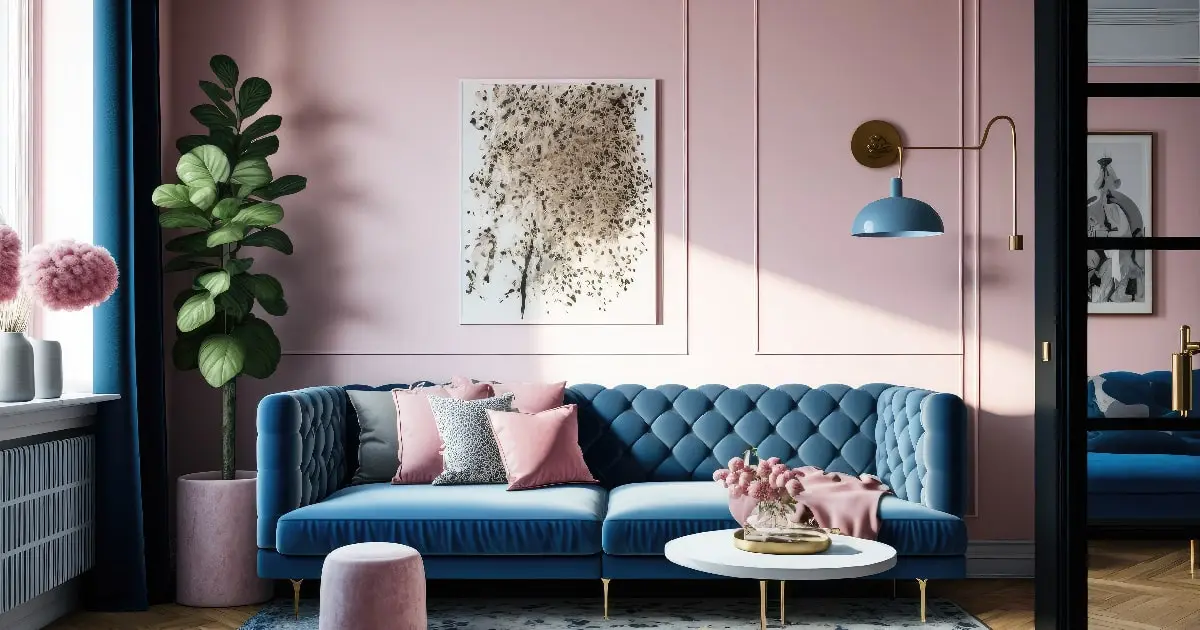
For example, soft pastels like baby pink, lavender, and mint green evoke feelings of tranquility, perfect for creating a relaxing sanctuary in your bedroom or bathroom. On the other hand, bright and bold colors like sunshine yellow, fuchsia, and electric blue energize and stimulate, ideal for a workspace or a room where you want to feel invigorated. 

This year, two distinct color trends are blossoming, offering a range of options to suit your style, whether you crave a calming retreat or a vibrant burst of energy. So, let’s delve into the top spring color trends for 2026 and explore how you can use them to transform your home into a sanctuary that reflects the joy and renewal of the season. 

1. Soft Pastels: A Breath of Fresh Air 


Imagine a gentle breeze carrying the delicate scent of blossoming flowers through open windows. This is the feeling soft pastels evoke. These calming colors, like baby pink, lavender, mint green, and a touch of sky blue, are reminiscent of spring’s first blooms. They create a serene atmosphere in any room, perfect for fostering relaxation and unwinding after a long day. Here are some specific trendy shades to consider:  
Pale Pink: This delicate shade evokes feelings of peace and romance. 
Lavender: A calming and soothing hue, perfect for promoting relaxation. 
Mint Green: Fresh and airy, mint green brings a hint of nature indoors. 
Glacial Blue: This soft, icy blue adds a touch of serenity and sophistication. 

Now, let’s explore how you can incorporate them into your home: 

Bringing the Tranquility of Spring Indoors: 

  • Living Room: Paint your walls in a soft pastel shade like pale lavender or calming mint green. Add pops of color with throw pillows in contrasting pastel hues, or incorporate artwork that features vibrant spring florals. Opt for light furniture in white or natural wood tones to further enhance the airy feel. 
  • Bedroom: Create a tranquil retreat that lulls you to sleep each night. Soft pastel walls in a calming sky blue or a delicate baby pink set the perfect stage for light, airy bedding in white or cream. Layer in sheer curtains that flutter gently in the breeze, adding a touch of romance and enhancing the feeling of serenity. 
  • Bathroom: Soft pastels are a natural choice for creating a spa-like feel for ultimate relaxation. Use them on walls or towels in calming shades like lavender or sage green. Pair these soft hues with chrome or nickel fixtures for a touch of elegance, creating a space that feels both sophisticated and serene. 

2. Embrace the Energy of Bright and Bold Colors 

Spring is not just about peaceful renewal; it’s also a burst of vibrant energy. If you’re looking for a color palette that reflects this invigorating energy, a bright and bold palette is perfect for you. This trend celebrates the season’s liveliness with colors that are anything but shy, like sunshine yellow, fuchsia, or electric blue. These bold hues are ideal for adding a touch of personality and a burst of cheer to any space.  

Here are some trending, bright and bold colors to consider: 
Apricot Crush: This playful and energetic shade adds a touch of sunshine to any space. 
Orangeade: Similar to apricot crush, but with a touch more zing, orangeade is a cheerful and optimistic color. 
Butter Yellow: Light and cheerful, butter yellow evokes feelings of warmth and happiness. 
Fuchsia: This vibrant pink adds a burst of energy and personality to any room. 
Stark White: While not necessarily bold, stark white provides a clean and bright foundation for a space decorated with pops of bolder colors. 

Now, let’s delve into how you can use them to refresh your home: 
 
Making Bold Statements: 

  • Dining Room: Liven up mealtimes and create a space that sparks conversation with a bold accent wall in a bright color like sunshine yellow or a playful fuchsia. Balance the vibrancy with white furniture and natural textures like woven placemats and jute rugs for a cohesive look. 
  • Home Office: Spark creativity and boost productivity with a bold feature wall in a color that inspires you, perhaps a stimulating shade of electric blue or a citrusy yellow. Don’t be afraid to add pops of color in your office accessories, like a bright lamp or a colorful file organizer. A stimulating and inspiring workspace can significantly impact your focus and motivation throughout the day. 
  • Entryway: Make a grand first impression with a brightly colored door that sets the tone for the rest of your home. A vibrant coral or a cheerful turquoise can add a touch of personality and instantly brighten your guests’ day. Alternatively, consider a statement rug in a bold geometric pattern to create a welcoming and visually interesting entryway. 

The Takeaway: Unleash Your Inner Designer 
 
These are just starting points to inspire your creativity. Don’t be afraid to mix and match colors from both palettes or add neutrals like white, gray, or beige for a more balanced look. Consider the natural light in your space as well. Soft pastels work well in rooms with less light, while brighter colors can be used to balance out an abundance of natural light. 
 
So this spring, embrace these spring color trends for 2026 and transform your home into a vibrant and stylish haven that reflects your unique personality. Let your home be a reflection of the joy and renewal that spring brings. 

Are you on the hunt for your own home where you can let your inner design blossom? Explore MSR Communities’ new construction homes for sale and new construction townhomes for sale and select your perfect canvas to decorate with this fresh spring color palette.