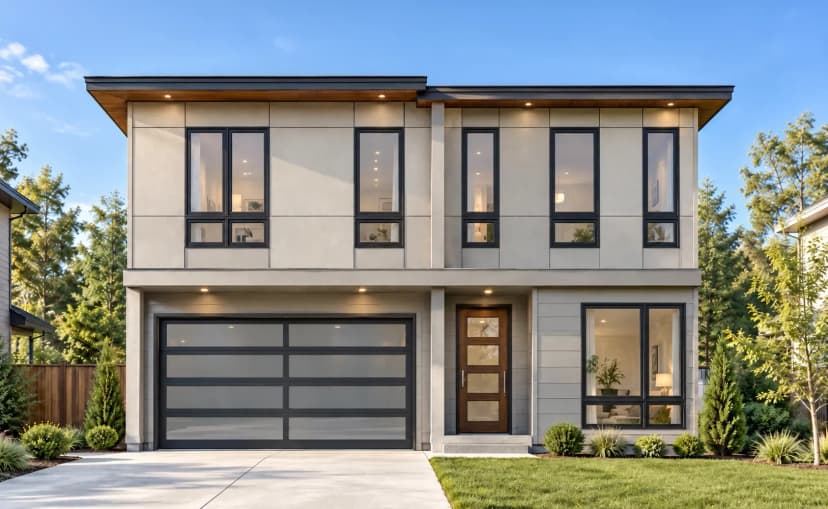
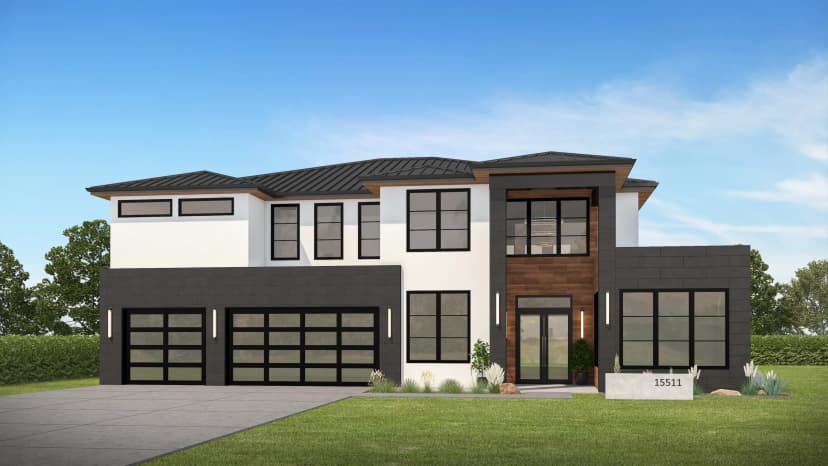
Are new construction homes a good investment?
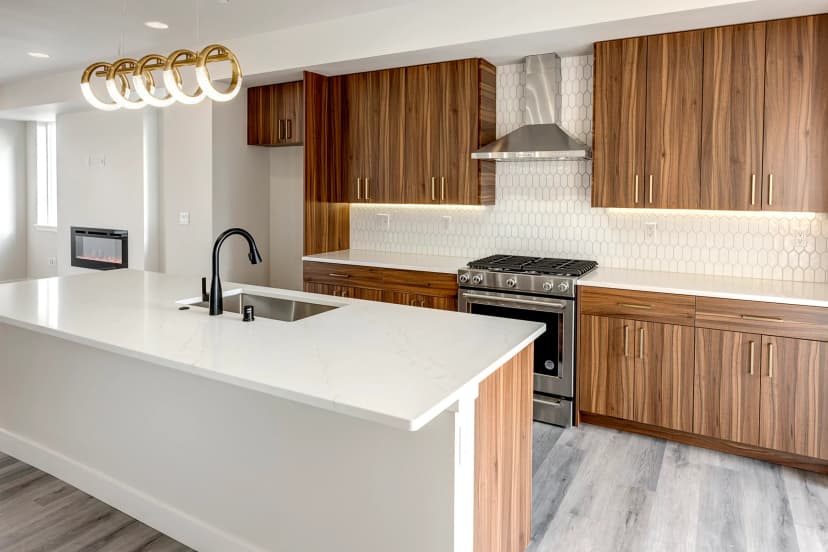
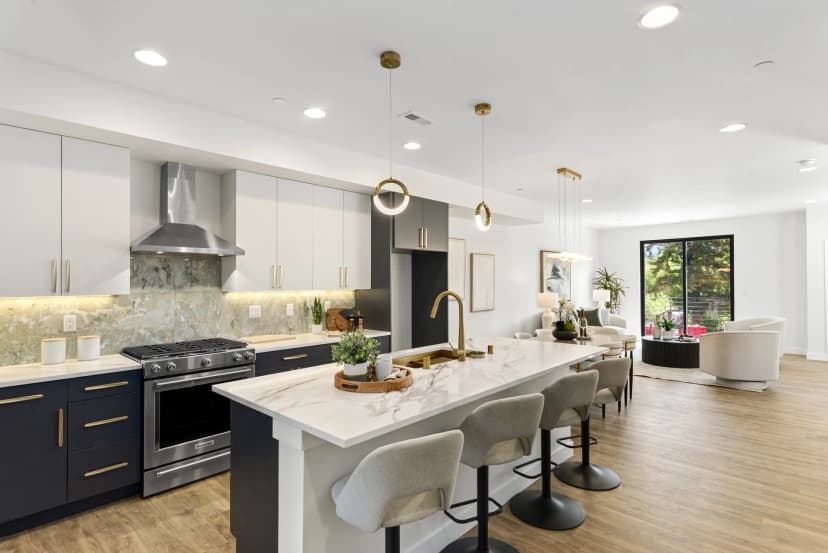
There is something different about walking into a brand-new home. No old carpet to replace. No mystery stain, you would rather not investigate. The kitchen, floors, fixtures, and appliances have not spent years serving another household. You get to start fresh.
But once the excitement settles a little, a practical question comes up: Are new construction homes a good investment?
They can be. With a new construction home, everything starts brand-new with you. One nice thing about buying new is knowing the home’s major systems are starting fresh with you. The roof, appliances, and heating and cooling equipment have not already spent years in use, which may mean fewer age-related repairs early on. And with each mortgage payment, you are gradually building equity in a home of your own.
Over time, if the neighborhood’s home prices rise, your property may become more valuable as well. So, does buying a newly built home make sense as an investment? It really comes down to the home you choose what you pay for it, where it’s located, how long you plan to stay, and what the local market does over time.
*Looking for new construction homes? Explore available properties at MSR Communities.
Why Are Buyers Interested in New Construction Homes?
For many people, the appeal starts with the home itself.
You are moving into a property where the major systems, materials, and finishes are new. That can be reassuring if you would rather not buy a home and immediately start making a list of things that need replacing.
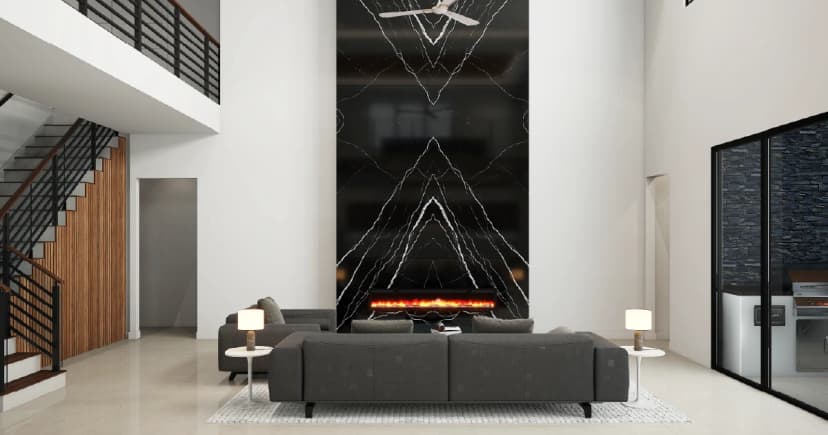
New construction is also designed around the way people live today. Depending on the home and builder, that may mean open living areas, flexible rooms, modern kitchens, more storage, or spaces that can shift between work, family time, and entertaining.
Then there’s the financial side. When you own a home, part of each mortgage payment goes toward building equity as you pay down the loan. And if the home’s value goes up while you own it, that can add to your equity as well.
That is part of what makes investing in new construction homes attractive. Still, the fact that a home is new is only one piece of the investment picture.
Also, read: New Construction Homes for Sale: Your Guide to Buying a New Home
Do New Construction Homes Appreciate Faster Than Resale?
This question deserves a straightforward answer: not necessarily. Being brand-new does not mean a home will automatically grow in value faster than an older property. What happens to its value over time has a lot to do with where you buy and what is happening around the neighborhood.
Where you buy can make a real difference over time. A neighborhood that people enjoy living in, with jobs nearby, convenient schools and transportation, and new development happening around it, may continue to attract buyers in the years ahead.
What happens to a home’s value depends a lot on what is going on around it. If buyers continue to want homes in the area and there are not too many similar properties for sale, that can work in your favor.
The home still needs to hold its appeal, though. A layout that works well for everyday life, a location people enjoy, and features buyers find useful can make a difference when you eventually put the home back on the market. At the same time, if buyers have plenty of similar homes to choose from, being newer or having beautiful finishes may not be enough to push the price higher.
There is also something to keep in mind when buying early in a new development. If you decide to sell while the builder is still selling new homes in the same community, your home may be competing with brand-new inventory.
So, are new construction homes appreciated faster? Sometimes they may, but no rule says they will. It makes more sense to judge the specific home and neighborhood than to assume new construction will outperform resale homes.
Also, read: Do New Construction Homes Appraise Higher?
Location Still Does a Lot of the Heavy Lifting
A brand-new home can give you new floors, new appliances, and a fresh start. It cannot move itself closer to work, schools, parks, shopping, or the places you visit every week.
That is why location deserves just as much attention as the house.
When you visit a new community, look beyond the model home. Drive around the surrounding area.
- How long would your normal commute take?
- Are everyday errands convenient?
- What is being built nearby?
- Does the area feel like somewhere you could comfortably live for several years?
It is also worth thinking about future buyers. You might love the home now, but when it’s time to sell, things like easy access to transit, nearby shops and services, and a community people want to live in can make a real difference.
A home doesn’t exist in a vacuum. It’s tied to its neighborhood, and that has a big impact on how desirable the property stays over time.
Also, read: What $1M+ Gets You in the Seattle Area Real Estate Market Today
Pros and Cons: Buying a New Construction Home
The pros and cons of buying a new construction home look different for every buyer.
Still, a side-by-side comparison can help you decide which points matter most to you.
| Potential Benefits | Things to Think About |
| Major systems and materials are new | New construction may cost more than some comparable resale homes |
| Fewer age-related repairs may be needed early on | You will still have regular maintenance as a homeowner |
| Floor plans may reflect modern living | Some new neighborhoods take time to feel established |
| Some builders allow buyers to choose certain finishes or options | Upgrades can increase the final purchase price |
| Builder warranties may cover certain components | Coverage varies, so read the warranty before relying on it |
| New communities may offer amenities or shared spaces | HOA dues may apply, depending on the community |
None of these points makes new construction automatically good or bad.
Maybe you would gladly pay more for a home where you are not wondering whether the roof has five years left or fifteen. Another buyer may prefer an older home with mature trees, an established neighborhood, and a lower purchase price.
Both can be sensible decisions.
Also, read: Townhome Living: Pros, Cons, and Costs
Could a New Home Mean Fewer Repairs at First?
One of the nice things about a new home is fairly obvious: everything starts new.
A resale home could come with an aging roof, older HVAC equipment, appliances nearing replacement, or other projects that become your responsibility after closing. With new construction, those components begin their life with you.
That does not make the home maintenance free. Filters still need changing. Drains still need attention. Things still wear out eventually. Houses, unfortunately, have not learned to take care of themselves.
What new construction can offer is less age-related wear at the beginning of ownership.
Some builders also provide warranties covering certain parts of the home for specified periods. Warranty terms differ, so read the documents carefully.
Before you move in, take a few minutes to read through the builder’s warranty. It helps to know what is covered, how long that coverage lasts, and which repairs or maintenance will be yours to handle.
Also, read: What to Look for When Exploring New Homes Near You?
Look Beyond the Price on the Listing
The price you see on a listing is a good place to start, but it does not tell you what living in the home will actually cost. And the purchase price is only part of what you will spend. There are costs that come with buying the home, plus the regular expenses you will take on once you move in.
Your monthly budget may include the mortgage payment, property taxes, homeowners insurance, utilities, and HOA dues when applicable. You will also have closing costs when you buy and maintenance expenses as the years go by.
With new construction, find out what the advertised price actually includes.
The home you toured may have upgraded flooring, countertops, appliances, lighting, or other options that are not part of the standard price. If you start adding upgrades, keep an eye on the total rather than looking at each choice as a small extra.
It is easy to fall for the kitchen. Just make sure the numbers still look good after you do.
Single-Family Home vs. Townhome
A single-family home and a townhome can both make sense for a new construction buyer. What works better depends on what you want your everyday life at home to look like.
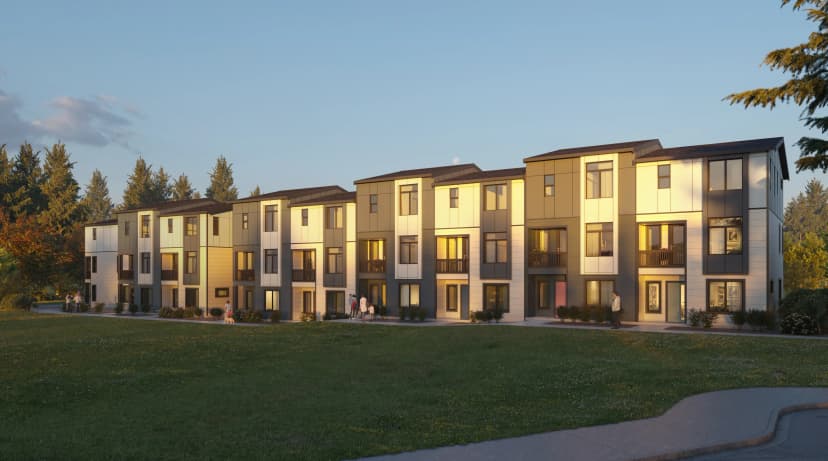
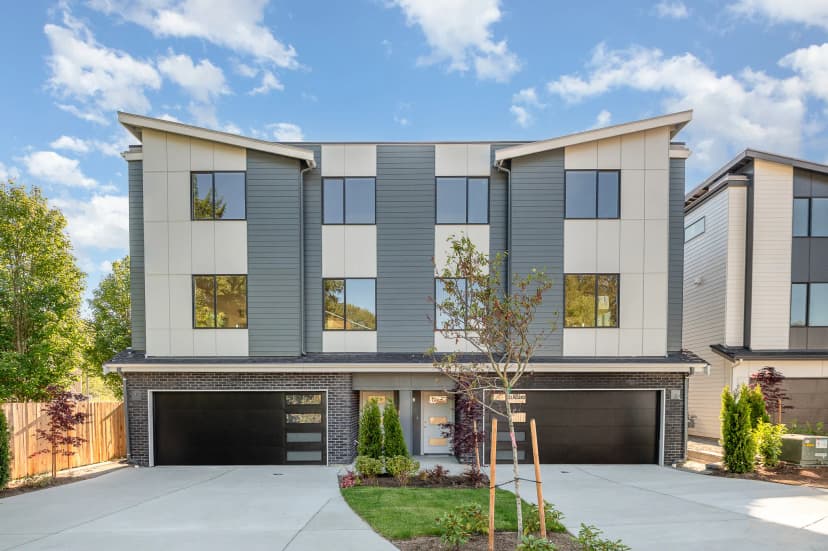
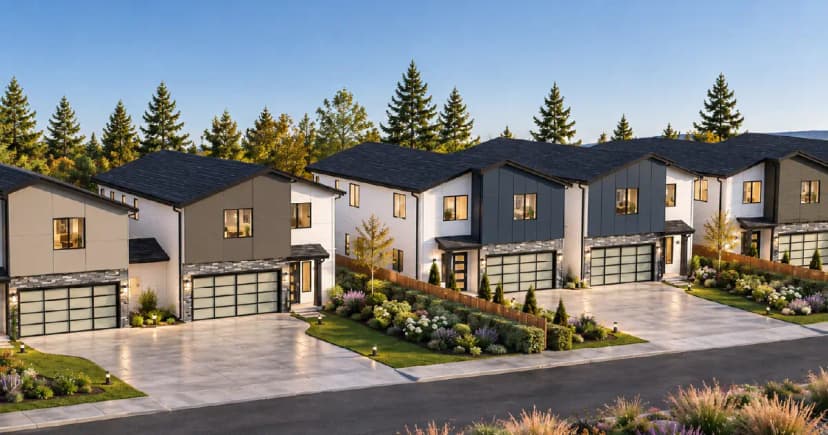
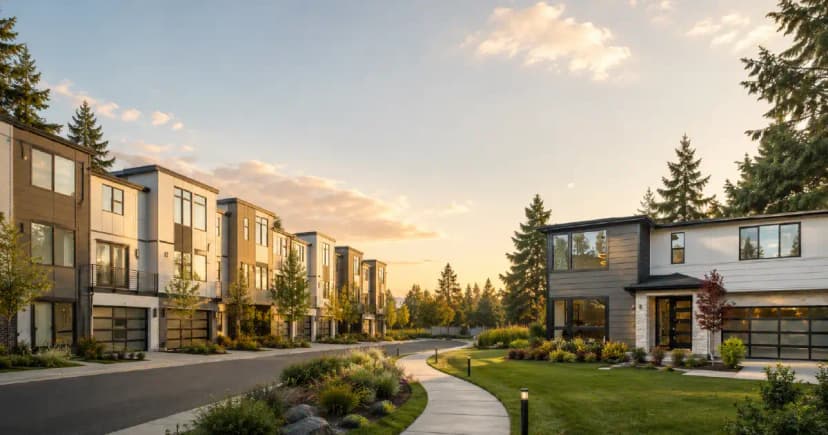
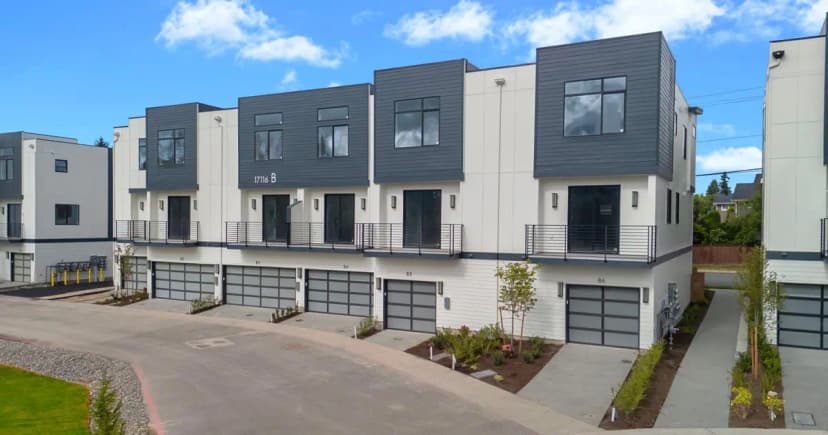
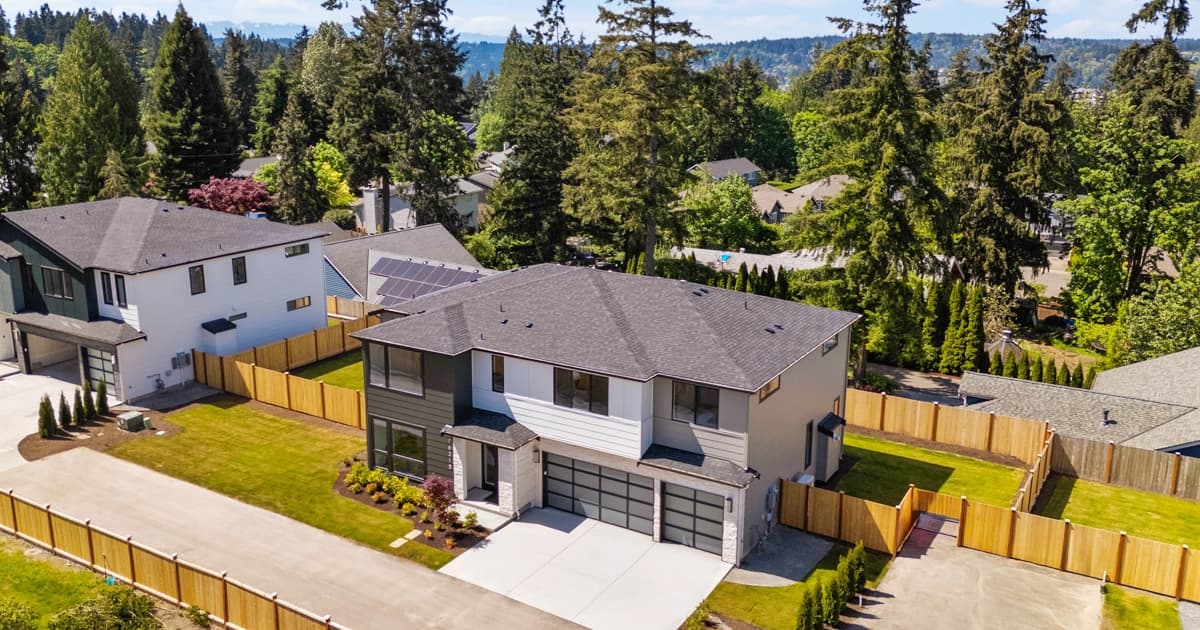
If you’re comparing new construction single-family homes and new build townhomes, you’ll spot some clear differences right away.
| Factors | Single-Family Home | Townhome |
| Privacy | Usually provides more separation from neighboring homes | Often shares one or more walls with neighboring homes |
| Outdoor space | May include more private yard space | Private outdoor space may be smaller and varies by property |
| Upkeep | You are generally responsible for maintaining your home and property | The HOA may handle some exterior or common-area upkeep |
| HOA | Some communities have one; others do not | HOAs are common, but what they cover varies |
| Space | May suit buyers looking for more indoor or outdoor room | Often uses multiple levels to make efficient use of the home’s footprint |
| Why buyers consider it? | Privacy, space, and more control over the property | A different balance of private living and shared community maintenance |
Think about what an ordinary weekend would look like in each home.
Would you enjoy having a larger yard for a dog, gardening, or dinner outside? Or would you rather have less exterior work on your weekend list? With a townhome, check what the HOA actually maintains rather than assuming everything outside your front door is covered.
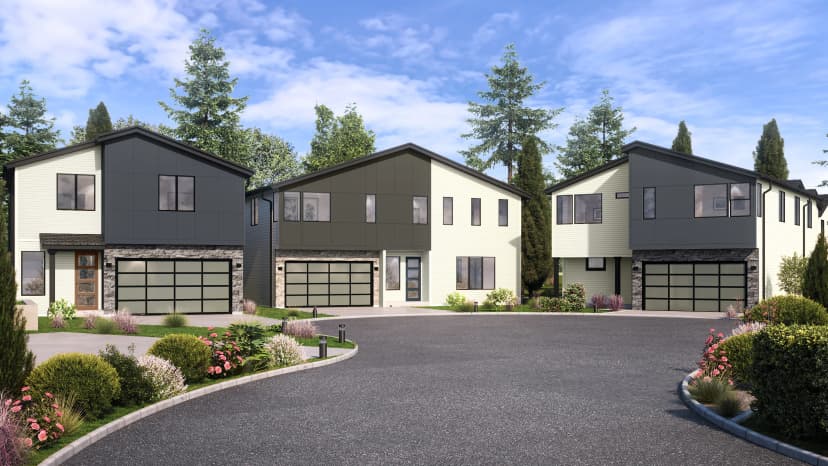
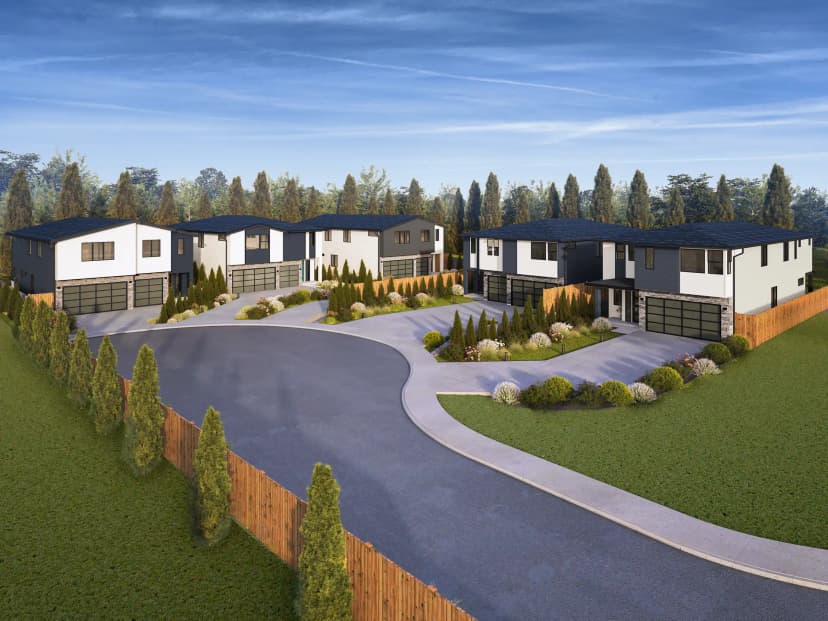
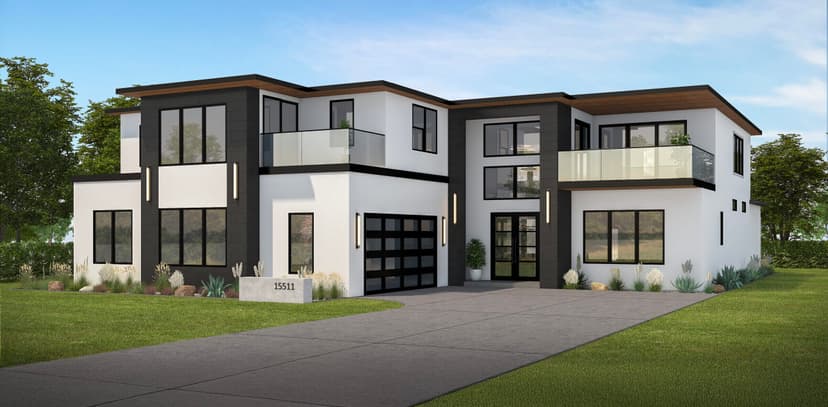
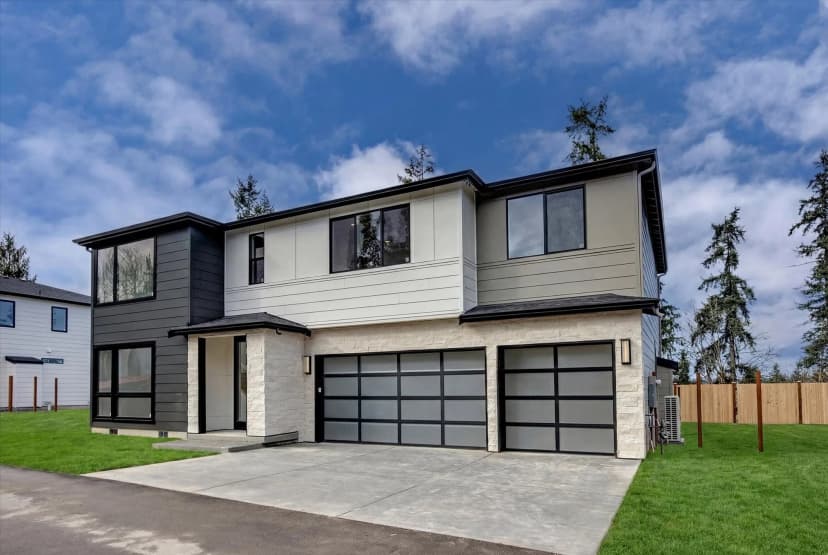
MSR Communities currently offers new construction options in both categories. Its single-family portfolio includes communities such as Trio at Inglewood and Twin Springs in Kenmore and Lotus7 in Bothell. If a townhome feels more like your style, MSR Communities has options to explore there, too. Take a look at the current communities to see which homes, floor plans, and locations line up with what you have in mind.
Homes in a new community can sell at different times, so what is available today may look different later.
Also, read: Single-Family Homes: Are They a Good Investment?
So, Is Buying a New Construction Home a Good Investment?
The answer becomes much clearer when you stop thinking about “new construction” as one big category.
Start with the actual home.
- Is the price comfortable for your budget?
- Do you like the location enough to stay for a while?
- Does the floor plan give you room for the way your life may change?
- What are the taxes, insurance, HOA dues, and expected maintenance costs?
Then look outside the front door. Consider the surrounding neighborhood, access to everyday needs, and how much comparable housing is being built nearby.
The U.S. new-home market can change from month to month. The national numbers provide market context, but they cannot tell you whether one particular home will be a good investment.
That decision is much closer to home—literally.
A Home Should Work Before It Is Appreciated
So, are new construction homes a good investment? They can be, especially when you buy at a price you can comfortably manage, choose a location that works for you, and plan to own the home for a meaningful period of time.
But appreciation should not be the only reason you like the house.
You are going to live there before you ever sell it. The kitchen will see rushed breakfasts. The living room may host birthdays, movie nights, or a Tuesday evening when everyone is too tired to cook. The extra room you barely think about today might become an office, nursery, or guest room later.
That everyday value matters, too.
At MSR Communities, buyers can explore new construction single-family homes and townhomes designed for different ways of living.
A new home may grow in value over time, or the market may take a different path than expected. No one can promise the first outcome. What you can do is choose carefully: look at the home, the neighborhood, the costs, and how well the property fits the life you are planning.
That is a much stronger place to start than buying simply because the home is new.