What Homebuyers Need to Know About Building Wealth Through New Construction Homeownership
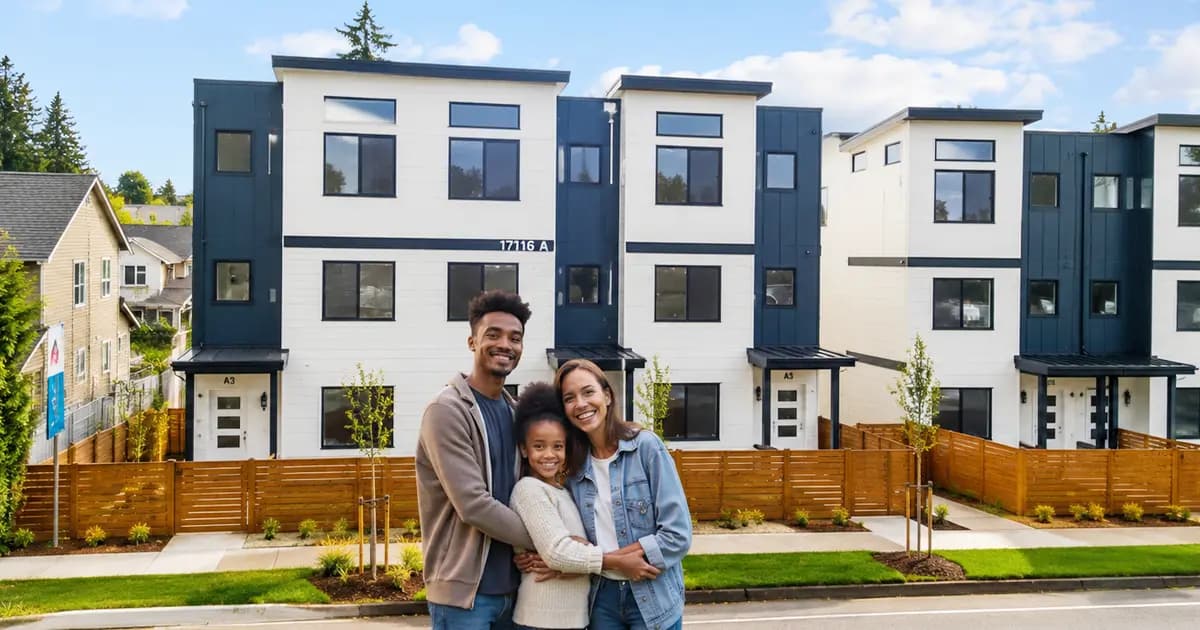
When you are shopping for a home, your first thoughts probably are not about equity. You are more likely to be looking at the neighborhood, the monthly payment, the number of bedrooms, the kitchen, the commute, and whether the floor plan makes sense for your household.
Those are exactly the things you should be thinking about.
Still, owning a home has a financial side that is useful to understand. Over time, paying down your mortgage can increase the portion of the property you own. If the home also gains value, your equity can grow further.
For buyers thinking about buying a new construction home, this adds another consideration to the search. You are choosing a place to live now, but you are also purchasing an asset that you may own for many years.
Home values are never guaranteed to rise, so a home should not be purchased based on appreciation alone. But understanding how home equity develops can help you look at the decision from a longer-term perspective.
Building Home Equity: What Does It Actually Mean?
Home equity is the difference between the value of your home and the amount you still owe on it.
If your home is worth $700,000 and you owe $500,000 on your mortgage, for example, you have $200,000 in equity.
Part of building home equity comes from paying down the principal on your mortgage. As that balance gets smaller, your ownership stake in the property grows.
The home’s value can affect the equation, too. If its market value rises while your loan balance decreases, you may build equity from both directions.
It is usually a gradual process. Mortgage payments also include costs such as interest, and homeowners have other expenses to manage along the way. For that reason, homeownership tends to make more sense as a longer-term decision than as a quick path to building wealth.
Real Estate Appreciation Is Part of the Story, Not a Promise
Real estate appreciation is simply an increase in a property’s value.
Plenty of homeowners have seen their homes become more valuable over time. Others have owned property during periods when prices remained relatively flat or declined.
There are many reasons for that.
Demand for homes in the area matters. So do interest rates, employment, new development, the condition of the property, the local economy, and the housing market as a whole.
A buyer cannot control most of those things.
What you can evaluate is whether the home makes sense at the time you buy it. Can you comfortably manage the payment? Does the location suit your routine? Is there enough space? Would you be happy staying there if the market did not move the way you hoped?
Those questions are often more useful than trying to predict what a home will be worth five or ten years from now.
What Is Different About Buying New Construction?
A newly built home gives you a different starting point from a property that has already been lived in for years.
The roof, HVAC equipment, appliances, finishes, and other components begin their life with you, depending on what is included with the home. That does not eliminate maintenance, but it can mean that some age-related replacements are less likely to be immediate concerns.
There is also the way newer homes are laid out.
Today’s buyers often use their homes differently than households did decades ago. Working from home is more common. Storage matters. Kitchens often serve as gathering spaces as much as places to cook. A room may need to be an office now, a guest room next year, and something entirely different later.
Many new construction single-family homes and new construction townhomes are designed with that kind of flexibility in mind.
If you are buying a new construction home before it is finished, you may also have choices to make about certain finishes or features. Ask what is standard before assuming that something you saw in a model home is included. Upgrades can add up quickly, and the amount you spend on them will not necessarily translate dollar for dollar into future resale value.
New Construction vs Existing Home: Compare What Happens After Closing
The new construction vs existing home decision becomes more useful when you stop looking only at the asking price.
Suppose an existing home costs less but has an older roof, aging appliances, and finishes you already know you want to replace. Those expenses may become part of your budget sooner than you expect.
Another existing home may be completely different. Previous owners may have replaced major systems, updated the kitchen, and taken excellent care of the property. It may also come with mature landscaping and other improvements that would take years to recreate.
New construction has its own considerations. While the major systems are new, you might want to add window coverings, furniture, landscaping, or optional upgrades after you buy.
So rather than asking which type of home is always the better value, compare the actual properties in front of you.
Consider the purchase price alongside property taxes, insurance, HOA dues, maintenance, expected repairs, upgrades, and the improvements you may want to make after moving in.
The answer can look very different from one home to the next.
Related article: Is it better to buy new construction or existing home?
Read the Warranty Before You Need It
A warranty can be one of the reassuring parts of purchasing a newly built home, but new home warranty coverage is not the same for every property.
Take time to read the warranty documents before closing.
Find out what is covered and for how long. Ask what you are expected to maintain yourself and whether there are exclusions that could affect coverage. It is also useful to know whom to contact and what the process looks like if you need to submit a warranty request.
A few questions worth asking are:
- Which parts of the home are covered?
- How long does each type of coverage last?
- What maintenance is my responsibility?
- Are there exclusions or limitations?
- How are warranty requests submitted?
You will still need to maintain the home. Filters need changing, systems need servicing, and everyday wear happens whether a home is two years old or twenty.
The value of understanding the warranty is simply knowing where the builder’s responsibility ends and yours begins.
What About Townhomes?
You do not have to buy a detached house to build equity.
Both new construction single-family homes and new construction townhomes can become long-term assets. Which one suits you better has much more to do with your budget, preferred location, space needs, and maintenance expectations.
A single-family home may give you more outdoor space, privacy, storage, or garage capacity. A townhome may offer a more compact layout or different exterior maintenance responsibilities.
There is no universal winner.
If either property has an HOA, include those dues in your monthly calculations and understand what they cover. A lower purchase price does not necessarily mean lower monthly housing costs once taxes, insurance, HOA dues, and other expenses are included.
Buy for Today, but Give Tomorrow Some Thought
No one knows exactly what life will look like several years from now. You do not need to.
You can still pay attention to whether a home gives you some room to adjust.
An extra bedroom might eventually become an office. A flex room could serve several purposes over the years. Storage that seems generous when you move in may become surprisingly valuable later.
Even the location deserves the same thought. A beautiful home can lose some of its appeal if getting to work, school, shopping, or the places you visit regularly becomes a daily frustration.
None of this means buying the largest home your lender says you can afford. More space also means more home to furnish, maintain, heat, cool, and care for.
The better question is whether you can see the home continuing to make sense as your life changes.
Leave Some Room in Your Budget
Closing on the home is not the end of the spending.
There are property taxes, insurance, utilities, HOA dues where applicable, and regular maintenance. You may want furniture for rooms you did not have before. There could be window coverings to buy, a yard to finish, or a few upgrades you decided to leave until after closing.
And eventually, even new things need attention.
Keeping savings available after the purchase gives you more room to handle those expenses without turning every unexpected repair or household purchase into a financial headache.
This matters when you are thinking about wealth, too. Buying a home at the very edge of your budget can make it harder to save for other goals. A home you can comfortably carry may leave you in a stronger position to enjoy it while continuing to build financial stability elsewhere.
A Home Is More Than the Equity You Build
There is value in understanding building home equity and real estate appreciation. They are real parts of homeownership, and over time they may contribute to your financial future.
But you are not buying a line on a balance sheet.
You are buying the kitchen where you will make dinner, the room where you may work on a Tuesday afternoon, the garage where bikes and boxes somehow multiply, and the place you will come back to at the end of the day.
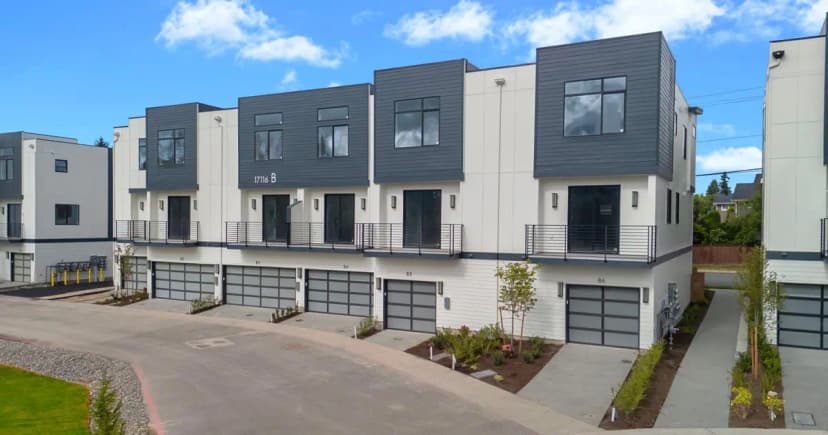
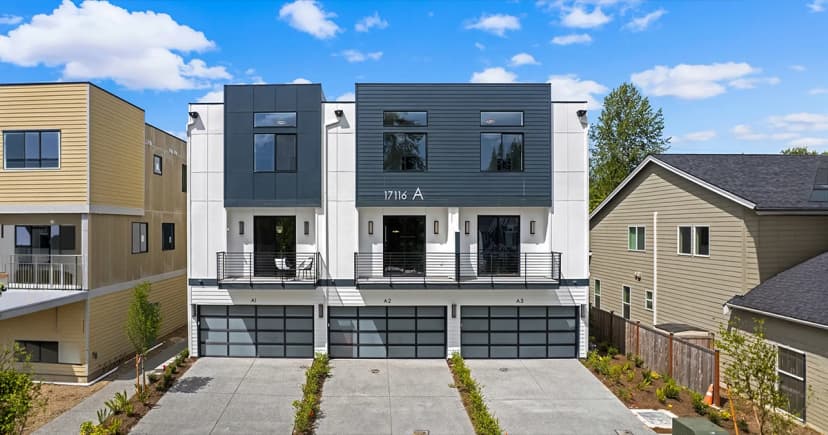
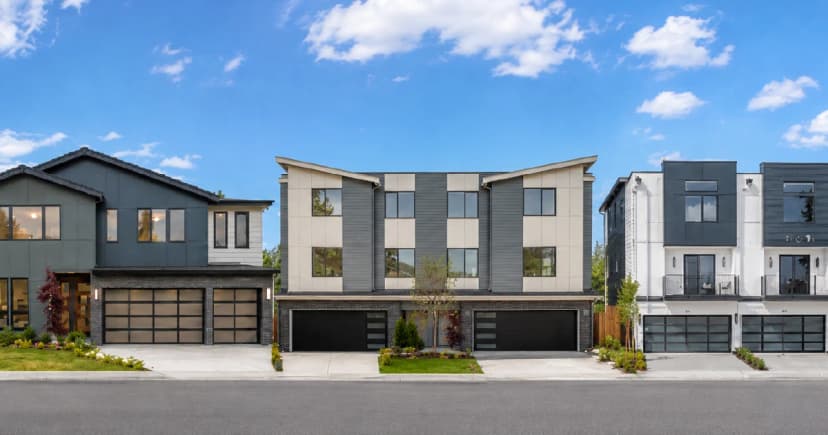
At MSR Communities, buyers can explore new construction single-family homes and townhomes designed for the way people live today, with thoughtful layouts and spaces that can continue to serve them as their needs change.
The financial benefits of homeownership tend to develop over time. In the meantime, the home still needs to be a place you can comfortably afford and genuinely enjoy living in. Finding that balance is what can make homeownership worthwhile in more ways than one.