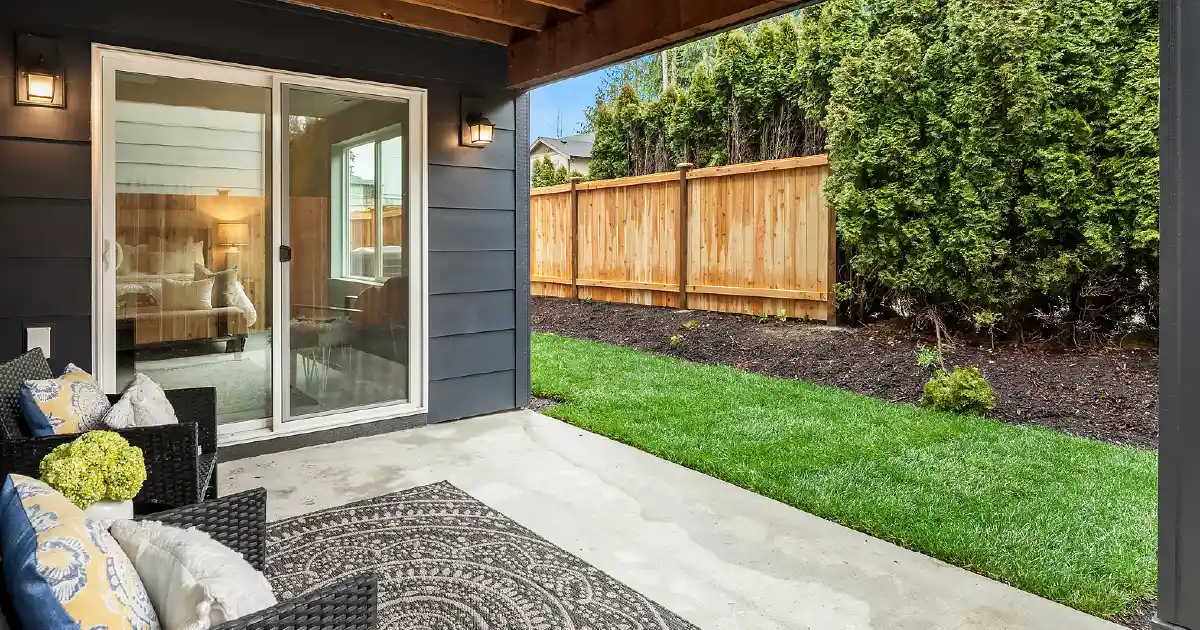
The Importance of a Home Warranty: Protecting Your Investment 

The Importance of a Home Warranty: Protecting Your Investment

Buying a home is a significant investment. It’s more than just bricks and mortar; it’s a place to build memories, raise a family, and enjoy the comforts of ownership. However, with this investment comes the responsibility of maintaining and repairing various systems and appliances. This is where a home warranty can prove invaluable. 

Are Home Warranties Worth It? 

A home warranty is a service contract that covers the repair or replacement of major home systems and appliances. These typically include: 

  • Heating and Cooling Systems: Furnaces, air conditioners, heat pumps 
  • Major Appliances: Refrigerators, dishwashers, ovens, ranges, microwaves, washing machines, dryers 
  • Plumbing Systems: Water heaters, garbage disposals 
  • Electrical Systems: Electrical panels, wiring 

The Best Homeowners Warranty

Choosing the right home warranty provider is crucial. Factors to consider include: 

  • Coverage Options: Select a plan that aligns with your specific needs and the age and condition of your appliances. 
  • Service Network: Ensure the provider has a reliable network of qualified contractors in your area. 
  • Customer Service: Look for a company with excellent customer service and a straightforward claims process. 

 Choosing the Right Home Warranty: A Deeper Dive

Now that you understand the basics, let’s delve deeper into selecting the best home warranty for your needs: 

1. Assess Your Needs: 

  • Age of Your Home & Appliances: Older homes and appliances are more prone to breakdowns, making a warranty more valuable. 
  • Budget: Home warranty plans vary in price. Determine how much you’re comfortable spending monthly. 
  • Coverage Options:  
    • Basic: Covers essential systems like HVAC and plumbing. 
    • Appliance Only: Focuses on major kitchen and laundry appliances. 
    • Comprehensive: Includes both systems and appliances, offering the most extensive protection. 

2. Research and Compare: 

  • Read Reviews: See what other homeowners have to say about different companies on platforms like Trustpilot, Google Reviews, and the Better Business Bureau (BBB). 
  • Compare Pricing: Obtain quotes from several companies to find the most competitive rates. 
  • Understand Service Fees: Be aware of any service fees you’ll be responsible for when filing a claim. 
  • Check Contractor Networks: Ensure the company has a strong network of qualified contractors in your area. 

3. Consider These Top-Rated Companies: 

  • American Home Shield: A well-established company with a wide range of plans and a large contractor network. 
  • Choice Home Warranty: Known for its customer service and flexible coverage options. 
  • First American Home Warranty: Offers competitive pricing and a user-friendly claims process. 

4. Read the Fine Print: 

  • Understand exclusions: Carefully review the warranty contract to identify any exclusions or limitations on coverage. 
  • Know the claims process: Familiarize yourself with how to file a claim and what documentation is required. 

5. Don’t Forget Maintenance: 

While a home warranty can help with unexpected repairs, regular maintenance is crucial for preventing costly breakdowns. 

Understanding Quality Builders Warranty (QBW) 

Quality Builders Warranty is a leading provider of 10-year home warranties, partnering exclusively with builders who meet their “builders of integrity” standard. MSR Communities proudly offers a 10-year home warranty backed by QBW, ensuring that homeowners receive comprehensive coverage for their new homes

Coverage Details 

The QBW provided through MSR Communities includes: 

  • 1-Year Warranty: Covers workmanship and materials, addressing issues that may arise due to construction practices. 
  • 10-Year Structural Warranty: Provides protection against qualified structural defects, ensuring the long-term integrity of the home’s foundation and load-bearing components. 

For detailed information, homeowners can refer to the Home Warranty Book provided by MSR Communities, which outlines the specifics of the 10-year Quality Builder Warranty. 

Benefits of a Home Warranty 

  • Financial Protection: Significantly reduces out-of-pocket expenses for unexpected repairs, especially for major structural components. 
  • Peace of Mind: Assures homeowners that potential defects will be addressed promptly, maintaining the home’s quality and safety. 
  • Enhanced Home Value: A transferable warranty can be an attractive feature for potential buyers, adding value to your property. 

How to Submit a Warranty Request 

If you’re experiencing an issue covered under your warranty, MSR Communities provides a streamlined process through their SOS platform. A video tutorial is available to guide homeowners on submitting a warranty request efficiently. 

Conclusion 

Investing in a home warranty through Quality Builders Warranty not only protects your significant investment but also ensures that any unforeseen issues are managed professionally and promptly. By choosing a builder like MSR Communities, who partners with QBW, homeowners can rest assured that their homes are built to high standards and backed by a comprehensive warranty, providing lasting peace of mind. 

Do It Yourself Backyard Playsets: Inspiring Designs and Ideas 

Do It Yourself Backyard Playsets: Inspiring Designs and Ideas

Washington State’s stunning scenery and abundant greenery make it the perfect setting for outdoor living. With its mix of lush forests, picturesque neighborhoods, and crisp, fresh air, the region offers endless opportunities for families to enjoy their backyards. Whether you’re in a spacious single-family home with a sprawling lawn or a cozy townhome with a compact outdoor area, a DIY playset is an excellent way to upgrade your outdoor space. 

These custom-built structures are not just about entertainment—they’re about encouraging imaginative play, promoting exercise, and creating a space where family memories are made. With a little creativity and planning, you can transform your backyard into a kid-friendly haven that reflects your family’s unique needs and personality. 

DIY Backyard Playset Ideas for Your Home 

1. The Adventure Tower 

  • Design: A multi-level tower featuring slides, climbing walls, and attached swings 
  • Materials: Cedar wood, stainless steel screws, and weatherproof sealants 
  • Tip: Add a shingled roof to provide shelter during rainy weather 

The Adventure Tower is the ultimate playset for families with space to spare. Designed to keep kids engaged for hours, it combines climbing, sliding, and swinging into one all-encompassing structure. For families in single-family homes with expansive yards, this playset can easily become the centerpiece of your outdoor space. 

2. Compact Nature-Themed Play Spaces 

  • Ideal For: Townhomes with limited yard space 
  • Design: Incorporate elements like tree stumps, balance beams, and natural logs for climbing 
  • Materials: Salvaged wood or reclaimed materials from local stores 
  • Tip: Apply a wood preservative to protect these features from the wet climate 

If you have a smaller outdoor area but want a playset that blends into its natural surroundings, consider a nature-inspired play area. Think wooden balance beams, stepping stones, and low tree stumps that kids can hop between. This minimalist approach works particularly well for townhomes, where space is at a premium. 

3. Mini Jungle Gym 

  • Ideal For: Both single-family homes and townhomes with medium-sized backyards 
  • Design: Includes monkey bars, a rope ladder, and a mini climbing wall 
  • Materials: Pressure-treated wood and climbing handholds from outdoor stores 
  • Tip: Add rubber mats or soft surfaces beneath the structure for safety 

The Mini Jungle Gym is a versatile option that fits both larger and medium-sized yards. Its vertical design makes it great for maximizing space while still offering a range of activities for active kids. Plus, it’s easy to add or modify features like a zip line or climbing rope as your children grow. 

Know more: Experience Luxury Living: Explore High-End Homes in Bothell, Kenmore, and Lynwood

4. Rain-Ready Playhouse 

  • Ideal For: Families with young children in single-family homes 
  • Design: A cozy playhouse with windows, a waterproof roof, and a small front porch 
  • Materials: Plywood, treated lumber, and corrugated metal roofing 
  • Tip: Use weatherproof paint to add a pop of color and extra protection 

A Rain-Ready Playhouse is the perfect solution for Washington’s famously rainy weather. With a solid roof and walls, it allows kids to play outside even on drizzly days. For an extra touch, you can decorate the interior with kid-friendly furniture or add a chalkboard wall for creative play. 

5. Multi-Purpose Sandbox 

  • Ideal For: Townhomes with compact yards 
  • Design: A sandbox with a lid that doubles as bench seating 
  • Materials: Cedar planks and galvanized screws 
  • Tip: Add a waterproof fabric cover to keep it clean and dry 

A Multi-Purpose Sandbox is a simple yet functional addition to smaller yards. The built-in lid helps keep it clean when not in use, while the bench seating makes it a great spot for parents to sit and watch their kids play. This idea is especially appealing for townhomes, where every square foot of outdoor space counts. 

Weather-Proof Your Playset  

Washington’s rainy climate calls for thoughtful planning and material selection to ensure your playset stands the test of time. Here are some tips to keep your structure safe and functional year-round: 

  • Choose Durable Materials: Opt for woods like cedar or treated pine that resist rot and moisture damage. 
  • Improve Drainage: Elevate your playset slightly off the ground or install gravel bases to prevent water pooling. 
  • Create Covered Areas: Add roofs or awnings to shield play areas from rain, ensuring year-round usability. 
  • Add Anti-Slip Surfaces: Use textured finishes or non-slip mats to keep surfaces safe during wet weather. 

Tips for Building Your Backyard Playset 

  • Plan for Your Space: Design your playset to match your yard’s dimensions. Larger structures work best in single-family homes with expansive yards, while vertical designs maximize space in townhomes. 
  • Use Protective Coatings: Weatherproof sealants and paints are essential to protecting your playset from the elements. 
  • Prioritize Safety: Smooth out rough edges, securely anchor all structures, and use soft surfaces or mats to cushion falls. 
  • Get the Kids Involved: Encourage your children to contribute design ideas—like picking colors or adding special features—so the playset feels truly theirs. 

Why Build Your Own Playset? 

Building your own playset is about more than just saving money (though that’s a definite perk). It’s about creating something uniquely suited to your family and space. Here are some top reasons to go the DIY route: 

  • Custom Fit: Tailor your playset to your yard, whether it’s the expansive lawn of a single-family home or the cozy yard of a townhome. 
  • Cost Savings: Pre-built playsets can be pricey, but DIY versions let you save money while still delivering a high-quality structure. 
  • Weather-Ready: You can choose materials and designs that stand up to rainy climate, ensuring your playset lasts for years. 
  • Creative Expression: Building your playset is a fun, rewarding project that lets you add personal touches. 

Conclusion 

A DIY backyard playset is one of the best ways to make the most of your outdoor space in Washington State. Whether you live in a single-family home with a large yard or a townhome with limited space, these playsets can turn your backyard into a vibrant, engaging area for your children. 

Not only will a playset bring joy and hours of entertainment to your kids, but it also adds functionality and value to your property. With careful planning, weatherproof materials, and a touch of creativity, you can create a backyard retreat that your family will love for years to come. 

Ready to make your backyard dreams a reality? Explore homes for sale in Washington State today and find the perfect property to bring your playset vision to life. 

Easy Ideas for Fall Decorations to Create a Cozy Seasonal Atmosphere 

Easy Ideas for Fall Decorations

Fall is the perfect time to transform your home into a warm and inviting space. Here are some easy and affordable ideas to create a cozy seasonal atmosphere: 

1. Warm and Cozy Throws 

  • Knitted Blankets: Drape a chunky knit blanket over your couch or bed for a cozy touch. 
  • Fleece Throws: Soft and cuddly, fleece throws are perfect for snuggling up on chilly evenings. 

2. Autumnal Accents 

  • Pumpkins and Gourds: Display a variety of pumpkins and gourds on your doorstep, mantel, or dining table. 
  • Dried Flowers and Leaves: Create beautiful arrangements with dried flowers and leaves. 
  • Candles: Fill your home with the warm glow of scented candles, such as pumpkin spice or apple cider. 

3. Fall-Inspired Table Settings 

  • Warm Colors: Use warm colors like orange, red, and brown in your table linens and centerpieces. 
  • Seasonal Tableware: Incorporate fall-themed tableware, such as plates with leaf patterns or pumpkin-shaped serving dishes. 
  • Natural Elements: Add natural elements like pine cones, acorns, or twigs to your table setting. 

4. Outdoor Fall Decor 

  • Wreaths: Hang a fall wreath on your front door to welcome guests. 
  • Lanterns: Illuminate your outdoor space with lanterns filled with candles or battery-operated lights. 
  • Seasonal Plants: Plant mums or ornamental kale in pots to add color to your porch or patio. 

Embrace the Cozy Charm of Fall: Interior Design Ideas 

As the crisp autumn air begins to settle in, it’s the perfect time to transform your home into a cozy retreat. Here are some interior design ideas to help you create a warm and inviting atmosphere: 

1. Warm and Inviting Color Palette: 

  • Earthy Tones: Incorporate rich, earthy tones like deep reds, burnt oranges, and earthy browns. 
  • Muted Neutrals: Pair these warm colors with soft neutrals like beige, cream, and gray. 
  • Accent Colors: Add pops of color with accents like mustard yellow, olive green, or deep purple. 

2. Cozy Textiles: 

  • Throw Blankets: Layer plush blankets in various textures and colors on your couch or bed. 
  • Pillows: Add decorative pillows in autumnal hues to your sofa and chairs. 
  • Rugs: A cozy rug can add warmth and texture to your living space. 

3. Seasonal Scents: 

  • Candles: Fill your home with the aroma of pumpkin spice, apple cider, or cinnamon. 
  • Diffusers: Use essential oil diffusers to create a calming and inviting atmosphere. 

4. Natural Elements: 

  • Dried Flowers and Leaves: Create beautiful arrangements with dried flowers and leaves. 
  • Pumpkins and Gourds: Display a variety of pumpkins and gourds in different sizes and colors. 
  • Wood Accents: Incorporate wooden elements like furniture, decor, and wall art. 

5. Lighting: 

  • Warm Lighting: Use warm-toned light bulbs to create a cozy ambiance. 
  • Candles: Place candles in various sizes and shapes around your home. 
  • String Lights: Add a touch of magic with string lights draped over your fireplace mantel or window. 

By incorporating these design ideas, you can create a warm and inviting fall atmosphere that will make your home feel cozy and comfortable. As the days grow shorter and the nights grow longer, your home should be a sanctuary where you can relax, unwind, and enjoy the beauty of the season. So, embrace the cozy charm of fall and transform your home into a haven of warmth and comfort. 

Winter Home Preparation: Essential Home Winterization Tips for Seattle Homeowners

Steps for Preparing Your Home for Winter

Winter in Seattle means rain, chilly winds, and the occasional freezing temperatures. To keep your home safe, warm, and energy-efficient, it’s vital to prepare before the season sets in. By following these practical cold weather home maintenance tips, you can protect home from freezing, lower energy costs, and ensure your comfort all season long. 

Here are 10 home winterization tips to help you stay ahead of the cold and rain. 

1. Gutters: The First Line of Defense 

Seattle winters are synonymous with heavy rainfall, making clean gutters essential for your winter home preparation. Clear out debris to prevent water from overflowing and causing damage to your roof and foundation. Ensure downspouts direct water at least 5 feet away from your home to avoid pooling and potential flooding. 

Bonus Tip: Consider installing gutter guards to reduce debris buildup and minimize mid-season maintenance. 

2. Insulation and Sealing: Stop Drafts in Their Tracks 

Proper insulation and sealing keep homes warm and energy efficient. Use weatherstripping or caulk to seal air leaks around windows, doors, and attic spaces. 

Energy-Saving Tip: Inspect your attic and crawlspace insulation levels. Upgrading these components can substantially decrease heat escape, leading to lower energy consumption and reduced winter heating costs.  

3. Furnace Tune-Up: The Key to Winter Comfort 

Your furnace is your home’s MVP during winter. Keep your furnace running efficiently with regular professional inspections and filter replacements. 

Pro Tip: Upgrade to a programmable thermostat for enhanced winter heating efficiency and lower energy costs. 

4. Protect Pipes from Freezing 

Though Seattle winters are relatively mild, sudden cold snaps can freeze and burst pipes. Wrap pipes in unheated spaces like garages and crawlspaces with foam pipe sleeves or insulation tape. 

Simple DIY Fix: Don’t forget to disconnect and drain garden hoses and cover outdoor faucets to protect them from freezing temperatures. 

5. Inspect and Maintain Your Roof 

Seattle’s rainy season makes roof maintenance a top priority. Check for loose or missing shingles and address any moss growth, as these can lead to leaks and water damage. 

Cold Weather Maintenance Tip: Use eco-friendly moss treatments to prevent damage without harming nearby plants or waterways. 

6. Sump Pump: Your Basement’s key element 

Basements are prone to flooding during heavy rain. Test your sump pump by pouring water into the pit to ensure it activates properly. 

Smart Upgrade: Consider a battery backup system for your sump pump to keep it functioning during power outages. 

7. Chimney and Fireplace Safety 

A warm, crackling fire is perfect for Seattle’s cold, wet evenings, but it requires preparation. Schedule a chimney sweep to remove creosote buildup and clear blockages. For gas fireplaces, inspect the ignition and venting systems to ensure they’re working properly. 

Energy-Saving Tip: Close the damper when the fireplace isn’t in use to prevent warm air from escaping through the chimney. 

8. Emergency Preparedness for Power Outages 

Seattle’s winter storms can knock out power, so prepare for the worst. Stock up on essentials like LED flashlights, extra batteries, and blankets. A generator can provide power during outages so invest in a generator to power critical appliances. 

Winter Home Preparation Pro Tip: Add a smart leak detector to your emergency gear. These devices alert you to leaks in basements or under sinks, potentially saving you from costly damage. 

9. Optimize Landscaping for Cold Weather 

Winter storms can wreak HAVAC on untrimmed trees and shrubs. Prune branches that hang near your roof or power lines to reduce the risk of storm damage. 

Cold Weather Home Maintenance Insight: Ensure your yard is graded to direct water away from your home’s foundation, as pooling water can cause long-term damage. 

10. Invest in Smart Energy-Saving Tips for Winter 

Modern technology can help you save energy while staying comfortable. Install a smart thermostat to optimize your home’s heating schedule, adjusting it for when you’re home or away. 

Hidden Gem: Smart leak detectors and energy monitors can help identify inefficiencies, saving you money while protecting your home from freezing-related damage. 

Why Winter Home Preparation Matters 

Taking proactive steps for cold weather home maintenance ensures your home remains warm, dry, and energy-efficient throughout the winter. From insulation and sealing to maintaining your heating system, these home winterization tips can save you money, protect your home from freezing, and reduce stress. 

Final Thought: 

By diligently following these ten steps, you can ensure your home is well-prepared to withstand the rigors of winter. A well-maintained home not only provides comfort but also contributes to significant energy cost savings. Proactive measures are key to safeguarding your home and ensuring a warm, cozy winter season. Don’t let winter catch you off guard; take the initiative to winterize your home and enjoy the peace of mind that comes with a well-prepared dwelling. 

While you can take steps to winterize your existing home, consider the long-term benefits of a home built to withstand the elements. MSR Communities focuses on building homes with a high standard of construction, using quality materials. By choosing an MSR home, you can enjoy the peace of mind that comes with knowing your family is warm, safe, and comfortable all year round. Explore our communities at MSR Communities to discover your perfect home. 

Exploring Single-Family Detached Homes: A Quick Guide for Homebuyers

Single Family homes Detached

When searching for your dream home, one of the key decisions many families face is whether to choose an attached family home or a detached single-family home . Both attached and detached family homes can offer luxurious living experiences, but the right choice depends on your lifestyle and priorities. There are some key differences to consider: attached homes often provide a more urban and convenient lifestyle with access to shared amenities, while detached homes typically offer greater privacy, outdoor space, and customization opportunities. 

Now, let’s dive deeper into what attached family homes and detached homes are and how they compare to other housing options. First, let’s explore the differences between them  

Attached Family Homes vs. Detached Family Homes 

An attached family home, as the name suggests, shares one or more walls with an adjacent property. In other words, it’s connected to neighboring homes through a common wall. You might hear them referred to as townhomes, duplexes, or row houses, where individual units are linked but maintain separate ownership. 

Examples include townhomes, row houses, and duplexes. These homes often have less outdoor space and can be in denser neighborhoods. The benefits? They’re generally more affordable, and you’re likely to find them in more urban areas where space is at a premium. However, one of the downsides to an attached family home is that you’re sharing walls with neighbors, which can reduce your level of privacy. 

Detached family homes offer the ultimate in privacy and independence. Standing on their own lot, these homes provide ample space between neighbors, creating a tranquil environment. Many detached homes in Seattle feature spacious backyards, perfect for relaxing, entertaining, or letting your furry friends roam. Additionally, with no shared walls, you’ll enjoy peace and quiet within the home, ideal for families or those seeking a serene escape.  

Privacy in attached vs detached homes 

If privacy is a priority for you, a detached home might be the better option. Unlike attached homes, which come with shared walls and often less private outdoor spaces, single-family detached homes allow for more personal space inside and outside. You have more control over your surroundings—whether it’s designing a garden, installing a fence, or simply enjoying your yard without the proximity of neighbors. 

While attached family homes can still offer a level of comfort and coziness, it’s often harder to achieve the same level of privacy as you would in a detached home. That extra bit of distance makes all the difference when you want to relax in peace. 

Single-Family Home Ownership: A Classic Dream 

Owning a single-family detached home has long been considered the American dream. It provides homeowners with their own piece of property, a place where they can grow a family, build equity, and create memories. 

Detached homes tend to hold their value better, as they are in higher demand due to their privacy and space. This makes them a strong investment option for those planning to stay long-term or those wanting to pass the property on to future generations. 

Home Maintenance Costs: What to Expect 

Owning a detached family home does come with more responsibility when it comes to maintenance. Since there are no shared walls or community services to rely on, you’re responsible for the upkeep of both the interior and exterior of your home. From lawn care to roof repairs, the costs can add up. However, the freedom to customize and care for your home as you see fit is a benefit that many find well worth the investment. 

Community amenities in attached homes are a significant advantage of owning them. Many attached family homes come with Homeowners Association (HOA) fees, which often include services like landscaping, exterior maintenance, and access to shared amenities. While HOA fees may increase your monthly costs, they can also reduce your personal maintenance workload. Consider the balance between cost and convenience when evaluating attached homes. 

Community Amenities: What You Get with Attached Family Homes 

One of the key benefits of attached family homes is access to community amenities. Many townhome communities come equipped with perks such as swimming pools, fitness centers, playgrounds, and community rooms. These features can be attractive to buyers who enjoy a more social or active lifestyle. 

In contrast, detached family homes are often located in neighborhoods with fewer shared amenities, although this depends largely on the specific area. Some detached home communities do offer parks, walking trails, or even clubhouses, but the variety and availability tend to be more limited compared to attached family homes. 

Which Home Is Right for You? 

The decision between an attached family or detached home comes down to your personal lifestyle, budget, and future plans. If privacy and full ownership are your top concerns, a single-family detached home is likely the best choice. On the other hand, if you prioritize convenience, affordability, and access to a built-in community, an attached family home might be a better fit. 

No matter which path you choose, both attached family homes and detached family homes have their own unique benefits, making them worthwhile investments for your future. Check out some of the top housing options in the Seattle area, built by MSR Communities to find a home that fits your lifestyle.  

Whether you’re a young professional seeking a modern, open-concept layout, a growing family looking for ample living space and bedrooms, or a downsizing couple desiring a low-maintenance home with convenient features, we have floor plans to match your lifestyle. 

Explore our blogs for more homeownership tips and discover floor plans tailored to your generation’s needs.  

Is Your New Home Secure? Understanding Title Insurance and Why It Matters

Is Your New Home Secure

A new home brings endless possibilities—opening doors to joy, opportunities, new beginnings, and a lively community. However, along with the excitement comes a mix of emotions—anxiety about making the right decision, concerns about the quality you’ll receive, ensuring you get value for your money, and more. As you navigate this journey, it’s natural to feel slightly overwhelmed. That’s why we’re here to help you understand one of the most important real estate terms—title insurance—so you can step into this new chapter with confidence and peace of mind. 

What is Title Insurance? 

Title insurance is an essential part of your home buying process. It provides protection for homebuyers and lenders against financial losses arising from title defects,  which are legal issues or claims that could potentially challenge your ownership rights. 

How Does Title Insurance Work?  

Title insurance acts as a safety net, protecting you and your lender from potential financial risks associated with title defects. These defects can range from minor clerical errors in public records to more serious issues like undisclosed liens, forgery, or fraud. 

Compared to other types of insurance, title insurance provides coverage for past events that might have yet to be discovered during the title search process. A title search is a thorough examination of a property’s history to identify any potential problems. If any issues are found, they are typically resolved before closing. However, some problems may only be detected after the purchase, which is where title insurance becomes crucial. 

Type of Title Insurance:  

  • Owner’s Title Insurance: This policy protects the homeowner’s equity, guarding against financial loss if a title issue arises after acquisition. 
  • Lender’s Title Insurance: If a title defect arises, this insurance ensures the lender can recover their investment. It’s a crucial safeguard for lenders, providing them with financial security in case of title-related issues. 

What Does Title Insurance Cover? 

Title insurance covers a wide range of potential issues that could arise with the property’s title. While every policy may vary slightly depending on the insurance provider, most title insurance policies cover the following common risks: 

  • Public Records Mistakes: Flaws in public documentation, including errors in a property deed or survey, can trigger costly legal issues. Title insurance protects you from these errors and covers any associated legal fees. 
  • Unknown Liens: Previous owners may have left behind unpaid debts, such as property taxes or contractor fees, which can result in liens against the property. Title insurance ensures that you won’t be held responsible for these debts. 
  • Forgery and Fraud: Unfortunately, fraudulent activity, such as forged signatures on property documents, can occur. Title insurance protects you if someone tries to claim ownership of your property based on fraudulent documents. 
  • Undisclosed Heirs: If a previous owner passed away without properly disclosing all heirs, those heirs could come forward and claim ownership of the property. Title insurance covers you in the event of such claims. 
  • Boundary and Survey Disputes: Discrepancies in property boundaries can lead to disputes with neighbors over where one property ends, and another begins. If such conflicts arise, title insurance will cover the legal fees and losses.  
  • Encumbrances and easements: Encumbrances, such as unpaid mortgages or judgements against the property, might impair your ownership rights. Easements, which allow others to use your property for certain purposes, can also be problematic.  

What Isn’t Covered by Title Insurance? 

While title insurance provides broad protection, it’s important to understand that there are certain things it doesn’t cover. Let’s take a closer look. 

  • Problems caused by your own actions: If you take out a second mortgage on the property or fail to pay property taxes, title insurance won’t cover any resulting issues. 
  • Zoning or building code violations: Title insurance doesn’t cover problems related to your property’s zoning classification or any violations of local building codes. 
  • Environmental Risks: Title insurance does not extend coverage to issues related to environmental hazards, such as soil contamination or air and water pollution, which can have significant impacts on property value and safety.  
  • Unrecorded Claims: Title insurance may not cover claims or rights to the property that are not officially documented in public records. If such claims exist, they might fall outside the protection provided by the policy. 

Why Is Title Insurance Important? 

Title insurance is essential as it offers peace of mind and financial security against unexpected problems that could threaten your property ownership rights. Without title insurance, you could be responsible for resolving any title disputes on your own, which could result in significant legal fees and financial losses. For most homebuyers, the relatively small cost of title insurance is a worthwhile investment in protecting what is likely their largest asset. 

How to Obtain Title Insurance? 

Title insurance is typically obtained during the home buying process, usually as part of the closing procedure. Your real estate agent, attorney, or lender may recommend a particular title insurance company. The title insurance provider will perform an in-depth title search to uncover any existing issues before issuing the title insurance policy. 

When choosing a title insurance provider, it’s important to shop around and compare costs, as prices can vary. While you may be inclined to go with the provider recommended by your real estate agent or lender, don’t hesitate to ask questions and explore your options. 

Conclusion 

Title insurance is a critical component of the home buying process, providing essential protection against a range of potential issues that could affect your property ownership rights. By understanding what title insurance is and what it covers, you can make informed decisions and ensure that your investment in your new home is secure. Whether you’re a first-time homebuyer or a seasoned homeowner, title insurance offers peace of mind and financial security, allowing you to enjoy your new home with confidence. Remember, being aware of state-specific variations and consulting with legal professionals can further safeguard your investment.  

Looking for a home that’s a safe investment? Explore MSR Communities ready-to-move-in homes today. 

Home Care 101: How to Maintain Your MSR Home for Years to Come  

Home Care 101

Whether you just purchased a new home with us, or are considering buying an MSR home, here is a guide to help keep it in optimal condition. Your new MSR home is more than just a place to live; it reflects your unique style and is a cornerstone of your life. 

As a significant investment, proper maintenance is crucial to preserving your home’s value and ensuring your comfort. This guide will focus on caring for some of the most common features found in Seattle homes. Let’s dive deep into MSR home maintenance.  

Flooring Care  

Luxury Vinyl Plank (LVP): LVP flooring is both stylish and durable, making it easy to maintain. To keep it looking its best, regularly sweep or vacuum to clear away dirt and grit. If spills occur, blot them up immediately with a clean cloth to prevent damage. It’s important to avoid using harsh chemicals or too much water, as these can harm the finish.  

Carpets: Regular vacuuming with a HEPA filter is essential to remove dirt and allergens while improving indoor air quality. Look for eco-friendly carpet cleaning solutions or consider steam cleaning, which uses minimal water and no harsh chemicals.  

Kitchen Care  

Stainless Steel Appliances: Maintain their shine by cleaning with a stainless steel cleaner or a mixture of warm water and white vinegar. Avoid abrasive cleaners to prevent scratches and keep surfaces gleaming.  

Quartz Countertops: Incredibly durable, quartz still benefits from prompt spill cleanup. Use warm water and mild soap for regular cleaning. Avoid harsh chemicals and abrasive pads to protect the surface from damage.  

Plumbing and Heating  

Water Heaters: Regular flushing removes sediment buildup and extends the water heater’s life. Check for leaks and unusual noises. Consider a water heater blanket for improved efficiency and energy savings.  

Furnaces: Schedule annual maintenance checks for optimal performance and safety. Replace filters regularly to ensure clean air circulation. Keep the furnace area clear of obstructions to promote efficient operation.  

Exterior Care  

Trex and Cedar Decking: While both durable, they require different care. Trex decking typically needs cleaning with soap and water. Cedar decking may require periodic sealing or staining to maintain its natural beauty.  

Fencing: Regular inspections can help identify any damage early. Repair or replace damaged panels promptly. For wooden fences, consider applying a protective coat of stain or sealant to prolong their life.  

Patio: Sweep or hose off your patio regularly to prevent dirt buildup. Consider sealing concrete patios to protect against stains and extend their lifespan.  

 General Maintenance Tips  

Regular Inspections: Conduct routine inspections inside and outside your home to identify potential issues before they escalate. Early detection can save you from costly repairs and maintain your home’s integrity.   

Professional Maintenance: Schedule regular maintenance for HVAC systems, plumbing, and appliances to keep everything running smoothly and efficiently.  

Emergency Contacts: Keep a list of emergency contact numbers for plumbers, electricians, and HVAC technicians handy. Quick access to these professionals can be crucial in unexpected situations.  

Proper Ventilation: Ensure adequate ventilation in bathrooms, kitchens, and laundry rooms to prevent mold and mildew growth, which can compromise both your health and your home’s structural integrity.  

Weather Preparedness: Prepare your home for different weather conditions, such as winter storms and heavy rain. This includes sealing windows, maintaining drainage systems, and ensuring your roof is in good condition.  

 Seasonal Maintenance Tips  

 Spring:  

• Clean gutters and downspouts.  

• Inspect the exterior of your home for winter damage.  

• Prepare outdoor spaces for warmer weather.  

• Test smoke and carbon monoxide detectors.  

• Schedule an HVAC system tune-up.   

Summer:  

• Maintain landscaping and irrigation systems.  

• Clean outdoor furniture.  

• Check the roof for damage.  

• Inspect the exterior for signs of pests.  

• Clean dryer vents to prevent fire hazards.  

Autumn:  

• Winterize outdoor plumbing to prevent freezing.  

• Clean chimneys and fireplaces.  

• Prepare the HVAC system for colder weather by scheduling professional inspection, cleaning and maintaining it, preparing for extreme conditions, and implementing energy-saving tips. 

• Trim trees and shrubs to prevent damage from winter storms.  

• Inspect insulation and weatherstripping to improve energy efficiency.  

Winter:  

• Clear snow and ice from walkways and roofs.  

• Protect pipes from freezing by insulating them with foam pipe insulation or heat tape, especially in areas exposed to cold drafts or temperatures below freezing. 

• Maintain indoor humidity levels to prevent dry air by using a humidifier or placing houseplants throughout your home. These methods can help add moisture to the air, preventing dry skin, itchy throat, and static electricity. 

• Inspect for signs of water damage after snowstorms.  

• Schedule snow removal services if needed.  

These seasonal maintenance steps will help your MSR home flourish throughout the year. 

 Sustainability and Eco-Friendly Maintenance  

Energy Efficiency: Consider hiring a professional energy auditor to conduct a thorough assessment of your home’s energy use and identify areas for improvement. We build all our MSR homes with quality and care, and offer a solid foundation for optimizing the energy usage in your home even nore.  

Sustainable Landscaping and Gardening: Seattle’s climate is great for sustainable landscaping practices. Opt for drought-resistant plants that require less watering and maintenance. Consider using rain barrels to collect water for gardening, reducing your reliance on municipal water sources. Incorporate native species into your garden, which are better adapted to the local environment and require fewer resources to thrive. Mulching your garden beds helps retain moisture, reducing the need for frequent watering and keeping plants healthy.  

Eco-Friendly Cleaning Products: When maintaining your home, choose eco-friendly cleaning products that are free of harsh chemicals. These products are better for the environment and safer for your family, reducing the risk of indoor air pollution and chemical exposure. Many green cleaning products are just as effective as their conventional counterparts and are widely available in stores.  

Your MSR Home: A Lifelong Investment  

If you’re searching for a new construction home, are you ready to discover your MSR home? Explore our stunning collection of luxury townhomes and single-family homes in the Seattle area. Discover thoughtfully designed spaces, prime locations, and unparalleled quality. Schedule a tour today and find your perfect home at MSR Communities. 

By following these home care tips and choosing an MSR home, you’re investing in a bright future filled with comfort and style.  

When Do I Need Building Permits for Home Improvements? 

Building Permits for Home Improvements

Transforming your living space is an exciting journey, but before you start knocking down walls, it’s essential to understand the world of building permits. Building permits act as the guardians of safety and ensure your home improvement dreams conform to local building codes. Skipping this step can lead to costly delays, fines, or even the nightmarish scenario of having to redo your entire project. So, how do you know if your home improvement project qualifies for a permit? Worry not, this blog post will be your trusty guide, demystifying the permit process and ensuring your home renovation runs smoothly. 

if navigating permits and renovations feels overwhelming, consider new construction homes for sale. These move-in-ready options eliminate the need for permits and renovations. Find a home that already fits your needs, allowing you to focus on creating memories in your dream home. 

Building Permit Details: A Deep Dive 

Understanding the specifics of when building permits are required can save you time, money, and frustration during your home improvement project. Let’s delve deeper into each category: 

Structural Changes: 

  • Identifying Load-Bearing Walls: These walls support the weight of the upper floors and roof. Removing a load-bearing wall without proper reinforcement can lead to a structural collapse, so it’s crucial to have a qualified engineer or architect assess the wall before demolition. They can design appropriate support beams or columns to take on the load. 
  • Adding a Room: This typically involves creating new walls, installing a roof, and potentially adding new windows and doors. All of these modifications involve structural elements and almost always necessitate a permit and inspections to ensure they comply with building codes. 
  • Building Dormers: These are protruding window structures that add light and space to upper floors. They can add stress to the roof, so permits are required to ensure proper structural reinforcement is incorporated into the design. 
  • Changing the Roofline: This alters the overall pitch or shape of the roof. Depending on the complexity of the change, a permit might be mandatory. Even minor changes may require a permit to ensure proper drainage and structural integrity. 

Electrical Work: 

  • Knob-and-tube wiring: If your home has this outdated wiring system, any electrical work will likely require a permit and necessitate replacing the entire system with modern wiring to meet current safety standards. 
  • Ground Fault Circuit Interrupters (GFCIs): These devices protect against electrical shock in areas prone to moisture, like kitchens and bathrooms. Adding GFCI outlets often requires a permit to ensure proper installation. 
  • Increased Electrical Load: Adding appliances or fixtures that significantly increase the electrical demand on your system may necessitate a permit to upgrade your breaker box or service panel to handle the additional load safely. 

Plumbing Work: 

  • Sewer Line Work: Any modifications to the main sewer line that connects your house to the public sewer system almost always require a permit and inspections to ensure proper installation and prevent leaks or blockages. 
  • Gas Lines: Installing or modifying gas lines for appliances like water heaters, stoves, or fireplaces requires a permit due to the inherent safety risks associated with natural gas. A licensed plumber must perform the work and inspections are mandatory. 
  • Shut-off Valves: Adding readily accessible shut-off valves for water supply lines to fixtures like washing machines or dishwashers is a wise safety measure. While typically not requiring a permit, it’s a good practice to consult with a plumber to ensure proper installation. 

Major Renovations: 

  • Converting a Garage: This involves significant structural changes, electrical rewiring, plumbing modifications, and likely adding insulation and drywall. A permit is essential to ensure the new living space meets all safety and building code requirements. 
  • Finishing a Basement: Similar to a garage conversion, finishing a basement often involves structural reinforcement for walls and floors, electrical and plumbing work, and potentially new egress windows. A permit is mandatory for such a major renovation. 
  • Adding a Bathroom: This requires plumbing modifications for water supply and drainage, electrical work for fixtures and ventilation, and potentially structural changes to accommodate the additional weight. A permit is crucial to ensure the bathroom meets all plumbing and building codes. 

Roofing: 

  • Permit Requirements: The need for a permit depends on the extent of the repairs or replacement. Minor repairs like patching leaks or replacing a few shingles typically don’t require a permit. However, if the repairs involve replacing over 25% of the roof’s surface or modifying the roof structure (such as adding a skylight), a permit is mandatory. 
  • Inspections: Permits for roofing projects often involve inspections at various stages, including verifying the underlayment installation, ensuring proper ventilation, and confirming the final installation meets code requirements. 

Fences and Decks: 

  • Height Restrictions: Most localities have height limitations on fences and decks, usually around 6 feet. Building a fence or deck exceeding this height almost always requires a permit. 
  • Setbacks: Local codes often specify setbacks from property lines for fences and decks. A permit ensures your structure complies with these regulations and avoids potential neighbor disputes. 
  • Materials: Some localities have restrictions on the materials used for fences and decks. A permit helps ensure your chosen materials comply with local regulations. 

Demolition Projects: 

  • Safety Precautions: Demolition projects, especially those involving load-bearing walls, can be dangerous. A permit ensures a qualified inspector verifies your demolition plan and ensures proper safety measures are in place to protect workers and neighboring properties. 
  • Asbestos Abatement: If your home was built before the 1980s, there’s a chance it contains asbestos-containing materials. Demolition permits often involve inspections to identify asbestos and require its safe removal before demolition begins. 
  • Debris Removal: Permits often specify how demolition debris must be disposed of responsibly. This helps prevent environmental hazards and ensures proper waste management practices are followed. 

Always Err on the Side of Caution 

If you’re unsure whether your project requires a permit, it’s always best to consult with your local building department. They can provide specific requirements for your project and ensure a smooth and safe home improvement journey. Obtaining a building permit may seem like a hassle, but it protects you from potential safety hazards, ensures your project complies with building codes, and safeguards the value of your home. 

Would you rather search for a brand-new home instead of making improvement to your current one? We have many new construction homes for sale now in the Greater Seattle area. We also offer customization options! Explore our communities today.