Buying a New Construction Home: The Pros and Cons

Buying a New Construction Home: The Pros and Cons

Sometimes, it’s not the size of the home that makes you stop and look twice.

It’s the cabinet color you didn’t know you wanted until you saw it.
The way the kitchen opens into the living room, just enough to feel connected but not crowded. Or the idea that every room is untouched—waiting for your furniture, your routines, your life.

That feeling is often what brings people to a new construction home for sale. 

It’s not just about something being new. It’s about possibility.

Still, buying a home—especially a brand-new one—isn’t a decision most people make lightly. There’s excitement, sure. But there are also questions, comparisons, and a fair amount of “what if.”

This guide is here to walk you through both, honestly and thoughtfully—so you can decide what feels right for you.

What Does “New Construction” Really Mean?

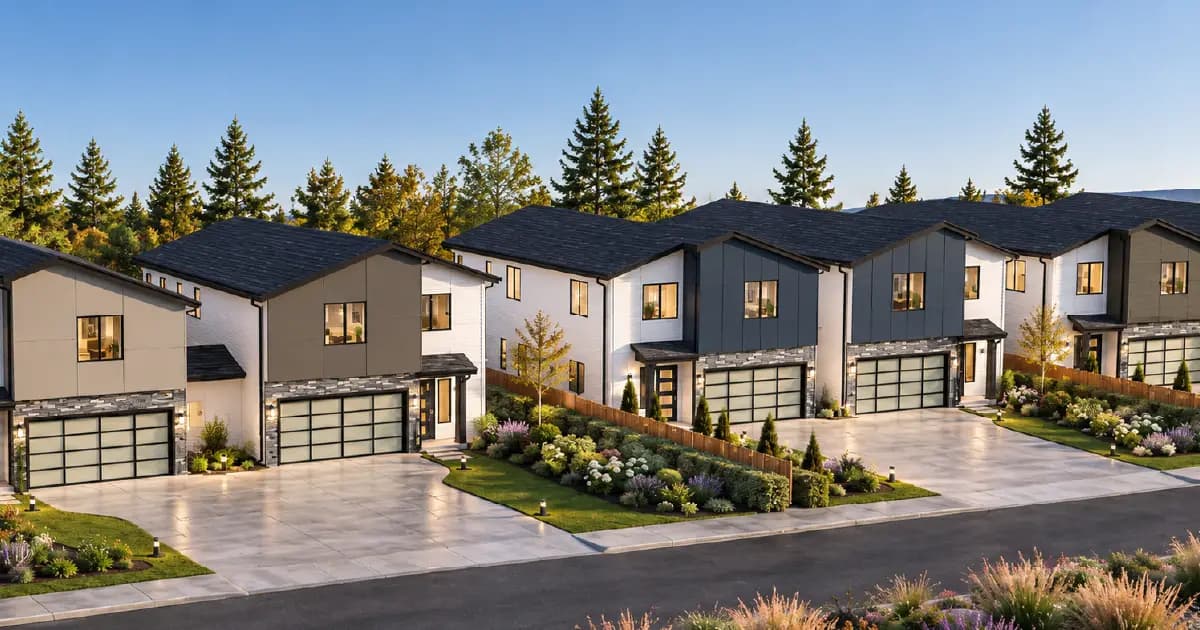
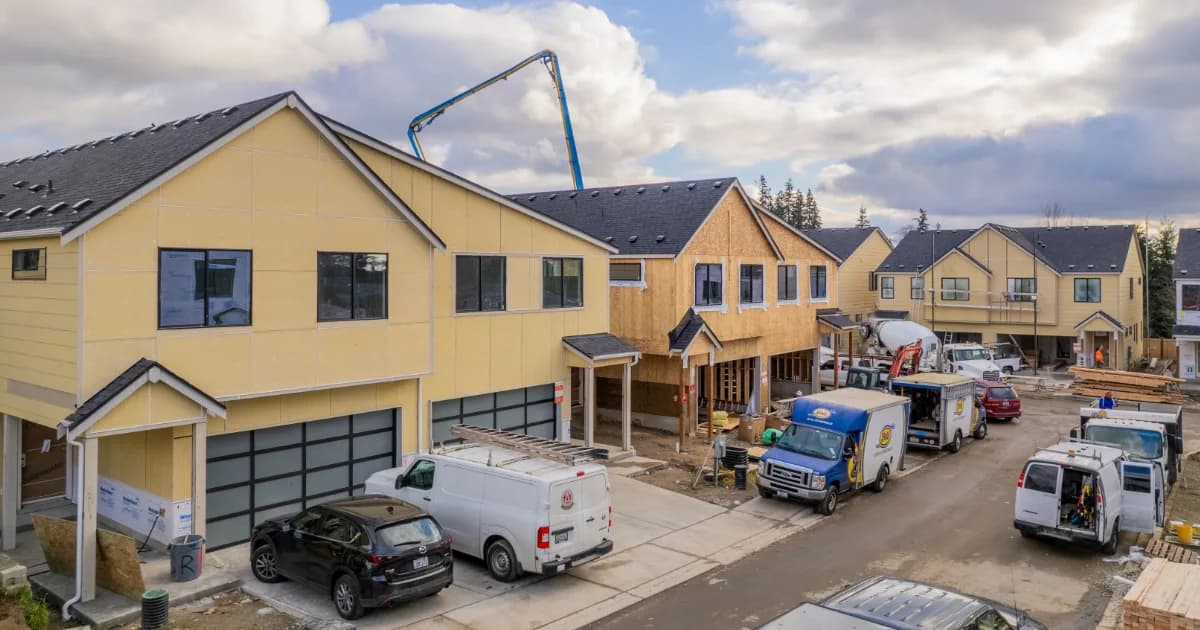
A new construction home is exactly what it sounds like: a home that has never been lived in before. It may already be completed and move-in ready, or it may still be under construction (pre-sale), giving buyers a chance to personalise finishes and layouts. 

These homes come in many styles and formats, including: 

What they all share is this: they’re built for how people live today, not how homes were designed decades ago.

Why So Many Buyers Start With New Construction

There’s a reason many buyers begin their search by looking at brand new construction homes.

For some, it’s about avoiding surprises. For others, it’s about modern design, energy efficiency, or simply wanting a space that hasn’t already been shaped by someone else’s choices.

Especially for first-time buyers, new construction can feel more straightforward. There’s comfort in knowing the roof is new, the systems are updated, and the layout was designed for today’s lifestyles.

But comfort doesn’t mean perfection—and that’s where understanding both the pros and cons really matters.

The Advantages of Buying a New House

1. Homes Designed for Real Life Today

One of the biggest advantages of buying a new house is how it’s designed.

New homes tend to reflect the way people actually live now:

  • Open kitchens that connect to living spaces
  • Rooms that flex between work, rest, and play
  • Storage that’s thoughtfully planned, not added as an afterthought

Instead of working around walls or layouts that no longer make sense, many buyers appreciate how natural and usable new spaces feel from day one.

2. The Ability to Make It Yours From the Start

Depending on when you buy, you may be able to choose finishes that match your taste—things like flooring, countertops, cabinet colors, or even parts of the floor plan.

That choice can feel empowering. Instead of changing a home later, you’re shaping it early.

And while customization isn’t unlimited, even small decisions—like the tone of the cabinets or the feel of the flooring—can help a home feel personal in a meaningful way.

3. Lower Maintenance at the Beginning

Another commonly recognized advantage of new construction is peace of mind—at least in the early years.

With a new home:

  • Systems are new
  • Appliances are new
  • Materials meet current building standards

This doesn’t mean maintenance disappears, but it often means fewer immediate repairs. For many buyers, especially those purchasing new homes as first-time buyers, that predictability can ease a lot of stress.

4. Energy Efficiency and Comfort

New construction homes are built to current standards, which often means better insulation, newer systems, and more consistent temperatures throughout the home.

While energy savings depend on many factors, a lot of homeowners notice that newer homes simply feel more comfortable day to day.

5. Communities That Are Planned, Not Random

Many new homes for sale are in communities that were built all at once, not over time.

That usually means streets that people can walk on, green spaces that everyone can use, and neighborhoods that bring people together. It’s not just the house, but also the area around it.

That sense of place is important at MSR Communities. A home should feel like it belongs where it is. 

6. Builder Warranties

Most new homes come with some kind of warranty. Many buyers like having that extra layer of security in the first few years of ownership, even though the specifics may vary.

The Disadvantages of Buying a New House (And Why Many Buyers Still Choose It)

There is no perfect choice. But considering negatives also helps you make better choices.

  1. Upfront Costs Can Be Higher: In some markets, new homes cost more at first than older homes that are being sold again. Land costs, materials, and modern features all play a role. Some buyers, on the other hand, think that the balance changes over time when fewer repairs and updates are needed.
  2. Waiting Takes Patience: If your home is still being built, timelines can shift. Things happen with the weather. Materials get delayed. Plans change.

For buyers who need a specific move-in date, this can be a little inconvenient. For others, the wait feels worth it for a home built specifically for them.

  • Neighborhoods Take Time to Feel “Finished”

New communities grow in phases. Trees mature. Amenities come online gradually. Construction may continue nearby for a while.

Some people enjoy watching a neighborhood come to life. Others prefer an area that’s already fully established. Neither preference is wrong.

  • Some Features Come Later: Things like fencing, patios, or upgraded landscaping may not be included upfront. Planning for these future additions is part of owning a new home.
  • New Construction and First-Time Buyers: For many first-time buyers, new construction feels more approachable.

There’s comfort in knowing what you’re getting. Relief in fewer immediate fixes. And clarity in pricing and features.

That said, it’s still important to plan carefully for things like property taxes, HOA fees, and long-term affordability.

Having the right guidance makes a difference here.

Newly Built Townhomes or Single-Family Homes?

When deciding between single family homes for sale and newly built townhomes for sale, it often comes down to lifestyle.

  • People who want more space, privacy, or a yard usually like single-family homes.
  • Townhomes often work well for buyers who prefer less exterior maintenance and a more connected community feel.

Both can be great options. It’s about what fits your day-to-day life.

So… Are the Pros Worth the Cons?

For many buyers, yes.

While there are trade-offs, the advantages of buying a new house often outweigh the drawbacks—especially for people who value modern design, predictability, and the chance to make a home their own from the start.

More than anything, it comes down to this:

  • This is the place where you’ll spend most of your life.
  • Where mornings begin and evenings end.
  • Where routines form and memories grow.

That matters.

A Thoughtful Next Step 

At MSR Communities, we believe homes should feel personal, not transactional. 

If you’re exploring brand new construction homes, whether you’re interested in single family homes for sale or newly built townhomes for sale, we invite you to explore our communities. Every home is designed with real life in mind—so you can focus less on the house itself and more on the life you’ll live inside it. 

Take a look at our homes for sale and see how MSR Communities helps turn everyday living into something meaningful.  


Is condo a Single-family home

Is condo a Single-family home

The dream of homeownership varies from person to person. For some, it’s the classic detached single-family home with a front porch and a yard to enjoy. For others, it’s a sleek condo with a view of the city skyline —low maintenance, and making it easy for a busy, modern lifestyle. While condos and detached single family homes—are often considered under the title of “single-family living,” the experience of owning and living in each one can vary in meaningful ways. Beyond the theoretical definitions, factors like privacy, maintenance, flexibility, and personal space come into play—and they can have a real impact on your day-to-day life. 

Let’s break it down in simple terms, and help you make a choice that truly fits the life you want to live. 

What’s the Real Difference Between a Condo and a Single-Family Home?

Think of a condo (short for condominium) as your own private haven inside a bigger building or community. You own everything within your walls, but the hallways, the roof over your head, the gym, the pool, even the outside walls – those are shared with everyone else. It’s kind of like owning an apartment, but you’re part of a collective that takes care of certain things.

A single-family home? That’s your own little castle, standing solo on its own piece of land. You own the whole space – the house and the ground it sits on. No shared walls. No hearing your neighbor’s early morning workout routine through the ceiling. 

What Lifestyle you choose?

Before you crunch the numbers, wait for a moment and ask yourself: How do I want to live? Buying a home isn’t just about making a financial investment—it’s a lifestyle decision. Let’s explore how single-family homes and condo homes fit different kinds of lifestyles. 

1. Privacy & Personal Space  

• Single-Family Homes: These rank top when it comes to privacy. You won’t share walls, floors, or ceilings with anyone.  Want to enjoy music while you deep clean on a Saturday morning? Go for it. Prefer peace and quiet after a long workday? It’s all yours. 

• Condos: You’re usually surrounded—on the sides, above, or below—by other units. If you’re someone who values solitude or silence, this can be tricky, especially if your building is thin-walled or heavily populated.  

2. Freedom to Customize and Renovate 

• Single-Family Homes: If you’re the type who loves to personalize a home and make a place your own, a single-family home is made for you. Want to paint the exterior a bold color, add a deck out back, or gut the kitchen and start fresh? As long as you follow local zoning and building codes, you’re pretty much in charge. It’s a great option for homeowners who want creative control and the ability to invest in personal touches over time. 

• Condos: With a condo, your freedom to renovate is more limited. You can typically update the interior—think painting walls, replacing flooring, or swapping out cabinets—but anything major (like moving walls or changing plumbing) may require approval from the condo association. And when it comes to the outside of your unit? That’s usually off-limits. Your part of a shared building, so changes to the exterior or common areas are generally a group decision. 

3. Outdoor Space & Pets 

• Single-Family Homes: One of the biggest perks of owning a single-family home is having your own outdoor space. Whether it’s a small backyard for weekend BBQs, a front porch for morning coffee, or room for a garden or playset, it’s all yours. That kind of space is a big win for pet owners, nature lovers, or anyone who just likes a little fresh air and privacy. 

• Condos: Condos typically offer limited outdoor options—maybe a balcony, patio, or access to a shared courtyard. It can be enough for sipping coffee or getting some fresh air, but it’s not quite the same as having your own yard. There may also be rules around pets, especially when it comes to size or breed, so it’s a good idea to check the condo association’s policies if you’ve got a furry friend (or plan to get one).

 4. Maintenance & Responsibilities 

• Single-Family Homes: Owning a single-family home isn’t just about having your own space, you’re responsible for things like yard work, snow clearing, and the occasional roof repair, but for many, that’s part of the fun. Gardening becomes a weekend hobby, mowing the lawn gives you time to unwind, and when the snow falls, your backyard turns into the perfect sledding hill. These “chores” are really just a chance to connect with your home and enjoy the little moments. Plus, you’re in control. You decide when projects get done, who takes care of them, and how you want to invest in your space. It’s your schedule, your way—inside and out. 

• Condos: In a condo, a lot of the maintenance is taken care for you by the HOA (Homeowners Association). However, that convenience comes with a catch. Since the HOA handles these tasks, you’ll have to rely on their schedule and approval process. Whether it’s a repair or an upgrade to common areas, you may find yourself waiting for the board to prioritize and approve the work.

5. Cost & Affordability 

• Single-Family Homes: They might cost more initially, but there’s more potential for equity growth, and you avoid monthly HOA fees (or they’re minimal, in some communities). Plus, the land you own is a major asset.  

• Condos: Condos are often more affordable, especially in city areas. Your monthly HOA fee covers maintenance, repairs, and shared amenities, making it easy to budget. While the fee can go up over time, it takes a lot of the hassle out of homeownership. 

6. Sense of Ownership and Identity 

This one’s a little harder to quantify, but it matters. 

• Single-Family Homes: There’s a deep emotional satisfaction in owning your own house, complete with a mailbox, driveway, and lawn. It often feels like “yours” in a way that’s hard to match. You’re building your castle, your safe space—something uniquely yours. 

• Condos: They can absolutely feel at home. But the shared walls and HOA rules can sometimes limit that full sense of independence or control. 

Final Thoughts: Empowering Your First Home Purchase  

We’ve covered a lot—and now we’re at the part where everything comes together. So let’s get back to the original question: Is a condo a single-family home? Well, it comes under the umbrella of the single- family home because you own your individual unit. But in everyday life, most people don’t think of a condo when they picture a “single-family home.” Why? Because the experience is completely different. \ 

When it comes to choosing between a condo and a single-family home, it really comes down to how you want to live—not just today, but for the future you’re building. Think about having a backyard where you can grow a garden, host weekend BBQs, or simply let the kids and pets run free. Want to customize your kitchen, build a home office, or expand as your family grows? With a single-family home, you can do it all—on your own terms. And beyond comfort and space, there’s lasting value. You own the home and the land, a combination that often grows in equity over time. Plus, many single-family homes are located in neighborhoods with better school options, easier access to transit, and a stronger sense of community—things that make daily life smoother now, and set the next generation up for success. 

At MSR Communities, we design homes with real life in mind—places where families can grow, thrive, and feel proud to call home. If you’re dreaming of a home that gives you space to live freely, stay connected, and invest in your future, we’re ready to help you make it happen.