Choosing the Right Lot in a New Community: What Homebuyers Should Know

When people begin exploring new construction homes, the floor plan usually gets most of the attention.
How big is the kitchen? Is there enough storage? Where is the home office? What finishes are available?
Those questions matter. But there is another decision that can change how the same floor plan feels every day: where the home sits within the community.
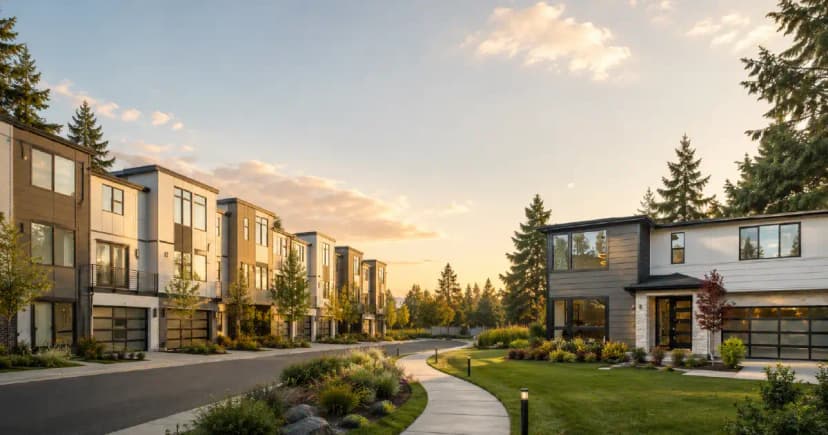
Two homes can have identical layouts and still offer noticeably different experiences because of their homesites. One may receive more afternoon sun. Another may sit closer to a trail or shared amenity. A corner location may feel different from an interior lot. Even the shape and usable area of the yard can change how you use the space.
That is why choosing a lot deserves more than a quick glance at the community map.
If you are comparing new homes for sale, here is a practical way to think about lot selection—and six lot types you may encounter during your search.
Why the Lot Matters More Than It First Appears
The house is where you live, but the lot helps shape how that house works.
Think about something as simple as sunlight.
Do you like morning light in the kitchen? Would strong afternoon sun in the backyard affect when you use an outdoor seating area? Does the orientation of the home change how bright certain rooms feel?
Then there is traffic.
A homesite near the entrance to a community may make getting in and out convenient, while another location deeper inside the neighborhood may have a different traffic pattern. A lot near a park or trail may put something you enjoy close by, but it may also mean more activity nearby.
There is no universally better answer.
The useful question is: Which tradeoffs matter to you?
When looking at a homesite, consider how it may affect outdoor space, natural light, privacy, traffic exposure, nearby activity, access through the community, and the places you expect to use regularly.
The lot is not separate from the home-buying decision. It is part of it.
Also read: Buying a New Construction Home: The Pros and Cons
1. Cul-de-Sac Lots
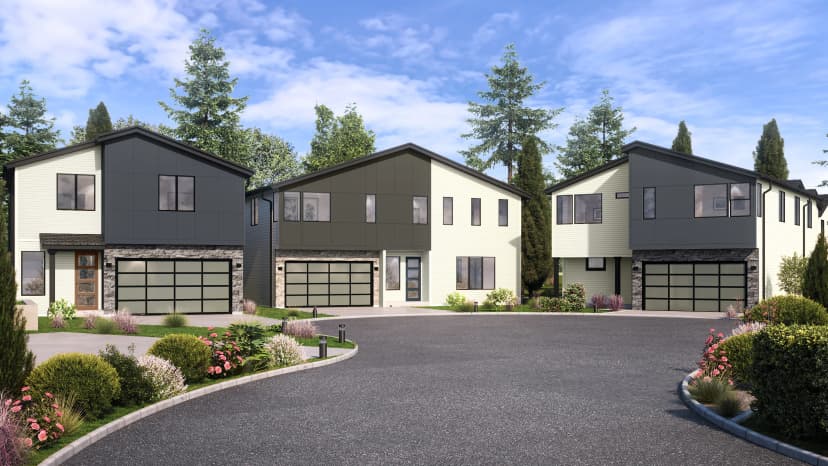
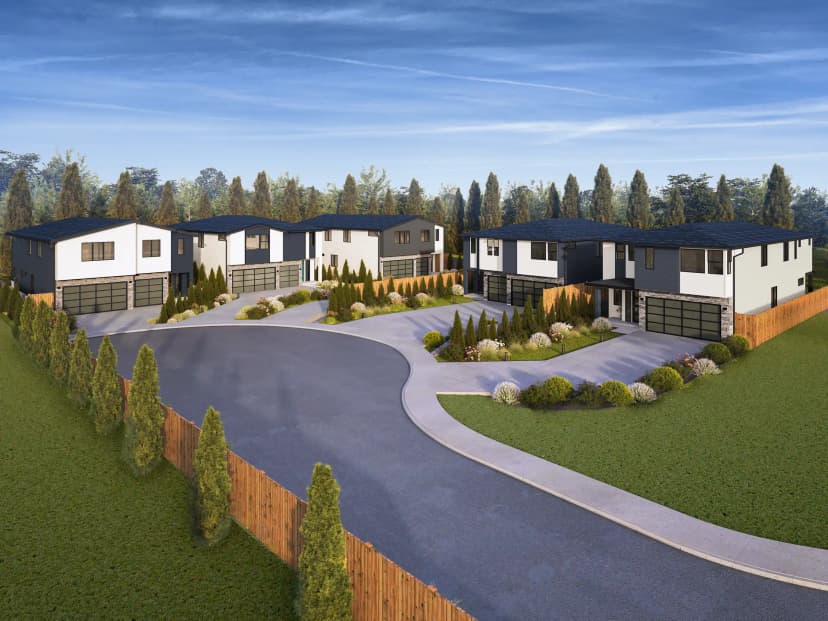
A cul-de-sac lot sits on a street that ends rather than continuing through the neighborhood.
For some buyers, that street pattern is appealing because there may be less through traffic immediately in front of the home. Depending on the community design and exact position within the cul-de-sac, the lot shape may also be different from a traditional rectangular homesite.
But do not choose one simply because the words “cul-de-sac” sound appealing.
Look at the actual lot.
How is the driveway positioned? What is the yard shape? How close are neighboring homes? Where will vehicles turn around? Does the lot widen or narrow toward the back?
Those details will tell you much more than the label.
A cul-de-sac may be a good fit if you prefer a location away from a main through street, but the individual homesite still needs to work for the way you expect to use it.
2. Corner Lots
Corner lots sit at the intersection of two streets.
Because they have street frontage on more than one side, they can feel different from interior lots. Depending on the community layout, a corner property may offer a different yard configuration, additional exposure to sunlight, or more visual openness on one side.
There can also be trade-offs.
More street frontage may mean thinking differently about landscaping, outdoor privacy, pedestrian activity, or how you want to use the yard.
If you are considering a corner lot, do not stop at the question, “Is it bigger?”
Walk the property if possible.
Look at where the usable outdoor space actually falls. Think about which rooms face the street and how you would use the yard. A few extra feet of lot area may matter less than where those feet are located.
3. Interior Lots
An interior lot generally sits between neighboring homes along a street rather than at a corner or the end of a cul-de-sac.
It is one of the more familiar homesite arrangements in many new home communities.
That does not make every interior lot the same.
One may be closer to a community entrance. Another could be farther along the street. Lot orientation, backyard configuration, neighboring homes, and nearby community features can all change the experience.
If an interior lot is on your shortlist, pay attention to the things you will notice once the model-home excitement wears off.
What will you see from the backyard?
How does sunlight move across the property?
What sits behind the lot?
How much activity typically passes the front of the home?
The word “interior” tells you where the homesite sits on the street. It does not tell you whether it is right for you.
4. Greenbelt- or Trail-Adjacent Lots
For someone who actually uses nearby trails or appreciates having open space close to home, these locations can be worth considering.
The key phrase is actually uses.
It is easy to imagine becoming the person who walks the trail every morning because a trail happens to sit nearby. A more useful question is whether walking, jogging, biking, or spending time outdoors is already part of your routine—or something you genuinely expect to use.
Also consider the other side of that convenience.
How close is the trail to the home? Is there pedestrian activity near the yard? What sits between the lot and the open space? How is the outdoor area configured?
Being next to open space should not automatically be translated into “more private” or “better.”
For one buyer, trail access may be a meaningful everyday advantage. For another, a quieter location elsewhere in the community may matter more.
The benefit depends on how you live.
5. Lots Near Community Amenities
Parks, walking areas, clubhouses, gathering spaces, fitness facilities, or other shared amenities can make certain homesites particularly convenient.
If you expect to use an amenity regularly, being able to reach it easily may matter.
Imagine an ordinary Saturday rather than a sales tour.
Would you appreciate being able to walk quickly to the shared space? Or would you rather have a little more distance between your home and areas where people may gather?
Neither preference is wrong.
When comparing lots near community amenities, look at both access and activity.
Ask where entrances, parking, pathways, and gathering areas are located. A map may show that a homesite is “near the park,” but walking through the community gives you a much better sense of what that actually means.
Searching for a new community near me can help you identify options. Choosing the homesite still comes down to understanding how that particular part of the community fits your routine.
6. Premium Lots
“Premium lot” can sound as though it means “better lot.”
That is not necessarily the most useful way to think about it.
A builder may apply a lot premium because a particular homesite has characteristics that distinguish it from other lots in the community. That could involve lot size, orientation, location, open-space adjacency, yard configuration, additional separation, or another project-specific feature.
Those characteristics may be valuable to you.
They may also be features you would rarely notice.
Before paying more for a homesite, ask exactly what makes the lot premium.
If the answer is additional outdoor space, picture what you would actually do with that space. If the premium is tied to a particular location, walk that part of the community. If it relates to a view or increased separation, look at the site instead of relying only on the community plan.
A premium only makes sense when the feature behind it matters to you.
It should not be treated as a guarantee of future resale value.
Also read: 2026 Financial Resolutions for Buying a New Construction Home
Look Beyond the Lot Label
One of the easiest mistakes in lot selection is deciding based on a category rather than the actual property.
“Corner.”
“Cul-de-sac.”
“Premium.”
“Trail-adjacent.”
Those labels are useful starting points. They are not substitutes for standing on the homesite and imagining what an ordinary day might look like there.
If possible, visit at more than one time of day.
Morning light can feel very different from late-afternoon sun. Traffic can change. Nearby community spaces may be quiet during a scheduled tour and busier at another time.
Look at the outdoor area rather than simply reading the lot dimensions.
Ask what is planned behind or beside the property.
If the community is still being developed, understand which phases are complete and what may be built later.
You are not trying to find a flawless lot.
You are trying to avoid discovering six months after moving in that something you could have noticed beforehand actually mattered to you.
How to Choose a Lot Around Your Routine
Instead of asking, “Which is the best lot?” try a different question:
What do I want this location to make easier?
Maybe you spend a lot of time outdoors and would genuinely use a larger yard.
Perhaps natural light matters more.
You might want quick access to a trail or shared amenity. Someone else may place more value on being farther from areas with regular activity.
Even two people choosing the same floor plan can reasonably choose completely different homesites.
That is why the right lot is not necessarily the largest one or the one with the highest premium.
It is the one whose characteristics line up with the things you will actually notice.
At MSR Communities, homesite availability and selection opportunities can vary by community and construction stage. When choices are available, comparing the homesites alongside the floor plan can give you a much clearer picture of how each home may work in everyday life.
Questions Worth Asking Before You Choose a Homesite
A few specific questions can reveal more than asking which lot is the “most popular”:
- What homesites are currently available, and what are the practical differences between them?
- How is each lot oriented, and how may that affect natural light?
- What is planned beside or behind the homesite?
- Are additional construction phases planned nearby?
- Are there HOA or landscaping guidelines that affect how the outdoor area can be used?
- How close is the homesite to entrances, trails, parks, shared amenities, shopping, transit, or other places important to my routine?
- Are there lot-specific costs or premiums, and what characteristics account for them?
- What should I know about the yard configuration, drainage, or water flow?
- Which home features or options vary based on the lot or construction stage?
Notice what is missing from that list:
“Which lot does everyone else want?”
Popularity tells you what other buyers prefer.
It does not tell you how you live.
Choosing the Homesite and the Home Together
Floor plans matter.
Finishes matter.
The lot does too.
A kitchen you love may feel different depending on where the windows face. A backyard that looks generous on a site plan may function differently once you see its shape. Being close to a trail may become one of your favorite parts of the community—or something you rarely use.
That is why lot selection works best when it is treated as part of the larger home decision rather than an item to check off afterward.
If you are comparing new construction homes, think about the home and homesite together.
What does the floor plan give you?
What does the location add?
And are you paying extra for something that will genuinely improve the way you use the home?
Those questions are more useful than trying to find the universally “best” lot.
Because there usually is not one.
There is simply the homesite that makes the most sense for you.
Also read: New Construction Homes for Sale: Your Guide to Buying a New Home
Frequently Asked Questions
What does lot size mean in real estate?
Lot size is the total land area associated with a property. It may be shown in square feet, acres, or another applicable measurement. The total number is useful, but the shape and usable configuration of the property can matter just as much.
What should I consider when choosing a new construction lot?
Consider factors such as lot orientation, natural light, outdoor space, nearby traffic, privacy preferences, community layout, proximity to shared amenities, future construction phases, and how the homesite relates to the places you use regularly.
What is considered a premium lot?
The definition varies by builder and community. A lot premium may be associated with characteristics such as size, location, orientation, additional separation, open-space adjacency, or another site-specific feature. Ask what the premium represents before deciding whether it is valuable to you.
How do I choose the right lot for my lifestyle?
Start with your routine rather than the lot category. Think about how often you use outdoor space, how much nearby activity you are comfortable with, whether natural light is important, and which parts of the community you expect to use regularly.
How do I pick the best lot in a subdivision?
There is no single best lot for every buyer. Compare the actual homesites based on your priorities, including outdoor-space configuration, orientation, traffic patterns, nearby development, community features, and lot-specific costs.
Why is lot selection important in a new construction community?
The lot can influence how you experience the same floor plan, including natural light, yard use, nearby activity, traffic exposure, and access through the community.
How long does it take for a new home community to be completed?
New home communities may be built in phases. The timeline varies by project size, development plans, construction schedules, and other project-specific factors. Ask the builder what is currently complete and which future phases are planned.