How Builders Price New Homes in Competitive Markets
Ever walked through a new home model and quietly wondered, “How did they land on this price?”
For many buyers, new construction home prices can feel a little hard to decode at first. Two homes may appear similar, but their pricing reveals a slightly different narrative. And in current markets, those differences can feel even more noticeable.
It’s not guesswork to set a price for a new home. Builders follow a steady, thoughtful process—one that balances real costs, market demand, and what buyers truly care about.
Let’s break it down in a way that actually makes sense.
First, It’s About the Market—Not Just the Home
Before a builder gives a home a price, they take a step back and look at the whole picture.
They are paying attention to things like:
- How fast homes are selling in the area
- What buyers are most interested in right now
- Prices are changing in similar communities.
This step becomes more important when market conditions are more balanced or demand is less intense. In these situations, builders focus not just on setting a price but on positioning the home thoughtfully to attract the right buyers over time.
That’s the starting point for most home pricing strategies.
What You’re Really Paying For
When you see the final price, it’s the result of many smaller pieces coming together. A clearer way to understand the new home cost breakdown is to look at what goes into building and delivering the home.
The Land It Sits On:
Location plays a bigger role than most people expect. A home closer to:
- Major job centers
- Well-rated schools
- Everyday conveniences
may come at a higher price point. That’s not just about demand—it often reflects long-term livability.
The Cost to Build:
Then there’s the actual construction. This includes:
- Materials (which can fluctuate over time)
- Skilled labor
- Structural and energy-efficient systems
Even small shifts in these areas can influence new-construction home prices over time.
The Way the Home Is Designed:
Not all homes are built the same—and that shows up in pricing.
For example:
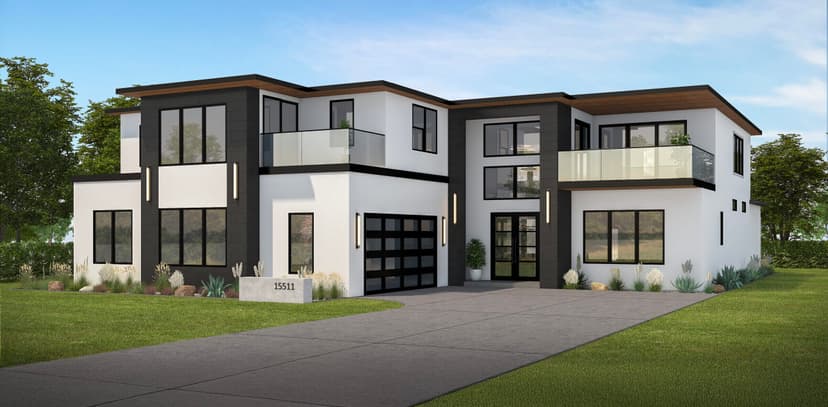
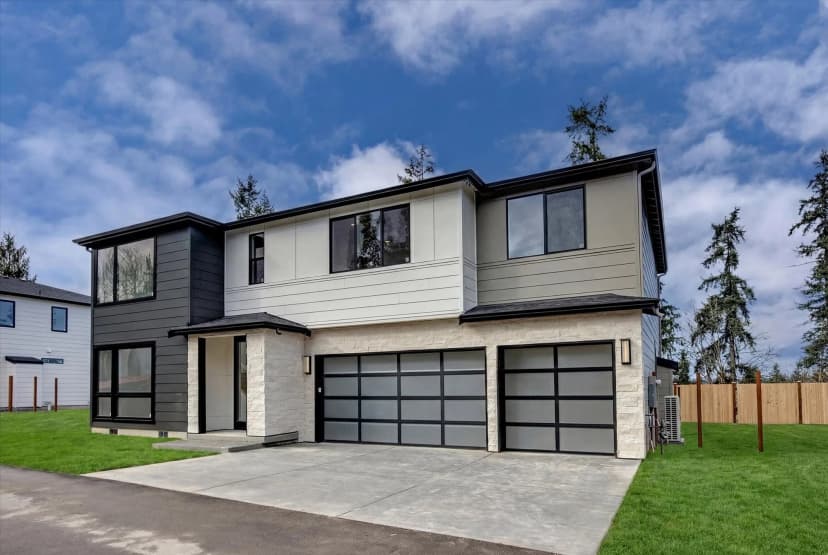
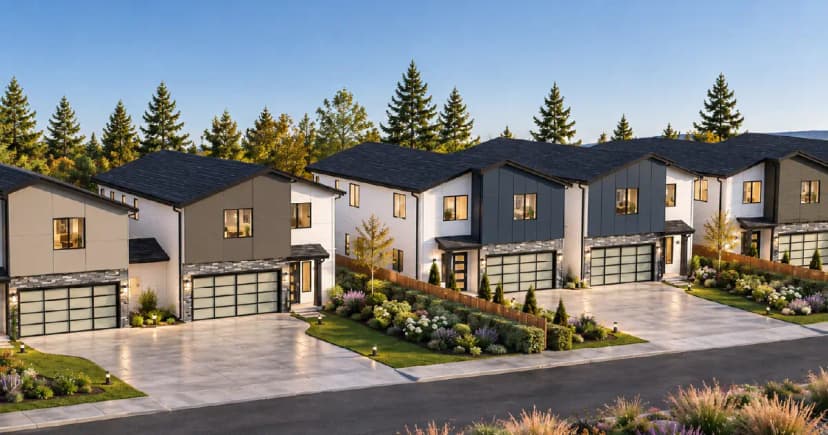
- Single-family homes usually offer more space and privacy
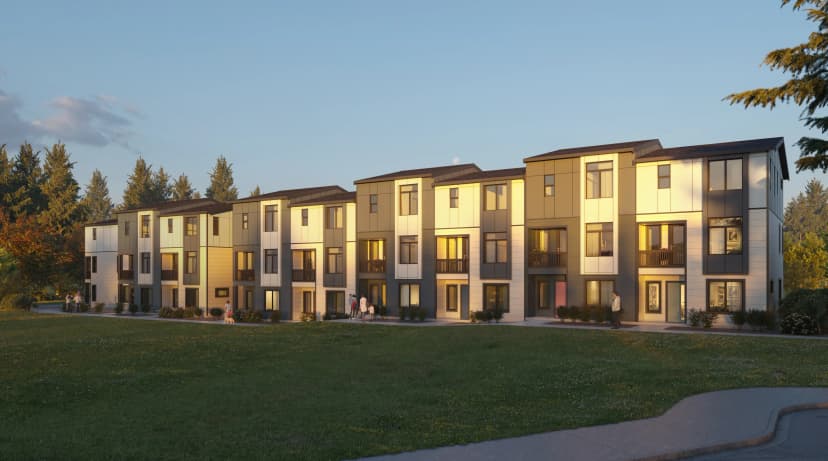
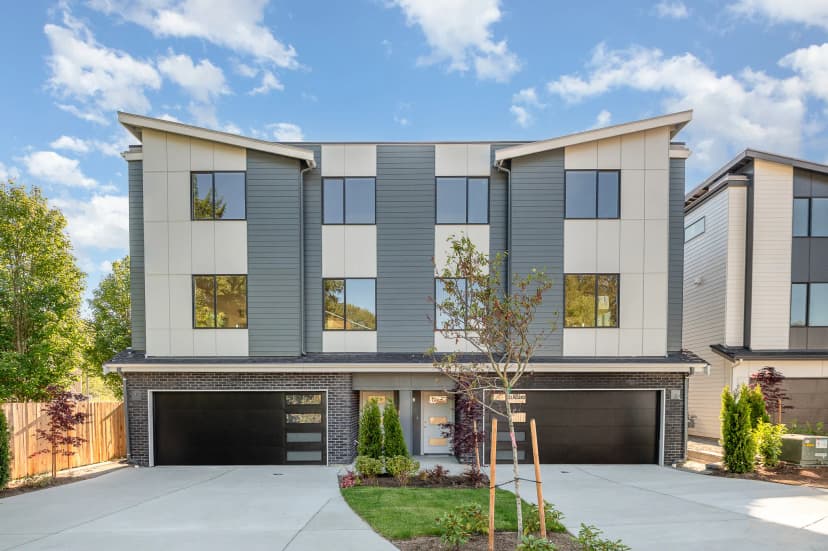
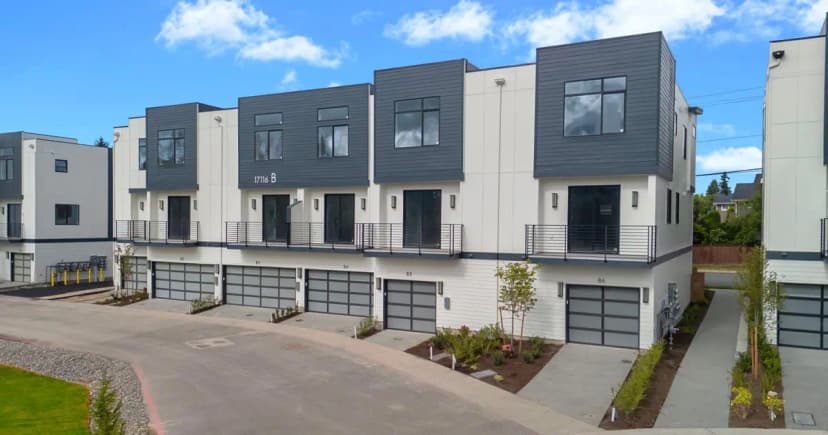
- Townhomes tend to focus on efficient layouts and simpler upkeep
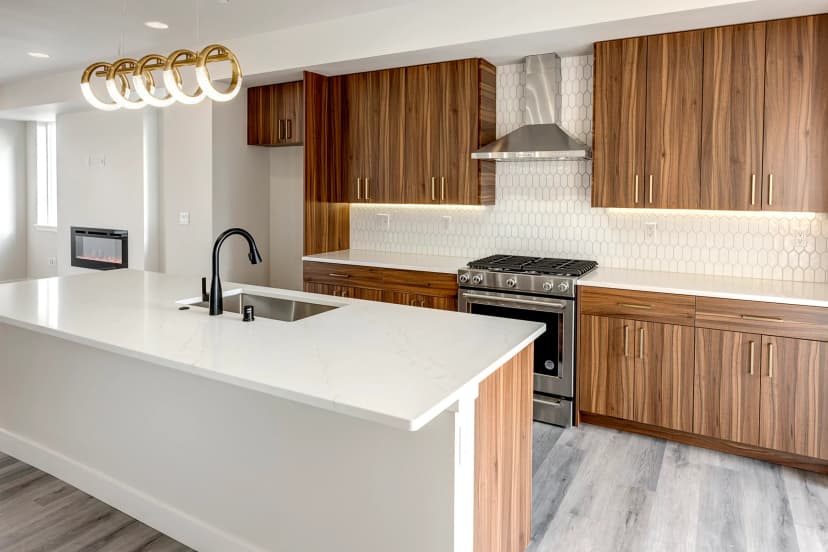
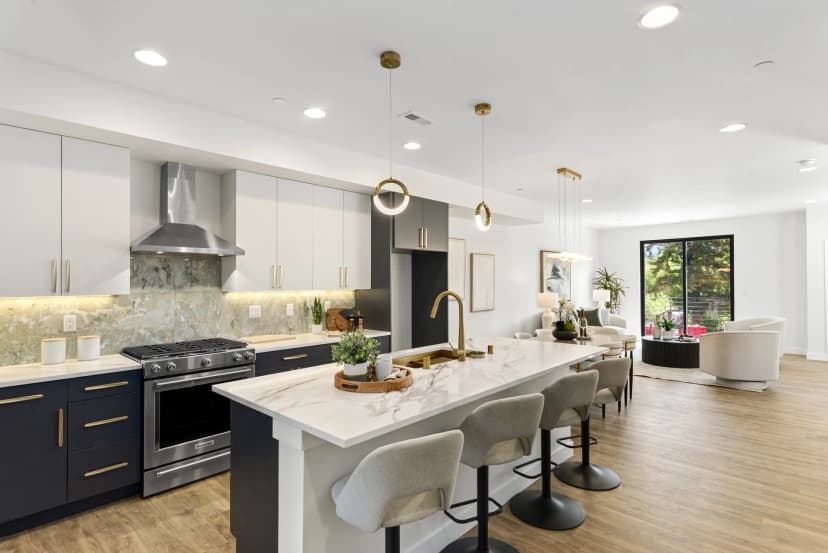
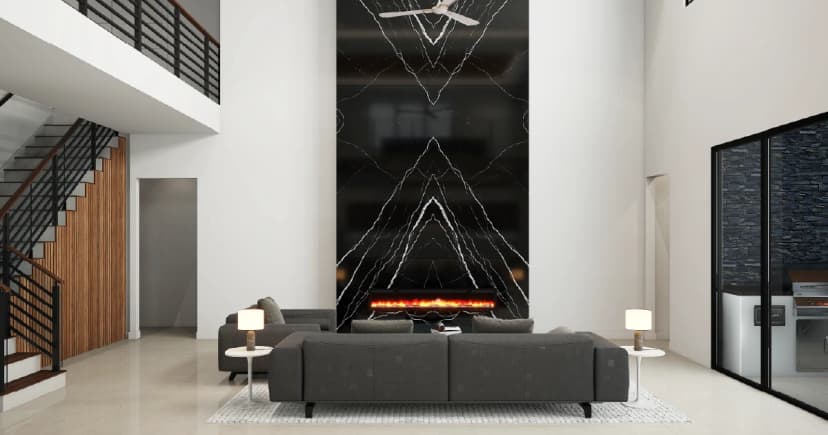
Design details, finishes, and included features all shape new home pricing in a very real way.
The Community Around It:
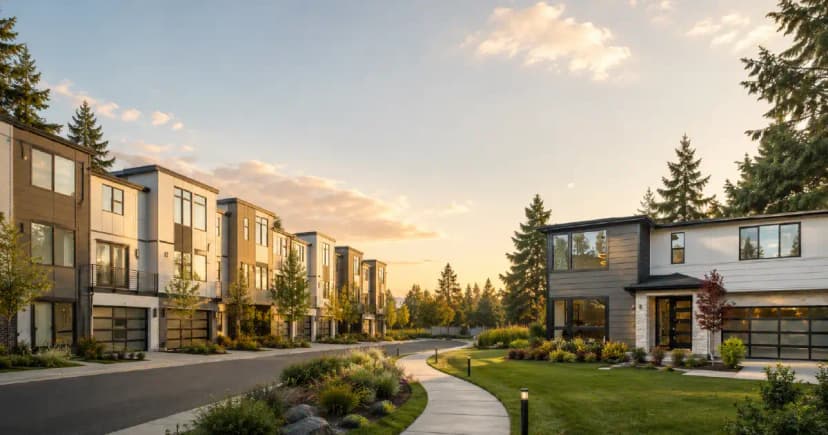
When you buy a new home, you’re also stepping into a neighborhood that’s been planned and built over time.
That often includes:
- Streets and sidewalks
- Landscaping
- Shared outdoor spaces
Those elements are part of the overall value, even if they’re easy to overlook at first.
How are Pricing Shifts Depending on the Market
In a slower market, pricing may stay relatively steady. In a competitive one, it tends to move more.
Builders don’t set a price and walk away. They keep watching what’s happening and adjust when needed.
Here’s what that can look like in practice.
Watching What Buyers Are Doing
Builders pay close attention to how quickly homes are selling.
If homes are moving fast, it may signal strong demand.
If things start to slow, they may revisit pricing or introduce incentives.
This ongoing adjustment is a key part of how home pricing strategies stay relevant.
Releasing Homes in Phases
You might notice that homes in the same community aren’t all priced the same way. That’s often because they’re released over time.
- Early releases may come with more introductory pricing.
- Later releases may reflect changes in market conditions.
It’s a gradual approach that helps builders stay aligned with the market.
Offering Value Without Changing the Base Price
Instead of lowering prices outright, builders sometimes add value in other ways.
You might see:
- Assistance with closing costs
- Upgraded finishes included
- Financing incentives
For buyers, this can make a meaningful difference while keeping the overall structure of new home pricing intact.
Why Single-Family Homes and Townhomes Are Priced Differently
When you compare single-family homes and townhomes, the price differences usually have to do with how the home is built and what comes with it.
These houses usually come with:
- More space
- Outdoor space just for you
- More distance from neighbors
They may cost more in many places because they usually need more land and materials.
The design of townhomes focuses on efficiency.
They often have:
- Walls that are shared.
- Layouts that are smaller and easier to handle.
- Less outside upkeep.
For many buyers, they make it easier to enter the new-construction housing market in a range of locations.
Timing Matters More Than You Might Think
Many buyers are surprised to learn that timing can affect prices.
Buying Earlier
- More options for home sites
- Possibility of pricing in the early stages
Buying Later
- Not as many choices available
- Prices may change over time based on broader market conditions.
- There is no better option; it all depends on what you value most.
Neither option is better—it just depends on your priorities.
Why Prices Don’t Always Stay the Same
It’s normal to want things to stay the same, but prices can change.
Some common reasons are:
- Changes in the cost of materials
- Availability of workers
- Wider economic conditions
- Demand from buyers
Builders try to carefully respond to these changes, keeping both current buyers and long-term value in mind.
A Shift Toward More Clarity
Many builders have started to use simpler pricing in the last few years.
That could mean:
- Prices are clear.
- Set upgrade choices.
- Start talking about incentives openly.
This often makes things easier for buyers to understand and feel a little less unsure.
How to Approach New Home Pricing as a Buyer
If you’re in the middle of your search, a few simple approaches can help.
- Ask for the Full Picture: Instead of focusing only on the base price, ask what’s included and what might be additional.
- Think About What Matters Most: Every buyer values something different—space, location, design, or ease of maintenance. Pricing often reflects those priorities.
- Look at Long-Term Value: Energy efficiency, quality construction, and community growth can all play a role beyond the initial price.
- Stay Curious: If something doesn’t make sense, ask. A good builder will take the time to walk you through it.
Where the Industry Is Headed
Builders are continuing to refine how they approach pricing.
There’s more use of real-time data, more focus on buyer preferences, and a stronger effort to create homes that feel relevant not just today but years from now.
That forward-looking mindset helps shape communities that feel intentional and well thought out.
Finding the Right Place
In the end, price is only one part of the story.
A home is also about how it feels, works, and helps you live.
That balance is important to MSR Communities. Every home is built with real people, real routines, and real goals in mind.
If you’re thinking about buying a single-family home or a townhome, it might be worth your time to look more closely at what’s out there. Look at our homes for sale to see how a well-planned community and thoughtful design can work in real life.