How to Buy a House in Another State?
Let’s be honest—buying a home in another state feels like a big leap.
You’re picking a neighborhood you’ve never walked through, figuring out financing from afar, and trying to plan a move that could be hundreds or even thousands of miles away. Maybe you’re taking a new job, getting closer to family, thinking about retirement, or just looking for a place where life feels a little better. And you’re not alone. More people than ever are buying homes outside their state, and most of them do it without the stress they expected.
The trick? Good planning, people who know the area, and using the tools we have now to make things easier. This guide walks you through what actually happens, the mistakes folks make (so you can skip them), and how to feel confident even when you’re buying a newly built home from a distance.
Can You Even Buy a House in Another State?
Yes. You don’t have to live there first. Thousands of people buy in a new state every year—some for work, some for lifestyle, some for retirement, some because the housing market just looks better.
A lot of buyers start looking before they even move. Lenders, agents, inspectors, title companies, and builders all know how to work with people who aren’t local yet. They’ve done it before.
Why Do People Buy Out of State?
People move for different reasons. Some common ones:
- New job or office transfer
- Closer to family or friends
- Housing costs that feel more manageable
- Getting ready for retirement
- Better schools or neighborhoods
- Different weather or lifestyle
- Newly built homes in a place that’s growing
Knowing why you’re moving helps you decide where to look, how fast you need to move, and what matters most in your next home.
Step 1: Get Pre-Approved Before You Look at Homes
One of the biggest mistakes? Starting to scroll listings before you know what you can actually afford.
A pre-approval helps you:
- See how much you can borrow
- Guess your monthly payment
- Make stronger offers later
- Focus on homes that fit your budget
If you’re buying in another state, use a lender licensed there. They’ll know how property taxes, insurance, and HOA fees work locally—and how those costs change what you can afford.
Step 2: Pick the Area Before You Pick the House
A lot of buyers start with houses. But when you’re moving to a new state, start with the area.
Ask yourself:
- How good is the commute at 8 a.m.?
- Where’s the nearest grocery store, doctor, pharmacy?
- Are there parks, trails, or things to do nearby?
- Is the neighborhood growing or pretty stable?
- What do the schools look like?
Google Street View helps. Local Facebook groups, neighborhood forums, and even local news sites can tell you what it actually feels like to live there before you ever visit.
Step 3: Find People You Can Trust in That Area
When you’re not local, you need people on the ground.
Your team might include:
- A local real estate agent
- A mortgage lender
- A home inspector
- A title company
- An attorney (in some states)
A good local agent knows things listings don’t say—like which streets get loud, what’s being built nearby, how fast homes sell, and what neighborhoods are actually worth.
Step 4: Look at Homes Without Being There
You don’t have to fly in to start looking.
Most buyers use:
- 3D Virtual Tours: You walk through the house online and get a real sense of the layout.
- Live Video Walkthroughs: Your agent walks through with you on video and answers questions: “How’s the light in the kitchen?” “Is there noise from the street?” “How much closet space is there?”
- In-Person Visits: If you can, go before you buy. Seeing the neighborhood in real life often tells you more than any photo.
Step 5: Know What You’ll Actually Pay Each Month
The price on the listing isn’t the whole story.
Your monthly cost could include:
- Mortgage payment
- Property taxes
- Homeowners insurance
- HOA fees
- Utilities
- Maintenance
These change a lot between states—and sometimes between neighborhoods too. Before you make an offer, look at the full monthly number.
Step 6: Make an Offer That Protects You
Don’t let distance pressure you into skipping protections.
Most buyers want:
- Inspection Contingency: You can check the condition of the home before closing.
- Appraisal Contingency: If the home appraises lower than the price, you’re protected.
- Home Sale Contingency: If you still need to sell your current house, this gives you time.
These keep you from getting stuck with a bad deal.
Step 7: Read the Inspection Report Carefully
When you can’t visit easily, the inspection becomes even more important.
Ask for:
- A full written report
- Photos of everything they find
- A video if something’s unclear
- Cost estimates for big repairs
Your agent can ask for repairs, credits, or a lower price based on what the inspector finds.
Step 8: Close From Afar (It’s Normal Now)
Most out-of-state buyers close remotely.
Depending on the state, you might:
- Sign papers online
- Get notarized remotely
- Wire your money safely
- Get your keys after closing without being there
Your lender and title company will tell you exactly what’s needed in that state.
| Mistake | Why It Happens | How to Skip It |
| Wrong neighborhood | Photos don’t show real life | Research hard; visit if you can |
| Costs too low in your head | Taxes and insurance vary | Look at the full monthly cost |
| No inspection | Feeling rushed or confident | Always get one |
| Buying on emotion | Move date feels urgent | Stick to your plan |
| Not checking future growth | Don’t know the area | Ask locals about new projects |
Should You Rent First?
Sometimes renting first makes sense. It lets you:
- Actually live in the area
- Try different neighborhoods
- See traffic patterns in real life
- Make a better long-term choice
But if you’re sure about the area and you’ve done your research, buying right away saves you from moving twice and starts building your equity faster.
Places People Can Move With MSR Communities: Washington and Texas
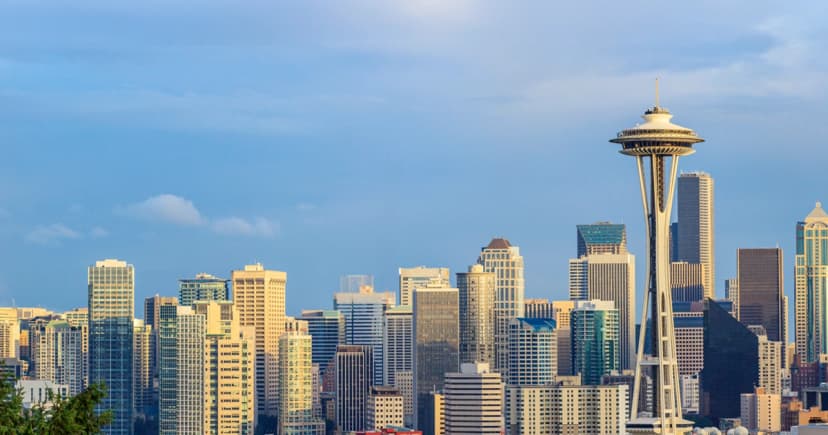
Washington (Seattle Area)
People like it for:
- Tech companies and good jobs
- Mountains, lakes, outdoors
- Strong school districts
- Economy that keeps growing
- New homes being built
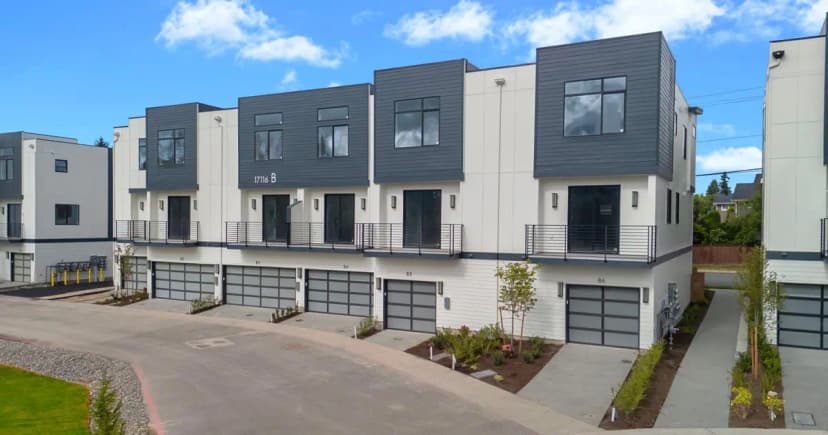
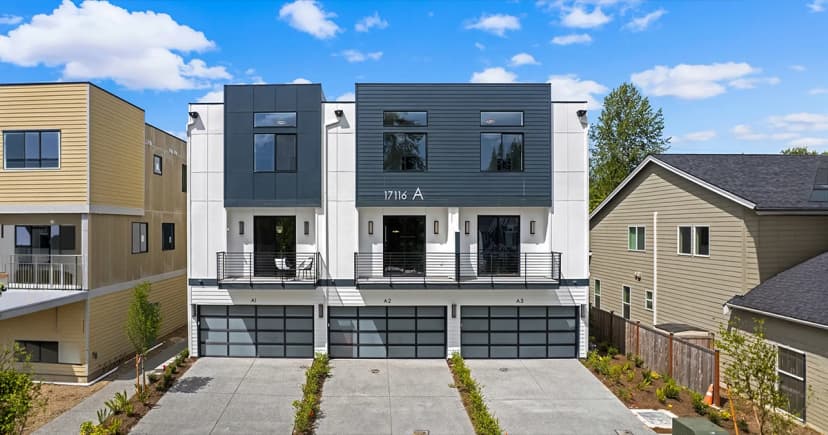
Bothell, Lynwood and Kenmore are popular for modern homes, good community feel, and easy access to Seattle.
Texas
People like it for:
- Jobs growing fast
- No state income tax
- Lots of housing choices
- New businesses opening
- Communities expanding quickly
Frisco is a big one for newer homes and planned communities.
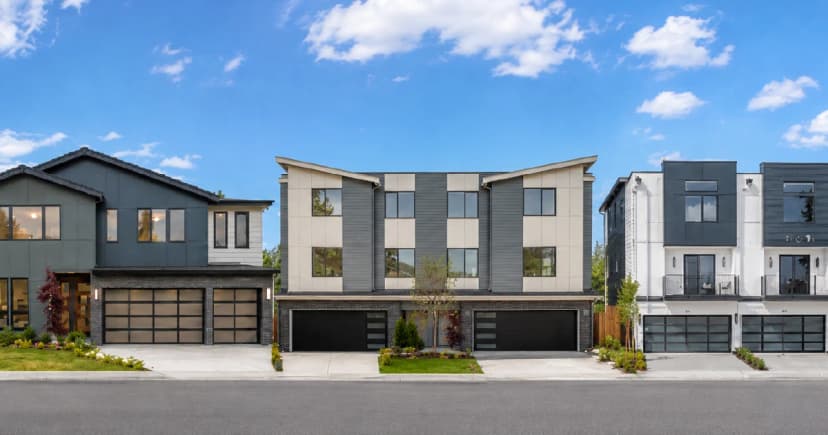
New Homes: Townhomes or Single-Family?
A lot of buyers moving out of state like newly built homes because they need less fixing right away and have modern layouts.
Townhomes: Good for: first-time buyers, professionals, people who want less maintenance.
You get:
- Less upkeep
- Smart layouts
- Often community amenities
Single-Family Homes: Good for: families, people who want privacy, folks who want yard space.
You get:
- More privacy
- More freedom to change things
- bigger indoor and outdoor space
Which one fits you depends on your life, your budget, and where you’re headed.
The Bottom Line
Buying a home in another state is a big step, but it doesn’t have to feel messy. Get pre-approved, look at neighborhoods before houses, find people you trust locally, and use virtual tools to see homes. The buyers who do best focus on location first, know their real monthly cost, and work with pros who’ve done this before.
See What MSR Communities Has in Washington and Texas
If you’re thinking about moving to Washington or Texas, MSR Communities focus on new construction of townhomes and single-family homes made for how people live now.
In Bothell, Lynwood, Kenmore, and Frisco, you’ll find floor plans that work, light-filled construction, and easy access to work, schools, and things to do.
Check out what’s available, take virtual tours, and see current homes at MSR Communities. Or just call and talk with someone who can walk you through your options.