Design That Works for You: How Modern Homes Balance Style and Function
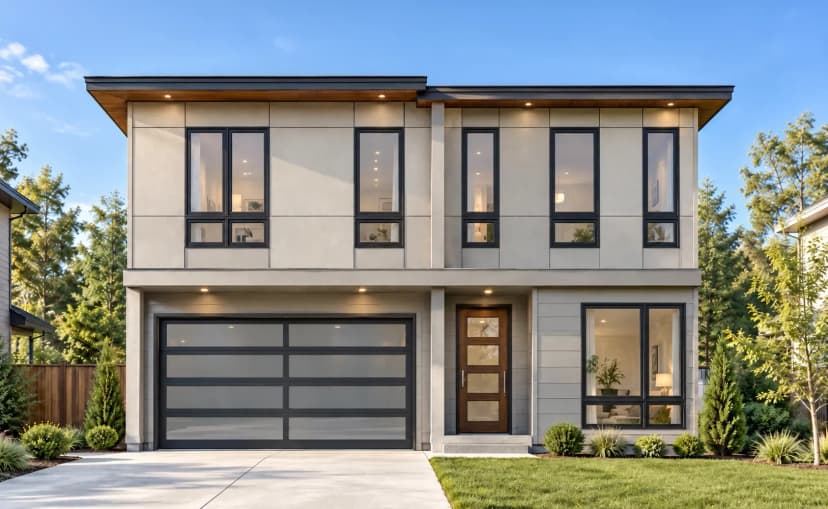
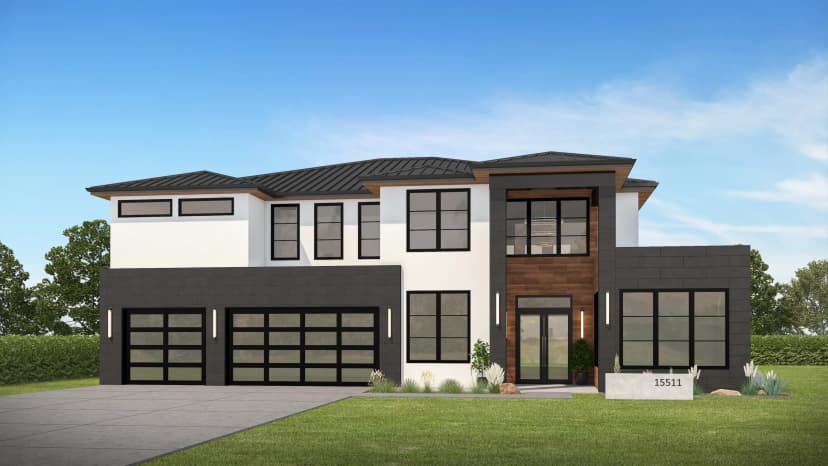
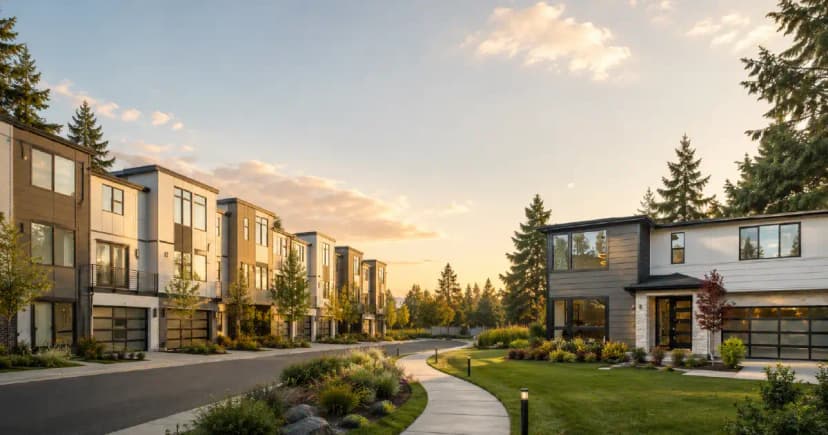
Buying a new construction home today can feel stressful. Between rising prices and market uncertainty, many people are understandably cautious. At MSR Communities, we hear that, and we design homes to ease the load. Through thoughtful modern home design, sensible layouts, low-upkeep finishes, and adaptable spaces, we make owning a home in Washington or Texas feel within reach—and actually pleasant to live in.
Good design is more than a pretty photo. It’s the little things that smooth out your day: a sturdy bench by the door where everyone drops backpacks, a bright breakfast nook that feels welcoming first thing in the morning, or a kitchen island that’s just as useful for folding laundry as it is for serving guests. Those details matter more than expensive frills because they save time, reduce stress, and create space for what really matters—family, rest, and being together.
Design That Fits Real Life
Functional home design starts with understanding how people actually live. It considers daily routines, family needs, and changing lifestyles so every space serves a purpose without sacrificing comfort.
People move in and through a home every day. Thoughtful design follows those actual movements and routines. That means planning routes from car to pantry so groceries don’t have to make a detour across the house; giving the cook clear sightlines to the main living area so kids and guests stay within view; and creating quiet zones where someone can nap, read, or host a visitor without being interrupted.
A home should flex with you. A room that’s a guest bedroom this year can be an art studio next year and a restful library the year after. That flexibility protects your budget—rather than paying to add square footage later, you make smarter use of the space you already own.
Everyday Moments That Thoughtful Design Supports
- Caring for kids while you work around the house. Kitchens oriented toward family spaces mean you can prep dinner and help with homework without leaving the conversation. The idea isn’t about supervising every second—it’s about being present without feeling pulled in a dozen directions.
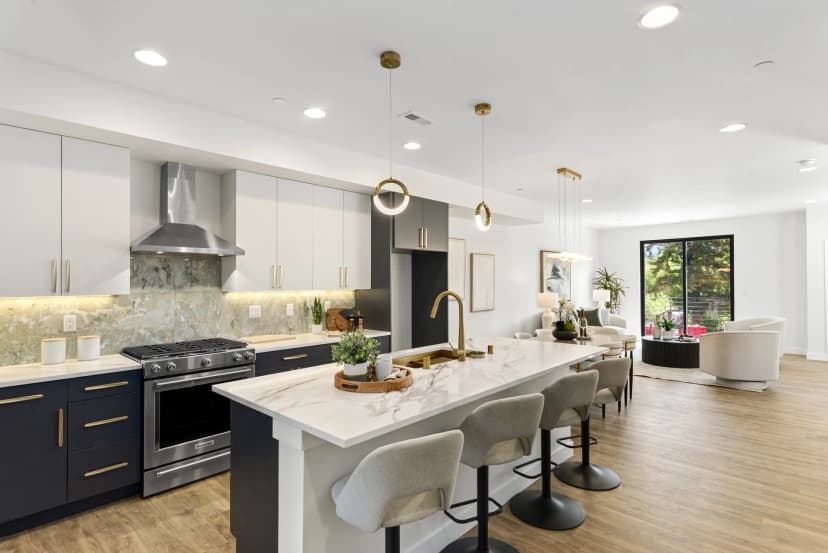
- Hosting without hassle. An island with seating, a clear path to the patio, and a compact flow between kitchen and dining make entertaining feel relaxed. Guests circulate freely, food is easy to access, and you stay part of the party.
- Storage that just works. Walk-in closets, labeled pantry zones, pull-out shelves, and built-in benches with cubbies mean you spend less time hunting for things and more time enjoying the morning routine.
- Multigenerational life with respect. A private ground-floor suite, a tucked-away bedroom, or a bedroom near the garage can help an older family member maintain independence, with easy access to the car making everyday outings simpler. Thoughtful partitions and sightlines preserve dignity and togetherness.
Modern House Design Trends—and Why They Matter
The housing market and demand from buyers has changed. Formal rooms that are just taking up space, like a separate dining room, are often replaced with multiuse spaces. Some of the most practical modern house design trends today are flexible floor plans, multifunctional rooms and open living areas that can shift with changing needs.
Buyers want layouts that work day-to-day but allow for growth and flexibility. That change cuts building costs and boosts the real-world value of a home.
Rather than trying to follow every trend, focus on features that support good living: clear circulation, accessible storage, durable surfaces and daylight in the places where people spend the most time. These decisions keep maintenance and value low and steady.
Design Rules That Make Everyday Sense
- Think about function where it counts: kitchen workflow, accessible storage and clear paths throughout the house.
- Flexibility is key: Select furniture and arrangements that can accommodate evolving needs.
- Simplify daily movement: plan a simple route from car to pantry to kitchen.
- Hide everyday clutter: deep cabinets and clever closet systems keep surfaces clear.
- Let the daylight in: natural light increases mood and decreases energy use.
- Use long-lasting materials: easy-clean surfaces reduce chores and retain value.
Modern Home Layout Ideas and Tech That Ease Everyday Life
Today, many of the best ideas for modern home layouts involve maximizing storage, enabling easy movement between rooms and simplifying everyday tasks without increasing your square footage.
A smart home is a practical home. Smart structure, simple, functional technology. You don’t need complicated systems to make a big impact – just solid tools that reduce friction.
Structural Choices That Matter
- Open but defined spaces: Rugs, lighting and furniture carve out cozy zones in an open-plan layout so rooms feel welcoming, not cavernous.
- Purposeful entryways: A mudroom with hooks, a bench and cubbies keeps outdoor gear contained.
- Private Primary Suites: spacious closets and spa-style baths make it easy to unwind
Low-Stress Tech You’ll Actually Use
The best smart home design ideas are often the simplest ones—technology that quietly improves comfort, efficiency, and convenience without creating extra complexity.
- Programmable thermostats and simple lighting controls lower bills and are easy for everyone to operate.
- Zoned heating and cooling lets you condition only the rooms you use.
- Hidden charging drawers and built-in outlets keep counters tidy.
- Pre-wiring for EV chargers or security systems today saves future costs and disruption.
Room-by-Room Choices That Ease Life
- Kitchen
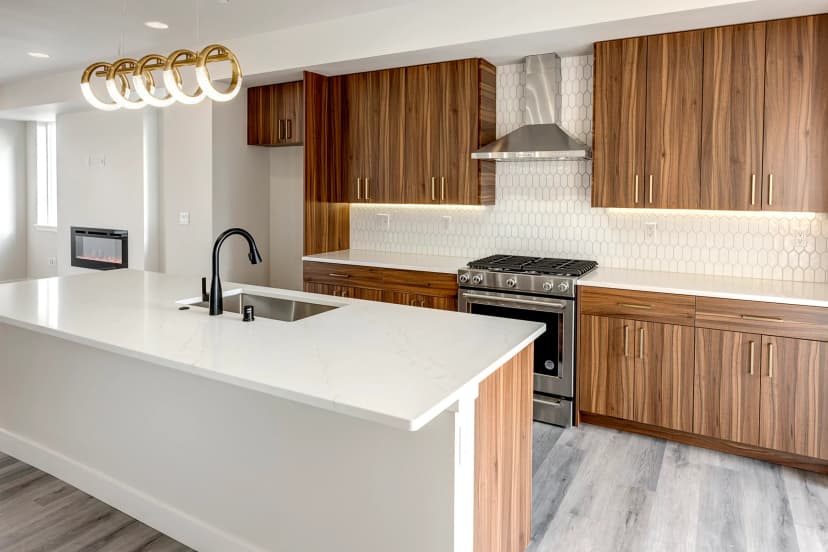
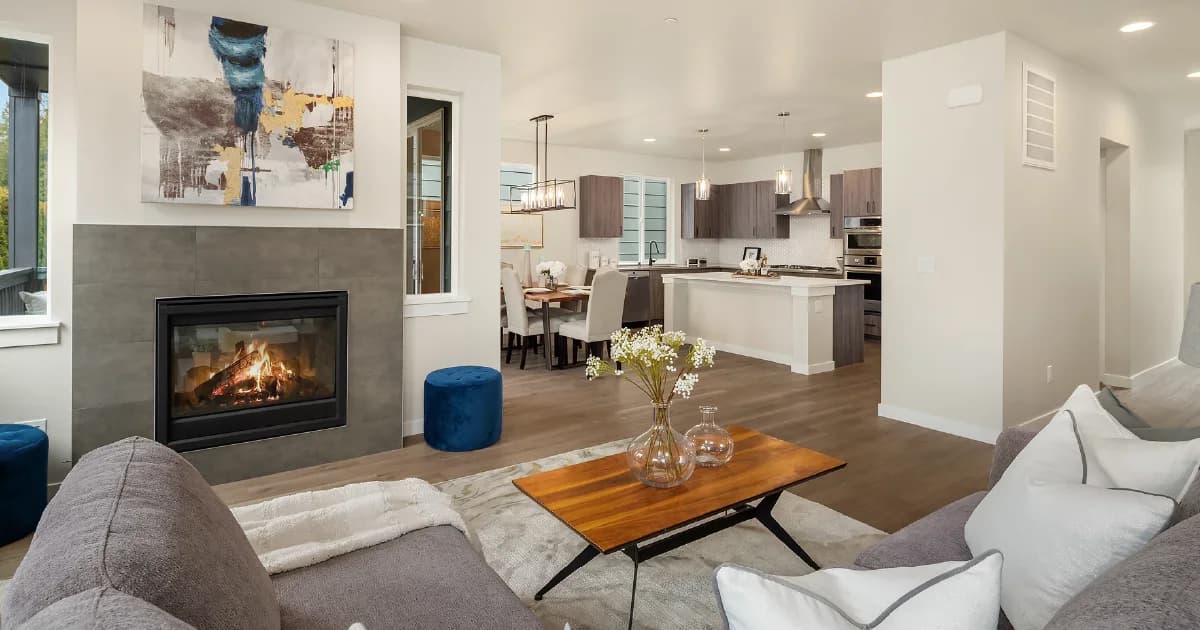
Orient the kitchen toward the main living area or patio so you stay part of conversations. Use deep pull-out drawers, labeled pantry zones, and an island that doubles as a homework counter and serving station.
- Living & Dining
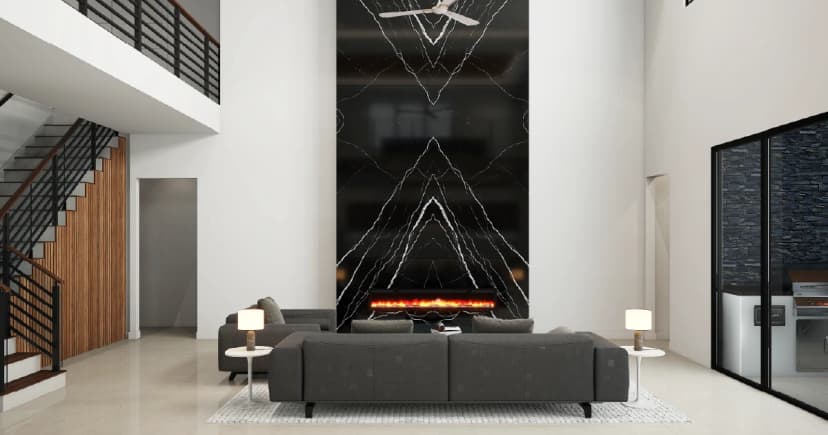
Keep sightlines open so people can mingle naturally. Many modern ideas in home interior design include open sightlines, durable materials and flexible arrangements of furniture to accommodate both everyday living and entertaining. Select performance fabrics and slipcovers that will stand up to spills, and arrange seating for conversation, games and movie nights.
- Bedrooms & Bathrooms
Install walk-in closets and clever shelving to make mornings easier. Bedtime routines are calmer with layered lighting, simple fixtures and blackout shades. Floating vanities, built-in niches for easier cleaning.
- Laundry & Utility
Choose floor plans with laundry near bedrooms and include folding counters; pull-out hampers and sorting bins make laundry day less of a chore.
Smart Spending: Where to Invest, Where to Save
Budget wisely: invest in what’s hard to change later—insulation, windows, HVAC, and a sensible kitchen layout. Save on finishes you can swap easily—paint, cabinet hardware, and lighting fixtures. Energy-efficient choices often pay back through lower utility bills, so think long term.
Small Upgrades With Outsized Benefits
You don’t need a full remodel to capture convenience. Adding pull-out pantry shelves, improving closet organizers, upgrading to low-maintenance countertops, or installing better lighting can all make your days noticeably easier. These modest investments improve flow and comfort and tend to hold value.
A Hopeful, Practical Floorplan
Imagine a three-bedroom home: an open kitchen that faces the family area, a mudroom off the garage with cubbies for backpacks, a flexible nook near the entry for reading or crafts, and a tucked-away primary suite. An adaptable entry-level room offers privacy for guests or a family member, while pulling out pantry shelves and a spacious walk-in closet streamline mornings. A covered patio becomes an extension of the living room for summer dinners and kids play.
This example reflects many of the modern home layout ideas buyers value today, blending flexibility, storage, and comfort into a home that works for different stages of life.
This is not about excess; it’s about using space deliberately so life feels easier every day.
The most successful modern home design choices are often the ones that improve everyday life in small but meaningful ways. From practical storage solutions to smart home design ideas and adaptable spaces, thoughtful planning creates lasting value.
How to Move Forward With Confidence
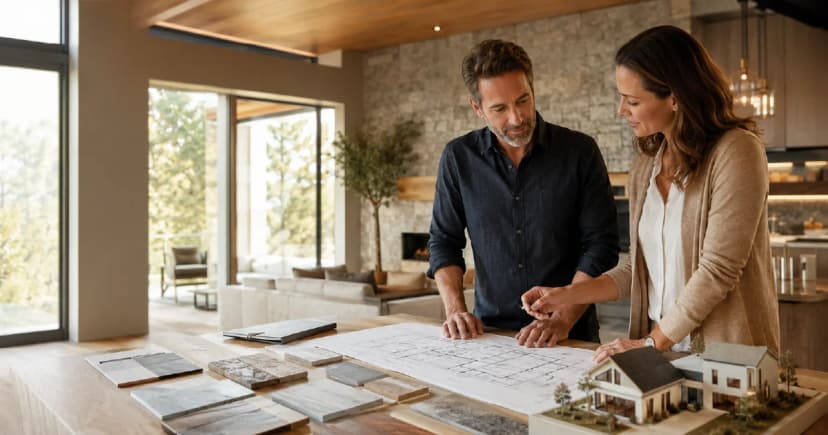
If buying a home feels overwhelming, start small. Prioritize layout, storage, and durable finishes. Visit model homes to see how rooms flow. Ask builders about flexible options and energy choices. Compare financing and assistance programs in Washington and Texas—there are practical steps and local resources that can make a difference.
The MSR Communities Difference
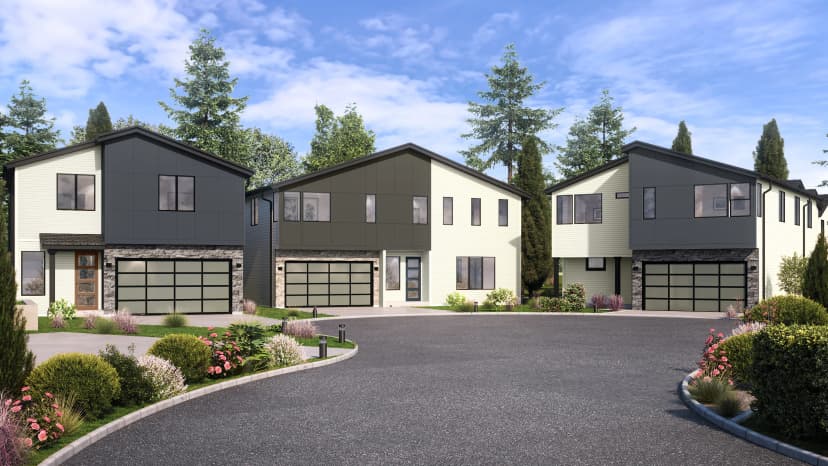
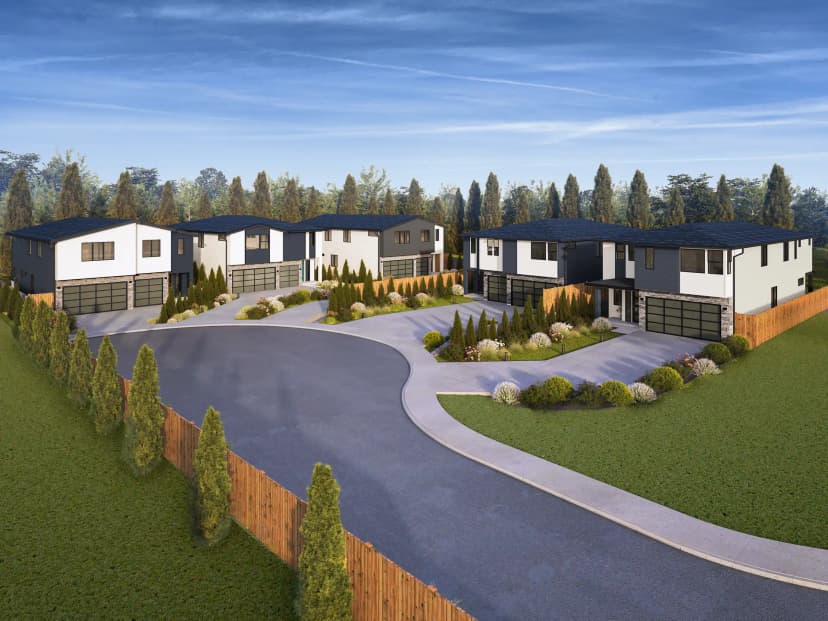
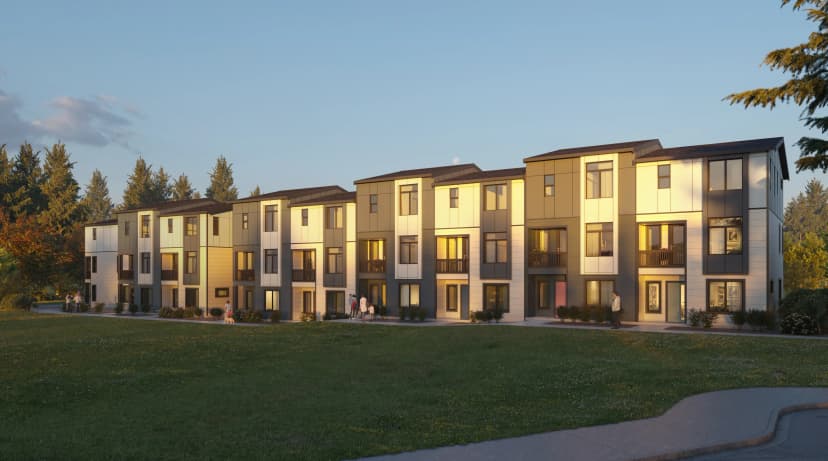
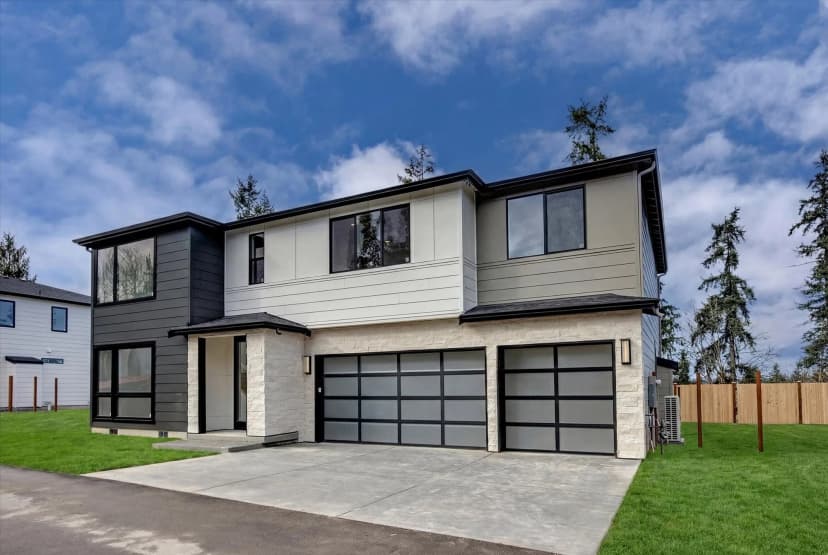
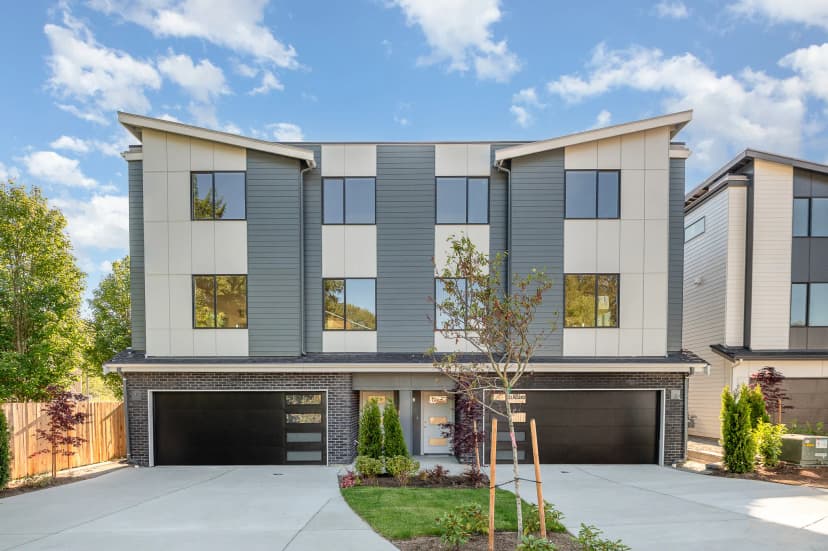
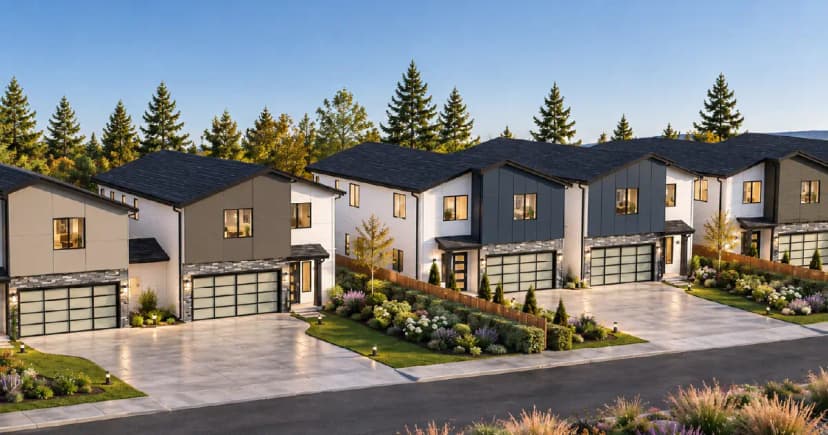
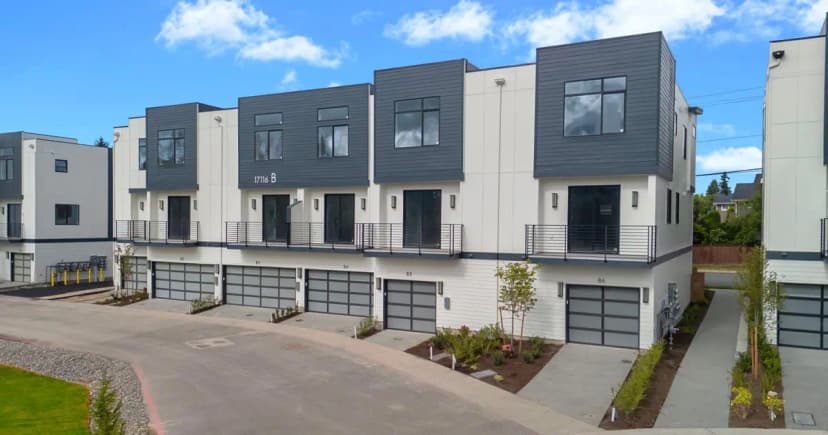
At MSR, people are the blueprint. We design homes that are either townhomes or single-family homes, kitchens you’ll use daily, closets that truly hold a family’s gear, and neighborhoods with sidewalks, parks, and places for neighbors to connect. We choose materials that stand up to life and plans that let homes adapt as needs change. Thoughtful, human-centered design makes a house feel like a refuge and an investment you can count on.
If owning a home feels out of reach, remember this: you don’t need every luxury to live well. A well-planned layout, smart storage, and durable finishes give you daily comfort and long-term value. Small choices today create a home that works for all of tomorrow.