When to schedule home inspection for new construction?
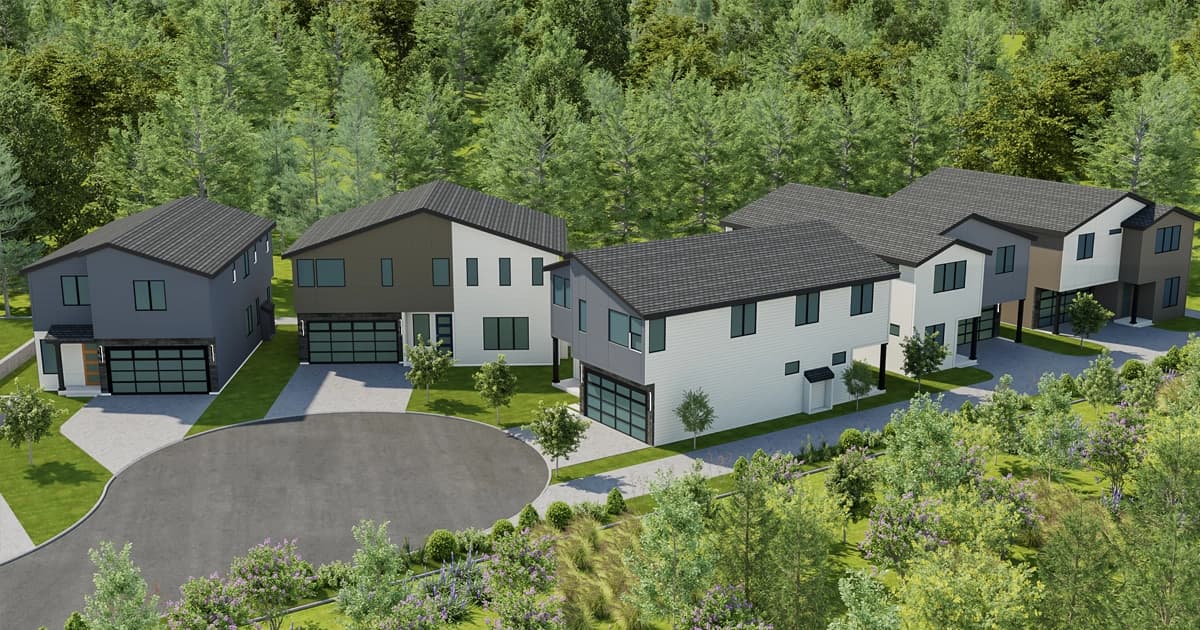
When you’re buying a new-construction home, you might be standing on an empty lot, picturing your custom home rising from the ground. Or you could be at an open house for move-in-ready homes, watching sunlight spill across the living room just the way you imagined. The floor plan fits your life. The location fits your routine. You can already see everyone finding their favorite corner. Coming home to a space that feels like yours is a good feeling.
But before you let that excitement carry you all the way to closing, there’s one step that helps protect it: the home inspection. You’ve saved. You’ve planned. You’ve put in the work for this dream home. The last thing you want is a surprise on move-in day that turns a smile into a sigh. A small investment in a professional new construction home inspection can help keep your journey joyful and your housewarming grand.
Here’s when to schedule home inspection for new construction—whether you’re building a custom home or choosing a move-in ready townhome or single-family home—so you can move forward with confidence.
Why inspections still matter (even for new-construction homes)
New construction is exciting, and builders aim for quality. Still, even the best-managed builds involve many trades working on tight timelines. Minor oversights can happen—things like a loose outlet, a door that needs adjustment, or a drainage detail that could affect comfort over time. A licensed home inspector brings a neutral, trained eye to catch items that are easy to miss in the rush of finishes and final touches.
For most buyers, the goal isn’t to find fault—it’s to gain clarity. An inspection can help you:
- Understand how your home’s systems work and where shutoffs and panels are located
- Identify items the builder may still want to address before closing
- Document condition early, which can be useful during the warranty
That clarity is what keeps your move-in day celebratory and your first year in the home smooth.
Custom new home: when to schedule inspections
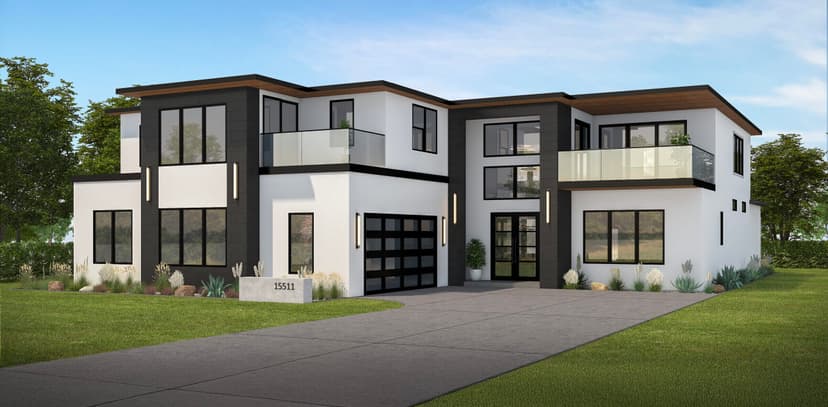
If you’re building a custom new home, timing your home inspections on new construction around key construction phases can make corrections simpler and less invasive. Think in three moments: pre-drywall, final, and warranty.
Pre-drywall (frame/rough-in) inspection
When to schedule: After framing, roofing, windows, and rough-ins for electrical, plumbing, and HVAC are complete—but before insulation and drywall go up. Your builder or sales team can tell you when this window opens and how to coordinate access.
Why it helps: With walls still open, an inspector can review:
- Framing and structural connections
- Roof flashing and drainage details
- Electrical wiring runs and panel setup
- Plumbing supply and drain lines for leaks or support issues
- HVAC duct layout and equipment placement
Catching items here can save time and avoid cutting into finished walls later. For many custom-home buyers, this is the most valuable inspection of the process.
Final (pre-closing) inspection
When to schedule: Typically 1–3 weeks before your scheduled closing or final walk-through. This gives the builder time to review the report and address items while keeping your move-in timeline on track.
What it covers?
The final inspection is about completion and functionality:
- Interior finishes: drywall, paint, flooring, trim, cabinets and tile.
- Doors and windows: operation, weatherseals and hardware
- Mechanical systems: HVAC operation, thermostat calibration, airflow
- Plumbing: fixtures, water pressure, drainage, water heater installation
- Electrical: outlets, switches, GFCI/AFCI protection, lighting
- Exterior: Siding, grading, drainage, Gutters and roof condition.
- Safety Items: Smoke and CO Detectors, Egress Windows and Railings
Buyers are often helped by being at the inspection. By being there, you get to ask questions, find out where key systems are and get a basic understanding of maintenance prior to move-in.
11-month (warranty) inspection
When to schedule: About 10 or 11 months after ownership, typically before the one-year builder warranty expires.
Why it helps: In the first year, homes settle and systems get into their rhythm and it helps. A warranty inspection can document anything that may have occurred since move-in like minor foundation or slab cracks connected to settling, drywall nail pops, trim gaps, drainage or grading changes and HVAC or plumbing concerns that benefit from fine tuning. Having a clear report before the warranty expires gives you a straightforward way to request repairs or adjustments through the builder’s process.
Move-in ready townhome or single-family home: when to schedule
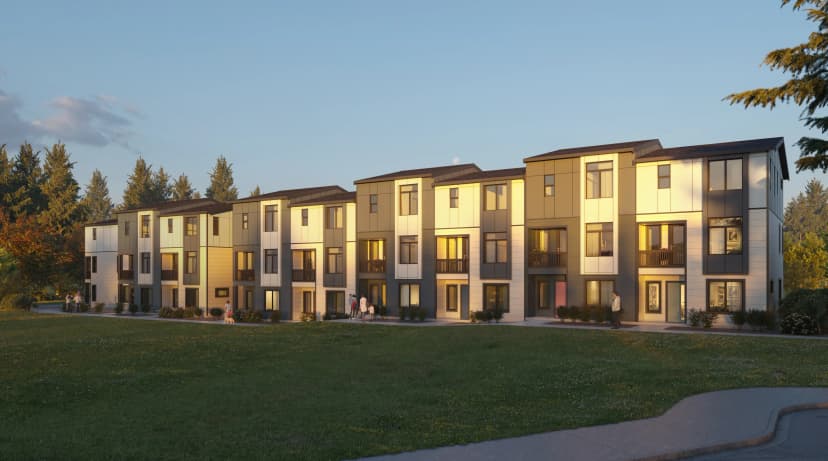
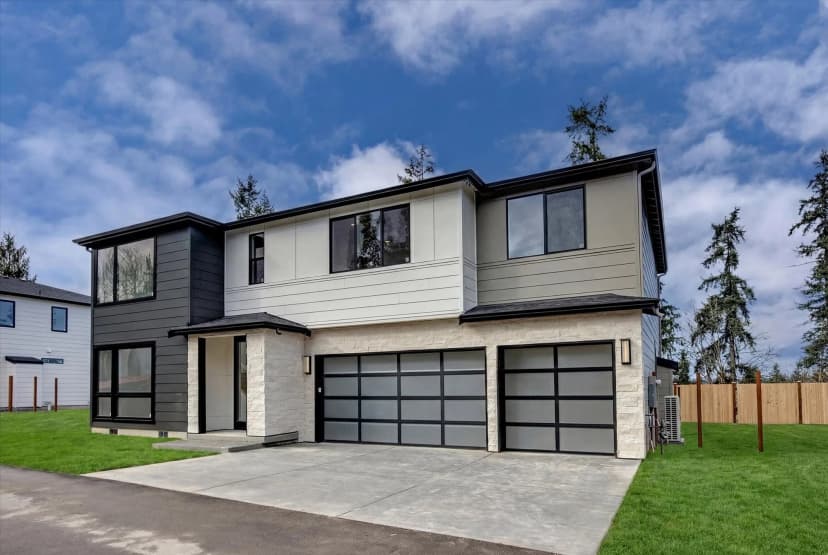
If you’re buying a move-in ready townhome or single-family home, you typically won’t have a pre-drywall opportunity. In that case, the final (pre-closing) inspection is your main moment to ensure everything meets your expectations.
When to schedule: Aim for 1–3 weeks before closing or your final walk-through. This timing allows the builder or seller to review the report and address items while keeping your move-in date intact.
As with custom builds, attending the inspection can be helpful. You’ll learn how everything operates and where to find shutoffs, panels, and filters—practical knowledge that makes the first few weeks in your new home smoother.
Building inspection for new house: what inspection day feels like
A typical new construction phase inspection lasts 2–4 hours depending on size and scope. Many inspectors start outside—roof, gutters, siding, grading, driveways, and drainage—then move room-by-room through interiors, test mechanical systems, and finish with a summary discussion. You’ll receive a written report with photos and notes. Use it to create a punch list for the builder and to prioritize items before closing or during the warranty window.
Practical tips to get the most value:
- Attend and take notes.
- Focus on function and safety first; cosmetic items can often be handled through standard builder processes.
- Keep all reports and communication organized for warranty requests.
Inspection checklist for new home builds (and checklists for townhomes and single-family homes)
Checklists can vary by property type, but the core areas are similar. Below is a practical, buyer-friendly checklist you can adapt.
Single-family home inspection checklist
Structure and exterior
- Foundation visible areas, siding, trim, and paint/stain
- Roof condition, flashings, and gutters/downspouts
- Grading and drainage away from the foundation
- Driveway, sidewalks, and patios
Interior finishes
- Drywall, paint, and texture
- Flooring installation and transitions
- Cabinets, countertops, and trim
- Doors and windows: operation, locks, and seals
Mechanical systems
HVAC: operation, filters, thermostat, and airflow at registers
Water heater: installation, pressure relief, and settings
Fireplace (if included): clearances and operation
Plumbing
- Fixtures: sinks, tubs, showers, and toilets
- Water pressure and drainage speed
- Visible supply and drain lines under sinks
Electrical
- Panel labeling and breakers
- Outlets, switches, and GFCI/AFCI locations
- Lighting fixtures and exhaust fans
Safety and code-related items
- Smoke and CO alarms in required locations
- Handrails and guardrails
- Egress windows in bedrooms
Home inspection checklist for townhome
In addition to the items above, consider:
- Shared walls and any visible separation or cracking
- HOA-maintained exterior elements (roof, siding) and how to report issues
- Balcony or patio drainage and railings
- Community grading and drainage patterns near your unit
- Attached garage door operation and safety sensors (if included)
A note on today’s market—and why hope still leads
It’s natural to feel cautious when making one of the biggest decisions of your life. Rates, inventory, and daily headlines can add pressure. But for many families, the right home at the right time still makes sense—especially when you move in with clarity about condition, systems, and next steps. Inspections are one way to take control of the process, reduce unknowns, and step into your new home with confidence.
And when you find the floor plan that fits your lifestyle, in a location that supports your routine, it’s worth protecting that feeling. A small investment in an inspection helps keep your moving day bright and your housewarming grand.
Ready to see what’s possible in your next home?
If you’re exploring new construction options, MSR Communities offers a range of thoughtfully designed homes in growing neighborhoods—crafted to fit the way you live now and the way you want to live next. Our homes are built to suit your lifestyle filled with natural light, flexible floor plans, prime finishes and customized design choices.
Browse our available homes for sale today and get details on the floor plans, communities and features that fit your lifestyle. When you’re ready, our team will take you through the available homes, timelines and how inspections typically fit in with your buying journey.
Disclaimer: This article is for educational purposes and is a reflection of general practices in new construction. Inspection procedures, timing and warranty terms can differ between builders, communities and local authorities. Always consult your builder, your real estate professional, and licensed inspector concerning the specific home you are buying and the terms of your purchase agreement. This content is not legal, financial or engineering advice.