4 Tips to Choose the Perfect Floor Plan for Your Family

4 Tips to Choose the Perfect Floor Plan for Your Family

When you’re diving into the exciting world of new construction homes, it’s easy to get swept up in the big picture – location, price, and picture-perfect exterior. But the heart of your home, the place where life unfolds, is all about the floor plan. Some homebuyers can get caught up in the excitement and overlook this aspect until they’re knee-deep in the process.

A great new house floor plan isn’t just about square footage and fancy features. It’s about how your home feels, how it flows, and how it fits into the rhythm of your family’s life. It’s about creating a space that feels like it was designed just for you. So, how do you find that best home layout? Let’s dive into four essential tips to help you choose a new house floor plan that truly makes your everyday life easier, more comfortable, and a perfect reflection of your family’s unique needs.

1. Live Your Life, Design Your Home: Prioritize Lifestyle and Space Needs

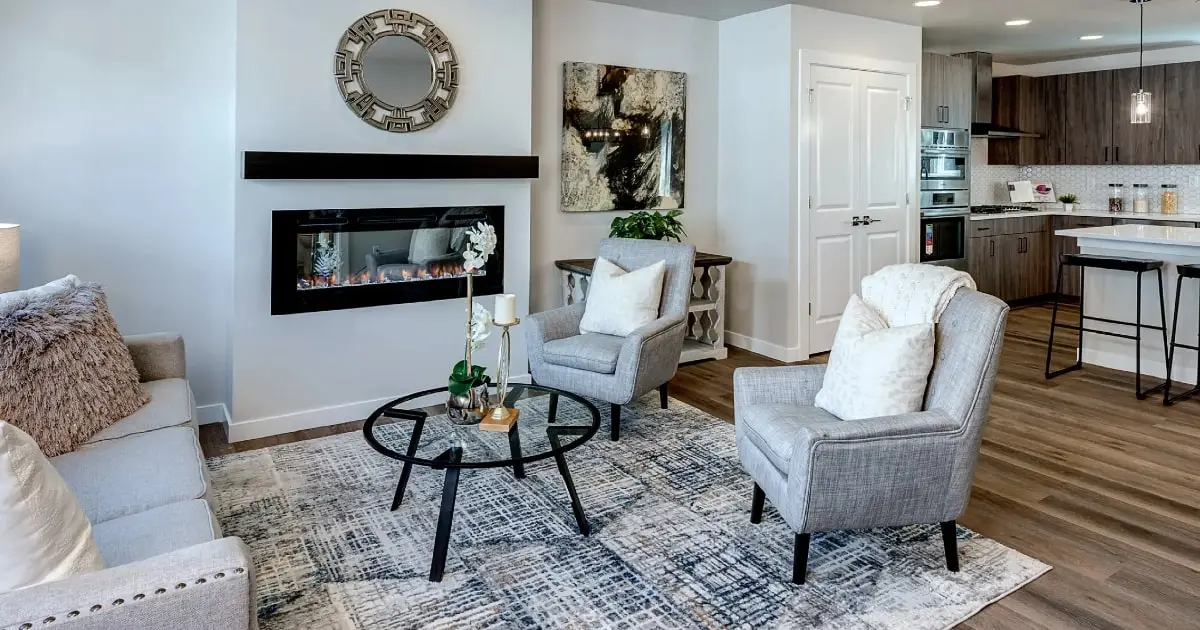
Imagine a home designed to complement your lifestyle, not the other way around. Your home should reflect you—a space that effortlessly supports your daily routines and enhances your way of living. When you’re choosing a townhome floor plans or single-family floor plan, take a moment to really think about how your family lives day-to-day. What routines make life smoother? What are the little things that bring joy and comfort? And, importantly, what will your family need as time goes on? A well-designed layout should be your ally, simplifying your life, not adding to the chaos.

For Growing Families: Visualize the chaos of toys scattered everywhere, the need for quiet homework time, and the joy of family movie nights. Look for homes with at least three bedrooms, a primary suite with a walk-in closet, and a flexible bonus room. That bonus room could start as a playroom, evolve into a teen hangout, and eventually become a study space. It’s all about adaptability.

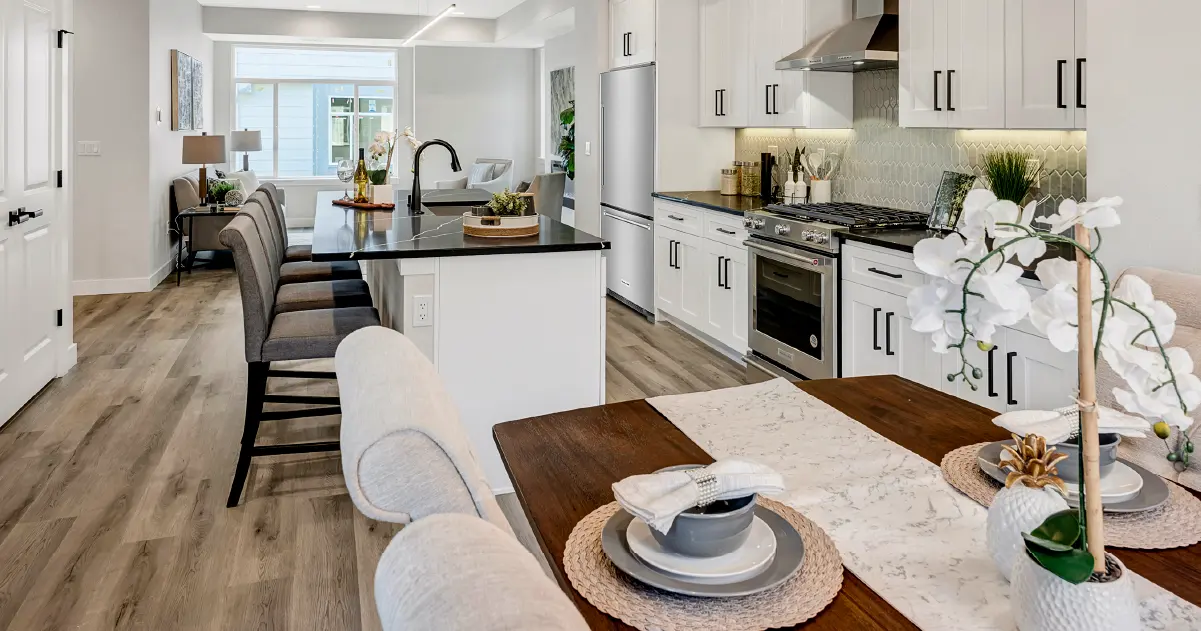
For Entertainers: Do you love hosting gatherings? Imagine the aroma of a holiday feast filling a spacious kitchen, the laughter of friends gathered around a kitchen island, and the seamless flow from indoor to outdoor spaces. An open-concept design is your best friend. Picture fun-filled parties, casual brunches under the sun, and memorable game-day celebrations.

For Remote Workers: In today’s world, a dedicated workspace is a must. A quiet office or flex space can be a game-changer for your productivity and sanity. Live in a space where you can focus, take calls, and find your creative flow.

For Empty Nesters: As your needs evolve, a primary suite on the entry-level becomes a haven of convenience and long-term comfort. Find a new home that’s easy to navigate, a place where you can relax and enjoy your newfound freedom.

Don’t just think about today; think about tomorrow. Will this home still fit your lifestyle in five or ten years? The best house floor plan is one that grows with you, adapting to your changing needs.

2. The Beauty of Functionality: Prioritize Flow and Purpose

A home can be visually stunning, but if it doesn’t function well, it’s going to lead to daily frustrations. The best floor plans feel natural, like a well-choreographed dance, allowing you to move through your day with ease. On the flip side, a poorly designed layout can create hidden annoyances that you won’t notice until you’re living there.

Layout That Works for You: Whether you’re considering a townhome or a sprawling single family house floor plan, every square foot should have a purpose. Ask yourself: Does the layout make sense? Is there a clear path from the kitchen to the living room? Are the bedrooms tucked away in a quiet corner of the house?

Consider Your Daily Routine: Start with your morning routine. Is there a smooth flow from the bedroom to the bathroom to the kitchen? A well-planned, best home layout creates a sense of calm and order, making your home feel comfortable, not cramped or awkward.

3. Let the Light In, Embrace the Outdoors: Natural Light and Outdoor Living

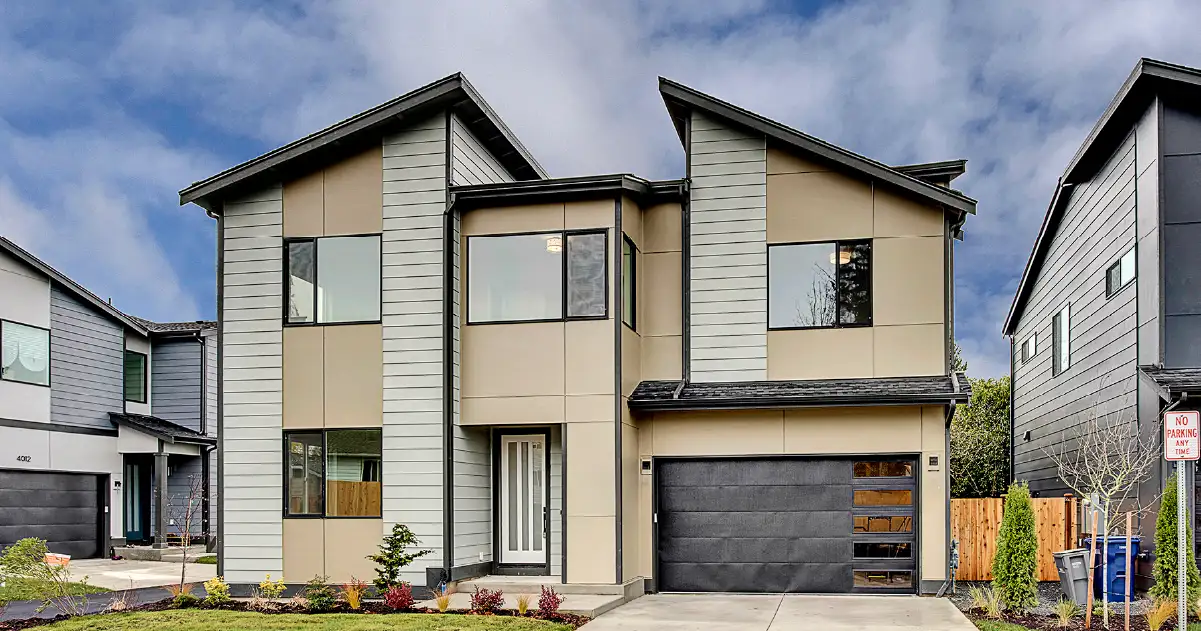
A home filled with natural light just feels brighter, bigger, and more inviting. It’s like a breath of fresh air, lifting your spirits and creating a warm, welcoming atmosphere. Townhome floor plan or single-family floor plan that embrace large windows and outdoor spaces add both style and functionality to your everyday life.

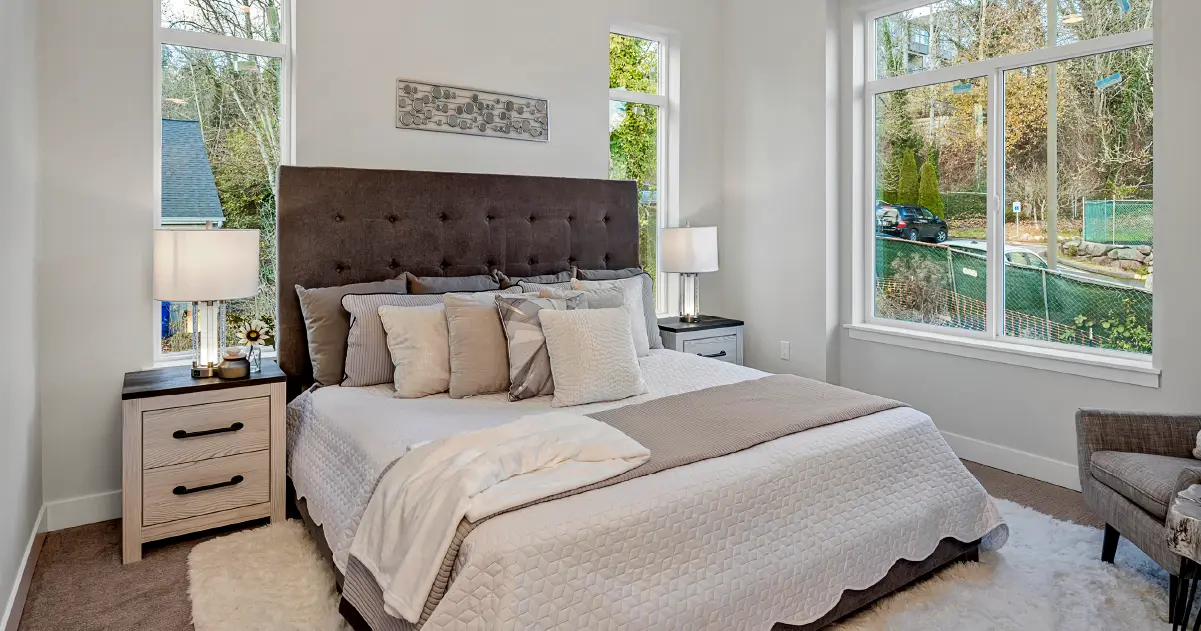
Large Windows: More than just letting in sunlight, large windows act as living artwork, framing the beauty of each season. They offer a dynamic design element that evolves throughout the year, allowing you to enjoy the view when you want or create privacy when needed.

Outdoor Connections: Patios, decks, and balconies extend your living space, creating a seamless transition between indoors and out. Sip your morning coffee with a dose of vitamin D, hosting an al fresco dinner under the stars, or curling up with a good book on a lounge chair, surrounded by nature’s beauty.

Strategic Window Design: Thoughtfully placed windows not only brighten your home but also contribute to energy efficiency. Plus, indoor plants thrive in those sunlit spots, bringing life and a touch of nature inside.

Homes with bright, open spaces tend to feel more welcoming and enhance your overall well-being. Studies have shown that natural light can boost your mood and create a more positive living environment.

4. Evolving with You

Life is full of changes, and your home should be able to adapt to those changes. Check the flexibility options in your house floor plan to ensure it meets your needs both today and in the future.

Flexible Spaces: A bonus room might start as a toy station, progress to a playroom, become a study space, and eventually transform into a home office or guest room. It’s all about versatility.

Room to Grow: Embrace Lifestyle Adjustments: Finding a home with room to expand allows you to embrace new hobbies and interests. Imagine a yoga studio, an art space, a home gym, or a cozy reading nook.

Move-In Ready vs. Pre-Sale Options:

Looking for a quick move? MSR Communities provides new construction move-in-ready homes, allowing you to begin your new life right away.

Want to add a personal touch? We offer customization options on our pre-sale communities so you can affordably craft your dream home.

Choosing a flexible floor plan ensures that your home will fit your family’s needs as life evolves.

Final Thoughts:

Your home’s floor plan is more than just walls and rooms; it’s the foundation of your daily life. It’s where memories are made, laughter is shared, and dreams are pursued. When choosing the best home layout, think about how it will function, how it will feel, and whether it will grow with you over the years.

Whether you’re looking for a quick move-in home or a customizable build, MSR Communities has the perfect home is waiting for you. Let’s find your dream home today.

Decoding the Down Payment: How Much Do You Really Need to Buy a House?  

Decoding the Down Payment: How Much Do You Really Need to Buy a House?

Many times, the single question that drives homeowners’ dream is “How much down payment do I need?” Though it can be intimidating, knowing your alternatives will help you to realize your dream. Let’s disentangle the down payment conundrum.  

The Down Payment Landscape: Zero to Significant  

A big 20% down payment can be frightening. Actually, though, the “right” down payment ranges greatly.  

 • Average Down Payment for a House:   

Nationwide, loan types and market circumstances affect the average house down payment. It’s not always 20%.  

 • Typical House Down Payment for First Time Buyers:   

Usually, first-time buyers down less than the norm. Loan choices and programs address especially them. Usually, the down payment on a house for first-time buyers is far less than the overall average.  

 • Lowest Down Payment for a House:   

For conventional loans, the minimum down payment for a house can be as low as 3%; for FHA loans, it is just 3.5%. For qualified veterans, VA loans have the opportunity of zero down.  

The Zero Down Payment Myth (and Reality)  

 • Can one purchase a house without any down payment?   

Indeed, it is feasible mainly through VA loans for veterans and some USDA loans in rural regions.  

 • How to buy a house without a down payment or no down payment home mortgage?   

The most usually used paths are VA loans and USDA loans. These loans do, however, have particular eligibility conditions.  

Generally speaking, no down payment home mortgage options are less popular.  

 • Small Down Payment Homes Loans:   

Small down payment home loans made possible by FHA loans and conventional loans with programs like HomeReadyTM and Home Possible® let you  

Often to safeguard the lender, these loans call for private mortgage insurance (PMI).  

Determine your down payment by:  

 • Down Payment House: Figure Out   

First, decide on your budget to then ascertain down payment house. Think over your income, savings, and monthly spending. To project your possible monthly payments depending on varying down payment levels, use online mortgage calculators. Consider closing expenses, which are apart from the down payment.  

Variables influencing the down payment:  

 • Down payment requirements for FHA, VA, USDA, conventional loans vary.  

 • Higher credit scores will let you qualify for better interest rates and reduced down payment choices.  

 • Certain property types may call for a bigger down payment, depending on the lender.  

 • Individual lenders could have their own particular down payment requirements.  

Finding Your Ideal House:  

 • For Sale: Single Family Homes; Newly Designed Townhouses  – 

Understanding your down payment alternatives is the first step whether your search is for townhouses or single-family homes for sale.  

Important Learnings:  

 • Not always necessary is a 20% down payment.  

 • Many loan programs provide either low or no down payment choices.  

 • Important are careful planning and budgeting.  

 • To find your best choices, see a mortgage lender.  

Release yourself from the down payment myth. Your aspirations of homeownership can come true with hard study and preparation. Deciphering the Down Payment: Just How Much Do You Actually Need to Purchase a House?  

Many times, the single question that drives homeowners’ dream is “How much down payment do I need?” Though it can be intimidating, knowing your alternatives will help you to realize your dream. Let’s disentangle the down payment conundrum. 

Financing Your Dream Home: Mortgage Options for Single-Family Homes 

Financing Your Dream Home: Mortgage Options for Single-Family Homes

Buying a single-family home is a significant milestone for many. However, the financial aspect can seem daunting. Understanding your mortgage options is crucial to making an informed decision. 

Single-family homes Mortgage Rates 

Single-family home mortgage rates are influenced by various factors, including: 

  • Economic conditions: Inflation, unemployment, and interest rates set by the Federal Reserve. 
  • Credit score: A higher credit score generally leads to lower interest rates. 
  • Loan type: Different loan types (e.g., conventional, FHA, VA) have varying interest rates. 
  • Down payment: A larger down payment often results in better rates. 
  • Loan term: Shorter loan terms typically have lower interest rates but higher monthly payments. 

Do Mortgage Rates Differ Between Townhomes and Single-Family Homes? 

While slight variations may exist, mortgage rates for townhomes and single-family homes are generally similar. The primary factors influencing rates remain the same: credit score, loan type, down payment, and market conditions. 

Are Condo Mortgage Rates Higher Than Single-Family Homes? 

Condo mortgage rates can sometimes be slightly higher than those for single-family homes. This is because lenders may perceive condos as having a higher risk due to factors like: 

  • Homeowners’ association (HOA) regulations: Potential for restrictive rules or special assessments. 
  • Market demand: Lower demand for condos in certain areas can impact property values. 
  • Building condition: Older buildings may have higher maintenance costs. 

Best Mortgage Options for Single-Family Homes 

The “best” mortgage option depends on your individual circumstances. Some popular choices include: 

  • Conventional Loans: Offer flexibility and competitive rates for borrowers with good credit. 
  • FHA Loans: Require lower down payments and are suitable for first-time homebuyers. 
  • VA Loans: Available to eligible veterans and offer attractive benefits like no down payment requirement. 
  • USDA Loans: Designed for rural homebuyers and often have lower interest rates. 

Single-Family Home Mortgage Loans 

Single-family home mortgage loans provide financing to purchase a detached house that sits on its own land. These loans come in various forms, each with its own set of eligibility criteria and terms. 

Key Takeaways: 

  • Thoroughly research different mortgage options to find the best fit for your financial situation. 
  • Consider factors like credit score, down payment, and loan term when comparing rates. 
  • Consult with a qualified mortgage lender to discuss your options and get personalized advice. 

Understanding Different Mortgage Types 

  • Conventional Loans: These are the most common type, not backed by the government.  
  • Conforming Loans: Adhere to strict guidelines set by Fannie Mae and Freddie Mac, making them easier to sell on the secondary market. 
  • Jumbo Loans: Exceed the conforming loan limit, generally requiring higher credit scores and down payments. 
  • Government-Backed Loans: Offer more flexibility for borrowers with lower credit scores or smaller down payments.  
  • FHA Loans: Insured by the Federal Housing Administration, allowing for lower down payments and more lenient credit requirements. 
  • VA Loans:1 Guaranteed by the Department of Veterans Affairs, offering benefits like no down payment requirement for eligible veterans. 
  • USDA Loans: Backed by the U.S. Department of Agriculture, designed for rural homebuyers

Key Considerations When Choosing a Mortgage 

  • Interest Rates: Compare rates from multiple lenders to secure the best deal. 
  • Loan Term: Shorter terms (like 15 years) have higher monthly payments but lower overall interest costs. 
  • Down Payment: A larger down payment generally leads to lower interest rates and lower monthly payments. 
  • Credit Score: A higher credit score improves your chances of qualifying for better rates and terms. 
  • Debt-to-Income Ratio: Lenders consider your total debt obligations (including the mortgage) compared to your income. 

The Homebuying Process 

  1. Get Pre-approved: This gives you a better understanding of how much you can afford to borrow. 
  1. Find a Real Estate Agent: A good agent can help you find the right home and navigate the complexities of the market. 
  1. Make an Offer: Negotiate the price and terms of the sale with the seller. 
  1. Home Inspection: Conduct a thorough inspection to identify any potential issues. 
  1. Loan Application and Approval: Submit your loan application and work with your lender to finalize the approval process. 
  1. Closing: Sign the necessary documents and finalize the purchase of your home. 

By carefully considering these factors and seeking professional guidance, you can increase your chances of successfully financing your dream home

Transform Your Life This New Year: Why Buying a New Construction Home in 2025 Is an Attainable Goal 

New Construction Homes for sale

New Year, New Home: 

As we embark on a fresh start in 2025, many of us are evaluating our goals and aspirations. For those dreaming of homeownership, this year could be the perfect time to make that dream a reality. The new home construction market is poised for growth, offering a unique opportunity to find the perfect space to call your own. 

Why Consider New Construction Homes for Sale in 2025? 

  • Modern Amenities and Energy Efficiency: New construction homes are built with the latest technologies and energy-efficient features, saving you money on utility bills and reducing your environmental impact. 
  • Customization Options: From floor plans and finishes to appliances and fixtures, new construction often allows for a high degree of personalization. You get to design the home of your dreams, tailored to your specific needs and preferences. 
  • Warranty and Peace of Mind: New construction homes typically come with warranties covering structural integrity and major systems, providing peace of mind and protection against unforeseen issues. 
  • Community and Lifestyle: Many new construction communities offer a range of amenities, from swimming pools and playgrounds to walking trails and community centers, fostering a vibrant lifestyle. 

Making Homeownership a Reality in 2025: 

  • Financial Planning: Get pre-approved for a mortgage to understand your budget and explore various financing options. 
  • Research and Location: Identify your ideal location and explore communities offering new construction homes for sale. 
  • Work with a Reputable Builder: Choose a builder with a strong reputation and a track record of quality construction. 
  • Stay Informed: Keep up-to-date on market trends, interest rates, and available incentives. 

Once you’ve identified a few new construction homes for sale that pique your interest, the journey is far from over.  

Here’s how to move forward: 

  • Schedule a Visit: Tour the model homes and any available pre-construction units to get a feel for the layout, quality of construction, and overall community atmosphere. 
  • Ask Questions: Don’t hesitate to ask your builder questions about everything from construction timelines and warranty details to community amenities and HOA fees. 
  • Review Contracts Carefully: Before signing any contracts, have them reviewed by a legal professional to ensure your rights and interests are protected. 
  • Stay Organized: Keep all your documents, communication records, and financial information organized throughout the process. 

Building Your Dream Home: A Collaborative Process 

Remember, building a new home is a collaborative process. Communicate openly and honestly with your builder throughout the construction phase. 

  • Attend Construction Site Visits: Visit the site regularly to monitor progress and address any concerns promptly. 
  • Choose Your Finishes: Work closely with your builder to select the finishes and features that best reflect your personal style and needs. 
  • Be Patient: Construction timelines can sometimes be subject to delays. Maintain open communication with your builder and try to remain patient throughout the process. 

Moving In and Beyond: 

Finally, the day arrives when you can move into your brand-new home! 

  • Unpack and Settle In: Take the time to unpack, decorate, and make your new home truly feel like your own. 
  • Explore Your Community: Get to know your neighbors and participate in community events to build lasting connections. 
  • Maintain Your Home: Schedule regular maintenance checks and address any issues promptly to ensure your home remains in top condition for years to come. 

Buying a new home can be a significant investment, but it’s also an investment in your future and well-being. With careful planning and the right approach, making your dream of homeownership a reality in 2025 is an attainable goal. 

For those considering new homes for sale in the Seattle area, MSR Communities offers a compelling option. With a focus on quality craftsmanship, innovative designs, and a commitment to creating vibrant communities, MSR Communities is a trusted name in the homebuilding industry. visit MSR Communities’ official page to schedule a visit. 

Ready to take the next step? Start your search for new construction homes for sale today and discover the perfect place to create lasting memories. 

Find Your Perfect Fit: 4-Bedroom Homes Tailored to Every Lifestyle in Seattle

4 Bedroom Homes for Sale

Are you on the hunt for 4-Bedroom Homes for Sale to fit your family’s needs? Whether you’re looking for spacious layouts, modern designs, or a convenient location, 4-bedroom homes are the perfect choice for growing families or those who love to entertain. MSR Communities offers a variety of stunning 4-bedroom homes for sale across Seattle, Washington, that cater to your lifestyle and preferences. Additionally, MSR Communities provides homes at different stages of readiness – from pre-sale opportunities with customization options to move-in-ready properties. Let’s take a closer look at some of these exceptional communities and what they offer. 

Lotus24: Modern Living in Bothell 

Nestled in the heart of Bothell, Lotus24 offers beautifully designed 4-bedroom homes for sale that blend modern aesthetics with functional layouts. Each home features open floor plans, large windows for natural light, and high-end finishes that elevate your living experience. With easy access to schools, shopping, and dining, Lotus24 is the perfect place to call home for families seeking both convenience and style. Currently available as a pre-sale opportunity, buyers can enjoy the flexibility to customize their new home. 

Shelton Grove: Versatile Layouts and Tranquil Surroundings 

Shelton Grove in Bothell presents two distinct plans for 4-bedroom homes: Plan 2478 and Plan 2352. Both layouts are designed with versatility and comfort in mind, offering generous living spaces, gourmet kitchens, and serene bedrooms. Located on a quiet, dead-end street, Shelton Grove provides a peaceful retreat while still being close to local amenities and commuter routes. Move-in-ready homes are available at Shelton Grove, ensuring you can settle into your dream home without delay.  

The Shore16: Urban Living with Nature’s Touch 

At The Shore16, located at the north end of Lake Washington in Kenmore, you’ll find 4-bedroom homes for sale that perfectly blend urban convenience with natural beauty. These homes are thoughtfully designed with spacious layouts and modern finishes. Whether you’re hosting gatherings or enjoying quiet family evenings, The Shore16 offers a lifestyle that’s hard to beat. Plus, its proximity to parks and trails makes it an excellent choice for outdoor enthusiasts. With pre-sale opportunities available, buyers can customize their homes to suit their unique preferences. 

Reve59: Luxury Townhomes in Bothell 

Reve59 is home to some of the most innovative 4-bedroom homes for sale in Seattle, Washington. With options like Type II, Type III – End, and Type III – Mid floorplans, these townhomes cater to various preferences and needs. Designed with luxury in mind, these homes boast premium materials, and private outdoor spaces. Situated in a vibrant Bothell community, Reve59 offers easy access to schools, retail, and recreation, making it an excellent choice for families and professionals alike. Move-in-ready homes at Reve59 ensure a seamless transition to luxury living. 

Tambark15: Spacious Homes for Modern Families 

Tambark15 is a haven for those seeking new homes for sale with ample space and thoughtful designs. Located in a serene setting, these 4-bedroom homes are designed to accommodate the needs of modern families. With open-concept kitchens, large living areas, and spacious bedrooms, Tambark15 ensures every family member has their own space while still fostering togetherness. Its location offers the perfect blend of suburban charm and city convenience. Tambark15 offers move-in-ready options as well as homes with pre-sale opportunities to create the perfect fit for your family. 

Why Choose a 4-Bedroom Home? 

Four-bedroom homes offer unparalleled flexibility and comfort, whether you need extra space for a home office, guest room, or playroom. These homes are perfect for families who value room to grow or individuals who love to host and entertain. Here are some of the top reasons to choose 4-bedroom homes: 

  • Growing Families: They provide separate rooms for children and space for future family expansion. 
  • Home Offices: With the rise of remote work, extra bedrooms can double as workspaces. 
  • Resale Value: 4-bedroom homes appeal to a broader range of buyers, enhancing their investment value. 
  • Guest Accommodations: Extra bedrooms ensure comfort for visiting friends or relatives. 
  • Lifestyle and Comfort: Spacious layouts offer room for personal activities, hobbies, or additional storage. 

By offering both practicality and futureproofing, 4-bedroom homes are a smart choice for today’s homebuyers. 

Start Your Homebuying Journey Today 

If you’re searching for 4-bedroom homes for sale near Seattle, Washington, MSR Communities has something for everyone. Explore new homes for sale in vibrant neighborhoods like Bothell, Kenmore, and beyond.  

Ready to find your perfect fit? Contact us today to schedule a tour and take the first step toward your dream home. With options ranging from pre-sale to move-in-ready, MSR Communities makes it easy to find a home that meets your timeline and preferences. 

First-Time Home Buyer’s Guide: 10 Common Mistakes to Avoid 

home buying tips

The dream of owning a home, whether it’s a cozy townhouse in the city or a spacious single-family home in the suburbs, is a cherished part of the American Dream, symbolizing independence, stability, and a new chapter in life. For many, purchasing a first home is an exhilarating achievement, yet it often comes with its share of challenges. The housing market is full of challenges, and first-time buyers often stumble into common traps, from underestimating costs to mismanaging their budgets. In this blog, we walk you through ten frequent mistakes made by first-time homebuyers and offer actionable tips to help you sidestep them. By recognizing these potential pitfalls and approaching the process with confidence and knowledge, you will be better equipped to navigate the journey and turn your dream of homeownership into a reality. 

1. Not Understanding the Full Costs of Homeownership 

Many buyers focus solely on the down payment and monthly mortgage payment, overlooking other expenses such as property taxes, homeowners insurance, maintenance, and utilities. 

How to avoid it: Create a detailed budget that includes all potential costs of homeownership. Factor in a buffer for unexpected repairs and emergencies. 

2. Using Gifted Funds Incorrectly for the Down Payment 

Gifted funds can be a lifesaver for first-time buyers, but failing to follow lender guidelines for using them can lead to complications. Many lenders require proper documentation, including a gift letter that verifies the money isn’t a loan. 

How to avoid it: If you’re using gifted funds, talk to your lender early in the process. Ensure the giver provides a gift letter and avoid depositing large sums into your account without consulting your lender. 

3. Skipping Mortgage Pre-Approval 

Some buyers dive into house hunting without knowing how much they can afford. Without pre-approval, you risk falling in love with a home you can’t afford or missing out on a competitive bid. 

How to avoid it: Get pre-approved for a mortgage before starting your search. It helps you understand your budget and shows sellers you’re a serious contender. 

4. Choosing the Wrong Type of Mortgage 

Not all mortgages are created equal, and first-time buyers often pick one without fully understanding the terms. Fixed-rate, adjustable-rate, FHA, VA, and conventional loans each have unique benefits and drawbacks. 

How to avoid it: Research different mortgage options and consult with a trusted mortgage advisor to choose the best fit for your financial situation and long-term goals. This is especially important when buying single family homes as their financing requirements may vary. 

5. Purchasing a Home with a Partner Without a Clear Agreement 

Buying a home with a partner, whether married or not, is common, but neglecting to establish clear agreements about finances, ownership, and responsibilities can lead to conflicts down the line. 

How to avoid it: Discuss and document key aspects of the purchase, such as how the mortgage and expenses will be split, what happens if the relationship changes, and how ownership will be recorded (e.g., joint tenancy or tenants in common). 

6. Overextending Financially 

First-time buyers often stretch their budgets to purchase their dream home, leaving little room for emergencies or future goals. This may lead to financial strain and put you at risk of foreclosure. 

How to avoid it: Stick to a budget that allows you to maintain an emergency fund and continue saving for other financial priorities. Remember, a smaller home you can comfortably afford may be a better choice than a dream home that stretches you too thin. 

7. Skipping the Home Inspection 

Waiving a home inspection to speed up the purchase process or make your offer more attractive can lead to costly surprises later. 

How to avoid it: It’s essential to schedule a professional home inspection. Use it as an opportunity to learn about the property’s condition and negotiate repairs or credits with the seller if needed. 

8. Misunderstanding the Underwriting Process 

The underwriting process can be complex and intimidating for first-time buyers. Failing to provide requested documents or making financial changes during this period can delay or jeopardize your approval. 

How to avoid it: Stay in close communication with your lender during underwriting. Provide all required documents promptly and avoid major financial changes, such as switching jobs or opening new credit accounts, until after closing. 

9. Neglecting Earnest Money Deposits 

Earnest money serves as a good faith deposit, showing the seller you’re a serious buyer. Mismanaging this process can result in losing your deposit if the deal falls through for reasons not covered by contingencies. 

How to avoid it: Understand the terms of your earnest money deposit. Work with your real estate agent to ensure contingencies are clearly defined and followed, protecting your deposit if the sale doesn’t close. 

10. Failing to Explore Down Payment Assistance Programs 

Many first-time buyers are unaware of programs that can help with down payments or closing costs. Missing out on these opportunities can make homeownership seem less attainable. 

How to avoid it: Research local and national down payment assistance programs. Many offer grants, low-interest loans, or tax credits for eligible buyers, particularly for single family homes in designated areas. 

Final Thoughts 

Buying your first home is a significant life event, but avoiding these common first time home buyer mistakes can make the process smoother and more rewarding. Take the time to educate yourself, plan carefully, and work with experienced professionals who can guide you through the process. These strategies can increase your chances of a successful and rewarding home buying journey. 

Buying a Townhome? Follow These 5 Tips for a Smooth Experience 

towmhome tips

Buying a townhome can be an exciting step towards homeownership. These attached homes offer a unique blend of privacy and community living. However, navigating the townhome market can sometimes feel overwhelming. To ensure a smooth and successful experience, follow these 5 key tips: 

1. Define Your Needs and Budget: 

  • Prioritize: What’s most important to you? A private patio? A dedicated parking space? A community pool? 
  • Determine your budget: Consider not only the purchase price but also potential HOA fees, property taxes, and insurance costs. 
  • Explore financing options: Get pre-approved for a mortgage to understand your borrowing power and explore different loan programs. 

2. Research Thoroughly: 

  • Location: Consider the proximity to your workplace, schools, shopping centers, and other amenities. Research the local area for safety, crime rates, and overall livability. 
  • HOA Rules and Regulations: Carefully review the HOA rules and regulations. Understand any restrictions on pets, renovations, and rental policies. 
  • Explore newly built townhomes for sale: Consider the advantages of new construction, such as modern amenities, energy efficiency, and potential for customization. 

3. Schedule Multiple Viewings: 

  • Don’t rush the process: Take your time to visit several townhomes for sale that meet your criteria. 
  • Pay attention to details: Inspect each unit thoroughly, looking for signs of wear and tear, potential issues, and overall quality of construction. 
  • Consider the “feel” of the community: Observe the neighborhood atmosphere. Are there signs of a strong community spirit? 

4. Ask the Right Questions: 

  • HOA financials: Inquire about the HOA’s financial health and any upcoming special assessments. 
  • Noise levels: Ask current residents about noise levels from neighboring units and traffic. 
  • Parking: Understand the parking situation, including guest parking and any potential restrictions. 

5. Work with a Real Estate Professional: 

  • Experienced guidance: A qualified real estate agent can provide valuable insights, negotiate on your behalf, and guide you through the entire homebuying process. 
  • Access to MLS listings: Your agent will have access to the Multiple Listing Service (MLS), giving you access to the most up-to-date information on townhomes for sale in your area. 
  • Local Market Expertise: Your agent will have in-depth knowledge of the local market, including trends, pricing, and competition. 

Beyond the Basics: Key Considerations 

  • Lifestyle: Consider your lifestyle and how it aligns with townhome living. Do you enjoy community events? Are you comfortable with shared walls? 
  • Resale Value: Research the resale value of townhomes in the area. Consider factors like the age of the community, the quality of construction, and the overall desirability of the location. 
  • Future Plans: Think about your future plans. Do you plan to start a family? Do you anticipate working from home? Consider how a townhome might accommodate your evolving needs. 

By carefully considering your needs and preferences, conducting thorough research, and working closely with a trusted real estate professional, you can increase your chances of finding the perfect home and navigating the buying process with confidence. 

In conclusion, if you’re considering townhome living, exploring the options from reputable builders like MSR Communities can be a rewarding experience. MSR Communities is known for their commitment to quality construction, innovative designs, and creating vibrant communities. By carefully considering your needs, conducting thorough research, and working with a qualified real estate professional, you can navigate the townhome market with confidence and find the perfect home to suit your lifestyle. 

What is Co-Ownership Home? A Guide to Shared Home Ownership 

What is Co-Ownership Home

In today’s fast-paced world, the dream of owning a home can often seem out of reach. However, there’s a growing trend that’s making homeownership more accessible: co-ownership. 

What is Co-Ownership? 

Co-ownership, also known as shared home ownership or co-buying a house, is a model where two or more individuals pool their resources to purchase a property. This can be a single family home, a townhomes, or even a condominium. 

How Does Co-Ownership Work? 

  • Find Your Co-Owners: You can team up with friends, family, or even strangers who share your homeownership goals. 
  • Purchase the Property: Everyone contributes to the down payment and monthly mortgage payments. 
  • Legal Agreement: A legally binding agreement outlines each co-owner’s share of ownership, responsibilities, and decision-making processes. 

Benefits of Co-Ownership 

  • Affordability: By sharing the costs, you can afford a larger or more desirable property than you could on your own. 
  • Reduced Financial Risk: The risk of defaulting on the mortgage is shared among multiple people. 
  • Shared Responsibilities: Household chores and maintenance tasks can be divided among co-owners. 
  • Potential for Long-Term Wealth: Owning a property can be a significant investment, and co-ownership can accelerate wealth growth. 

Considerations for Co-Ownership 

  • Communication: Open and honest communication is essential to avoid conflicts. 
  • Legal Agreement: A well-drafted legal agreement can protect the rights of all co-owners. 
  • Exit Strategy: Consider how you’ll handle potential disagreements or the need to sell the property in the future. 

The Future of Homeownership: Embracing Co-Ownership 

As housing prices continue to rise, co-ownership is emerging as a viable solution for many individuals and families. By joining forces with like-minded people, you can unlock the doors to homeownership and enjoy the benefits of shared ownership. 

Key Advantages of Co-Ownership 

  • Enhanced Affordability: Co-ownership allows you to pool resources and significantly reduce the financial burden of homeownership. 
  • Shared Responsibilities: Dividing household chores and maintenance tasks can make homeownership more manageable. 
  • Potential for Long-Term Wealth: Owning a property can be a significant investment, and co-ownership can accelerate wealth growth. 
  • Flexibility: Co-ownership arrangements can be tailored to suit your specific needs and preferences. 
  • Community Building: Living with co-owners can foster strong relationships and a sense of community. 

Navigating the Challenges of Co-Ownership 

While co-ownership offers many benefits, it’s important to be aware of potential challenges and take steps to mitigate them: 

  • Communication: Open and honest communication is essential to maintain harmonious relationships with your co-owners. 
  • Legal Agreements: A well-drafted legal agreement can protect the rights of all co-owners and outline responsibilities, decision-making processes, and exit strategies. 
  • Financial Considerations: It’s crucial to have clear financial agreements in place, including how to handle expenses, contributions, and potential disputes. 
  • Privacy and Personal Space: Balancing shared living spaces with individual privacy is important for a harmonious living arrangement. 

Single-Family Homes vs. Townhomes: Which is Right for You? 

When considering your next housing option, you’ll likely come across two popular choices: single-family homes and townhomes. Each offers unique advantages and drawbacks, so it’s essential to weigh your priorities to make an informed decision. 

Single-Family Homes 

A single-family home is a freestanding dwelling with its own private land. These homes offer several benefits: 

  • Privacy: You have complete control over your property and can enjoy peace and quiet. 
  • Customization: You can personalize your home to your liking, from interior design to exterior landscaping. 
  • Potential for Appreciation: Single-family homes often appreciate in value over time. 

However, single-family homes can be more expensive to purchase and maintain, especially in desirable neighborhoods. 

Townhomes 

Townhomes are multi-story dwellings that share common walls with neighboring units. They often offer a balance between the privacy of a single-family home and the convenience of a condominium: 

  • Lower Maintenance: Homeowners’ associations typically handle exterior maintenance, reducing your workload. 
  • Affordability: Townhomes often have lower purchase prices and property taxes compared to single-family homes. 
  • Community Amenities: Many townhome communities offer shared amenities like swimming pools, fitness centers, and clubhouses. 

However, townhomes may have less privacy than single-family homes, and you’ll need to adhere to community rules and regulations. 

Factors to Consider 

When deciding between a single-family home and a townhome, consider the following factors: 

  • Budget: Determine your budget for the purchase price, property taxes, and ongoing maintenance costs. 
  • Lifestyle: Consider your lifestyle and whether you prefer a quiet, private setting or a more communal environment. 
  • Location: Evaluate the location of the property, including proximity to work, schools, and amenities. 
  • Future Plans: Think about your long-term plans, such as starting a family or downsizing. 

Ready to Explore Co-Ownership? 

Co-ownership is a dynamic and evolving concept. As more people explore alternative paths to homeownership, we can expect to see innovative models and solutions emerge. If you’re interested in co-ownership, it’s crucial to carefully consider your financial situation, relationship with your co-owners, and the potential challenges and rewards involved. 

Ultimately, the best choice for you depends on your individual needs and preferences. By carefully considering these factors, you can make an informed decision that will lead to a happy and fulfilling homeownership experience. 

Transitioning from Renting to Owning a Home: A Step-by-Step Guide 

From Renting to Owning

Dreaming of Homeownership? 

The transition from renting to owning a home is a significant milestone in many people’s lives. It offers financial stability, equity growth, and a sense of accomplishment. However, the process can seem overwhelming. Here’s a step-by-step guide to help you make a smooth transition. 

1. Assess Your Financial Readiness 

  • Calculate your budget: Determine your monthly income and expenses to understand how much you can afford for a mortgage payment 
  • Check your credit score: A good credit score is essential for obtaining favorable mortgage rates. 
  • Save for a down payment: Aim to save at least 20% of the home’s purchase price for a down payment. However, there are options with lower down payments available. 
  • Consider closing costs: Don’t forget to include appraisal fees, attorney fees, and title insurance. 

2. Explore Homeownership Options 

  • Rent-to-own homes: This arrangement allows you to rent a property with the option to purchase it later. 
  • First-time homebuyer programs: Many government and non-profit organizations offer assistance programs with down payment assistance and low-interest rates. 
  • Homes for sale: Research the housing market in your desired area to find properties that match your budget and preferences. 

3. Get Pre-Approved for a Mortgage 

  • Shop around: Compare offers from different lenders to find the best interest rate and terms for your situation. 
  • Document your income and assets: Be ready to provide proof of income, employment, and assets to the lender. 

4. Find a Real Estate Agent 

  • Interview agents: Look for an agent who is knowledgeable about the local market and has experience working with first-time homebuyers. 

5. Start Your Home Search 

  • Define your priorities: Think about factors like location, size, amenities, and commute distance. 
  • Attend open houses: Visit properties in person to get a feel for the neighborhood and the condition of the homes. 

6. Make an Offer 

  • Negotiate: Work with your agent to negotiate the purchase price and terms of the sale. 
  • Home inspection: Arrange for a professional home inspection to identify any potential issues. 

7. Close on the Property 

  • Complete the paperwork: Sign all required documents and transfer funds to the seller. 
  • Move in! Celebrate your new homeownership and enjoy the benefits of owning your own property. 

Homeownership in MSR communities 

MSR Communities, a renowned developer in the Seattle area, offers a variety of thoughtfully designed homes in prime locations. These communities are known for their commitment to quality craftsmanship, modern amenities, and a strong sense of community. 

Key Features of MSR Communities 

  • Diverse housing options: MSR Communities offers a range of home styles, sizes, and price points to suit various preferences and budgets. 
  • Prime locations: These communities are strategically located in desirable neighborhoods with convenient access to schools, parks, shopping centers, and transportation. 
  • Modern amenities: MSR homes feature contemporary designs, high-quality finishes, and energy-efficient features. 
  • Community engagement: MSR Communities fosters a sense of belonging by organizing community events, social gatherings, and neighborhood activities. 

Tips for Homebuyers in MSR Communities 

  • Explore the website: Visit the MSR Communities website to browse available homes, learn about community amenities, and request more information. 
  • Schedule a tour: Visit the communities to experience the atmosphere firsthand and view the homes in person. 
  • Consult with a real estate agent: A knowledgeable agent can guide you through the homebuying process and help you find the perfect home in an MSR community. 

Conclusion 

MSR Communities offer a compelling option for homebuyers seeking quality, convenience, and a strong sense of community. By exploring their offerings and considering the unique features of their developments, you can find a home that meets your needs and provides a fulfilling living experience. 

Remember, homeownership is not just about a house; it’s about building a home and a community. 

How to Get a Mortgage When You’re Self-Employed 

How to Get a Mortgage When You're Self-Employed 

Navigating the Mortgage Process as a Self-Employed Individual 

If you are self-employed, buying a home can seem daunting. The traditional income verification methods used by lenders often don’t align with the fluctuating nature of self-employment income. However, with the right approach and preparation, you can successfully secure a mortgage. 

Key Considerations for Self-Employed Mortgages 

Documentation: Lenders will typically require extensive documentation to verify your income. This may include tax returns, bank statements, profit and loss statements, and possibly business licenses. 

Credit Score: A strong credit score is essential for any mortgage application, regardless of employment status. Pay your bills on time, keep your credit utilization low, and avoid opening unnecessary accounts. 

Debt-to-Income Ratio: Your debt-to-income ratio, which compares your monthly debt payments to your gross income, is another crucial factor. Lenders will assess your ability to handle additional debt, including a mortgage payment. 

Down Payment: A larger down payment can improve your chances of approval and may also result in a lower interest rate. 

Tips for Self-Employed Mortgage Applicants 

Plan Ahead: Start planning for your mortgage well in advance. Gather all necessary documentation and be prepared to provide detailed information about your income and expenses. 

Consider a Longer Loan Term: A longer loan term can lower your monthly payments but may also increase the total interest you pay over the life of the loan. 

Shop Around: Compare offers from different lenders to find the best rates and terms for your specific situation. 

Work with a Mortgage Broker: A mortgage broker can help you navigate the mortgage process and find lenders that specialize in self-employed borrowers. 

Communicating with Your Lender 

Open and honest communication with your lender is crucial. Be prepared to answer questions about your business, income fluctuations, and future plans. The more information you provide, the better equipped your lender will be to assess your eligibility for a mortgage. 

Additional Considerations 

Business Structure: The structure of your business (e.g., sole proprietorship, LLC, corporation) may impact your mortgage eligibility. 

Seasonal Income: If your income fluctuates seasonally, be prepared to provide documentation demonstrating your average earnings over a specific period 

Buying a New Construction Home as a Self-Employed Individual 

Dreaming of a brand-new home? Even as a self-employed individual, you can make that dream a reality. With careful planning and the right approach, securing a mortgage for a new construction home is entirely achievable. 

New construction homes offer several advantages, including: 

Customization: Design your home to fit your exact needs and preferences. 

Energy Efficiency: Enjoy the benefits of modern energy-saving features. 

Lender Partnerships: Many builders partner with lenders who specialize in working with self-employed individuals. 

To qualify for a mortgage for a new construction home, follow these tips: 

Document Your Income: Provide detailed financial information, such as tax returns, bank statements, and profit and loss statements. 

Build a Strong Credit Score: Maintain a good credit history to improve your chances of approval. 

Consider a Larger Down Payment: A larger down payment can strengthen your application. 

Work with a Mortgage Lender Experienced in Self-Employed Loans: They can guide you through the process and help you secure the best terms. 

By taking these steps and working closely with your lender, you can successfully finance your dream home. 

Additional Tips for Self-Employed Mortgage Applicants 

Leverage Your Assets 

Investments: Assets like stocks, bonds, or retirement accounts can be used to qualify for a larger loan amount or a lower interest rate. 

Property: If you own property, such as rental income-generating properties, this can demonstrate your ability to manage debt and increase your borrowing power. 

Consider Asset-Based Lending 

Hard Money Loans: These loans are often based on the value of an asset, such as real estate. They can be a good option for self-employed borrowers with property. 

Private Lenders: Individuals or small groups may be willing to lend money, often at higher interest rates but with more flexible terms. 

Explore Government Programs 

USDA Rural Development Loans: If you live in a rural area, the USDA offers low-interest loans with flexible credit requirements. 

VA Loans: Veterans and their spouses may be eligible for VA loans with no down payment and competitive interest rates. 

Build a Strong Relationship with Your Lender 

Regular Communication: Maintain communication with your lender throughout the mortgage process. Provide any updates or changes in your financial situation. 

Demonstrate Stability: Highlight any steps you’re taking to stabilize your income, such as diversifying your business or securing long-term contracts. 

Conclusion 

Remember, patience and persistence are key. While securing a mortgage as a self-employed individual may present unique challenges, it’s certainly achievable. By understanding the requirements, planning, and effectively communicating with your lender, you can increase your chances of getting approved for a home loan that meets your needs.