5 Reasons New Home Construction is the Top Choice for Smart Investors

5 Reasons New Home Construction is the Top Choice for Smart Investors

For a long time, people have recognized that buying a new home is an excellent way to raise money. Many wise investors are finding that buying newly built homes is a more and more enticing alternative. You might be wondering if it’s a good idea to buy a new house. It’s not easy to respond, but new homes, whether they are single-family homes or townhomes, have distinct benefits that make them worth a careful consideration.  

This blog will talk about five essential reasons why buying a new home can be a smart investment. We’ll talk about both the money and the work that goes into building something new. We’ll also show you why it can be a wise investment for you. 

1.A modern look and energy efficiency can attract desirable tenants.

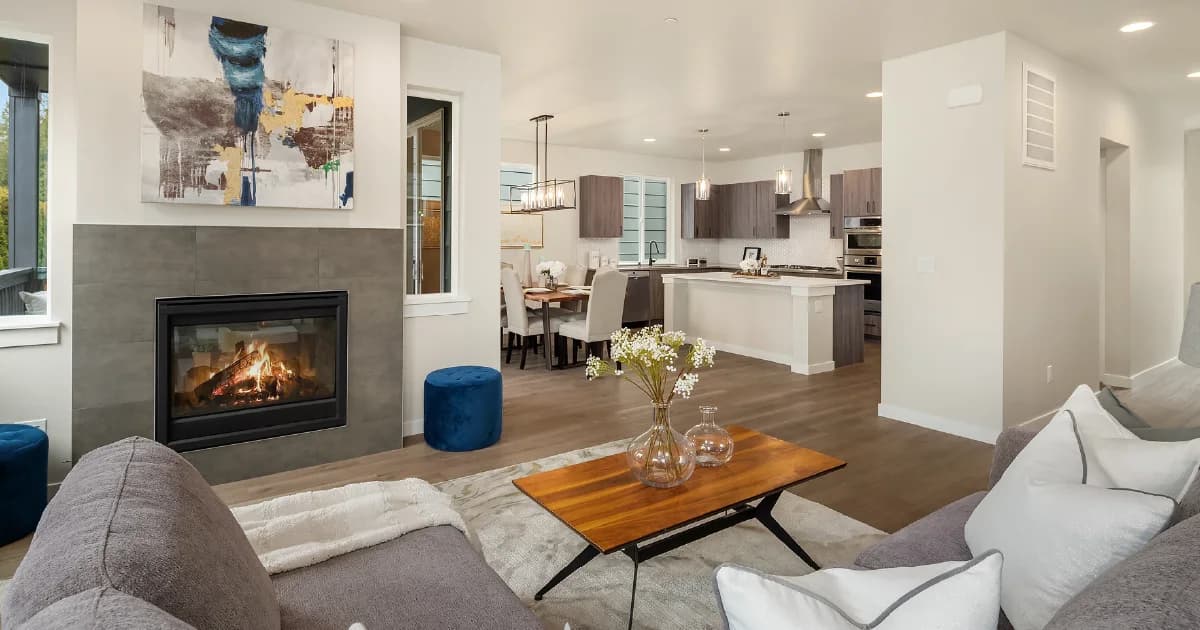
One of the best things about new homes is how modern they seem and how many new features they have. Newly built homes frequently offer open floor designs, and robust, high-quality materials. All of these qualities help them stand out to people who want to rent or buy.  

For investors, this might signify a lot of good things, such as:  

Less expensive upkeep: Builders normally offer warranties on new homes, and they don’t need as many repairs like older homes do. That implies that as an owner, you will have fewer unexpected charges and a more predictable and less stressful experience.  

People today favor clean, useful modern designs like connecting kitchen, dining and living area. This modern style not only makes homes more appealing, but it can also help them sell faster or make more people want to rent them.  

In brief, adding fresh design and quality material can make your home more attractive and competitive.

2.Customization Options Add Value Over Time

You may also customize a new build home meet your investing goals, which is another wonderful incentive to acquire one. Many builders let you pick from a lot of different finishes, layouts, and even structural possibilities. This enables investors design a property that is perfect for the people they want to sell it to.  

For example:  

When you create single-family houses, make sure to have open kitchens, home offices, and lots of storage space so families can live there.  

Newly built townhomes can include designs that are easy to care for and sophisticated community facilities that attract young professionals or people who are moving to a smaller house.  

These possibilities for customization can not only help you sell the property faster, but they can also make it worth more in the long run. You can keep your home looking nice for a long time by picking materials that last and designs that will never go out of style, even when styles change.

3.Less maintenance and repairs needed at first

One more of the best things about buying a new home is that you won’t have to perform as much work on it. Some costs that aren’t obvious when you buy an older home can cut into your earnings. These include roofs that need to be replaced, plumbing that is out of date, or wiring difficulties. A lot of these difficulties go away when you build new homes. New building methods make homes stronger, more energy-efficient, and longer-lasting than they ever have been before. 

What happened? It’s easier to plan and forecast your returns when you have less stress, fewer shocks, and a more stable cash flow.  

The opportunity for long-term growth and financing incentives  

A key reason why investors are buying new houses is because builders provide a lot of money-saving deals. These programs might make buying a new house more tempting than buying an older one since they help with closing costs, offer low-interest financing, and give you discounts on additions.  

But that’s not all the benefits. When homes are developed in new areas or communities that are well-planned, they frequently have a lot of room to grow in value.  

Here’s what could help that growth happen:  

Builders usually pick places with good schools, strong local economies, and infrastructure that is getting better. All of these things can make the location more valuable over time.  

Community amenities: Parks, walking trails, and shopping centers are common in new townhomes and subdivisions, which makes them more enticing places to live.  

New areas usually have better roads, utilities, and broadband connection, which makes them more enticing to buyers and renters.  

Property values can move up and down, but new construction can be a fantastic way for investors to make money in the long run if they choose the correct area.

4.Rental and resale markets that are flexible

One of the best things about fresh building is that you can adjust things. A lot of people, from first-time buyers and families to professionals and retirees, choose modern homes. This is true whether you want to rent out your home or sell it later.  

Consider these advantages: 

  • More likely to make money from renting: High rates can be fair if the place has modern conveniences, and stylish decor. 
  • Homes that have been upgraded and don’t need much upkeep tend to sell faster, which is good for resale value. 
  • You can sell your home to families, young professionals, or those who want to live in a low-maintenance area.  

This flexibility allows investors to adjust to market fluctuations while also creating opportunities for future growth.

5.Smart Investors’ Strategy

There are many good things about building a new house, but you should do your research and have reasonable expectations before you spend any money.  

Here are some things you should keep in mind:  

Real estate values can rise or fall, but new homes in established neighborhoods tend to stay attractive. With their modern designs, advanced features, and low upkeep, they often keep their value well —and sometimes even grow in worth over time. 

Fees and rules for homeowners’ associations: Many new areas have homeowners’ associations that charge fees and set guidelines for how the neighborhood should appear and be kept up.  

Reputation of the builder: Always check out the builder’s previous work. If you use builders who have done a good job and made consumers pleased in the past, your investment is more likely to do well.  

You can decrease your risk and get the most out of your investment if you complete your research ahead of time. You might want to chat to a real estate agent who knows about the market in your area and what you want to do with your money. 

Last Thoughts

If you’re looking for your dream home, a new–build home is an exciting mix of modern style, financial benefits, and long-term potential. These homes might be a great choice for investors who want to find a mix between stability and growth. They are energy-efficient, easy to maintain, and can be customized and changed.  

Whether you’re looking at single-family homes or new townhomes, the most essential thing is to make sure that your investment fits what people want and your long-term goals. There is always some risk involved with investing, but recognizing the specific benefits of new building will help you make smarter decisions.  

Check out the homes for sale in MSR Communities right now to locate the new construction property that meets your investment plan and financial goals.  

Right now, you can look at the homes for sale by MSR Communities to find new construction properties that meet your investment plan.  

This post is just for information and doesn’t give any financial advice. The results of investments can be diverse, therefore people should Consult a financial counselor or real estate agent before making any judgments about where to put their money. 

Types of Loans for Homes: Mortgage Options Explained

Types of Loans for Homes: Mortgage Options Explained

Becoming a homeowner is a thrilling and fulfilling journey that involves numerous questions and, most importantly, financing through a mortgage.
You just visited an open house, and you’ve got your eye on a brand-new single-family home with plenty of yard space, a sleek townhome with low-maintenance living, or a pre-sale property. Whether you’re dreaming of building a fully custom home from the ground up or simply choosing a few cabinet colors and finishes, understanding your mortgage options is a big part of making that dream a reality.

In this guide, we’ll walk you through the different types of home mortgage loans, what typical rates look like, FHA mortgage requirements, and the financing options that work best for new construction homes. We’ll also cover what to consider for single-family homes, townhomes, and pre-sale builds—so you can move forward with confidence.

What Are Mortgage Loans?

At its core, a mortgage loan is just the money you borrow to buy a home—but it’s also your ticket to owning a piece of property. Each payment has two main parts:

  • Principal: The amount goes toward paying down the amount you actually borrowed.
  • Interest: The extra cost you’re paying for the privilege of borrowing that money. 

In many cases, your payment might also roll in property taxes, homeowner’s insurance, and even HOA dues if your neighborhood has a homeowners association.

And here’s the thing: there isn’t a one-size-fits-all mortgage. There are several different types out there, each with its own pros, cons, and rules about who can qualify. The right choice really depends on your finances, your credit score, and the kind of home you’re hoping to buy.

Types of Home Mortgage Loans

The US housing market offers a wide variety of mortgage options. Each type of loan is designed for a specific buyer, type of property, and financial situation. Here’s one of the most common ones: 

Conventional mortgages

Are the classic choice—loans that aren’t backed by the federal government like FHA, VA, or USDA loans are.

  • Down Payment: Generally, you will require a down payment of at least 5% to 20%, depending on your lender and credit score.
  • Credit Requirements: Most lenders consider a credit score of 620 or above to be good to excellent, and the higher your score.
  • Mortgage Insurance: If you are unable to make a 20% down payment, you will typically need private mortgage insurance (PMI) until you have enough equity. 

These loans are a great fit for buyers with good credit who want flexible loan terms and the potential for lower costs over the course of the mortgage are preferred by the homebuyer for newly built single-family homes and townhomes. 

FHA Loans

FHA loans—insured by the Federal Housing Administration—for first-time buyers or anyone whose credit score needs improvement.

  • Down Payment: As low as 3.5% if your score is 580+, and in the range of 500–579 need 10% down.
  • Credit Requirements: More forgiving than conventional loans.
  • Mortgage Insurance: For the minimal down payment, pay an upfront fee and annual premiums (MIP), often for the life of the loan. 

When considering a newly built townhome or a single-family home, you’ll want to make sure the builder and development comply with FHA standards if you plan to use an FHA mortgage.

VA Loans

If you’re a veteran, active-duty service member, or an eligible surviving spouse, VA loans can be a game-changer.

  • Down Payment: $0 down in most cases.
  • Mortgage Insurance: No PMI, though there’s usually a one-time funding fee.  

Qualified military members looking to buy new construction homes or townhomes without draining their savings.

USDA Loans

USDA loans are designed for people buying in rural or semi-rural areas—and you’d be surprised how many places qualify.

  • Down Payment: Often none required.
  • Income Limits: You’ll need to stay under certain income caps based on your county.  

Buyers of single-family homes in qualifying areas who want low- or no-down-payment options.

Jumbo Loans 

Shopping for a high-priced property or a luxury build? You’ll likely need a jumbo loan—any mortgage that’s bigger than the limits set by Fannie Mae and Freddie Mac in your area.

  • Down Payment: 10%–20% or more.
  • Credit Score: Ensure excellent credit and a solid debt-to-income ratio. 

These loans are ideal if you’re purchasing a spacious single-family home, a customizable home from the ground up, or buying in an expensive market where standard mortgage limits aren’t enough.

Mortgages for new home construction and construction loans

The financing process is a little different if you’re purchasing a home that is still under construction or intend to build your own.  

  • Short-Term Setup: You will typically only be required to make interest-only payments while construction is underway. The loan becomes a regular long-term mortgage after the house is move-in-ready.  
  • Draw Schedule: As specific construction milestones are reached and examined, lenders release funds in phases, or “draws.” 
  • Rates and Fees: During the construction phase, anticipate somewhat higher interest rates or additional fees.  

This kind of mortgage is especially crucial if you’re buying a custom-built single-family home or a newly constructed townhouse. Lenders will want to make sure all inspections pass and verify the builder’s legitimacy.

Adjustable-Rate vs. Fixed-Rate Mortgages

The way your interest rate is structured can make a big difference.

  • Fixed-Rate Mortgage: Your interest rate never changes for the life of the loan (commonly 15, 20, or 30 years), giving you predictable monthly payments.
  • Adjustable-Rate Mortgage (ARM): Your rate is fixed for an initial period—like 5, 7, or 10 years—then adjusts periodically. 

Ensure how long you plan to stay in the home, your comfort with risk, and where you think interest rates are headed.

Primary check-ins for Home Mortgage Loan

  • Safety & Habitability: Ensure home is built with minimum property standards (roof, structure, plumbing, heating, electrical systems).  
  • Inspection / Appraisal: An FHA appraisal is required with home inspection. The appraiser looks at both value and condition.
  • Flood Zone Requirements: If the house is in a flood zone, you might need flood insurance and proper mitigation.
  • Size & Use: Some FHA ask the home to be your primary residence (not a vacation home or investment rental).
  • Property Type: Condominiums, newly built construction, townhomes can be eligible, but the development must itself meet FHA standards (the whole condo project might need approval). 

Mortgage Considerations: Townhomes vs. Single-Family Homes 

Newly Built Townhomes

  • Builder Incentives: Sometimes builders offer best deal like financial incentives—closing cost assistance, rate buydowns, etc.
  • Homeowner Association (HOA) Fees: Townhomes often have HOA dues; lenders will include HOA fees when calculating your debt-to-income (DTI).
  • Warranty / Builder’s Guarantee: Structural warranties of new construction homes might impact insurance costs and appraisals. 

Single Family Homes

  • Lot/land considerations: If land is being subdivided or developed, there may be additional inspection or zoning hurdles.
  • Construction to permanent loans: If building a single family home, a construction loan that converts to a mortgage may make sense.
  • Resale value: Homes in desirable neighborhoods might hold value better, but also come with higher loan amounts and possibly different qualification standards.

FAQ’S For the Mortgage Selection 

With so many mortgage options available, deciding which is best pick can feel overwhelming. Here are some key questions and tips:  

  • What’s your budget?

Check for the affordability for each month—not just for the mortgage payment, also include property taxes, insurance, maintenance, and other homeownership costs. 

  • Do you live for a shorter time?

An ARM or lower down payment loan may make sense.  

  • What is your credit score and financial profile?

If you have excellent credit and a large down payment, a conventional mortgage may be affordable; if you have lower credit or smaller down payment, FHA or VA may help. 

  • Are you buying in an area with high land or lot costs or in rural areas?

Some loans are better suited to those conditions (e.g., USDA, jumbo).  

  • Are you buying a newly built property or under construction?

If yes, you may need specialized new home construction mortgages. 

  • What are the home mortgage loan rates available to you currently?

Shop around, compare APRs, and get preapproval. 

First-time buyer programs, tax incentives, or state/local grants in your area determine costs or down payments.

Whether you need a new home construction mortgage, want to explore FHA mortgage house requirements, or are comparing home mortgage loan rates, MSR Communities can help connect you with trusted lenders.

Final thought:

Choosing the right home mortgage can feel tricky at first—getting prepared smartly makes all the difference. When you know how each loan type works, you can confidently pick the one that fits your finances, your long-term goals, and new construction home you’re dreaming about—whether that’s a single-family house, a brand-new townhome, or a custom build through a construction loan.

If you’re ready to take the next step toward homeownership, take care of your credit, assess your budget, and speak with a trusted lender or mortgage advisor. A little preparation now can help you secure the best loan and make your path to owning your dream home much smoother. 

Explore MSR Communities’ new construction homes for sale to see which townhome or single-family home aligns with your budget, preferred style, and loan eligibility.  

Check the floor plan and find homes that meet your goals.  

Disclaimer: This blog is for informational purposes only and does not constitute financial, legal, or mortgage advice. Loan terms, eligibility requirements, rates, and regulations may vary by lender, state, and individual circumstances. Always consult a licensed mortgage professional, financial advisor, or attorney before making any real estate or financing decisions.
 

How Technology is Shaping the Future of Real Estate

How Technology is Shaping the Future of Real Estate

The real estate world has seen more significant changes in home buying and selling over the past five years than in the two decades prior. Technology is absolutely central to this shift; it influences nearly every part of our daily lives, and real estate is no exception. 

From searching “homes for sale near me” on our phones to signing closing documents online, the entire home-buying journey is being reshaped. For both buyers and sellers, the process is becoming a real time-saver—smarter and more connected than ever before. 

This isn’t just about how transactions happen; it has genuinely reshaped the entire experience, from that first home viewing to the final signing as a homeowner. The tech we’re embracing today is setting the stage for decades of smarter, smoother real estate deals. We’re in the initial phase of an exciting era. The future of property transactions looks intelligent and seamless, full of immense possibilities. 

Let’s explore exactly how technology is reshaping the real estate world and what all these incredible emerging trends in real estate 2025 mean for your home search. 

What’s Popular Right Now As The Best Real Estate Technology?

A few decades ago, house hunting used to mean tiring hours of driving, time-consuming stacks of paperwork, and a lot of back-and-forth. But with the rapid upgrade of real estate technology, what was once considered advanced is now the norm, and it’s making the process much smoother for buyers and sellers alike. 

Now we will find out the answer for how real estate technologies make home buying easier in 2025?  

3D Walkthroughs: It lets you virtually explore every room of a new construction home including directions allowing you to know how natural light will fill your home. No matter where you are or what time it is, within a few clicks or taps you can experience it. It’s like a live open house visit, minus the traffic. 

Imagine a newly built townhome for sale coming across your news feed. Instead of spending hours traveling, you can take a high-definition virtual tour right then and there. This means you can tour a home from anywhere—even across time zones—without ever leaving your desk, utilizing your precious time for quality work rather than being tied down to travel schedules. 

Sometimes, an agent can even guide you live through a video call, offering a true sense of space, light, and flow. This is so much more than just saving on gas; it’s about being incredibly smart with your time. These virtual tours let you pre-qualify homes efficiently. You can check the layout, size, and even get a strong feeling for the place without stepping inside or spending a penny. This ensures that when you are ready to take a physical tour of the home, you’re genuinely interested, making every trip a valuable one. 

Digital Signatures: E-signatures are among the top trends in commercial real estate technology. It automates manual tasks like printing, signing, scanning, and email documents; you can sign everything securely online. This is especially useful in competitive markets like Seattle, where timing can mean the difference between landing your dream home or missing out entirely. With secure online platforms, the closing process is now faster, more transparent, and significantly less stressful.  

Smart Search Tools: Modern listing platforms are more intuitive and personalized than ever, reflecting the exciting future of real estate technology. Looking for homes with a high walkability score, a short commute to your office, and excellent school ratings? You can filter all of that—and more—with a few taps. Saved searches, push notifications, and real-time market updates ensure you’re always a step ahead. It’s a smarter, faster way to find homes that truly fit your needs

Real-Time Data Helps Smarter Decisions: Before the digital age, home-buying decisions were often made through manual methods, like word-of-mouth and gut instinct. Not anymore. Today, you have access to real-time market data that can guide your every move. From comparable sales data to price trends and future projections, you can make informed choices with confidence. Using these tools, you’re not just Browse—you’re strategically navigating the market and getting a clear picture of what’s trending. 

How Real Estate Technology is Empowering Agents 

One common myth in real estate is that real estate agents are becoming obsolete. In fact, technology has elevated the role of agents, allowing them to be more efficient, more informed, and more valuable to answer the queries of tech savvy homebuyers. 

How Real Estate Technology is Empowering Agents

Today, agents use advanced CRM systems to deliver a personalized experience by suggesting the perfect listings and just keeping everything running smoothly. They’re also well versed in digital marketing tools, diving into data analytics, and running social media campaigns to get homes seen by way more people, way more effectively. 
 
And here’s the fact: Far from being replaced, agents are getting a huge power-up from all this tech. They’re still crucial for making sense of the numbers, nailing those negotiations, and giving that kind of personal, real-world advice no computer program could ever truly replicate. 

The Future of Real Estate Technology 

The Future of Real Estate Technology

The future of real estate technology promises even more exciting possibilities in the coming days. As we move in 2025 and beyond, you can expect this technology to become even more deeply rooted and continue to earn buyers’ trust. 

Blockchain for Secure Transactions: Blockchain—the technology behind cryptocurrencies—is gaining attention in the real estate world. Though still in early adoption, especially in Washington State, blockchain could revolutionize how we record and verify property ownership. By creating immutable, tamper-proof records, blockchain could reduce fraud, speed up title transfers, and cut down on paperwork. It’s a promising tool for both commercial real estate technology trends and residential transactions. 

Artificial Intelligence and Predictive Tools: Artificial Intelligence makes the homebuyer’s experience more personalized and intuitive. Algorithms now use buyers’ preferences; browsing history, and lifestyle needs to recommend homes they’re more likely to love. AI minimizes human error and helps lenders automate approvals and save time for both of them. It will become one of the most promising emerging trends in real estate in 2025. 

Tech + Transport : Now here’s something we don’t talk about enough: how technology and transportation are teaming up to change how—and where—we want to live. Living near public transport? Always a smart move. But now, with apps and smart tools in your pocket, it’s a total lifestyle upgrade – and a financial one, too. Tech helps you pick your home based on transportation access, knowing property values in these spots are often on the rise. You can search for homes near transit, instantly see commute times, or even get live updates on new lines. Finding a home that perfectly syncs with your daily rhythm has never been easier, whether that means getting downtown in 20 minutes or biking to your coworking space. Living near transportation used to be about saving time. Now, it’s about upgrading your whole lifestyle—and tech makes it all seamless. 

How This Benefits You as a Homebuyer 

How This Benefits You as a Homebuyer

Whether you’re a first-time buyer or upgrading to a larger space, these real estate technologies work in your favor. Here’s how: 

Speed & Convenience: Take the 3D walkthrough, sign documents online, and complete your homebuying from your phone, laptop, or tablet. 

Informed Choices: Real-time data and insights help you make confident, well-informed decisions. 

Less Paperwork Stress: Say goodbye to endless stacks of forms and hello to digital convenience and e-signatures. 

Mortgage & Credit Made Simple: Easily check your credit score, compare mortgage options, and get pre-approved—all online, often within minutes. 

Ultimately, technology saves you time—so you can focus on what really matters: Helping you focus only on homes that truly match your lifestyle. 

Final Thoughts: Embracing Technology to Shape the Future of Real Estate 

The real estate industry isn’t just advancing—it’s evolving to meet the needs of modern buyers. We’re not heading into a tech-driven real estate future—it’s already here. Whether you are house hunting in Seattle or somewhere further out, today’s tools are built to make your life easier. 

At MSR Communities, we understand what modern homebuyers want. We build homes with quality material, in neighborhoods that make sense of the way people live today—from walkable suburbs to transit-connected communities. Whether you’re looking for a spacious single-family home or low-maintenance townhome near the city, our goal is to make your journey smooth and future-ready. 

Ready to make your move for a newly built town home for sale or a single-family home for sale

Start with a virtual tour, check local commute options, browse walk scores, or hop on a video call with an agent—because your next home should fit your lifestyle, not the other way around. 

The future of real estate is here. And it’s built for you. 

Do New Construction Homes Appraise Higher? 

Do New Construction Homes Appraise Higher?

There are a lot of things to think about when you are buying a house. The property’s estimated value is one of the most important factors. This is because the appraised worth will determine how much you can borrow from the bank to pay for the purchase.  

So, do newly built homes have more value than older ones? The answer is “it depends.”  

Factors that affect how much a newly made home is worth   

The assessed value of a brand-new home can change for a number of reasons. In these, you have to say where the house is located, how big and old it is, how well it was built, how well it’s in general, and what features and benefits it has.  

Brand-new building review  

Usually, homes that are brand new are worth more than homes that are older. New homes generally have better materials and designs, which is why this is the case. On top of that, they are easier to maintain and often use less energy.  

This is usually the case, but sometimes it’s not. For example, a brand-new house made with low-quality materials or in a bad area might not be worth as much as an existing house in a good neighborhood.  

This is about a new building. Who pays for the appraisal?  

When a house is brand new, the buyer usually pays for the inspector. The builder can offer to pay for the review as part of the talks, though. 

New home estimates that are less than the builder’s cost  

People who buy a brand-new house might have to pay more than the builder’s price if the house is appraised at less than that amount. This could be a problem for some buyers, so before you make an offer on a brand-new house, make sure you get it checked out.  

Evaluation of a new building before it’s finished  

Lenders may ask to see an inspection of a newly made home before it is finished. This is because they want to make sure the house is built according to the plans and instructions.  

How long does it take to sell a house?  

The process of evaluating could take anywhere from a few days to several weeks. How long it takes will depend on how complicated the review is and how available the appraiser is.  

Single family homes for sale  

You want to buy a brand-new house. MSRCommunities has a wide range of great homes for you to choose from. Check out our available single family homes and newly built condos to see what makes MSRCommunities stand out in terms of quality and craftsmanship. Visit the MSRCommunities website to look at current homes, see detailed floor plans, and take video tours.   

How Well New Construction Appraisals Are Done:  

New Construction Appraisal—a more in-depth look: 

• When looking at existing homes, it’s easy to find sales that are similar (comps). But when looking at new buildings, you need to use both a cost method and a market analysis.  

• The cost method figures out how much it will cost to build the house from scratch by adding up the costs of goods, labor, and the builder’s profit.  

• The market study looks at area sales of new homes that are similar, even if there aren’t many of them.  

• Appraisers have to think a lot about the builder’s reputation, the quality of the materials, and the level of finishing.  

Who Pays for Appraisal on New Construction? Also, why it’s important   

• Usually, the buyer pays, but sometimes the builder’s role affects the appraiser’s choice.  

• The buyer needs to be sure that the inspector knows how much a new home is worth and is doing it on their own.  

• Check to see if you can choose your own appraiser if the building agrees to pay for one. 

New Construction Appraisal Lower Than Builder Price – this happens a lot:   

• There are several reasons why this could happen:   

1.The builder’s prices are a bit too high.  

2.Changes in the real estate market.  

3.The appraiser’s wrong estimates of how much it would cost.  

4.The builder added changes to the price that the appraiser doesn’t fully understand.  

• Because of this, customers may need to:  

1.Talk to the builder about getting a lower price.  

2.Bring extra money to the closing.  

3.Leave the deal alone.  

Appraisal on New Construction Before Completion – Appraisals in Stages:

• Lenders sometimes want to see reviews at different stages of building, especially for construction loans.  

• For the investor, these “draw appraisals” make sure that their money is safe and that the project is going as planned.  

• When the job is done, the last evaluation proves how much the house is worth for the permanent mortgage.  

How Long Does a House Appraisal Take? Aspects of Time: 

• Because of how complicated the process is, appraisals of new construction take longer than appraisals of old homes.  

• The availability of similar sales statistics is one of the things that changes the timeline.  

1.What the inspector needs to do.  

2.How hard it is to build and how big the house is.  

3.How available the builder is to give information.  

Important Things for People Who Want to Buy: 

• Do your research: Find out everything you can about the development and the building.  

• Independent Evaluation: If you can, try to find your own independent evaluator.  

• There should be buy contingency clauses in purchase agreements, and they should include appraisal terms.  

• Know the market: Stay up to date on changes in the local real estate market.  

In conclusion  

Even though newly built homes may be worth more than old ones, the evaluation value can be affected by a number of factors. You should get an appraisal before you make an offer on a brand-new house so that you know how much you can afford to borrow. 


Why MSR Communities Is the Builder You Should Consider for Your New Home 

Why MSR Is the Builder You Should Consider for Your New Home

Finding the perfect place to call home is a significant decision and MSR Communities simplifies the journey by delivering high-quality new homes for sale. With a focus on single-family homes and townhomes, MSR Communities offers expertly crafted properties designed for comfort, luxury, and modern living. Here’s an in-depth look at why MSR Communities stands out as a top choice for homebuyers. 

1. A Range of Housing Options to Suit Every Need 

MSR Communities caters to diverse preferences by offering a selection of single-family homes and townhomes. Their single-family homes are built with luxurious features, spacious layouts, and a focus on privacy, making them perfect for growing families or those seeking a tranquil lifestyle. On the other hand, their thoughtfully designed townhomes blend urban convenience with elegant living, ideal for professionals and small families. Current offerings like Lotus24 and Shelton Grove highlight their commitment to variety and quality, offering flexible floor plans and modern designs. 

2. Prime Locations with Excellent Amenities 

Location is key when buying a home, and MSR Communities builds in some of the most sought-after neighborhoods in Washington. Communities in Bothell, Kenmore, and Lynnwood provide convenient access to top schools, parks, and shopping centers. Living near recreational hubs like the Burke-Gilman Trail or Woodinville wineries ensures a lifestyle that balances nature and city conveniences. 

3. Customization and Modern Living Features 

MSR Communities allows buyers to personalize their homes during specific construction phases, ensuring each residence feels uniquely yours. With features like open-concept layouts, chef-inspired kitchens, spa-like master baths, and energy-efficient systems, their homes are crafted to enhance modern living. Their homes are also pet-friendly and equipped with high-end appliances, ensuring both comfort and convenience. 

4. A One-Stop Solution for Homebuyers 

Beyond just building homes, MSR Communities simplifies the buying process by offering services like home financing assistance and comprehensive warranties. Their customer-focused approach ensures a stress-free homebuying experience, from the initial consultation to move-in day. 

5. Building More Than Homes – Creating Communities 

MSR Communities understands the value of community living. Their neighborhoods are designed with shared spaces and thoughtful layouts that foster connection and a sense of belonging. For instance, The Shore16 near Kenmore is not just a townhome community but a lifestyle hub, with access to biking trails, dining options, and vibrant local culture. 

Explore New Homes for Sale Today 

With MSR Communities, you’re not just purchasing a house—you’re investing in a home tailored to your needs, in a location designed for growth and enjoyment. Whether it’s a luxurious single-family home or a modern townhome, their projects represent the pinnacle of quality and innovation in homebuilding. 

Discover your dream home with MSR Communities today. Visit MSR Communities to explore available properties and schedule a tour. 

Is a Duplex Considered a Single-Family Home? Understanding the Key Differences 

Is a Duplex Considered a Single-Family Home Blog Images Apr25-01

When you’re diving into the world of real estate, it’s easy to get tripped up by the similar terms tossed around—especially when it comes to property types. Mostly used terms like a duplex and a single-family detached home often create confusion. Being residential properties, both look the same, in reality, key differences distinguish these two types of homes. In this blog let’s make it easy to understand “is a duplex a single-family home.” 

What is considered a Single-Family Home? 

A single-family detached home is a standalone residential building built for one family to live in. It’s not connected to any other homes and usually comes with its yard and driveway. You can get your own space, your own entrance, and plenty of privacy. In short words, it looks like the classic American dream kind of home. 

Key features of a Single-family home: 

  • Privacy: No connected walls or spaces—it’s your home, your yard, your rules. 
  • Complete Ownership: You own the spacious house and the land it sits on, giving you full control to add elements of your choice. 
  • Zoned for Single Families: These homes are typically in areas designed for one household per property—no multi-unit buildings next door. 

What Makes a Home a Duplex? 

Duplexes are not simply a zoning issue and a matter of property lines—in fact, they can make a real difference in the character and usability of a neighborhood. When well-designed and integrated, duplexes offer some important benefits to the community.  

Key features of Duplexes: 

  • Increased Affordability: In neighborhoods where housing prices are rising too high, duplexes can offer a more affordable choice for buyers and renters.  
  • Smarter Space planning: Duplexes provide the potential to fit more homes into one building, increasing city housing density and conserving precious land, in turn, avoiding the need to spread out into far-flung neighborhoods.  
  • Variety in Housing: Duplexes property type brings a fresh mix to neighborhoods, opening the door for everyone, from solo renters to growing families, across a range of budgets and lifestyles. 

Well-designed duplexes can be a smart way to build tighter-knit, walkable neighborhoods, creating that small-town vibe many people appreciate.  

How Duplex Living Enlivens Your Block 

Duplexes aren’t just a line on a zoning map—they actually help shape how a neighborhood feels and works. Here’s a fresh take on what they bring to the block: 

  • Tighter-Knit Community: With just two homes sharing a wall, it’s easy to get to know your neighbors—and look out for each other—without feeling overwhelmed by too many people. 
  • Smart Land Use: Fitting two homes on one lot keeps the footprint small, so more green space and parks stay intact rather than being carved up for big new developments. 
  • Block-Level Buzz: A few extra households mean more feet on the street supporting local cafés, corner shops, and bus routes—giving your street that lively, lived‑in vibe. 
  • Architectural Character: Duplexes often come in styles that complement a neighborhood’s look, adding subtle variety—think charming facades, front porches, or small-yard gardens—that keeps things interesting. 

Duplexes can help neighborhoods feel welcoming, walkable, and full of life. 

Duplex vs. Single-Family home: Which One Stands Out? 
Even though duplexes bring some real neighborhood magic, they come with a few compromises—especially if you’re craving that true “I’m on my own” feeling: 

  • Less Solo Space: Sharing a wall (or sometimes a yard) means you’ll catch snippets of your neighbor’s day—and they’ll catch yours. If you dream of total quiet and zero interruptions, that can feel limiting. 
  • More Street Activity: Two front doors on one lot often translate to more cars circling, deliveries arriving, and footsteps on your doorstep—great for community spirit, but not so great when you just want peace and quiet. 
  • Shared Resources: Parking spots, green spaces, even utility hookups get divvied up more tightly. Without strict rules and thoughtful design, you might find yourself jockeying for space or amenities. 

If you value absolute independence, limitless personalization, and full ownership of every square foot around you, a single‑family home is the clear winner.  
 
Single‑Family Living: The Ultimate Independence 

 
At MSR Communities, we build neighborhoods for people who want to chart their own course—no shared walls, no shared yards, no shared dreams. Here’s how going single-family detached home elevates your lifestyle: 

  • Uninterrupted Privacy: Your front door, your driveway, your backyard—no “neighbor next door” vibe unless you invite it. 
  • Total Creative Control: From paint colors and hardscapes to additions like a sunroom or garage workshop, you make every call. 
  • Your Community, Your Way: Our plans weave in parks, trails, and gathering spots that connect—you choose when to mingle and when to retreat. 
  • Value That Grows: With high‑quality construction and spacious lots, your investment builds equity—and peace of mind—for years to come. 
  • Amenities That Match Your Pace 
    From pools and playgrounds to top‑rated schools and shopping nearby, MSR Communities designs each community around real‑life needs. 

Ready to Take the Next Step? 
If the thought of complete independence makes your heart race, you’re exactly who MSR Communities had in mind. Let us guide you to the single‑family home that’s more than a property—it’s your personal haven. 
 

Tour a Model: Feel the space, see the finishes, imagine the possibilities. 
Virtual Walk‑Through: Explore our neighborhoods from wherever you are. Learn about schools, parks, shopping, and pricing—everything you need to make the move. 
 
Choose independence. Choose MSR Communities.  

Your dream deserves the beautiful single‑family detached home

Are Townhomes Considered Multifamily? Understanding the Differences

Are Townhomes Considered Multifamily

If you’re looking at homes for sale in Washington State, you might wonder if townhomes fall under the category of multifamily properties. While they’re sometimes misclassified this way, townhomes actually offer a unique blend of privacy, community, and urban convenience. In this blog, we’ll explore the differences between townhomes and multifamily properties and discover why townhomes are a fantastic option for homebuyers. 

Understanding the Basics 

Before diving into townhomes’ unique benefits, it’s helpful to do property types comparison. 

Single-Family Homes: Single-family homes are stand-alone properties that offer unmatched privacy and full control over both the house and land. Homeowners can enjoy the freedom to customize their space, create expansive outdoor areas, and benefit from strong property value appreciation. These homes typically provide ample room for families and lifestyle needs. While maintenance responsibilities are higher, many find the independence and personalized living experience well worth it. 

Multifamily Properties: Multifamily properties, such as apartments, duplexes, and condos, are designed to house multiple families in separate units within a single building and typically share common walls. While they may offer rental income potential and consolidated management, they come with notable downsides. Residents often face limited privacy, shared spaces, and noise issues due to close neighbors. Customization options are restricted, and HOA fees or shared maintenance costs can add financial strain. For buyers seeking more space, independence, and a personalized lifestyle, multifamily properties may fall short compared to single-family homes or townhomes. 

Townhomes: Townhomes offer the best of both worlds. Owners enjoy the independence of having their own unit, complete with private entrances and often a small yard or patio, providing a sense of personal space. Unlike multifamily properties, townhomes strike a balance between privacy and community, with shared walls connecting neighbors. The presence of HOAs ensures that common areas are maintained, relieving homeowners of some upkeep responsibilities while preserving the property’s aesthetics. This blend of autonomy and shared support makes townhomes a unique and attractive option for buyers seeking a low maintenance yet private living experience. 

Why Townhomes Aren’t Multifamily 

While townhomes share some physical characteristics with multifamily properties, their setup is distinct, influencing townhome ownership and the investment value they hold. 

Ownership Structure: Townhome buyers own their unit and the land it occupies, setting them apart from condos and other multifamily property types where ownership is typically limited to the interior. This ownership model provides more autonomy and control over the property, unlike multifamily properties, where residents often rent and have less direct investment in the building. 

Private Outdoor Spaces: Townhomes frequently offer private outdoor spaces, ideal for those who want a garden or patio without the full responsibility of a yard. Many MSR townhomes, like Rêve59, provide scenic views and tranquil backyard spaces, perfect for Seattle’s outdoor enthusiasts. These private areas enhance the sense of ownership, unlike multifamily properties where shared amenities are the norm. 

HOA Responsibilities: HOAs are common in both condos and townhomes but function differently. In multifamily buildings, HOAs or property management handle all aspects of maintenance. In townhomes, HOAs typically oversee communal areas only, giving owners more freedom and fewer restrictions compared to those in multifamily settings. 

The Benefits of Townhome Living 

Living in a townhome brings several advantages, especially when compared to traditional multifamily properties. 

Community Feel: Townhomes foster a sense of connection with neighbors through shared walls and common spaces, creating opportunities for community engagement while maintaining more privacy than apartments or condos in larger multifamily buildings. 

Lower Maintenance: While townhome owners have more autonomy than those in multifamily units, HOAs often handle external maintenance and landscaping. This shared maintenance reduces the burden on townhome owners, contrasting with the all-encompassing property management of multifamily properties. For instance, MSR Communities offers meticulously crafted townhomes with quality materials designed to last, making them attractive for buyers looking for low-maintenance residential property types. 

Affordability: Townhomes provide an affordable path into homeownership in the Seattle area compared to detached single-family homes. This affordability allows buyers to invest in prime locations near amenities like Alderwood Mall, dining spots, and parks without the cost and upkeep of larger single-family properties or the trade-offs seen in multifamily investment options. 

Urban Convenience: Many Seattle townhomes are strategically built in transit-friendly areas, offering easy access to light rail stations and bus routes. Such perfectly located townhomes make them a practical choice for tech professionals. The combination of urban access and private space highlights the reason for townhomes to stand apart from multifamily properties in terms of both lifestyle and ownership. 

Investment Potential: The strong Seattle market supports both living in and investing in townhomes. Unlike traditional multifamily properties where return on investment is tied solely to rental income, townhome ownership offers the potential for long-term appreciation and rental income. MSR Communities’ strategic developments in high-demand areas further increase the likelihood of property value growth, appealing to those interested in multifamily investment alternatives. 

Townhomes in Seattle: A Perfect Fit 

Seattle’s townhome communities, especially those developed by MSR Communities, combine luxury with convenience. Developments like The Shore16 in Kenmore offer proximity to Lake Washington and the Burke-Gilman Trail, appealing to outdoor lovers. The high-quality finishes and community amenities make these properties desirable for those seeking more than just a place to live. This lifestyle, contrasting with the shared experiences in multifamily properties, emphasizes the unique appeal of townhome living. 

Additionally, Seattle’s booming tech industry supports townhome ownership for professionals working at Microsoft, Amazon, or Google. Many townhome communities are conveniently located near these tech hubs, making commuting easier and reducing stress. This proximity, coupled with the community-focused nature of townhome living, makes them an attractive residential property type for families and young professionals alike. 

Many MSR Communities are also situated within top-rated school districts, such as the Northshore School District, ensuring quality education for children—a key consideration that sets townhomes apart from multifamily properties that may lack a family-oriented environment. 

Conclusion 

Townhomes offer a middle ground between single-family homes and multifamily apartments, combining privacy, lower maintenance, and a strong sense of community. For Seattle homebuyers, townhomes by MSR Communities offer proximity to popular spots like Alderwood Mall, scenic parks, and efficient transit options. 

Experience the best of both worlds with townhome living—offering the benefits of homeownership found in single-family homes and the convenience of urban multifamily properties.  

To discover more about MSR Communities’ townhomes for sale, visit MSR Communities and find your ideal home in a vibrant community.